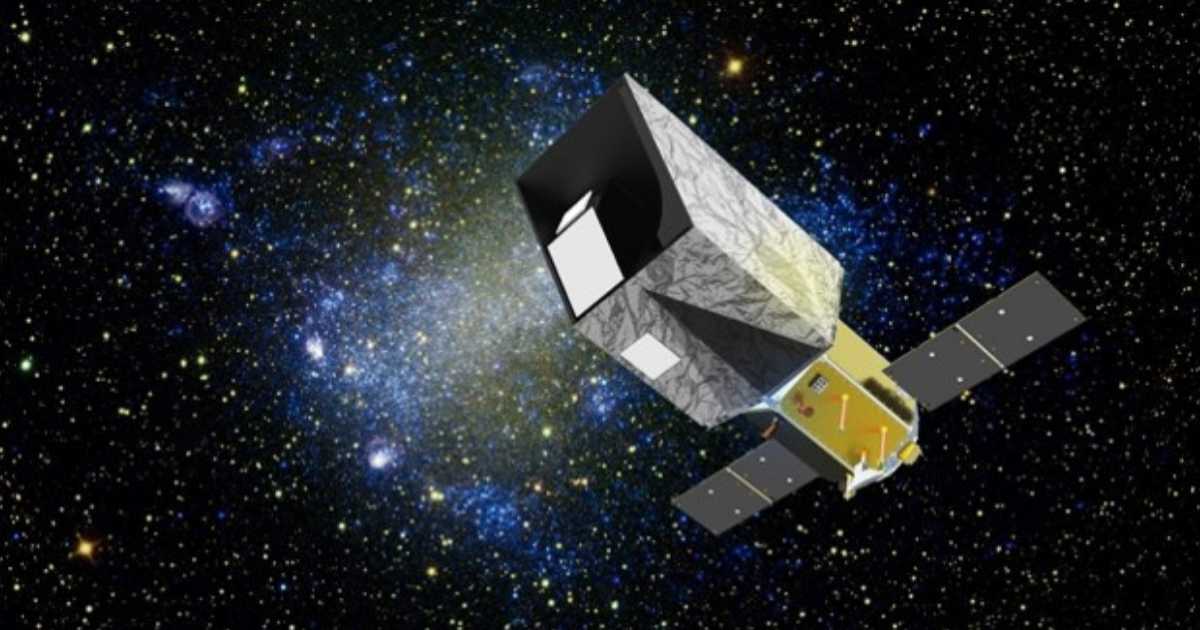
NASA’s falling Swift telescope could make a fiery return to Earth this week—where could it crash?
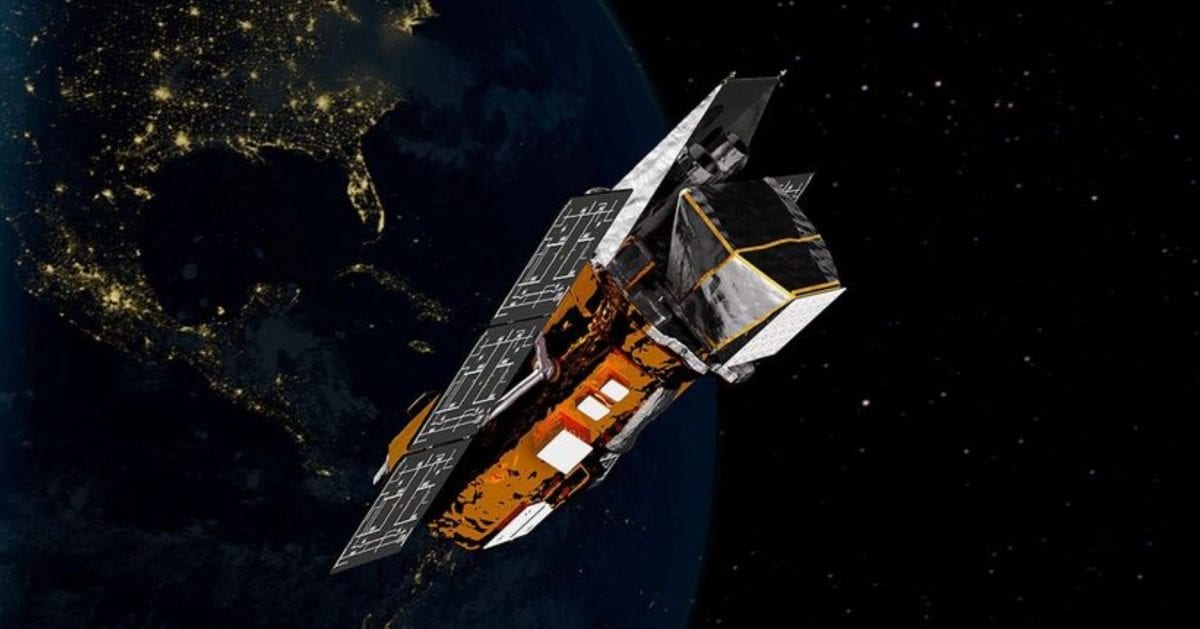
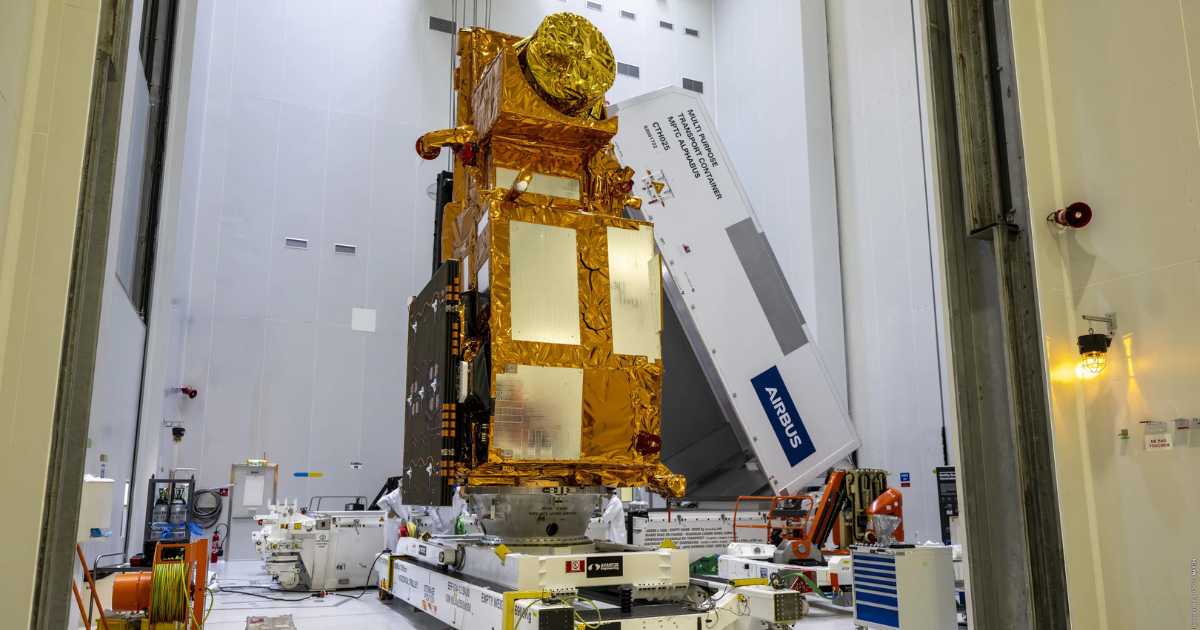
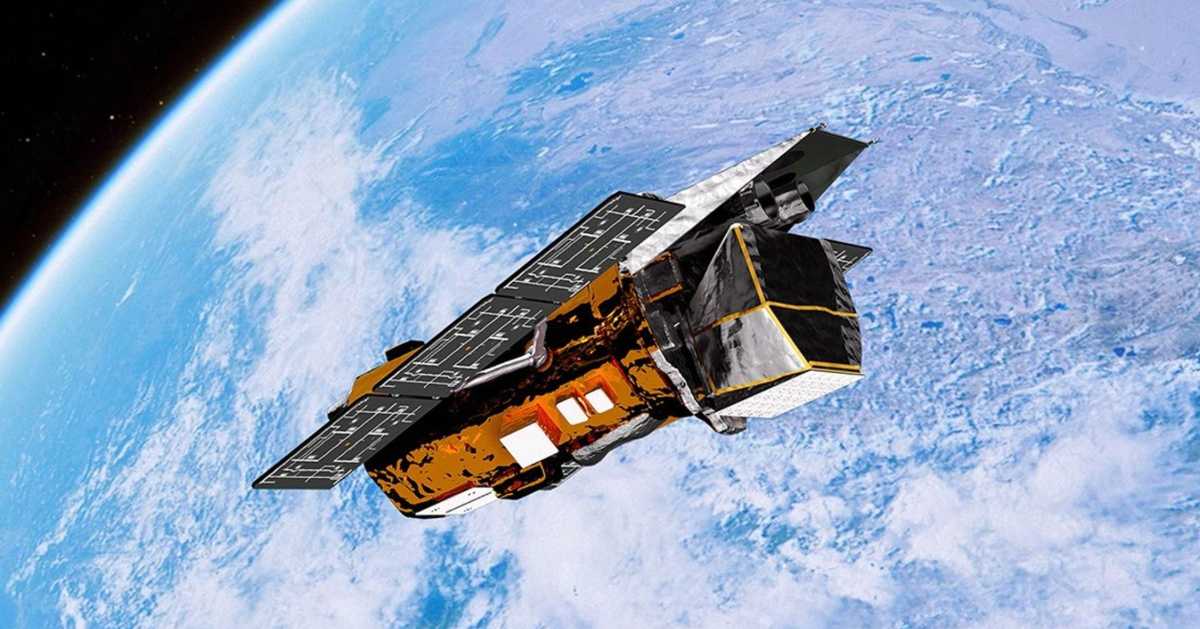
NASA’s Neil Gehrels Swift Observatory is about to fall back to Earth in a few days. The 22-year-old telescope is experiencing increased atmospheric drag with each passing day, which is causing its orbit to decay. Launched in 2004, the telescope was designed to study gamma-ray bursts—the most powerful explosions in the universe. Over the last few years, it had started to lose altitude, which prompted NASA to commission a rescue mission that would have boosted its orbit. But in September, the mission failed, sealing the fate of the space telescope.
As the sun sets on NASA's Swift mission, we celebrate more than 21 years of discoveries. Designed to catch gamma-ray bursts (GRBs), the universe's most powerful explosions, Swift revolutionized our understanding of these high-energy events and showed how they can illuminate everything from the births of black holes to the history of the early universe. But Swift's legacy extends far beyond gamma-ray bursts. Its rapid-response capabilities turned it one of astronomy's first responders, alerting observatories around the world to fleeting cosmic events and helping usher in the era of multimessenger astronomy. The mission leaves behind a remarkable scientific legacy and a wealth of data that will continue to enable discoveries for years to come.
— NASA History Office (@NASAhistory) October 26, 2026
As of October 20, Swift had dropped to an altitude of 171 miles (275 kilometers). NASA said that the spacecraft was no longer able to compensate for the atmospheric drag and entered safe mode. Shortly after, the operations team at Penn State in University Park sent a command to the telescope that marked the end of its mission. Like any other spacecraft, Swift was experiencing atmospheric drag, but recent solar activity exacerbated this effect. The telescope does not have any thrusters onboard to overcome the drag and raise its orbit.
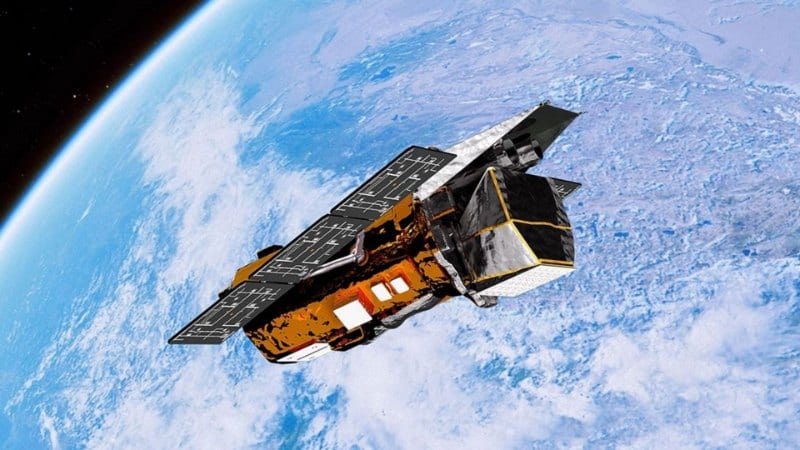
It is possible that Swift may undergo a fiery reentry this week or next. While most of its aluminum body, along with its wires and electronics, is expected to burn up in the atmosphere, components made of tungsten, titanium, steel, and glass could survive and crash into Earth. It is currently unknown where exactly these pieces will fall, but Dean Sladen, an aerospace engineer at the U.K. precision-components supplier Accu, said that the path lies within 21 degrees of the equator. Sladen told Space.com that the band is mostly ocean but it also covers inhabited regions in Africa, South and Southeast Asia and Latin America also as possible locations.
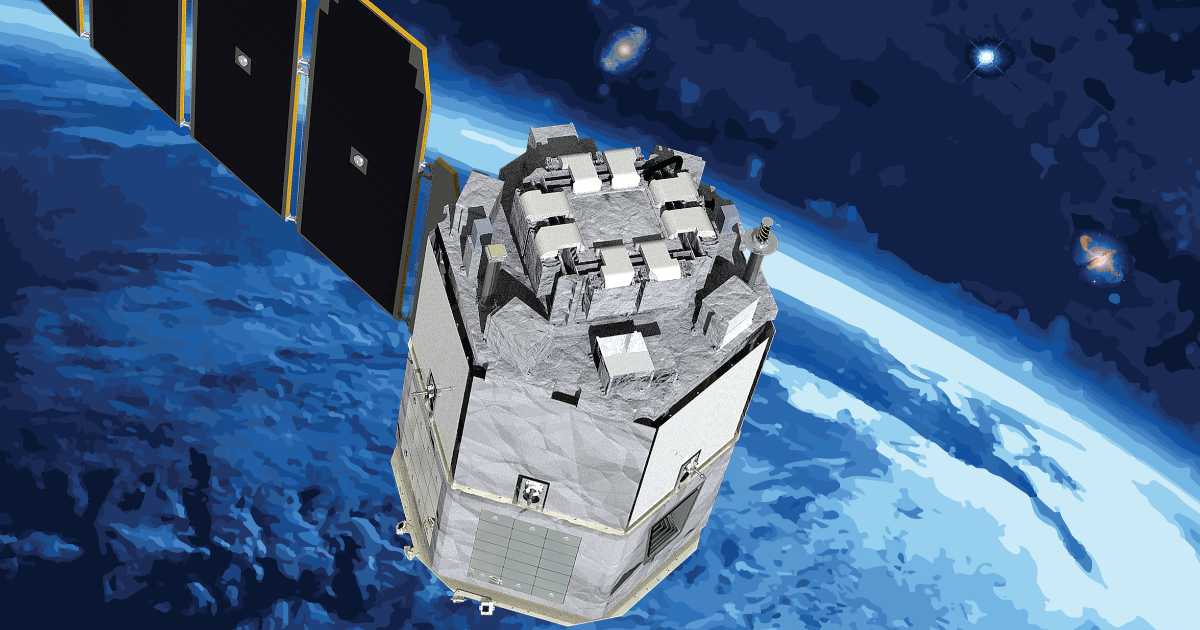
Since its launch in 2004, Swift has observed more than 2,000 gamma-ray bursts, studied over 1,400 supernova explosions, witnessed the shredding of stars by black holes, monitored active galaxies, conducted an all-sky X-ray survey, and studied asteroids and comets—observations that contributed data to about 7,000 scientific papers. NASA wanted to squeeze out as much science as possible from Swift due to its unmatched capabilities, and it contracted Katalyst Space to mount a commercial rescue mission with the LINK spacecraft to save the telescope.
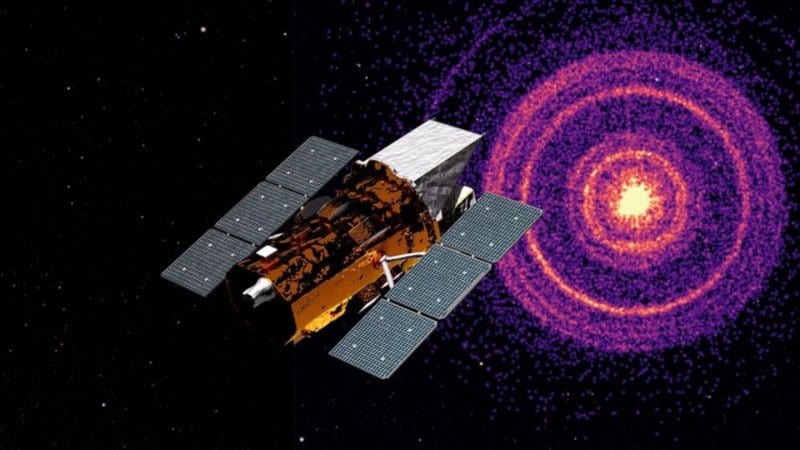
“Swift delivered an incredible, lasting return on investment for the nation, designed for a two-year primary mission but productive for more than 10 times as long,” Shawn Domagal-Goldman, director of the Astrophysics Division at NASA, said in a statement. He further said that Swift played a major role in advancing our understanding of the changing universe and that its archive of multiwavelength observations will fuel new discoveries for decades to come. According to NASA, Swift’s archive contains brightness measurements of all kinds of cosmic outbursts, multiwavelength spectra, and more than 1.5 million images, along with other data.
More on Starlust
Meet UVEX—NASA’s proposed new space telescope set to launch in January 2031