NASA’s LINK mission to save its falling Swift telescope fails weeks after launch. Here's what will happen next
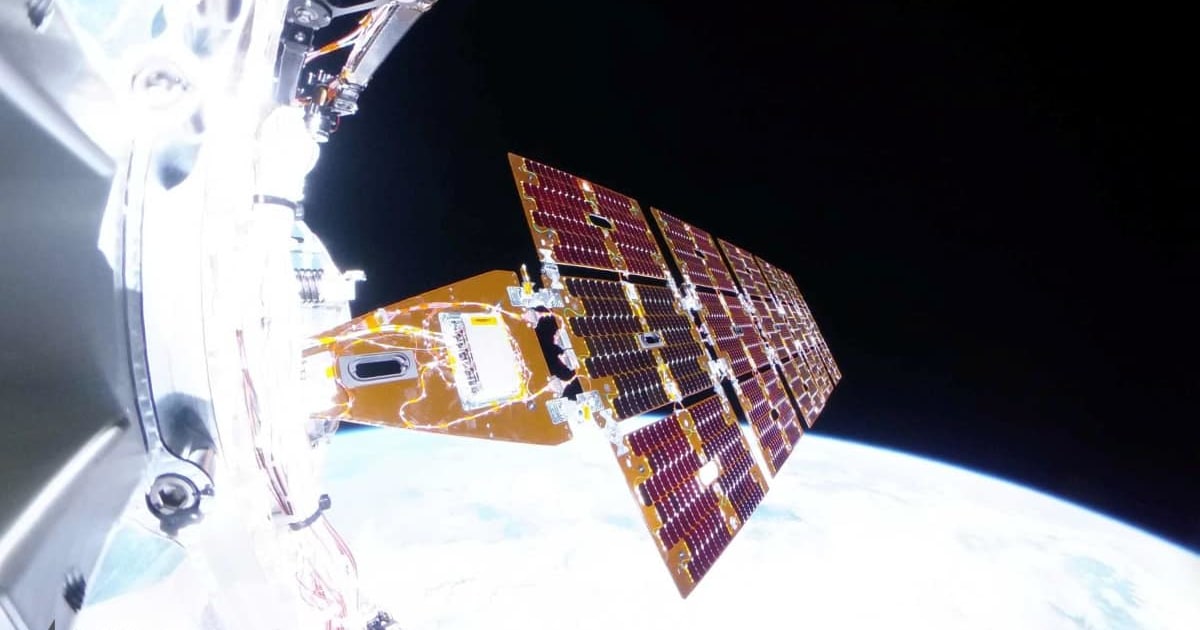
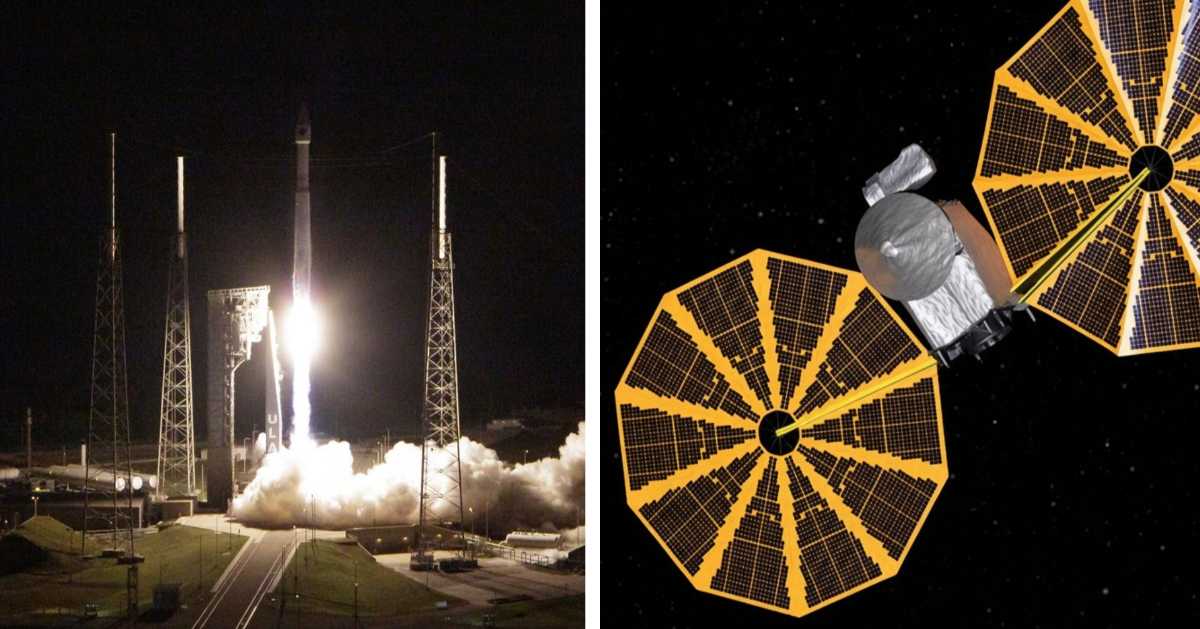
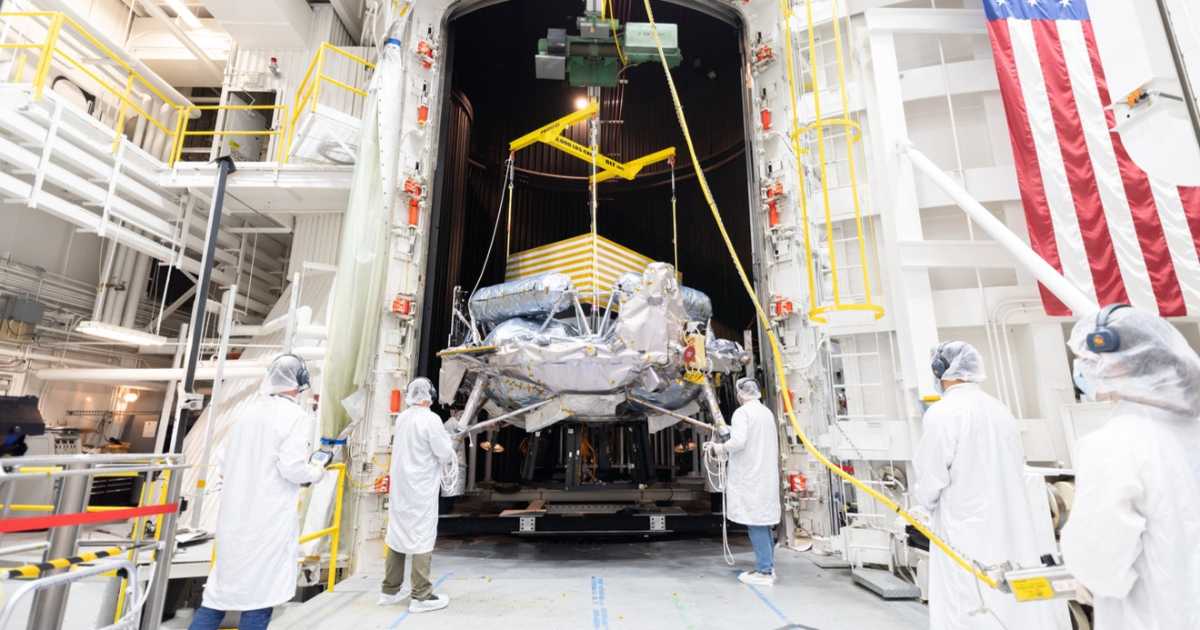
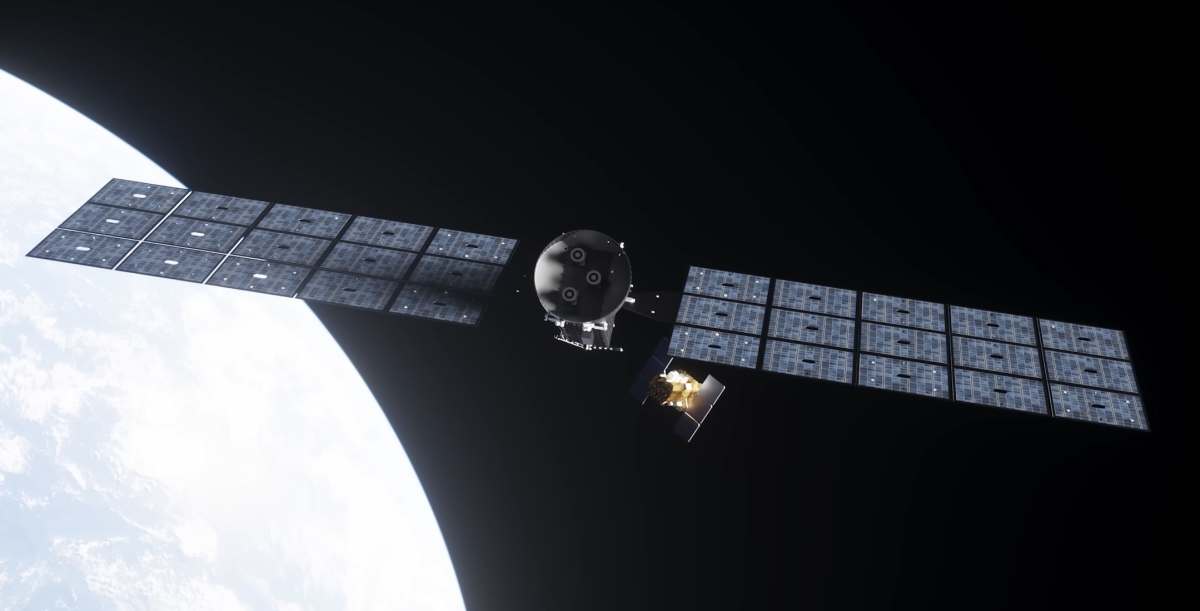
NASA has announced that the mission launched to save the Neil Gehrels Swift Observatory will not be able to achieve its primary goal. In a recent update, the agency confirmed that the LINK spacecraft, which was meant to rescue the telescope, is facing ongoing attitude control issues, making it impossible to safely boost the observatory to a higher orbit. LINK, developed by Katalyst Space, was launched on July 3 to rendezvous with Swift and prevent it from falling back to Earth. However, during in-orbit checkouts following the launch, the LINK spacecraft experienced issues with its reaction wheels and cold gas thruster system, which compromised its maneuverability.
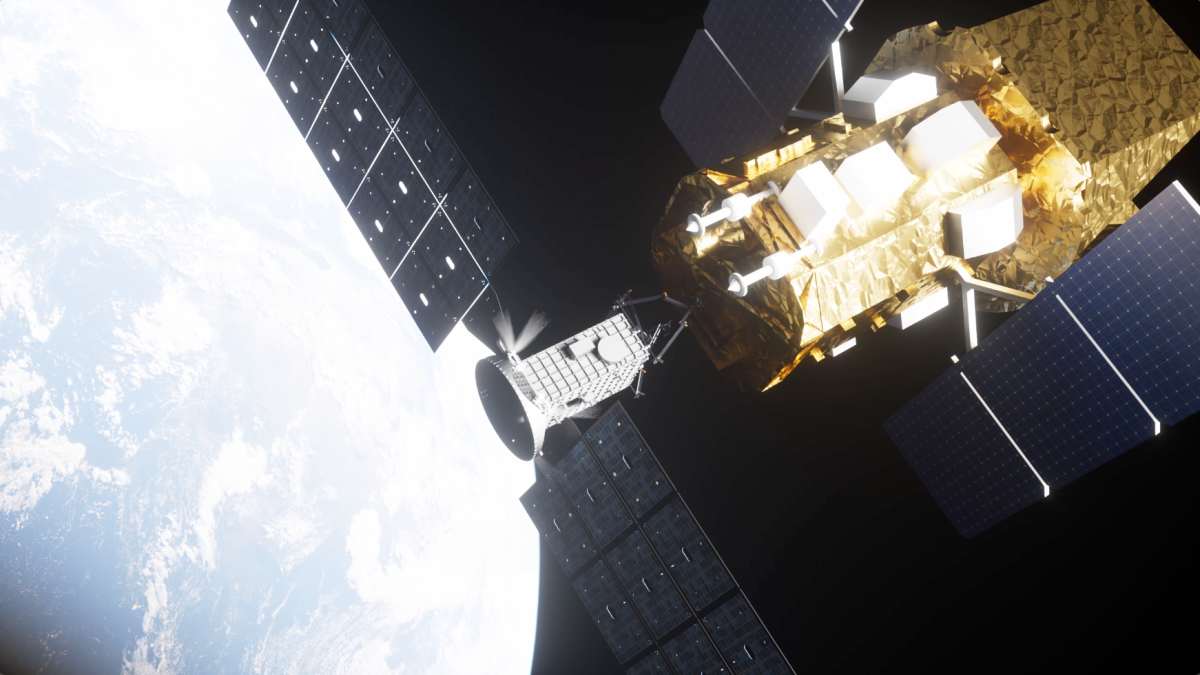
“Due to an ongoing commercial spacecraft attitude control issue, NASA and Katalyst Space announced Wednesday the LINK spacecraft will not capture or boost an agency satellite to a higher altitude to extend its science mission as planned,” NASA said in its update. The agency, however, noted that LINK will still attempt rendezvous and proximity operations with the telescope to demonstrate key capabilities for future satellite servicing missions.
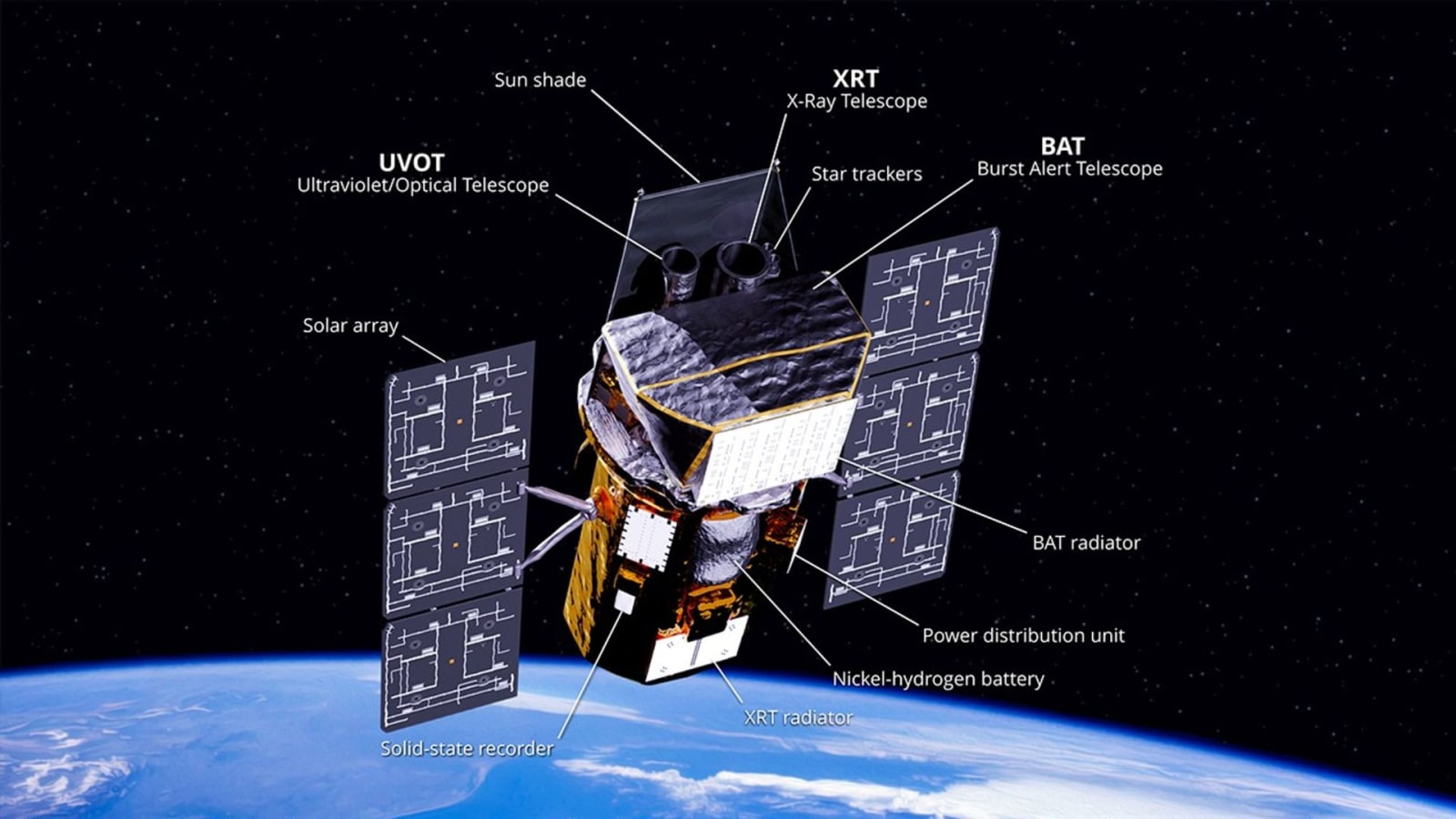
Swift was launched in 2004 to study gamma-ray bursts—the most powerful explosions in the universe. Designed originally for a two-year prime mission, the space telescope has remarkably lasted over two decades. Had LINK successfully rendezvoused with and captured the telescope, it would have incrementally raised Swift’s orbit over the next few months. Since that is no longer possible, scientists expect Swift will succumb to atmospheric drag and fall back to Earth later this year. “NASA and Katalyst are working closely to assess next steps for rendezvous and gather as much data as possible to inform future satellite servicing operations,” the agency stated.
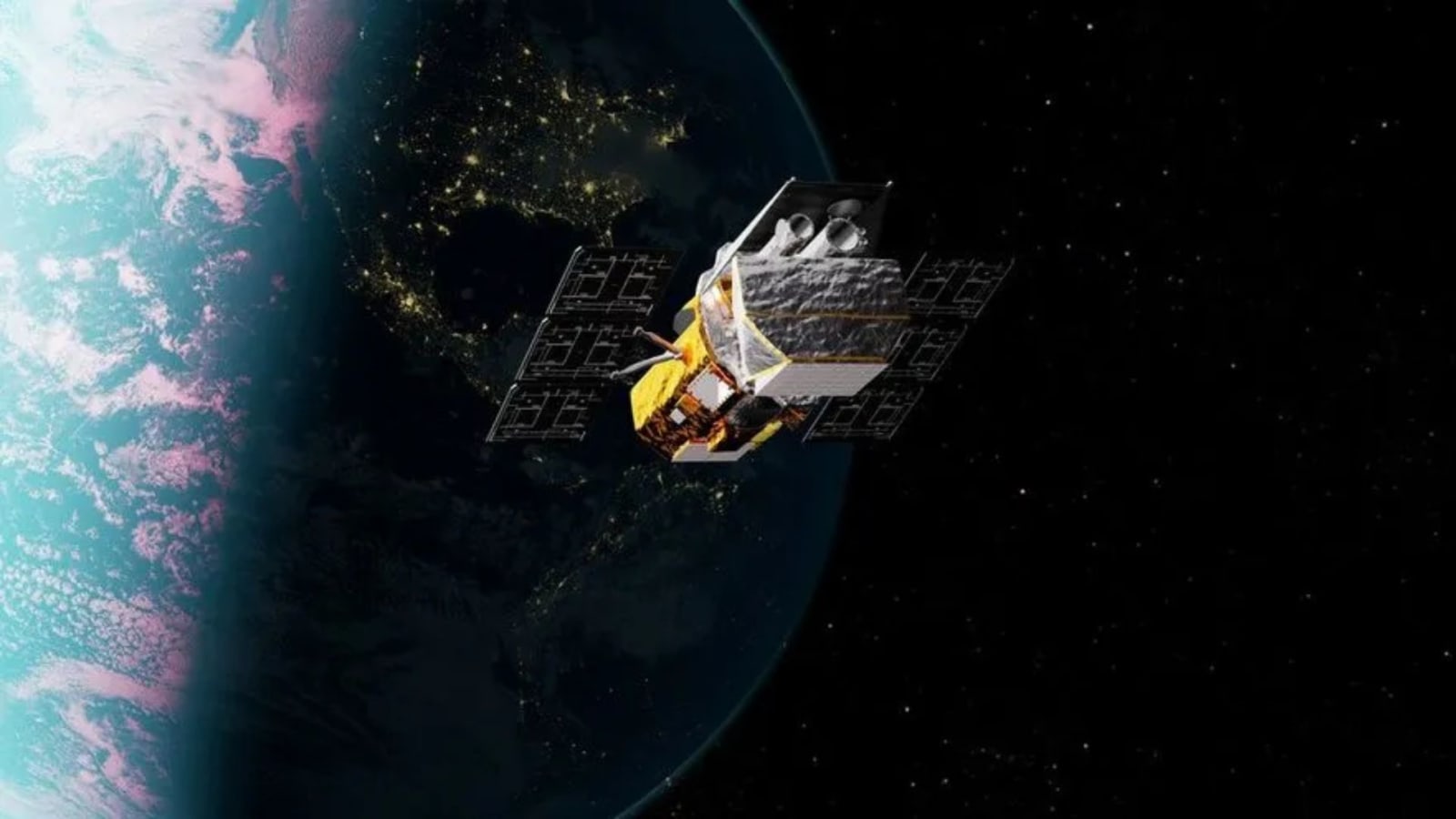
Swift was originally installed about 375 miles above Earth, but its orbit has decayed significantly over the last two decades, especially after recent severe solar storms and consequent increases in atmospheric drag. The rescue plan involved catching Swift before it dropped below an altitude of 185 miles.
Despite the disappointing result, NASA Administrator Jared Isaacman hailed the teams at NASA and Katalyst for putting this one-of-a-kind mission together in less than a year. “This is not the outcome we were working toward, but it does not change why this mission was worth attempting,” Isaacman said. The teams started work on this mission in September 2025 after Katalyst was awarded a contract to build a rescue spacecraft for Swift, operating on an unprecedented timeline driven by the Sun's unpredictable activity. “The team moved with extraordinary speed to give Swift a chance to carry out more science while advancing capabilities America will need for satellite servicing in the future. We are going to learn everything we can from LINK’s rendezvous attempt and put those lessons to work on the missions that follow,” Isaacman added.
More on Starlust:
NASA releases much-awaited images of crater carved by Falcon 9 rocket debris on the Moon on August 5
Voyager 2 gets a lifeline after 'Big Bang fix': How NASA is extending the probe's life