NASA’s mission to save Swift telescope still in trouble as rescue spacecraft continues spinning in space
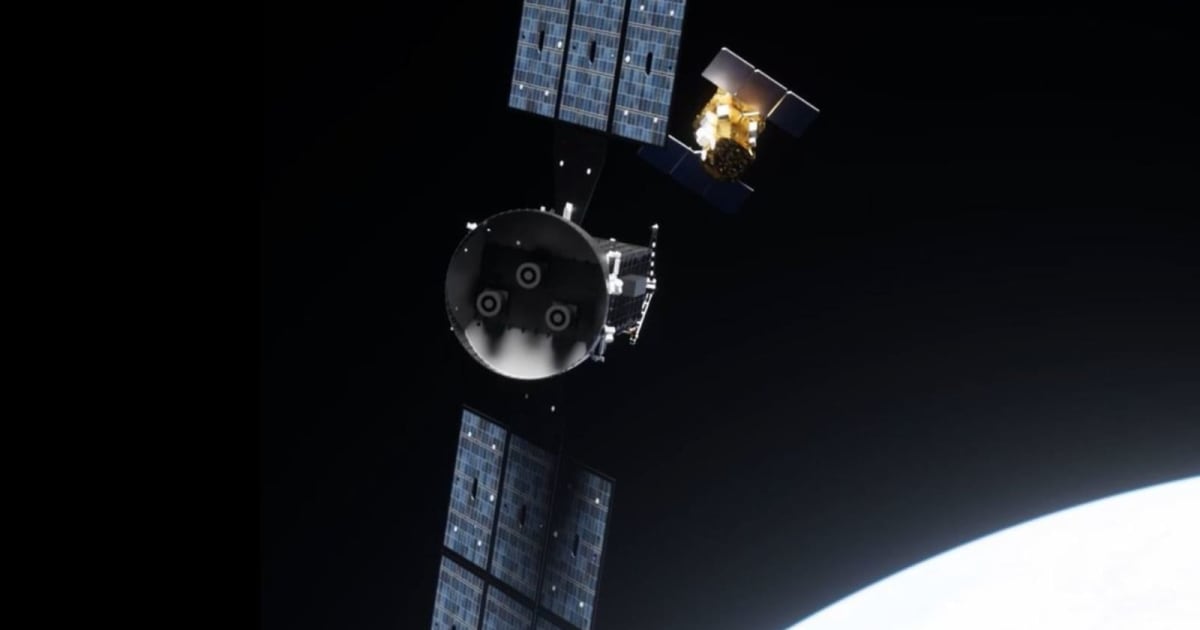
The LINK spacecraft which launched a month ago to rescue NASA’s Neils Gehrels Swift space telescope is still in trouble, and engineers are scrambling to save it before it’s too late. The spacecraft is said to be on a multi-axis spin which is hindering communication and reducing the chances of saving Swift.
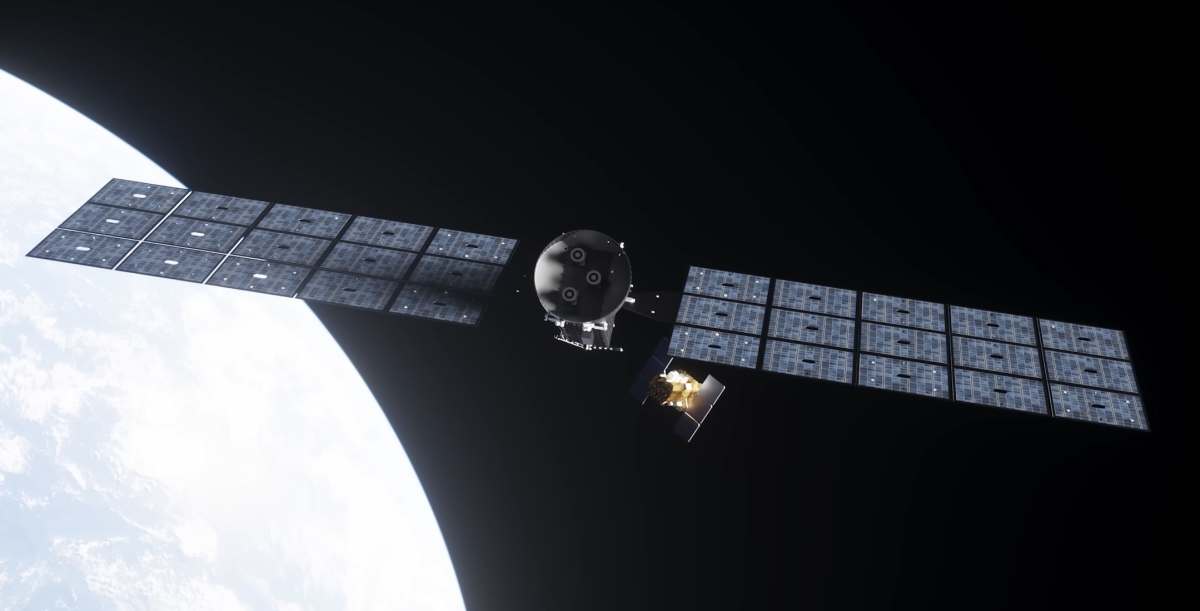
Developed by Katalyst Space, LINK launched on July 3 to rescue the 21-year-old telescope which may soon fall to Earth due to orbital decay. After rendezvousing with the telescope, LINK is supposed to slowly raise Swift’s altitude over several months in order to extend its operational lifespan.
LINK continues spinning
In a latest update on August 6, NASA said that the LINK spacecraft is currently spinning at 1.47 degrees per second. Mission controllers have been able to reduce the spin from nine degrees per second using a series of burns from one of LINK’s electric propulsion thrusters. "Katalyst plans to keep LINK at that spin rate as it proceeds with next steps for the mission. This includes uploading a flight software update in the coming days with new attitude controllers designed to maintain LINK’s stability in its current configuration. These updates would allow LINK to begin maneuvering to align with Swift’s orbit," the update read.
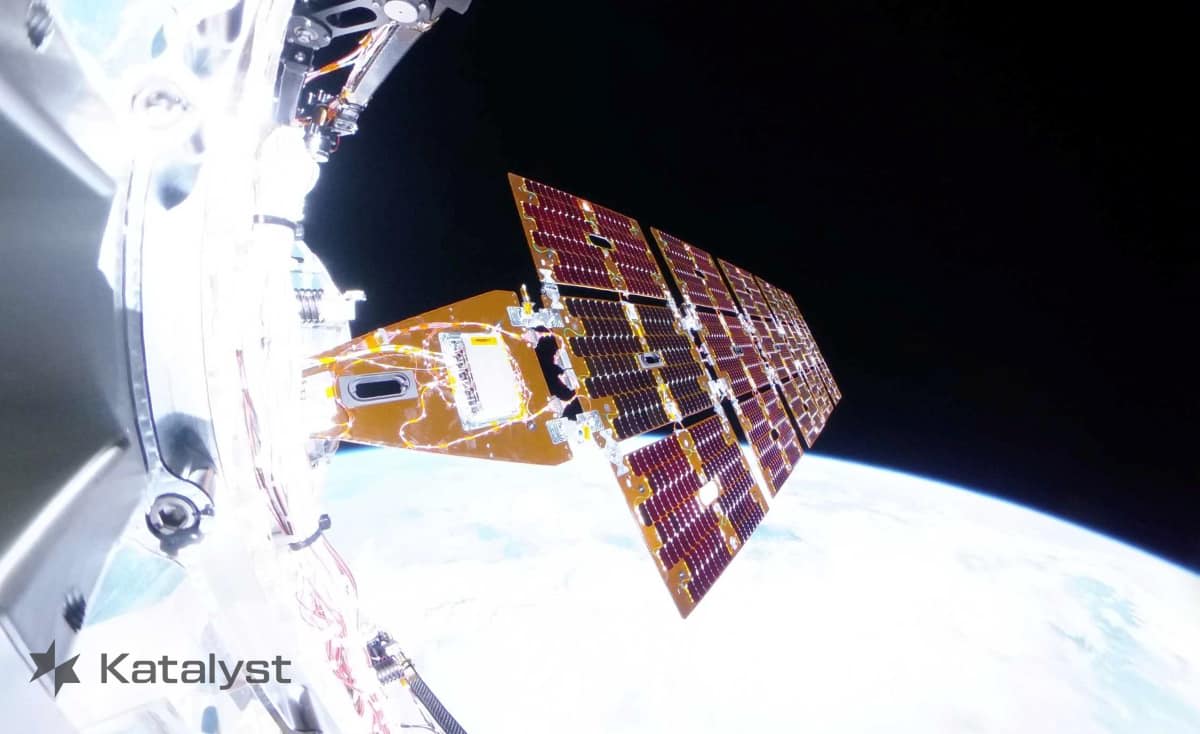
On July 28, NASA said that LINK’s spin resulted from issues in its attitude control, which caused problems with communication with the spacecraft. Two of LINK’s three reaction wheels are inoperable along with some loss of functionality in its cold gas thruster system.
First-of-its-kind daring mission
The Swift boost mission is first-of-its-kind and would be historic if LINK is successful in saving the telescope. All spacecraft and satellites experience atmospheric drag and without thrusters to keep them afloat, they would fall into Earth much sooner. Thrusters on spacecraft docked at the International Space Station ensure than the it stays in a stable low-Earth orbit. Unfortunately, Swift doesn’t have a propulsion system which is why it needs LINK to boost its orbit.
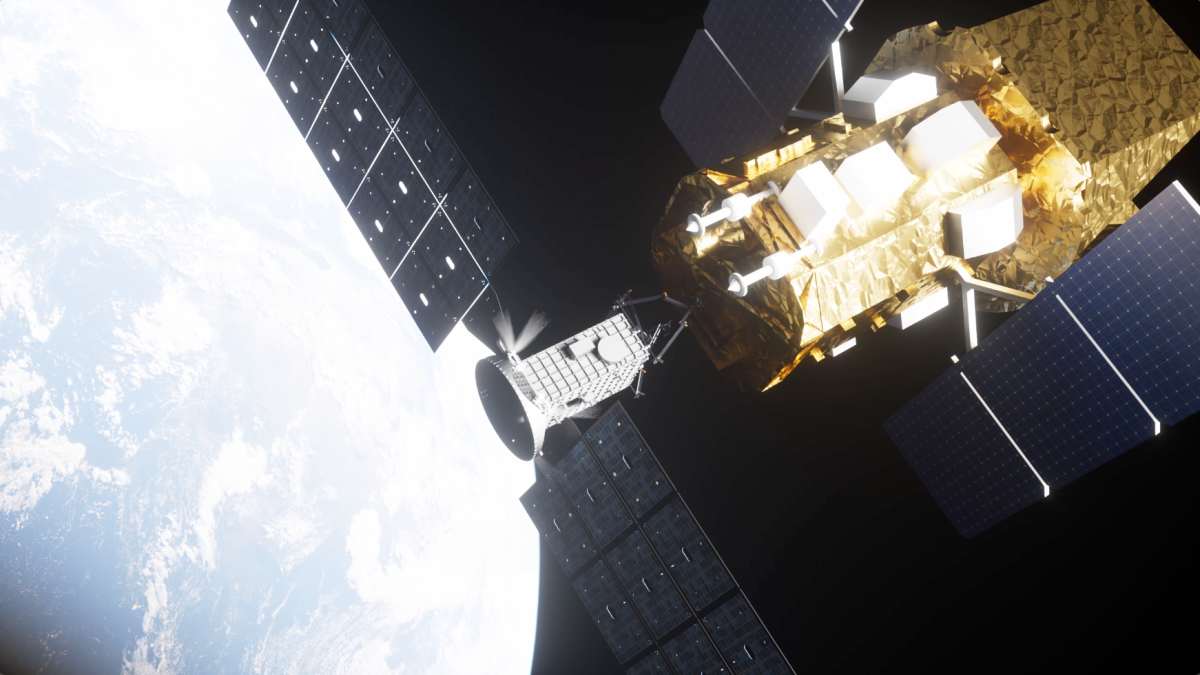
The telescope was installed 375 miles above Earth but its altitude has reduced significantly over the last two decades, especially after the recent solar storms. Scientists now want Swift at least 185 miles above Earth where it can continue doing what it does best - observing cosmic objects in visible, ultraviolet, X-ray, and gamma-ray light. NASA says it could have let Swift re-enter the atmosphere but the LINK mission demonstrates a key capability that could be used to save more missions in the future. Besides, saving Swift is much more affordable than replacing it.
More on Starlust
SpaceX Falcon 9 rocket impact crater on the Moon spotted by South Korean orbiter—see first pictures
Starlink footage shows Starship firing its thrusters in space during Flight 13; watch video