NASA's Swift telescope set to reenter Earth today—chances of you getting hit by it is under one in a trillion
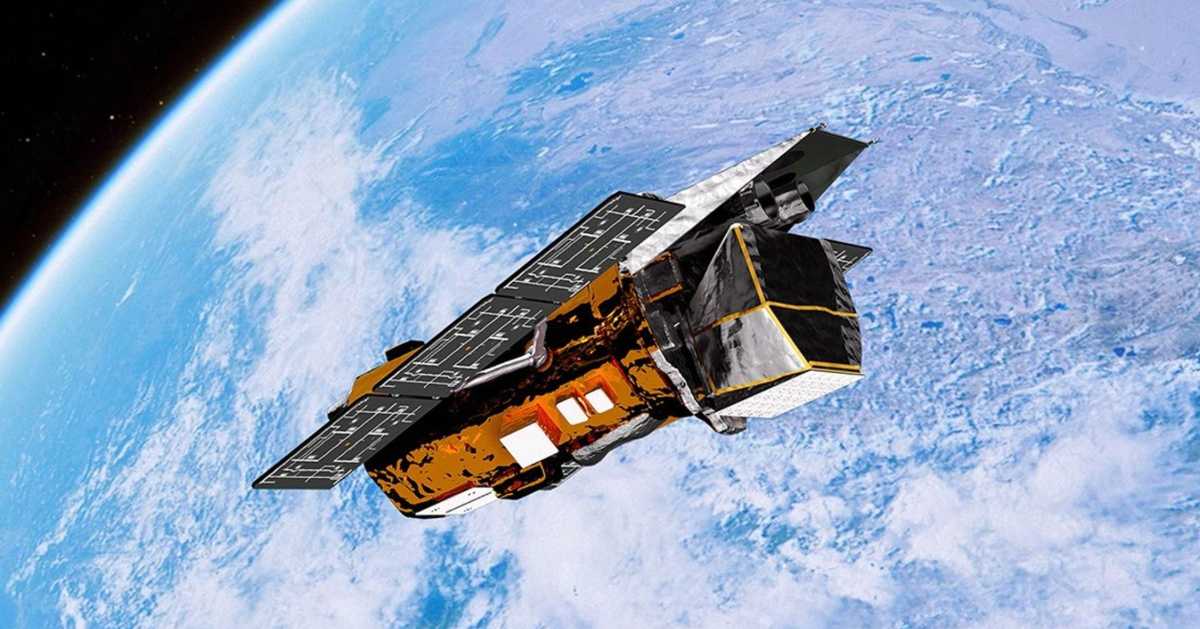
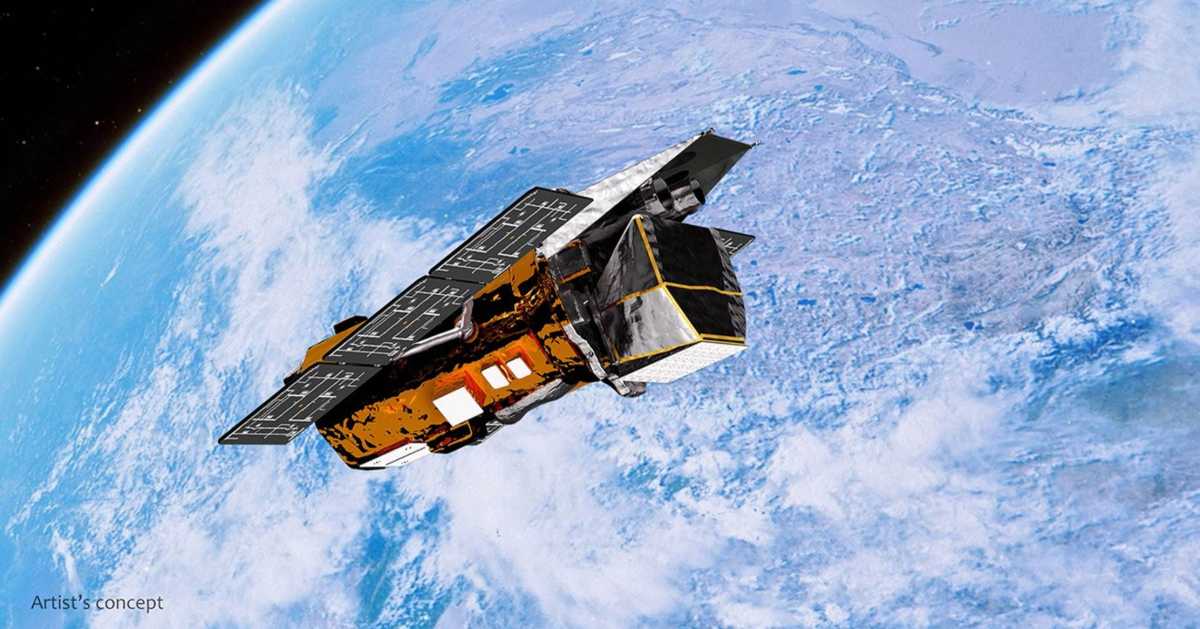
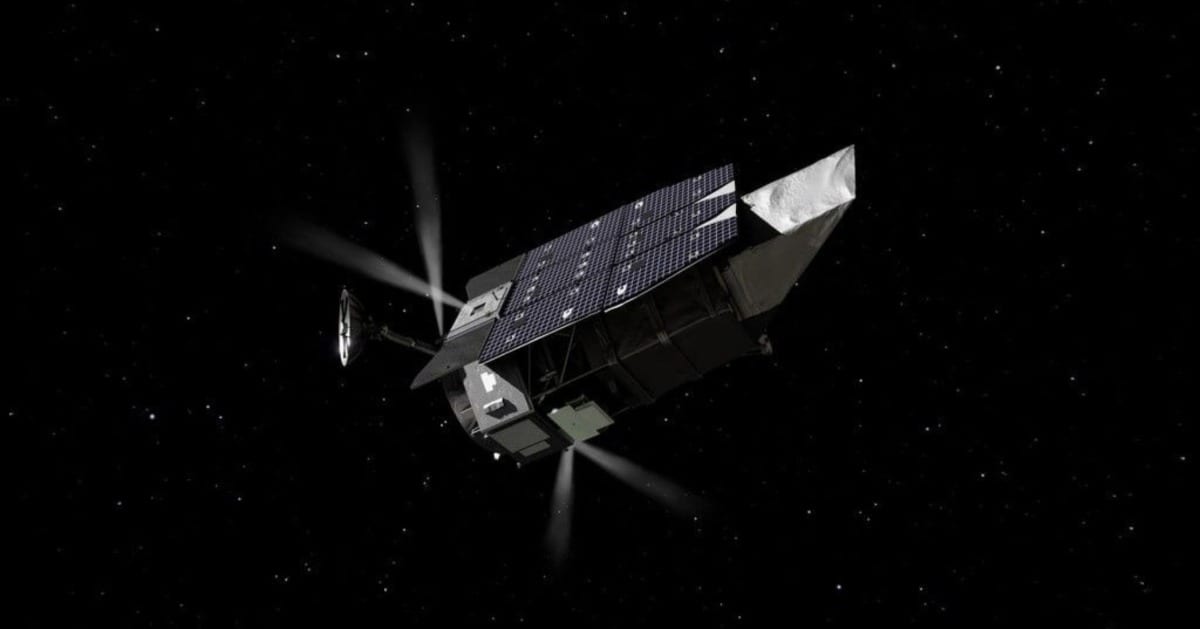
Nearly 22 years after launch, NASA’s Neil Gehrels Swift Observatory is falling back to Earth. According to the U.S. Space Force, the 3,200-pound telescope is predicted to reenter at approximately 3:30 a.m. EST on November 4, with an uncertainty of 11 hours. Most of the spacecraft’s components are expected to burn up in the atmosphere, but some fragments may survive and fall into a band between 20.6 degrees south latitude and 20.6 degrees north latitude.
Science operations for our Neil Gehrels Swift Observatory have now ended. With the spacecraft orbiting less than 171 miles (275 kilometers) above Earth, atmospheric drag prevents the satellite’s telescopes from steadily gazing at their cosmic targets. 🧵 https://t.co/nl4dHq1rmp
— NASA Universe (@NASAUniverse) October 26, 2026
Quality Manager and Aerospace Engineer Dean Sladen at U.K. precision-components supplier Accu Components told Starlust.org that how Swift breaks apart will depend on the angle it reenters. If it falls at a steeper angle, the spacecraft will break apart quicker. “Typically items such as antennas and solar panels [will] be the first to tear away, before the main body breaks apart,” Sladen said, adding that titanium and steel components will last longer. Aerodynamic drag and extreme friction will generate intense heat as it descends further towards the ground, and any surviving parts could get scattered within the aforementioned band spanning hundreds of miles.
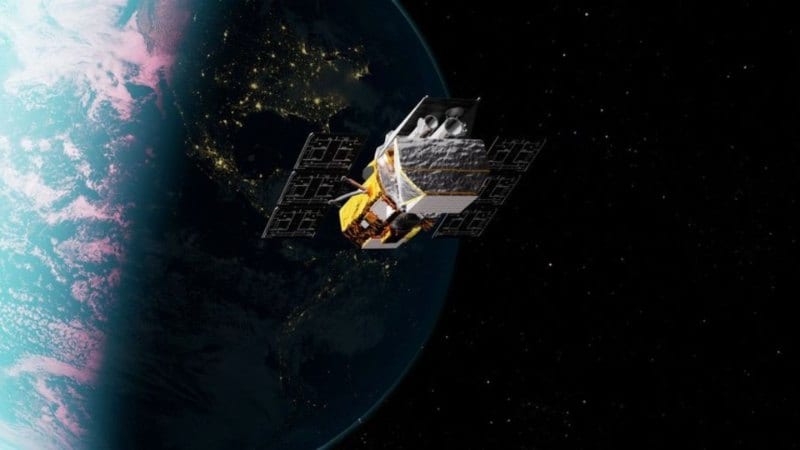
NASA has said earlier that heightened solar activity played a huge role in causing Swift’s orbital decay. As of October 20, Swift was orbiting Earth at an altitude of 171 miles (275 kilometers). At this height, increased solar activity heats and expands the Earth's upper atmosphere, pulling denser air to higher altitudes and increasing the drag on the spacecraft. Sladen says that these variations can affect the timing of reentry and the landing area by hundreds if not thousands of miles, especially since the spacecraft is traveling over 4 miles per second.
Where exactly will Swift fall and is the public at risk?
While the predicted crash sites are on both sides of the equator, it is not known exactly where the surviving parts will fall. “With the Swift’s orbital speed, it can complete a full rotation around Earth every [90] minutes, meaning over this time frame it can orbit the Earth [16] times a day and cover almost all of its orbital band within this period,” Sladen said. “It's only in the last few hours that forecasters can narrow it down, but even then sometimes it will be unknown until after it has come down.”
We’re tracking the upcoming reentry of the Swift space telescope📡 The NASA Neil Gehrels Swift Observatory, launched in 2004 to study space objects and events, is now on its return to Earth. Aerospace's Center for Orbital and Reentry Debris Studies has just released an updated prediction for its reentry time. Aerospace predicts reentry to occur on Nov 4, 2026 at 09:11 UTC ± 12 hours. Follow our updates as we approach reentry time: https://t.co/VGMc2Xu0LT
— The Aerospace Corporation (@AerospaceCorp) November 2, 2026
Swift is undergoing what’s called an ‘uncontrolled reentry’, which makes it impossible to control the satellite’s fall once it reenters the atmosphere. Despite the uncertainty, NASA is confident that the chances of the falling components harming anyone are very slim—approximately 1 in 2,100. According to Sladen, the odds of a single person being hit by the debris are estimated at "less than one in a trillion." Explaining the estimate, Sladen stated, “Calculating the risk is worked out by estimating which parts will survive reentry, their size, and whether they'll land with enough energy to hurt someone. That's combined with how many people live under the satellite's path to give the overall chance of anyone, anywhere, being hurt."
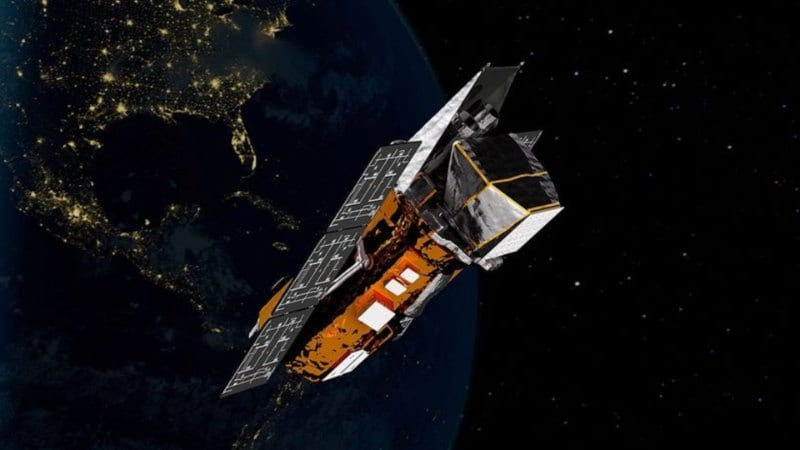
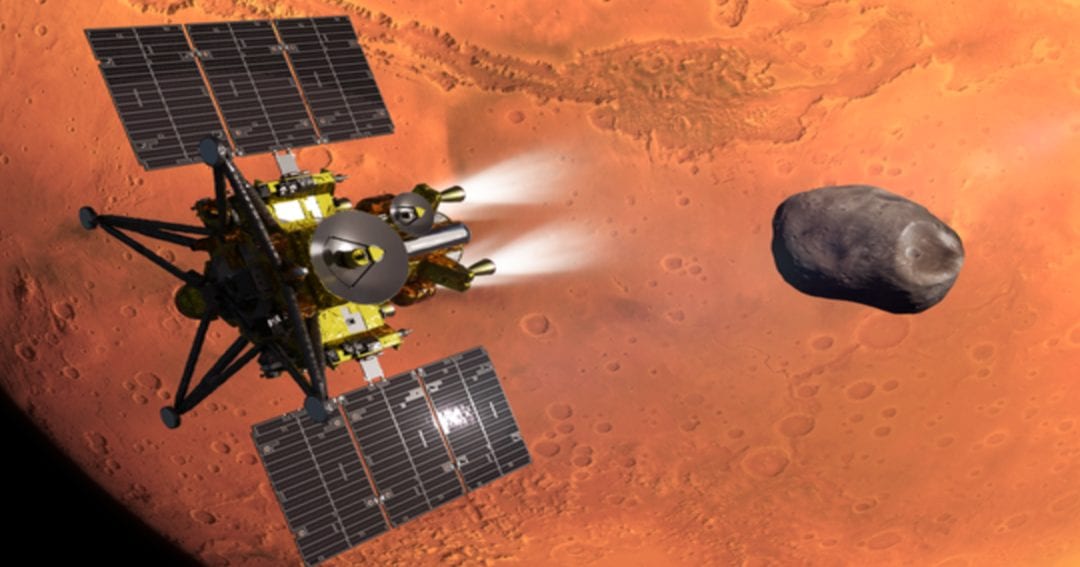
Swift wouldn’t have been falling right now had the rescue mission to boost its orbit succeeded. NASA had contracted Katalyst Space to build a spacecraft that would latch onto the telescope and raise its altitude by several hundred miles. However, technical problems prevented the LINK spacecraft from meeting up and attaching to Swift, forcing NASA to terminate the mission and let the telescope fall. “When things did start to go wrong, the team still found ways to buy time. They turned Swift to reduce drag and pushed back its fall by several months. But options like that only go so far and without a successful rescue mission, the outcome will not change,” Sladen said, adding that the industry must learn how to build satellites for their safe reentry or develop them in such a way that a rescue mission is possible if required.
More on Starlust
NASA, Katalyst Space look to build on $30 million Swift rescue mission despite failed orbit boost
NASA's Neil Gehrels Swift Observatory ceases operations: Here's the legacy it left behind