On this day in 1967: NASA launched Apollo 4—the first test of Saturn V that would take humans to the Moon
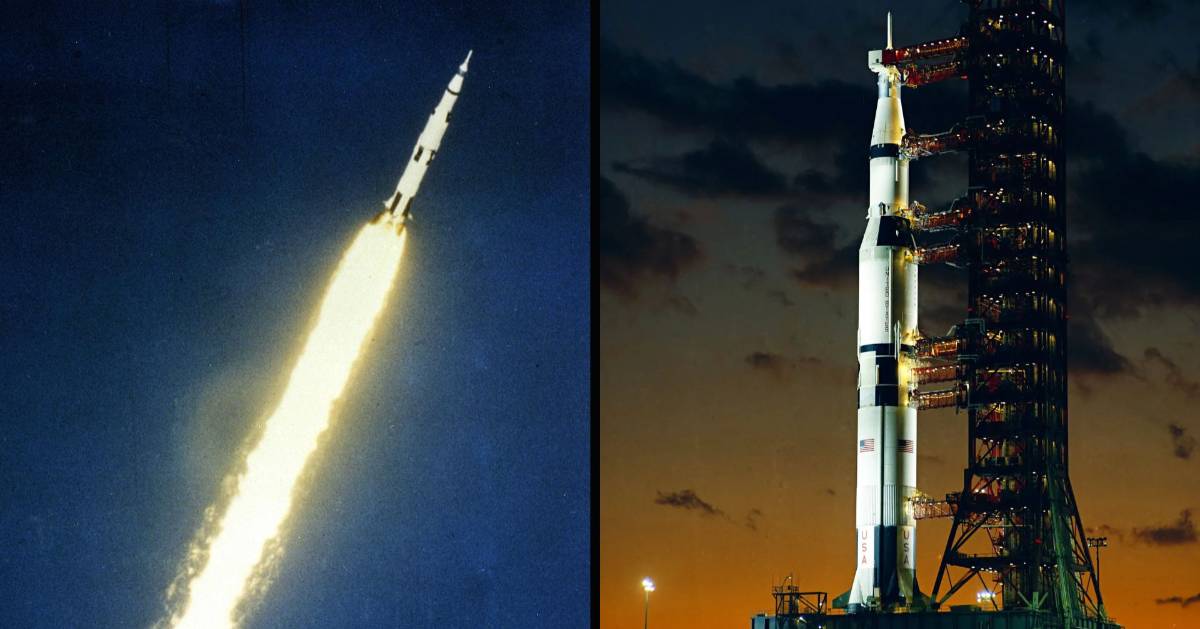
Exactly 59 years ago today, NASA launched the Apollo 4 mission, which paved the way for the historic Moon landing in 1969. On November 9, 1967, the Saturn V rocket lifted off from Launch Complex 39A at the Kennedy Space Center in Florida in what was its first-ever all-up test launch—meaning all three of its live stages were tested sequentially in a fully assembled stack. This uncrewed mission was critical in accomplishing the lunar landings, as it proved that the Saturn V's design worked and marked a major step towards crewed missions. According to NASA, the objectives of Apollo 4 were testing the rocket’s structural integrity, its compatibility with the Command and Service Module (CSM), the Command Module’s heat shield, overall reentry operations, the rocket’s subsystems, and crucial steps like stage separation before the Command Module’s splashdown in the ocean. Interestingly, Apollo 4 was also the very first launch from the Kennedy Space Center.
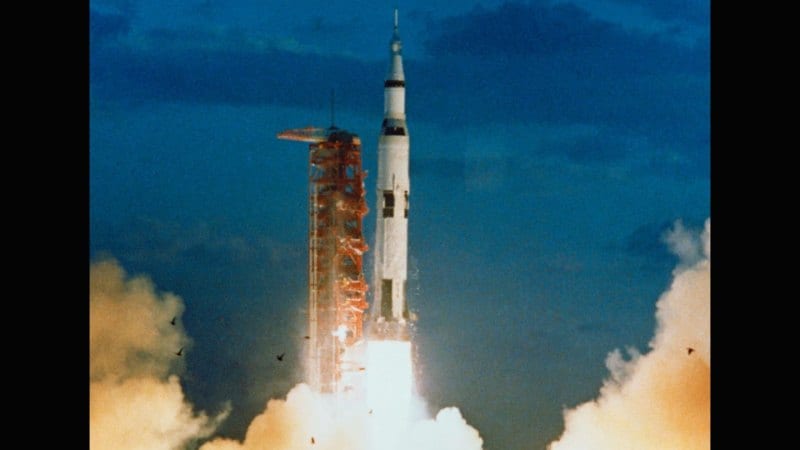
The rocket lifted off at 7 a.m. EST and performed key maneuvers required to eventually send the Command and Service Module to the Moon. The third stage of the rocket, after being placed in a parking orbit, made two revolutions of the Earth before performing a simulated translunar injection burn. Instead of pushing the CSM on a journey to the Moon, this burn propelled the spacecraft into a highly elliptical Earth orbit. The Service Module's engine later fired to drive the capsule back into the atmosphere at roughly 25,000 mph (40,000 km/h) to simulate the extreme heat of a reentry while returning from the Moon. The entire mission, consisting of these critical maneuvers, lasted 8 hours, 36 minutes, and 59 seconds, and ended with the separation of the Command Module from the Service Module, followed by the Command Module’s splashdown in the Pacific Ocean near Hawaii. NASA says that the mission was deemed a successful test, as it proved not just the rocket's readiness, but also that the Command Module could survive the high-speed reentry.

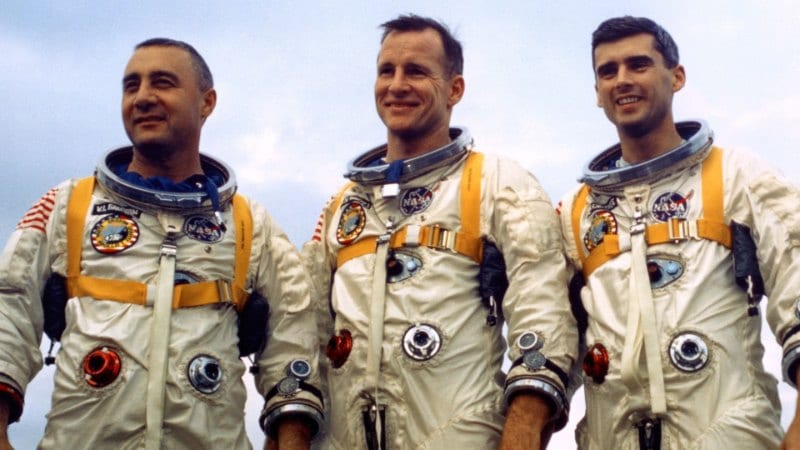
The Saturn V was the largest and most powerful rocket built at the time, and it flew just over nine months after the Apollo 1 tragedy. Its success meant a lot for NASA and gave the agency a morale boost following the deaths of three astronauts who were killed in the tragedy during training. The unfortunate accident occurred on January 27, 1967, when astronauts Virgil 'Gus' Grissom, Ed White, and Roger Chaffee were at the launch pad for pre-flight training and a countdown rehearsal test. During the rehearsal, a fire swept through the Command Module, and since the cabin was filled with 100 percent pure oxygen, it happened very quickly, giving them little time to escape. Apollo 1, originally named AS-204, was scheduled to launch on February 21 as the first crewed mission of the Apollo program, but the loss of lives forced NASA to pause the program and redesign many aspects of the spacecraft.
One of the changes was switching from the Block I capsule assigned to Apollo 1 to the Block II version of the Command Module for crewed flights. Apollo 4, however, still used Block I since it was an uncrewed mission. The Block II version got new hardware—a unified hatch that could be opened in three seconds from inside as well as the outside, instead of the difficult-to-open three-piece hatch. NASA also severely restricted the amount and location of combustible material in the spacecraft and stopped using 100 percent pure oxygen in the cabin during ground tests. These precautions, among other safety measures, actually worked, and the redesigned spacecraft successfully carried astronauts to the Moon between 1969 and 1972.
More on Starlust
NASA lost the original Apollo 11 moon landing tapes, and here's how it happened