Caltech robot makes history by autonomously building the first structure in space
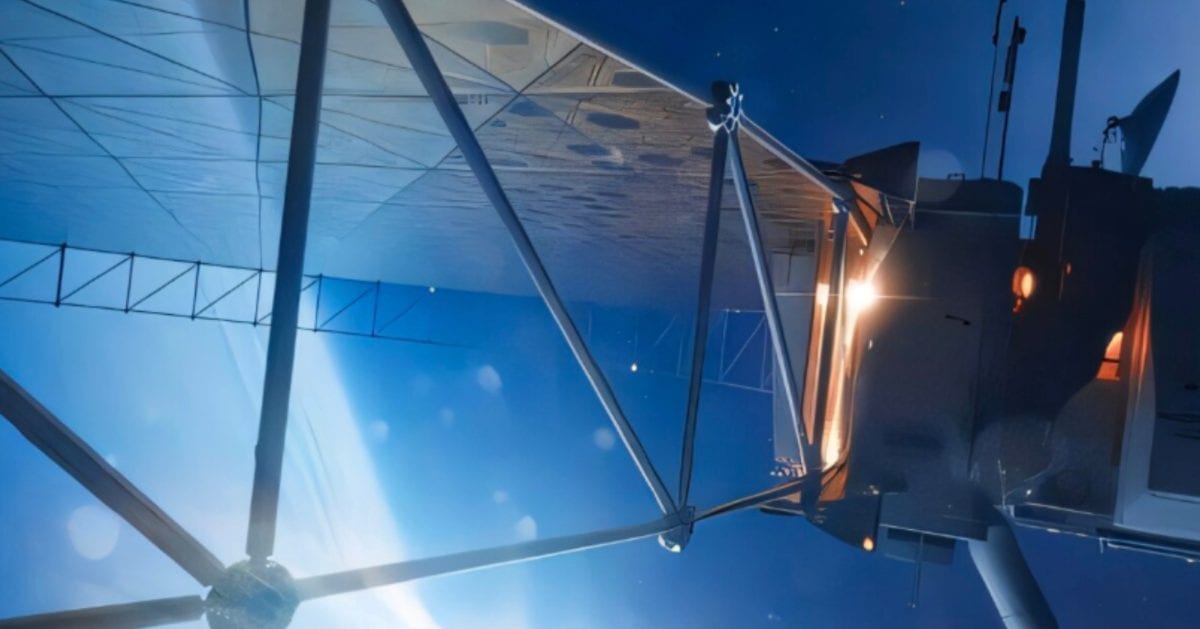
For the first time, a robot has successfully assembled a structure in space without needing any help from an astronaut. The machine, called ASTRA, is funded by the Defense Advanced Research Projects Agency (DARPA) and was launched on March 30, 2026. In a statement, project leader Sergio Pellegrino, a Caltech professor of aerospace and civil engineering, said, “This is the first time that a structure has been autonomously constructed in space.” This could change how we build satellites and telescopes in the future.
Building in zero gravity? ✅ Autonomously? ✅ With simple engineering principles? ✅ Our NOM4D program, with @Caltech, has demonstrated the first automated assembly of a structure in space, marking a major milestone in how we design, build, and operate beyond Earth. https://t.co/nyV0etC9S6
— DARPA (@DARPA) November 5, 2026
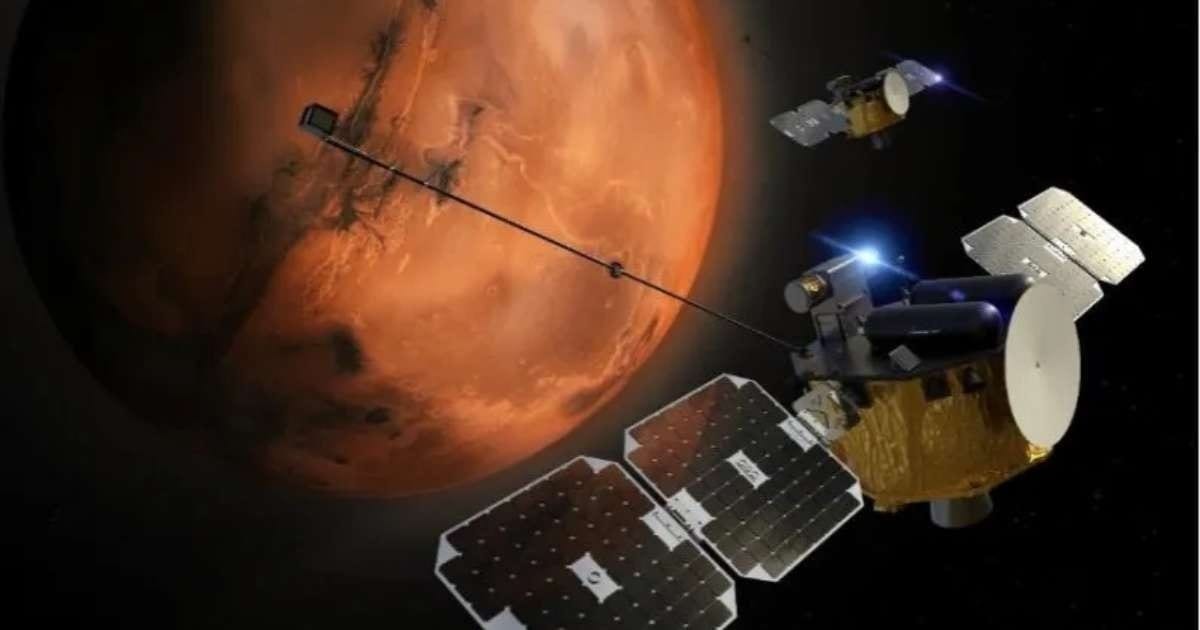
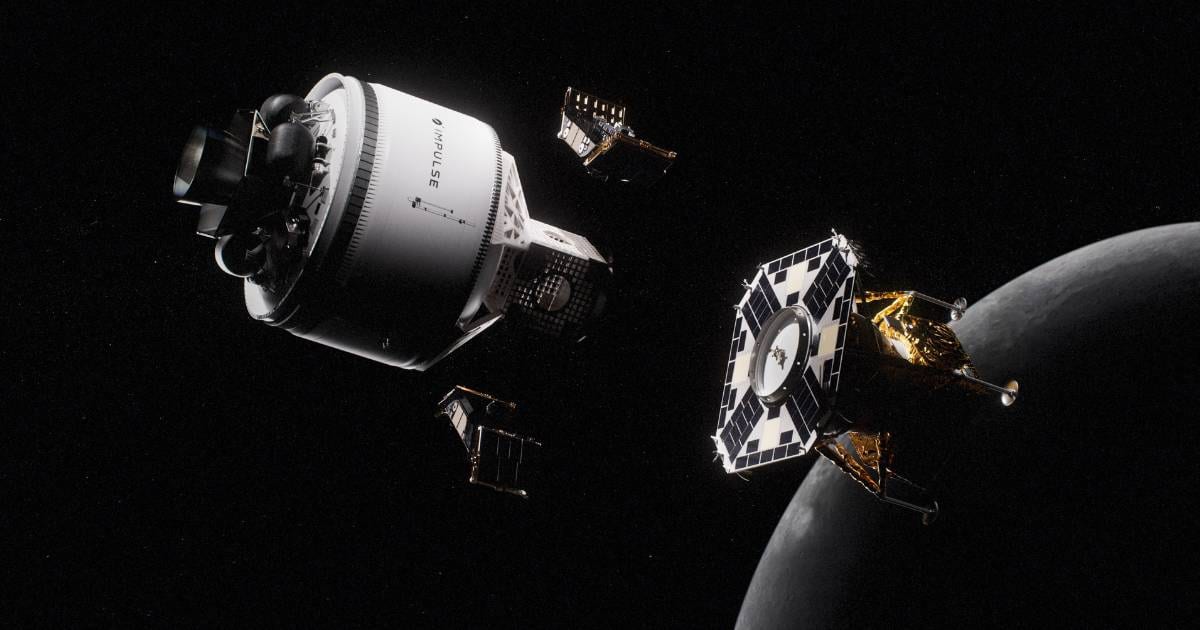
The machine ASTRA reached low-Earth orbit as one of 10 payloads on a spacecraft called Vigoride 7, which launched as part of SpaceX’s Transporter-16 mission. The robot is a mechanical arm that picks up rods (called struts) and connectors (called joints). Then it snaps them into a truss, which is a framework that works like a skeleton for a larger structure. For the construction, the robot built a reflector antenna about 4.6 feet (1.4 meters) across, made from composite fiber tubes, aluminum joints, and a Kapton reflective surface. It was only able to build the initial section.
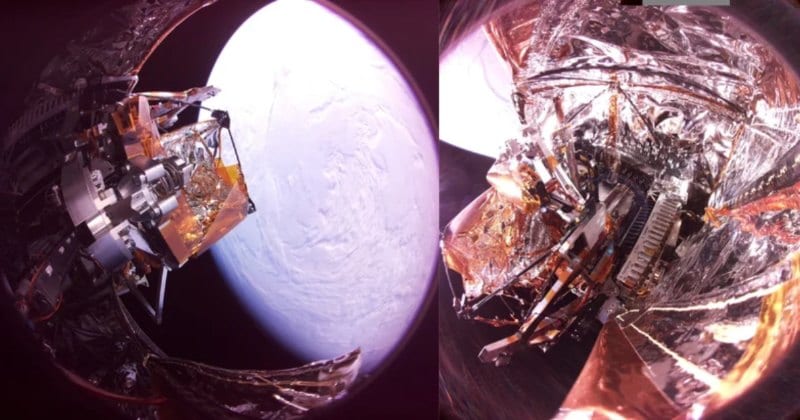
Commenting on this achievement, Pellegrino, who is also co-director of the Space Solar Power Project, said, "Developing a payload of this complexity on such a short timeline was an enormous undertaking for our small team.” He added, "As we wrap up the mission, we are finally able to start thinking about the new avenues of research opened by this demonstration."

How did the team guide the robot from Earth?
To build the structure, the research team members sent commands through the Vigoride spacecraft and checked the results against photos downloaded from space. This process was repeated to ensure there were no problems. “That’s basically the reason you do proof-of-concept testing. There are a lot of differences in the space environment compared to down on Earth,” explained Jaden Suh, a former Caltech postdoctoral scholar on the team.

“There are always lots of little surprises.” The team was only able to talk to the robot during about seven or eight windows a day, and each of them lasted roughly 15 minutes. “Every time we confirm there is an issue in space, we come to the laboratory and try to mimic the problem on the ground,” noted Charles Sommer, a former Caltech systems engineer on the team.
What comes next for building structures in space?
According to the official release, the mission is expected to come to an end in December, and it appears unlikely that it will complete the full truss. Still, the team has shared that it has learned enough to show the approach is viable, though the design still needs to be simplified and refined. As of now, ASTRA is one of only two NOM4D projects to reach the small-scale orbital demonstration phase.
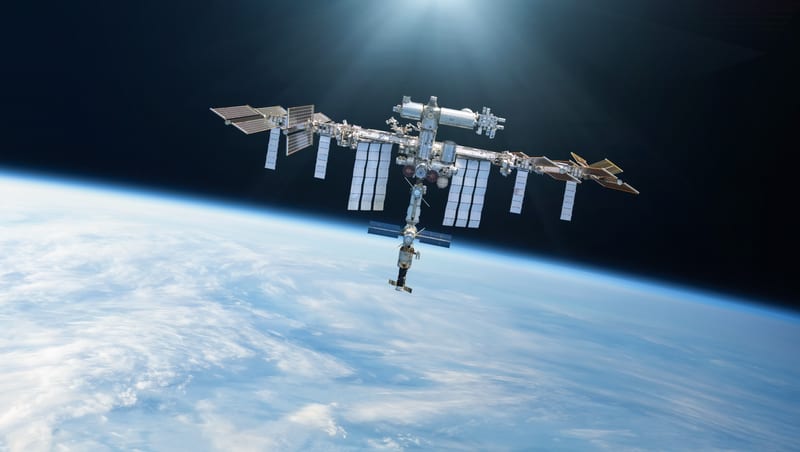
The second project, led by the University of Illinois Urbana-Champaign, plans to test a way of hardening carbon tubes in space. This will be done with the help of a module attached to the International Space Station. “Once you get to the size limit where structures cannot be prebuilt on the ground and unfolded, you have to think about how to build them in space,” Pellegrino noted. “So, this work could be useful not only for astronomy and astrophysics but also for communications and other areas, such as building very large solar arrays for space solar power.”