NASA is hiring astronauts for missions to the Moon and beyond—eligibility, deadline, and more
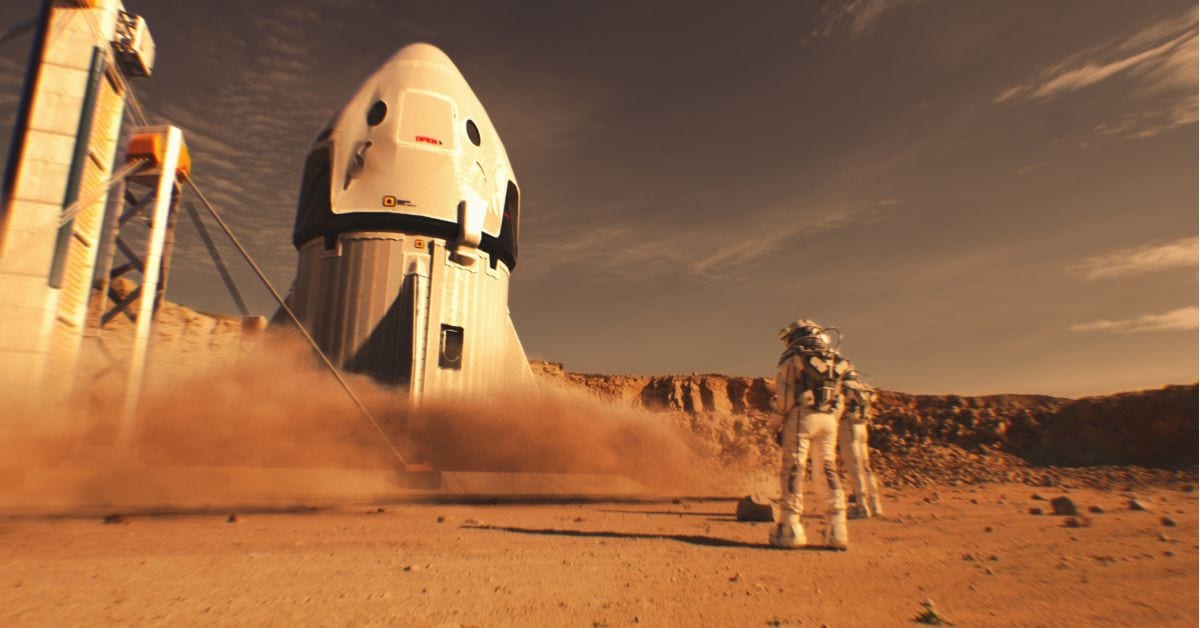
As NASA's MAX POWER expo kicked off on the weekend, the agency announced a fresh batch of hiring for astronauts, opening applications up to aspirants for the first time since 2024. The new batch of astronauts, who will be finalized by late 2027, will help NASA with its Moon Base as the agency seeks to establish a long-term human presence on the Moon. Here's everything you need to know.
How to apply
NASA's recruitment drive for astronauts is open only to U.S. citizens, and those interested in joining the astronaut corps have until 11:59 p.m. EST on December 3, 2026 to apply. While the deadline will end this year, candidates will be screened and the final announcement of those selected is expected by late 2027, the agency said.
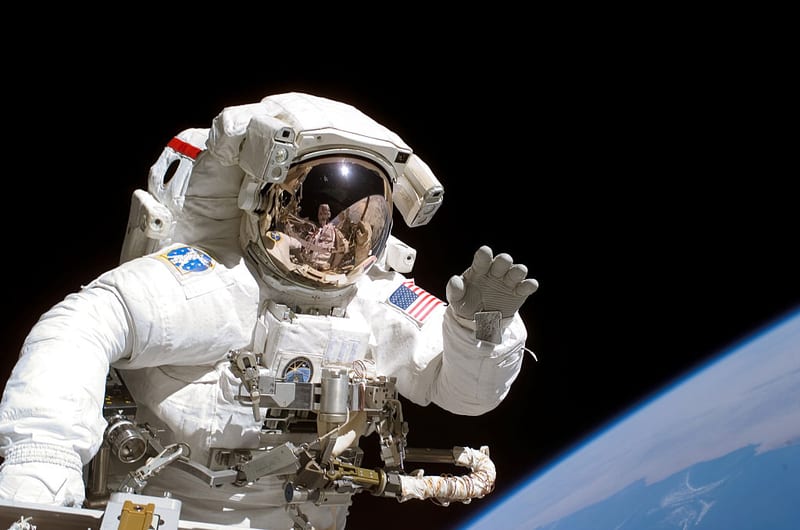
Speaking about the recruitment drive, NASA Administrator Jared Isaacman said, "This is an extraordinary time to join NASA’s astronaut corps," adding, "The people we select could walk on the Moon, live and work at the Moon Base, and help pioneer the systems and operations that will ultimately carry crews to Mars. Those missions will demand technical excellence, sound judgment, teamwork, and courage."
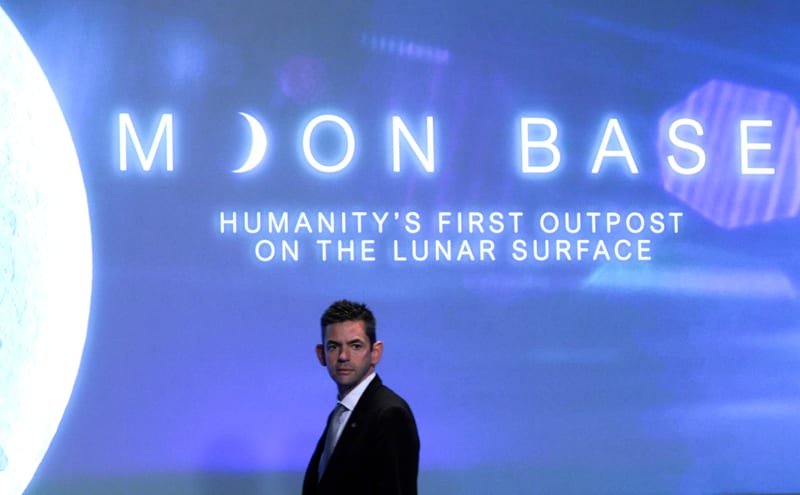
"NASA’s astronaut corps has always called on remarkable Americans willing to take on extraordinary challenges in service to the nation. If you are ready to join that tradition, come help write the next chapter of humanity’s greatest adventure," Isaacman further said, urging eligible Americans to apply.
Eligibility for NASA's astronaut program
While any U.S. citizen can apply for the job, it requires a special set of skills to become an astronaut. NASA specifies that an applying aspirant must have at least a master's degree in a STEM field and at least three years of professional experience. Although master's degree holders are eligible, NASA adds that candidates with two years of work towards a doctoral program in a related technical field such as engineering, biological science, or mathematics can also apply, as can medical degree holders. In lieu of master's degree, NASA also states those completing a nationally recognized Test Pilot School program can apply, provided the program is completed by July 2027. The agency also lists a requirement for a bachelor's degree in a STEM field for test pilots who may not have advanced degrees.
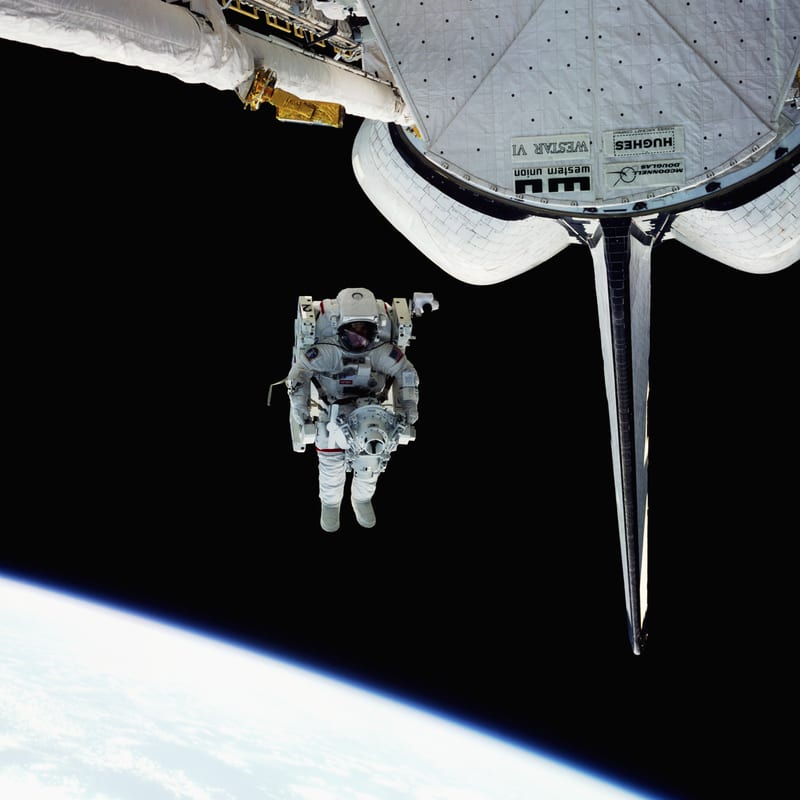
As for the required professional experience, candidates are expected to have at least 750 hours of pilot-in-command time on high-performance jet aircraft, or 1,500 hours (including 750 as pilot) on other fixed winged aircraft. Alternatively, candidates with at least 1,000 hours of flight time (with at least 300 as pilot) on rotary-wing aircraft can also apply.
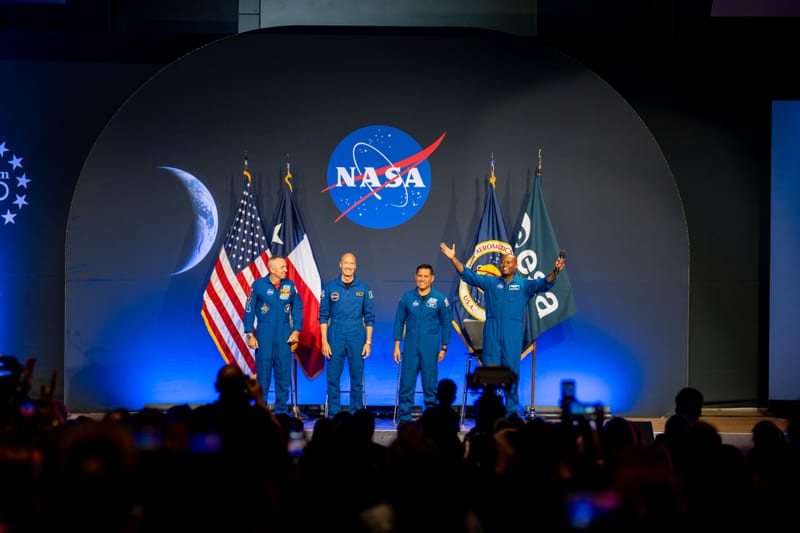
While NASA carries out astronaut recruitment drives every few years, very few actually make it to the coveted astronaut corps. Since its inception in 1958, only 370 people have been selected to train for the astronaut corps despite applications coming in the thousands. NASA last opened applications for the astronaut corps back in 2024, and at the time received over 8,000 applications. However, from all the aspirants, only 10 were selected to join the astronaut corps in 2025, and the selected candidates are still undergoing the necessary two-year training.
Job responsibilities
In addition to carrying out spaceflight missions as assigned, NASA's new astronauts will, like the others, have responsibilities in the astronaut office, including assisting fellow astronauts in their duties and advising technicians on the development of new spacecraft. Space-specific responsibilities include carrying out operations in low Earth orbit, the Moon, and beyond, including conducting research experiments, extra vehicular activities (EVAs), and ground support tasks.
What selected candidates can expect
While NASA broadly states that the selected astronaut candidates will have a role to play in the construction of the Moon Base, the agency also notes that fresh astronauts will be sent on "increasingly difficult missions" to the South Pole of the Moon in the years to come as it seeks to establish a long-term presence on our only natural satellite. The specifics of said missions, however, have yet to be announced and more updates can be expected from the agency as the recruitment process carries on.
More on Starlust
NASA announces CapeWeek, The Great American Aerospace and Technology Expo, set for 2028
AST SpaceMobile to build its own reusable 20-ton rocket using Firefly's engines, eyes 2028 debut