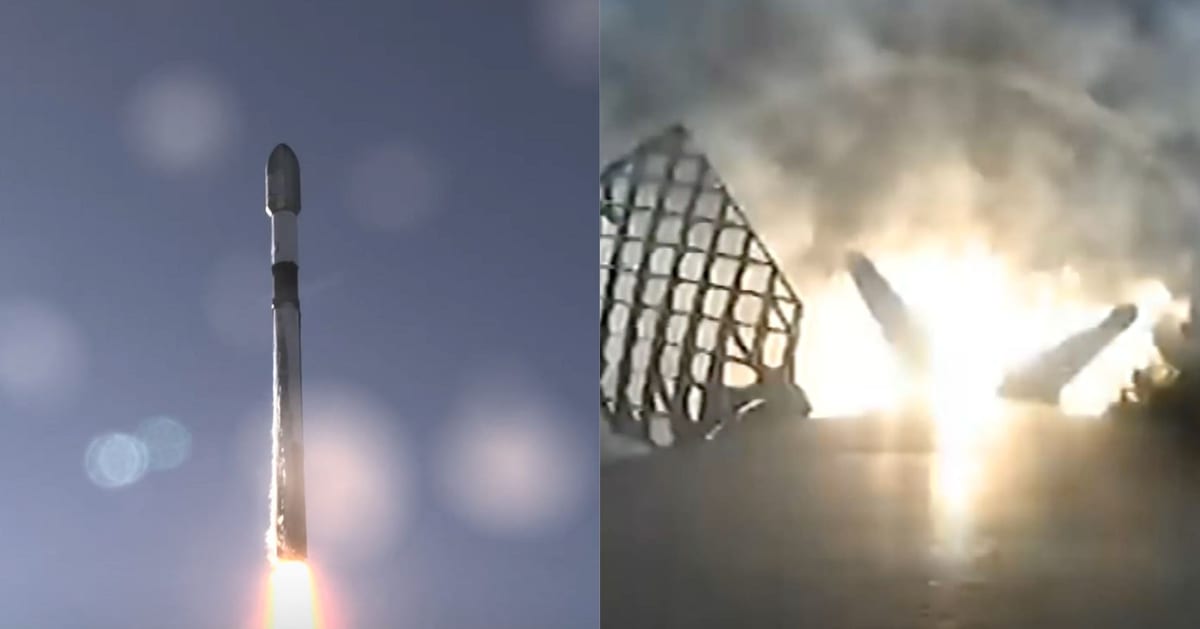
Google’s AI chips are heading to space on a SpaceX Falcon 9: Date, time and key details
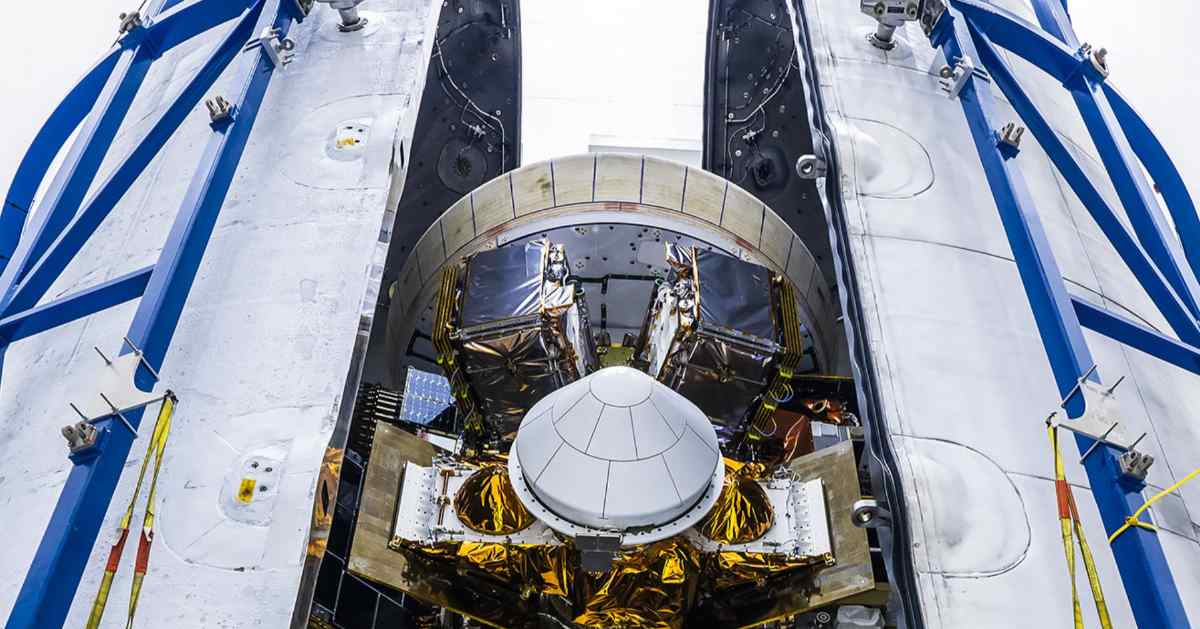
Transporting machine learning into space is, without a doubt, revolutionary, and was unimaginable just a few years ago. Though we are still a long way from achieving this vision, Google is taking tiny steps towards it through its Project Suncatcher. As announced by the company last week, tech giant will launch a prototype satellite—a part of Project Suncatcher—aboard SpaceX's Transporter-18 rideshare mission on Thursday, October 1. The satellite, which be launched using a SpaceX Falcon 9 rocket, was co-designed by Planet, a San Francisco-based Earth-imaging company, which has partnered with Google on the project.
We’re sending TPUs to space (yes, really).
— Google (@Google) September 24, 2026
After years of research, we’re launching a satellite to evaluate if and how Google Tensor Processing Units (TPUs) hold up in orbit.
The test mission, as part of our latest moonshot — Project Suncatcher — is designed to gather data… pic.twitter.com/LaPuYonb3w
The first real test of Project Suncatcher, the mission will carry four Google chips known as tensor processing units (TPUs) and aims to collect actual in-orbit data on how these TPUs withstand the physical stress of spaceflight, and more importantly, the radiation and extreme temperatures in space.
Challenges for AI hardware in space: Withstanding radiation and extreme temperatures
Cooling is a major hurdle for operators of orbital data centers. Because space is a vacuum, there is no air to carry away heat, completely preventing convective cooling—the standard cooling technique in conventional data centers on Earth. To handle this, the Google team is using a cooling method involving a combination of heat pipes and radiators. The team previously tested the technology in a thermal vacuum chamber that can reproduce the thermal and vacuum conditions of space, with the final test being targeted in actual space conditions during the upcoming flight.
Radiation is another big concern for electronics in space. To resolve this, Google has exposed its TPUs to radiation in ground-based testing and discovered that the chips can endure a radiation dose exceeding what they would encounter during a five-year space mission. The upcoming orbital launch on Thursday will provide a more realistic test.
The vision behind Project Suncatcher: Powering machine learning in space
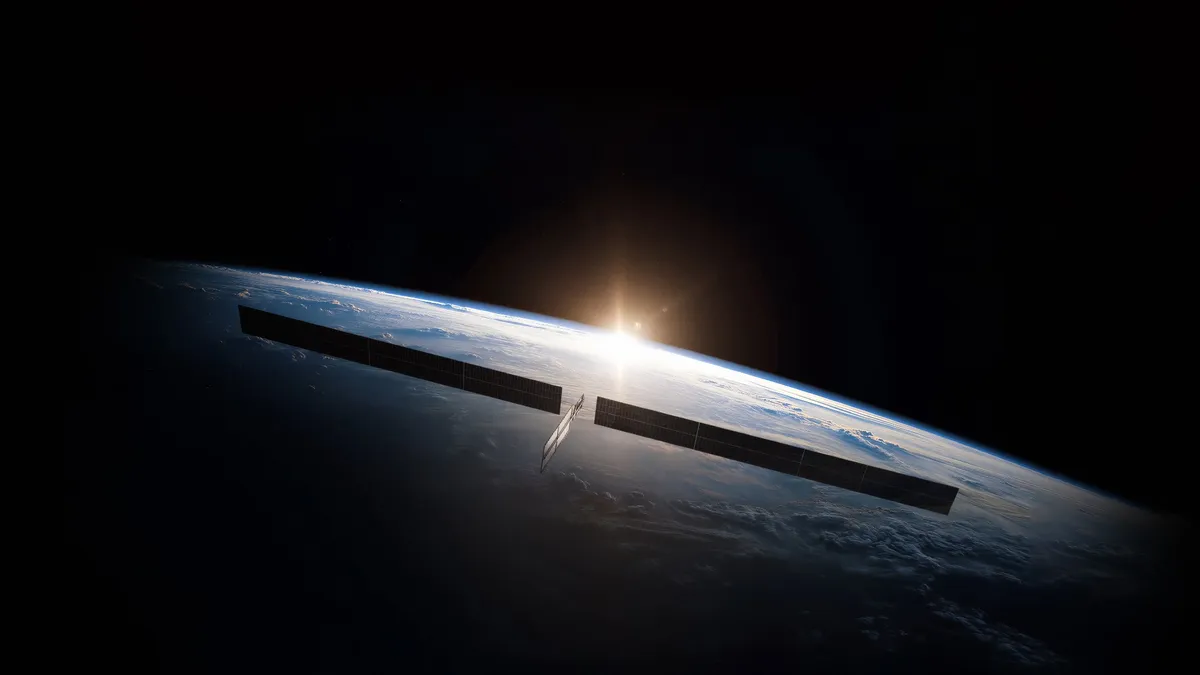
The vision behind Project Suncatcher is based on the following concept: a solar panel in space can produce up to 8 times more power than one on Earth since the satellites in low Earth orbit can access near-constant sunlight.
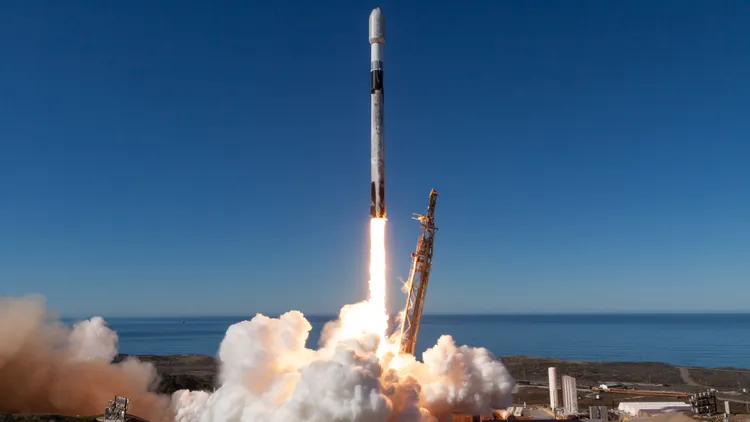
The mission on Thursday is only an initial experiment, rather than a functioning orbital data center. As Google states in its blog post, "Just as early research into autonomous driving and quantum computing required years of experimentation before we got to practical systems, exploring compute in space begins with measured, deliberate steps."
Can our TPUs survive and operate in space? Well, we're going to find out.
— Sundar Pichai (@sundarpichai) September 24, 2026
Project Suncatcher is hitching a ride aboard @SpaceX's Transporter-18 mission, testing a prototype satellite built in partnership with @planet
One small step for TPUs.... pic.twitter.com/FuZoj7c0Hl
In the future, the vision becomes bolder: The company states that by eventually connecting multiple satellite constellations, we can enable them to process larger AI workloads in orbit. Therefore, upcoming satellite designs by Google will consist of dozens of TPUs per satellite, with the satellites orbiting the Earth in clusters. In order to process larger AI workloads, these satellites must be linked to each other, and for this, every satellite must have information on its own position and where it sits relative to its neighbors. Google plans to achieve this by making satellites communicate via lasers. Such linking calls for remarkable precision—Google compares it to hitting a coin-sized target from miles away with both points being in motion. The company is planning to test this laser-based communication in 2027 when it places two satellites in orbit.
Google is not alone in the race to put AI data centers in space. SpaceX CEO Elon Musk recently stated, "Global electricity demand for AI simply cannot be met with terrestrial solutions, even in the near term, without imposing hardship on communities and the environment. In the long term, space-based AI is obviously the only way to scale." SpaceX's vision is even bolder than that of Google, with the company planning to operate a mega-constellation of up to a million AI satellites—called Starmind—in Earth orbit, with the construction possibly commencing as early as next year.
The amount of compute in space will obviously round up to 100% of all compute https://t.co/BJJhy1JQ1t
— Elon Musk (@elonmusk) September 24, 2026
Hence, the concept of AI computing in space is slowly shifting from science fiction toward practical engineering. That said, before orbital data centers turn into reality, significant technical and economic hurdles exist, which need to be overcome.
More on Starlust
Earth orbit headed towards overcrowding? Latest ESA report raises alarm amid uptick in launches
AI flying a spacecraft? U.S. firm AstroForge to launch fully autonomous mission in 2027