SpaceX's Starship achieves orbit for the first time despite engine failure, deploys all 26 Starlink V3 satellites
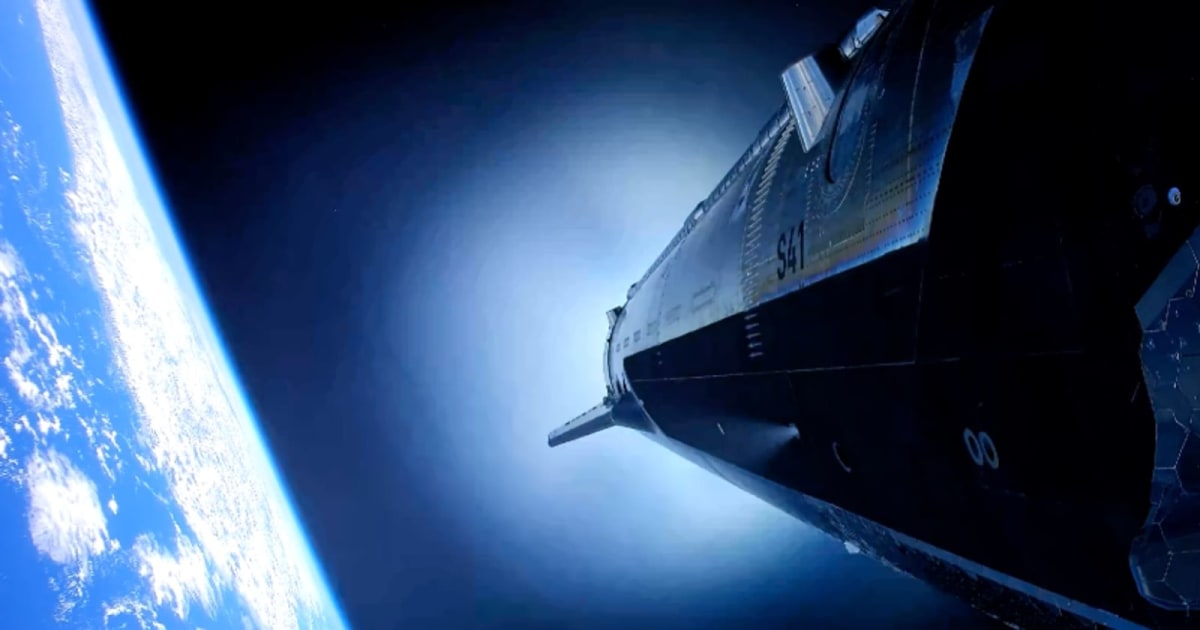
SpaceX scripted history on September 28 as its mega rocket Starship reached orbit despite setbacks. The 407-foot-tall vehicle lifted off at 7:48 am CDT from Starbase, Texas, kickstarting its most ambitious mission to space yet. While everything went largely smoothly, the Super Heavy booster suffered an engine shutdown early; one of the Raptor engines went offline just a couple of minutes after the liftoff. The rocket still powered on, generating over 18 million pounds of thrust, and executed a successful stage separation and a splashdown into the Gulf of America, achieving all its objectives. Click here for live updates on the mission.
Starship performs its orbital insertion burn and enters orbit of Earth for the first time pic.twitter.com/LodrSTnEnl
— SpaceX (@SpaceX) September 28, 2026
Although the trouble didn’t stop just here. The upper stage (Ship 41) also faced engine issues and one of its six Raptor engines shut down, but SpaceX spokesperson Dan Huot announced that the spacecraft will continue on its orbital trajectory. About 25 minutes into the flight, Starship was in orbit, flying at an altitude of 170 miles (275 km).
The @Starlink team has made contact with all 26 satellites https://t.co/qiAubuhytS
— SpaceX (@SpaceX) September 28, 2026
Apart from achieving this primary objective, the Ship also successfully deployed all 26 Starlink satellites over the course of 30 minutes. The confirmation was made a little over an hour after liftoff and a few minutes later, the Starlink team confirmed it had established contact with all the satellites. SpaceX CEO Elon Musk also said that the deployment is done and all satellites are operating nominally. Three of them were equipped with a suite of cameras to collect imagery of the upper stage’s heatshield while it was in space.
Starship mission cut short
Ship 41 was supposed to coast in space for approximately ten hours before deorbiting and splashing down in a designated area in the Pacific Ocean west of Chile. SpaceX, however, announced it would deorbit it just three hours after assessing system health. “Flight teams will deorbit Starship safely to our pre-cleared area of the Pacific Ocean after 3 hours in orbit,” the company posted on X.
Starship is preparing for its deorbit burn pic.twitter.com/431iz2S60G
— SpaceX (@SpaceX) September 28, 2026
A little over two hours post liftoff, SpaceX confirmed that the deorbit burn was complete. “Starship is on course to reenter Earth’s atmosphere ahead of a planned splashdown in the Pacific Ocean in ~1 hour,” it said. If it wasn’t for the anomalies, Ship 41 would have made six orbits of Earth before the splashdown.
The mission, however, has already been extremely fruitful for the SpaceX team as the data gathered in orbit would help it advance toward Starship’s full reusability—a significant hurdle that needs to be crossed before the rocket lands astronauts on the Moon. This year, Starship has launched three times, but none of the missions have ended without any hiccups. Earlier today, Musk said that Starship is just two to three years from hourly flights but it has a long way to go before it could achieve such launch cadence. SpaceX has also been promoting its upcoming Starbase Louisiana facility where Starship will achieve 30 launches per day possibly by early next decade.
More on Starlust
Google’s AI chips are heading to space on a SpaceX Falcon 9: Date, time and key details