NASA shares Moon Base updates at the MAX POWER expo, including a nuclear-powered rover and new lander deals
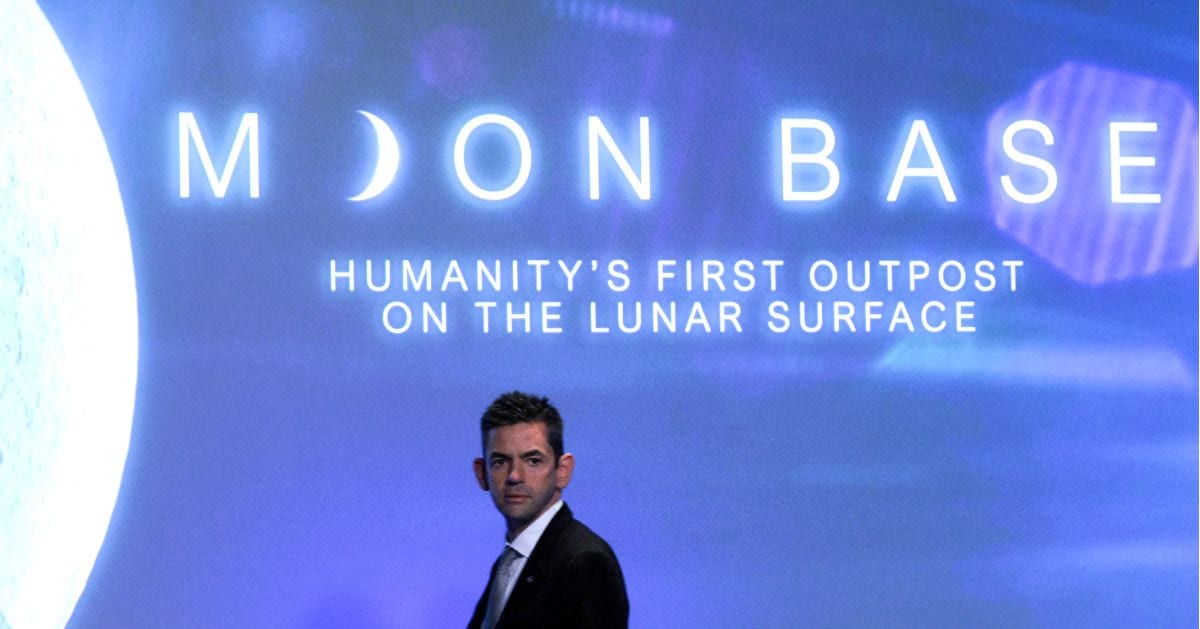
A permanent lunar base will need much more than just astronauts. It will need reliable supply transport, power systems, scouting vehicles, and much more. And to turn this ambitious vision into reality, NASA has announced major updates to its contracts and lunar landers that will fill gaps in its Moon Base program. The details were shared during the agency’s two-day MAX POWER aerospace expo, which is currently being held at the Kennedy Space Center in Florida and will run till November 08, 2026.
More momentum for the Moon Base! NASA has awarded six new launch and in-space transportation task orders to American companies, advancing the capabilities for future missions supporting Moon Base such as CAPSTONE 02, LCRNS, and MoonFall.
— NASA Moon Base (@NASAMoonBase) November 7, 2026
As part of its latest update, NASA selected eight companies for the next stage of its Commercial Lunar Payload Services program, known as CLPS. These are the companies that will help build and take payloads from Earth to the surface of the Moon. With this, the first elements of the Moon Base will already be on the surface when astronauts return with Artemis IV. According to the announcement, the selected group is Blue Origin, Firefly Aerospace, Intuitive Machines, iSpace US, Lockheed Martin Space, Northrop Grumman Space Systems, SpaceX, and Voyager Technologies.
Voyager has been selected for @NASA CLPS 2 contract, making it eligible to compete for future lunar missions through 2036 under a $10 billion base ceiling. The selection expands its role in the Moon Base Program as Griffin-1 prepares for launch to the lunar South Pole. Learn more at https://t.co/POij0YHyii. $VOYG #AcceleratingtheAdvantage #MissionReady
— Voyager Technologies (@voyagertech_) November 7, 2026
NASA Administrator Jared Isaacman said, “We are building the Moon Base mission by mission. Today’s announcements expand nearly every part of that campaign, using the playbook that carried NASA through its greatest eras: fly often, learn, apply those lessons, and get more better and more capable with every mission. When our astronauts return to the Moon, they will arrive with the first elements of the Moon Base already waiting for them on the surface.”
New awards. New mission updates. More progress toward a Moon Base. We're advancing commercial lunar deliveries, a nuclear-powered rover, launch and orbital transfer services, and infrastructure to support a sustained human presence on the Moon: https://t.co/Yt7oqpvLk5
— NASA Moon Base (@NASAMoonBase) November 7, 2026
Meet PROMISE, NASA's new nuclear-powered lunar rover
During the live event, NASA also revealed PROMISE (Polar Rover for Observation, Mapping, and In-Situ Exploration), which is the agency’s six-wheeled lunar rover. This rover will run on nuclear power, and it is expected to keep working through the long lunar nights as well as in the permanently shadowed regions of the Moon.
NASA is moving forward with PROMISE, a nuclear-powered lunar rover that will build on decades of Mars rover innovation to explore the Moon's South Pole region, advance lunar science and discovery, and support Moon Base objectives. NASA has selected @blueorigin to deliver PROMISE to the lunar South Pole region. https://t.co/wqmilks2dG
— NASA Moon Base (@NASAMoonBase) November 7, 2026
The rover will be built by Jet Propulsion Laboratory from spare flight parts and engineering test models from the Curiosity and Perseverance Mars rovers, and this will lower costs and speed up testing. PROMISE will have an inbuilt drill that will help pull up lunar dust from about 3 feet (1 meter) down. Blue Origin has also received a $94 million base contract (plus a $140 million option tied to performance) to deliver the rover with its Mark 1 lander.
NASA has selected industry partners to provide components for a new communications and solar tower, known as miniCAST, that the agency will build to demonstrate power and communications capabilities in the Moon's South Pole region. It's another step toward developing the infrastructure needed to support a sustained human presence on the lunar surface.
— NASA Moon Base (@NASAMoonBase) November 7, 2026
Starship's role in NASA's Moon plans
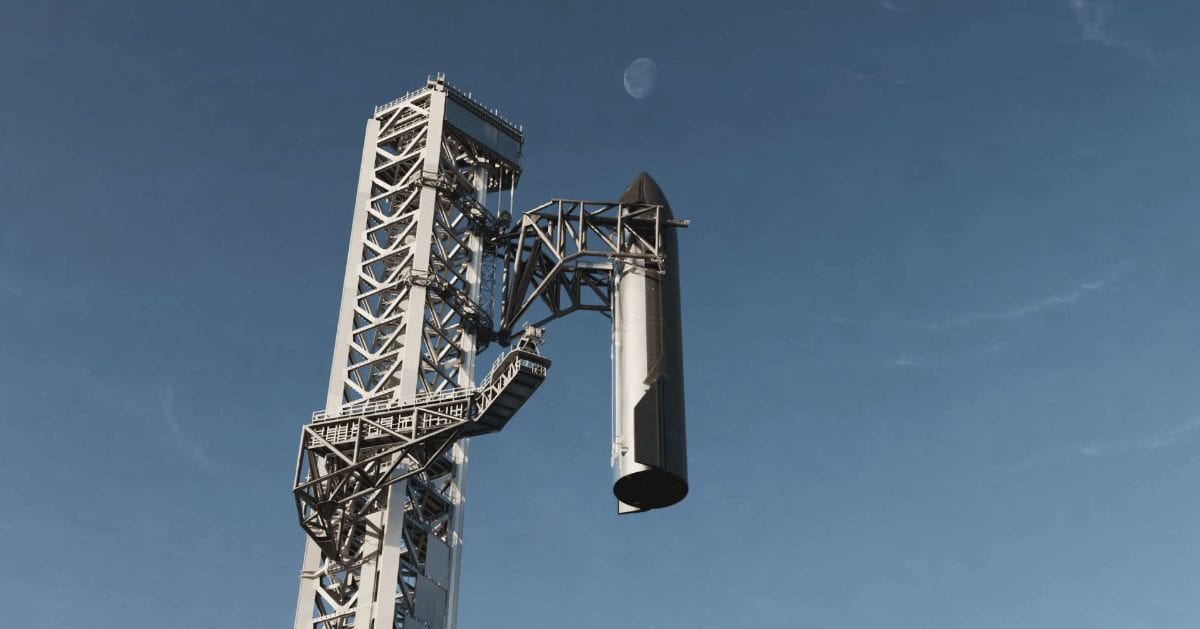
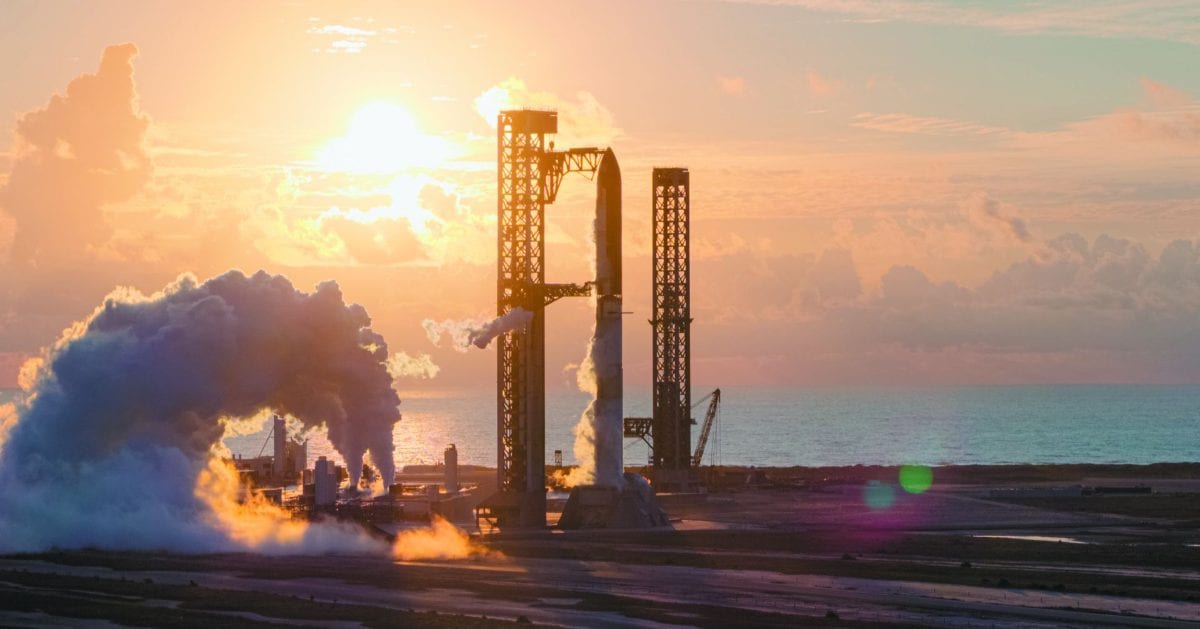
A communication network is one of the major parts of creating a sustainable presence on the Moon and in space. And here, SpaceX’s Starship will play a big role. SpaceX will launch communications satellites aboard a Starship in the region between Earth and the Moon in 2028. On the surface, Honeybee Robotics, Redwire, and Yank Technologies will supply energy storage, power generation, and wireless power transfer for a solar tower called miniCAST.

And there’s more. According to the space agency, the work on miniCAST will begin within months. A separate call for fully integrated power systems is expected in early 2027. NASA is also planning a NextSTEP-3 B (Next Space Technologies for Exploration Partnerships) call to fill data gaps in Moon Base planning. This could involve small spacecraft, payloads on future flights, or purchased commercial data.
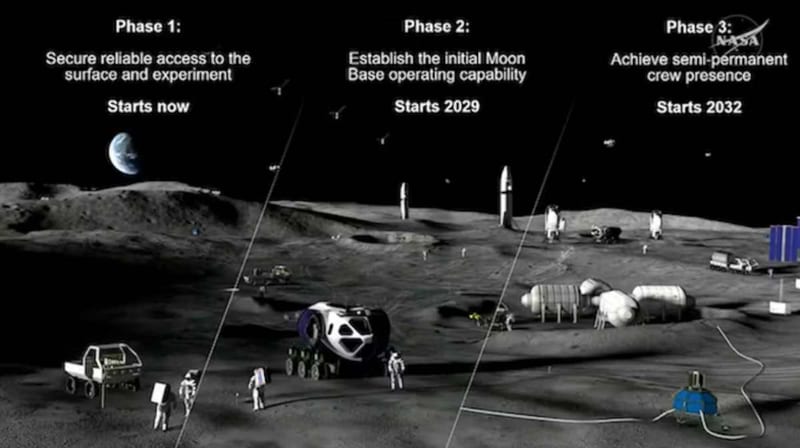
Carlos García-Galán, manager of the Moon Base Program, said, “In the eight months since Ignition, we’ve made incredible strides in accomplishing the near-impossible: establishing a permanent outpost on the lunar surface.” He added, “We’ve consolidated numerous efforts into a streamlined program, evolving our human exploration architecture into an iterative and sustained campaign for Moon Base technology development and implementation. Most importantly, we’ve taken action, awarding new contracts and forging new partnerships to accelerate development.”