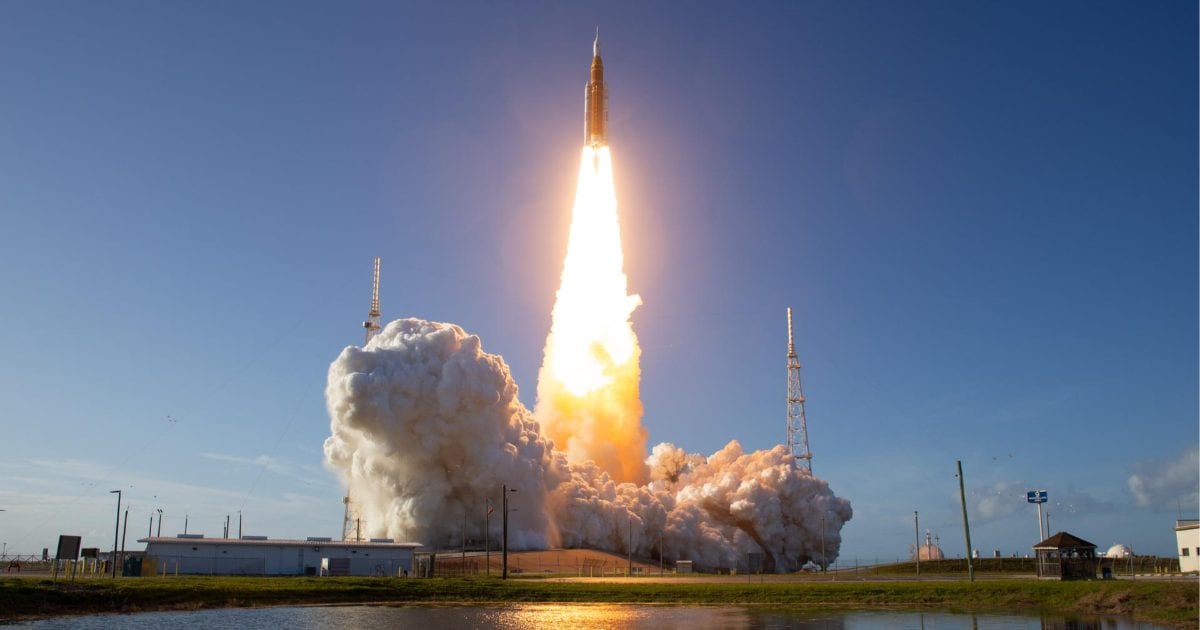
AST SpaceMobile to build its own reusable 20-ton rocket using Firefly's engines, eyes 2028 debut
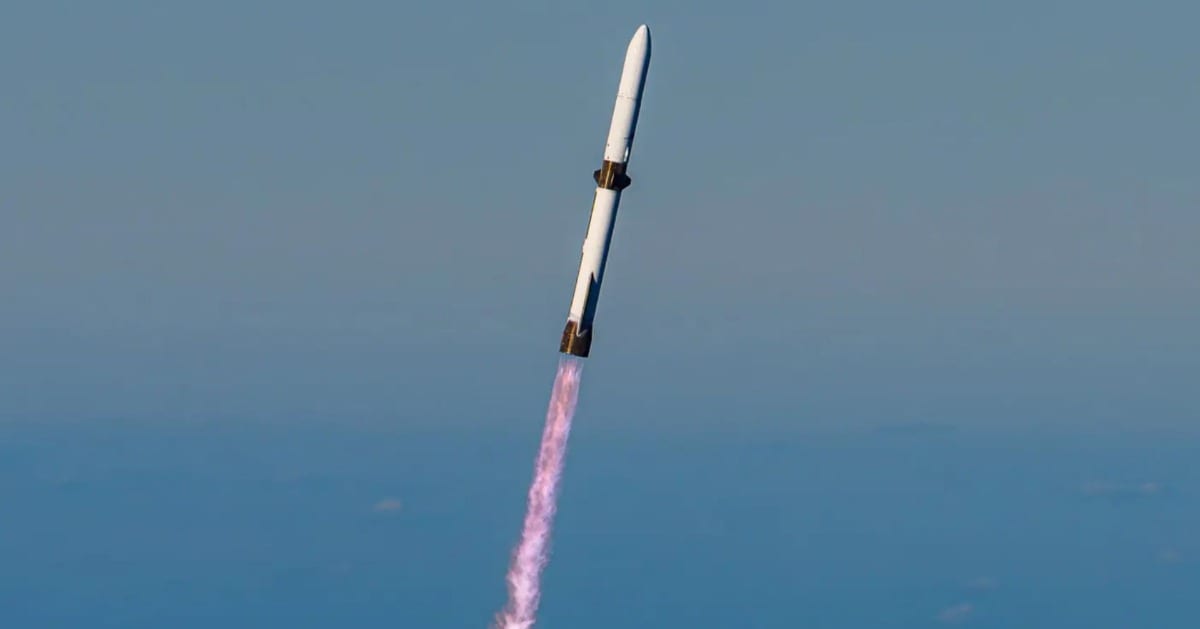
Texas-based AST SpaceMobile is trying to be more self-reliant. The satellite company announced on Friday, November 6, that it is going to build 'Blacklift'—a medium-lift rocket designed for reusability—to deliver its BlueBird satellites into low Earth orbit, starting in late 2028.
AST SpaceMobile to Build Own 20-Ton Rocket to Deploy BlueBird Satellites in Low Earth Orbit Using Miranda Engines from Firefly Aerospace. https://t.co/QhsuaWTFFE #ASTSpaceMobile #Broadband #ConnectingtheUnconnected #BlueBirds #Blacklift https://t.co/lAhT0Eelcp
— AST SpaceMobile (@AST_SpaceMobile) November 6, 2026
"The Blacklift rocket is the springboard to significantly expand our total addressable market, providing AST SpaceMobile with regular unconstrained access to orbit and providing for most favorable owners’ economics in the industry," Founder, Chairman, and CEO Abel Avellan said in a statement. "This will accelerate our mission to build a new layer of global connectivity, extending connectivity beyond terrestrial networks and helping to bring AI-enabled services wherever people live, work, and travel." The 20-ton capacity rocket, the company says, will be able to launch up to five BlueBird satellites at once.
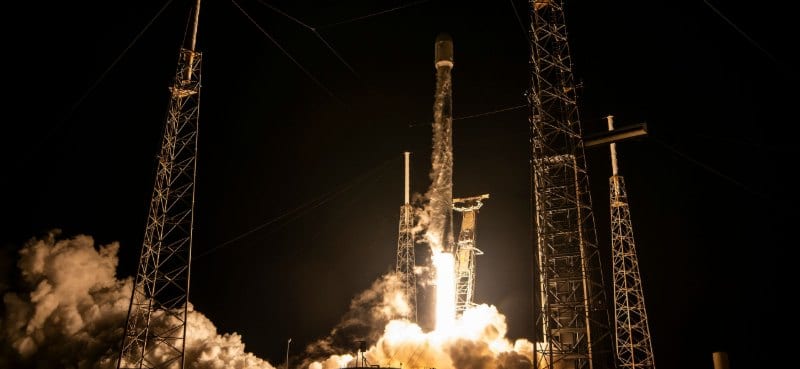
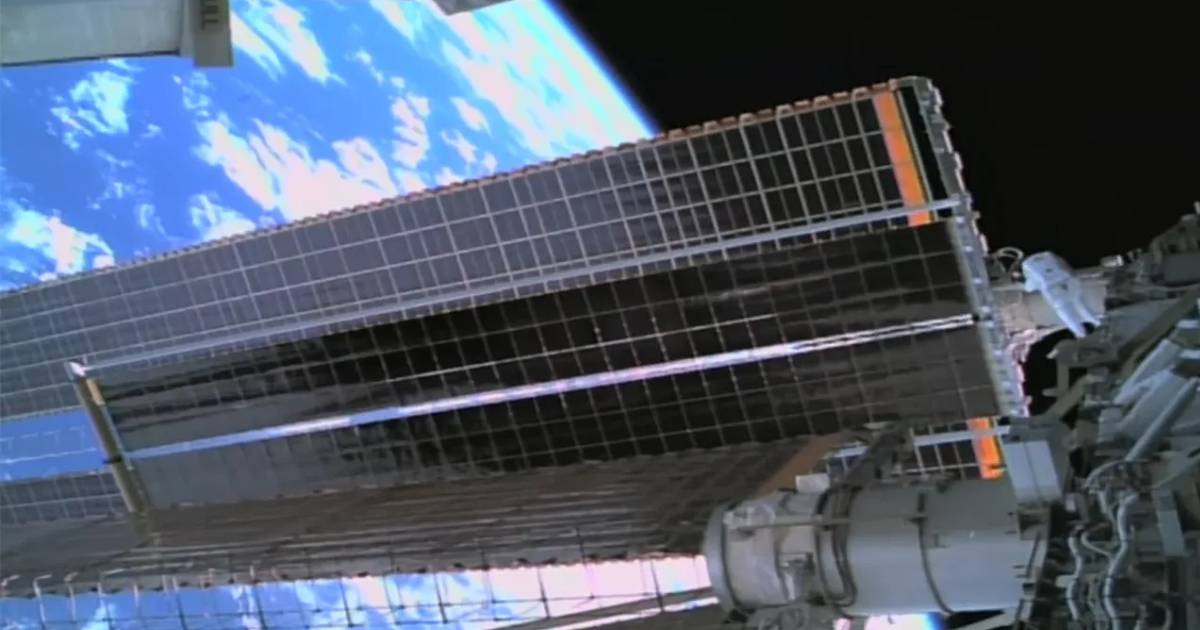
The next-generation BlueBird satellites are designed to deliver cellular broadband directly to smartphones and feature arrays spanning almost 2,400 square feet—the largest commercial phased arrays operating in low Earth orbit. So far, the company has launched 13 of these satellites (including 5 first-generation ones featuring 693-square-foot arrays) atop SpaceX's Falcon 9, Blue Origin's New Glenn, and ISRO's LVM-3.
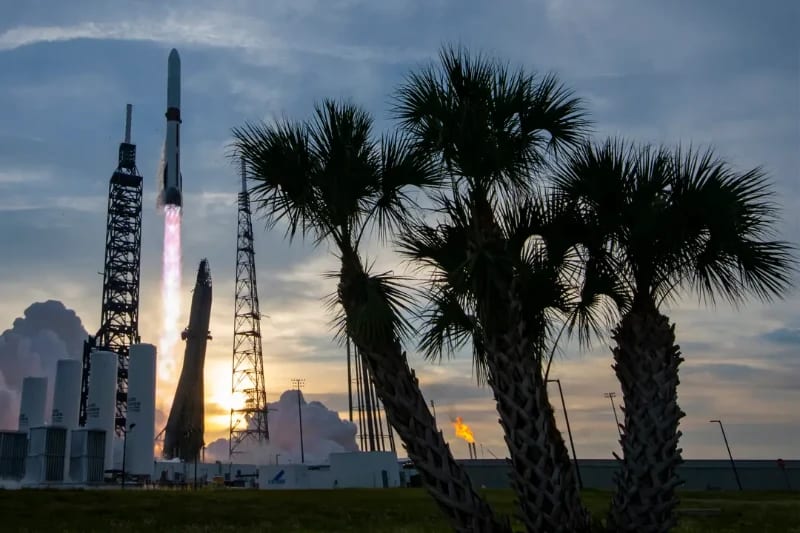
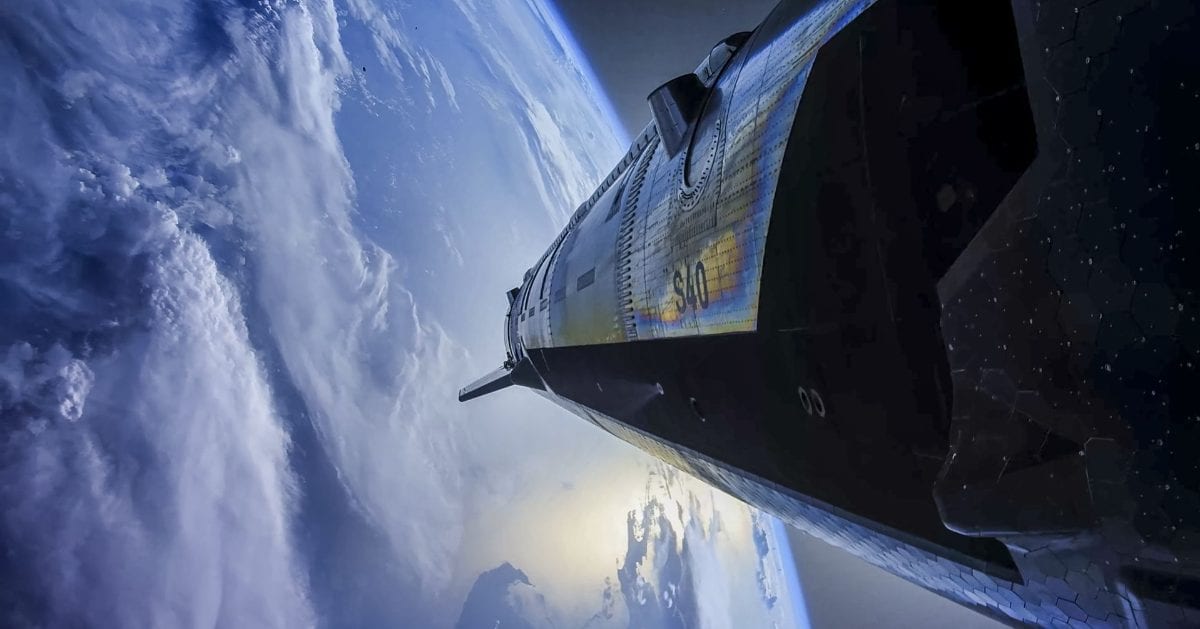
But the launch vehicle landscape is headed for a crisis, especially with SpaceX planning to wind down its Falcon series once the Starship rocket becomes fully operational. SpaceX has also reportedly told the U.S. government that it is going to stop all commercial launches after 2028, with Falcon 9 flying select federally contracted missions after that and Starship prioritizing the company's own payloads, such as the Starlink V3 satellites and Starmind AI data centers.
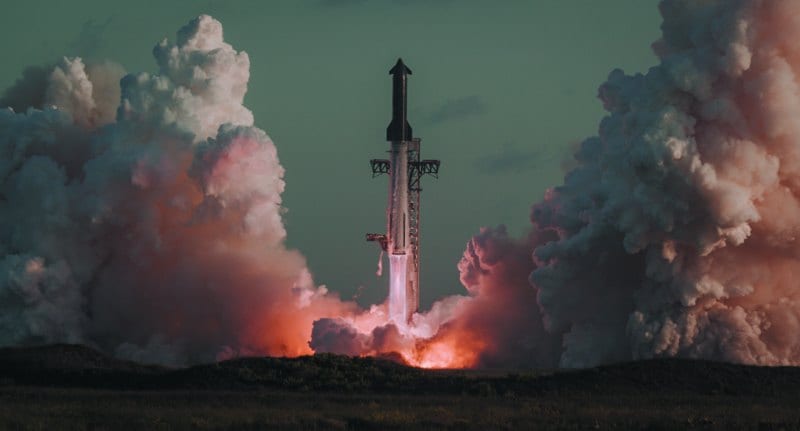
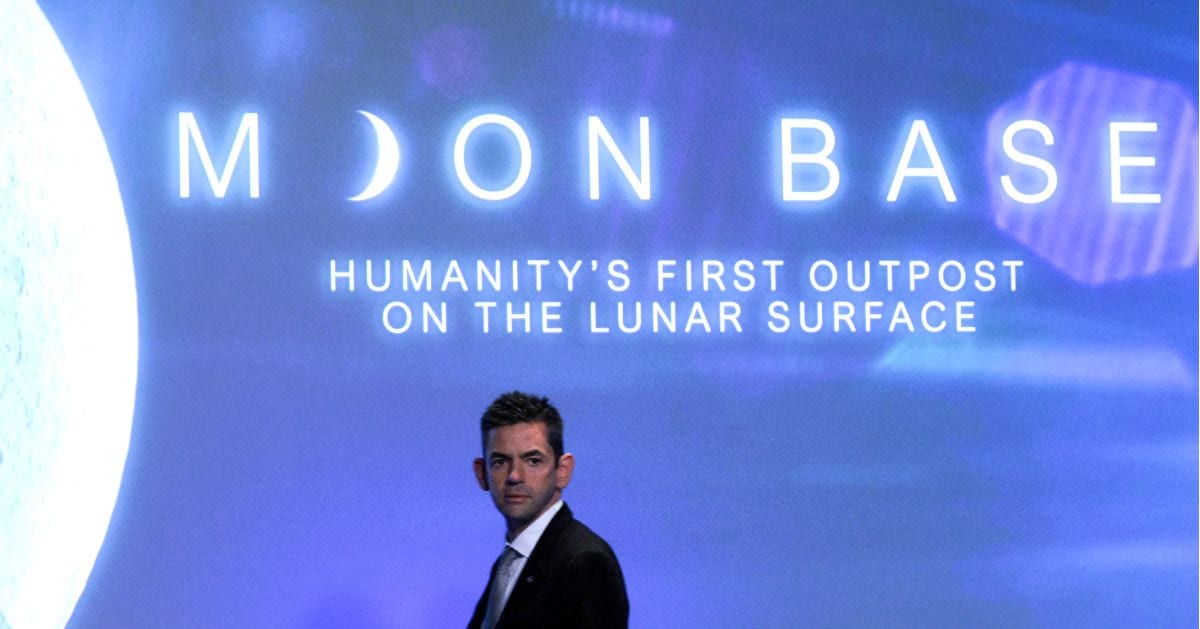
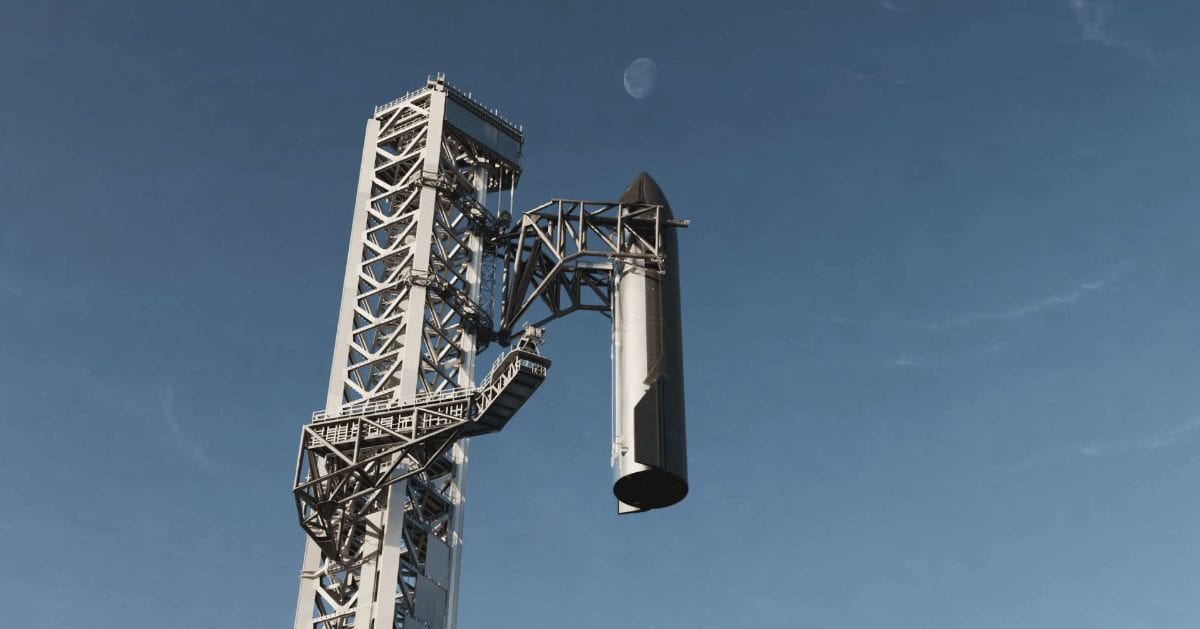
So it's understandable why AST SpaceMobile would want to build its own rocket. Just last month, Cowboy Space also unveiled the 282-foot-tall Big Iron rocket, which will have a reusable first stage and will allow the company to build a constellation of 20,000 AI data centers in low Earth orbit. Like Blacklift, Big Iron's first launch is also targeted for 2028.
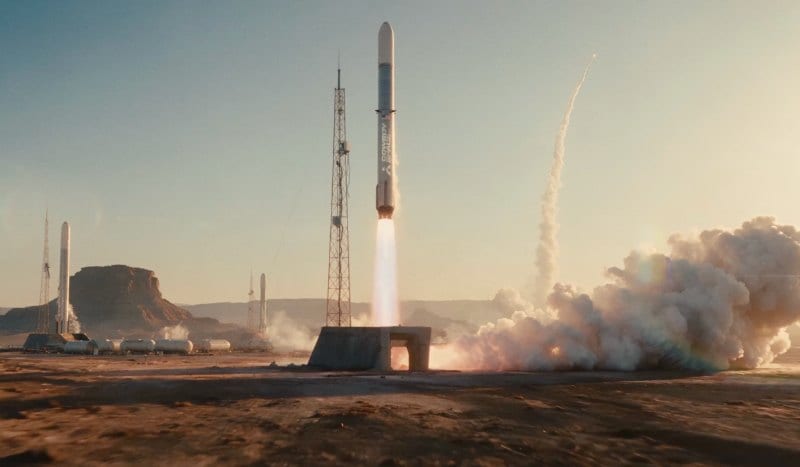
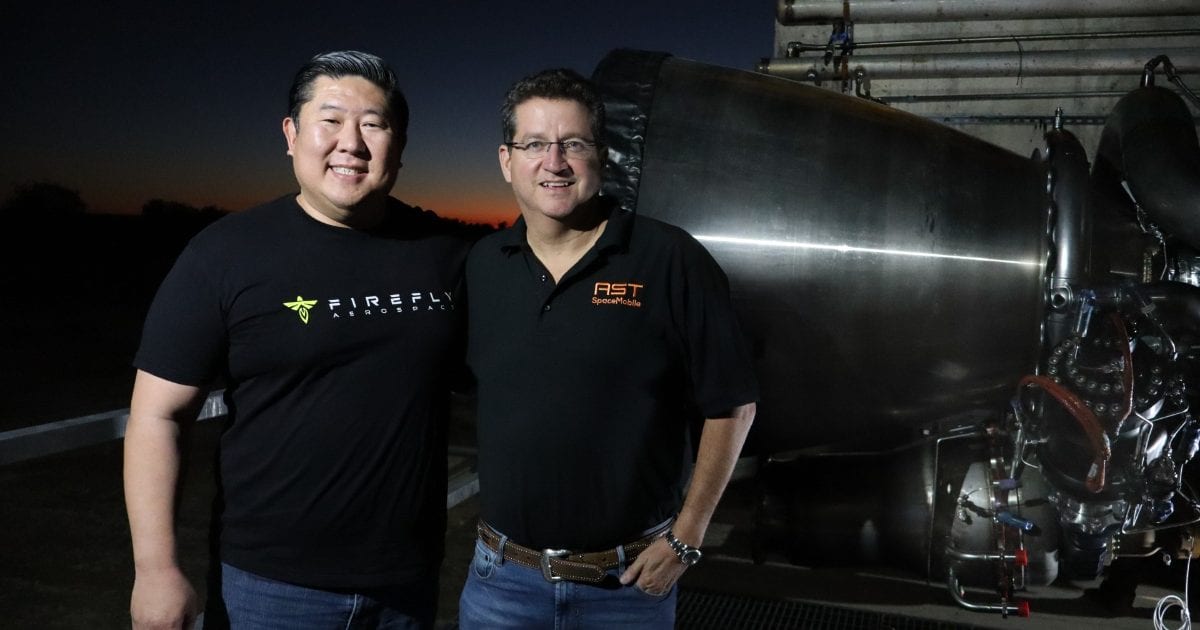
That timeline is certainly ambitious. Cowboy Space's Founder and CEO, Baiju Bhatt, himself acknowledged that during the unveiling event of the rocket on October 26. "A lot of things have to go right for that to happen; it's not a guarantee," he said. "I think it's ambitious. But if it wasn't ambitious, I wouldn't be an entrepreneur." The rocket will be powered by the company's own Clydesdale engine—nine in the first stage, one in the upper—which is still being built and tested. AST, on the other hand, has tapped Firefly Aerospace to provide its Miranda and Vira engines for the first three Blacklift launches, after which the satellite company will build the engines themselves under a licensing agreement.
What’s hotter than a Texas summer? Our Miranda engine.🔥 We fired our Miranda engine at full power for 226 seconds— that’s almost 4 minutes! This endurance test verifies that the engine can perform beyond the nominal flight duration, meaning this engine is one step closer to being ready for flight. Seven of these Miranda engines will generate the thrust needed to lift our Eclipse rocket off the launch pad and propel it into orbit.
— Firefly Aerospace (@FireflySpace) August 10, 2026
Miranda will power Blacklift's first stage, while Vira will feature in the upper stage. While neither engine has flown an actual mission, AST says that Miranda has undergone more than 175 hot-fire tests for more than 4,200 seconds and has completed a flight-like test at 110% performance. "The Miranda engine will allow us to leapfrog the traditional five-to-ten-year development cycle as we build Blacklift," said AST President Scott Wisniewski. "With this in-house capability, we will be able to better serve our commercial and government customers, across an expanded total addressable market beyond direct-to-device, including USG radar, USG secure communications, IoT, federal emergency, AI edge compute and additional funded networks." Also based in Texas, Firefly became the first commercial company to successfully land on the Moon, when its Blue Ghost lander achieved a soft touchdown on the lunar surface last year. Its only operational rocket, called Alpha, uses Reaver engines in its first stage and Lightning engines in the second. The company, however, plans to use the Miranda and Vira engines in its Eclipse rocket, which is still in development.
We are done waiting. We are on to satellite 51 - the largest spacecrafts ever in LEO! and we are not stopping. Blacklift: built for BlueBird, built to fly!. Join me at the unveiling webcast event on Thursday, November 12 https://t.co/JJ5yqbzdNb 🤠🇺🇸
— Abel Avellan (@AbelAvellan) November 6, 2026
The licensing agreement with Firefly will cost AST about $800 million, with half of that paid in cash and the remaining $400 million in stock. As for the engines for the first three Blacklift launches, the company will pay $250 million, with an additional $250 million for engineering services. AST will unveil the rocket in New York during an event on Thursday, November 12. The company also said that BlueBird satellites will continue to be deployed while Blacklift is in development, with more than 100 satellites set to be launched atop external vehicles between 2027 and 2028.