Actively feeding black holes can facilitate star formation instead of preventing it, finds new study
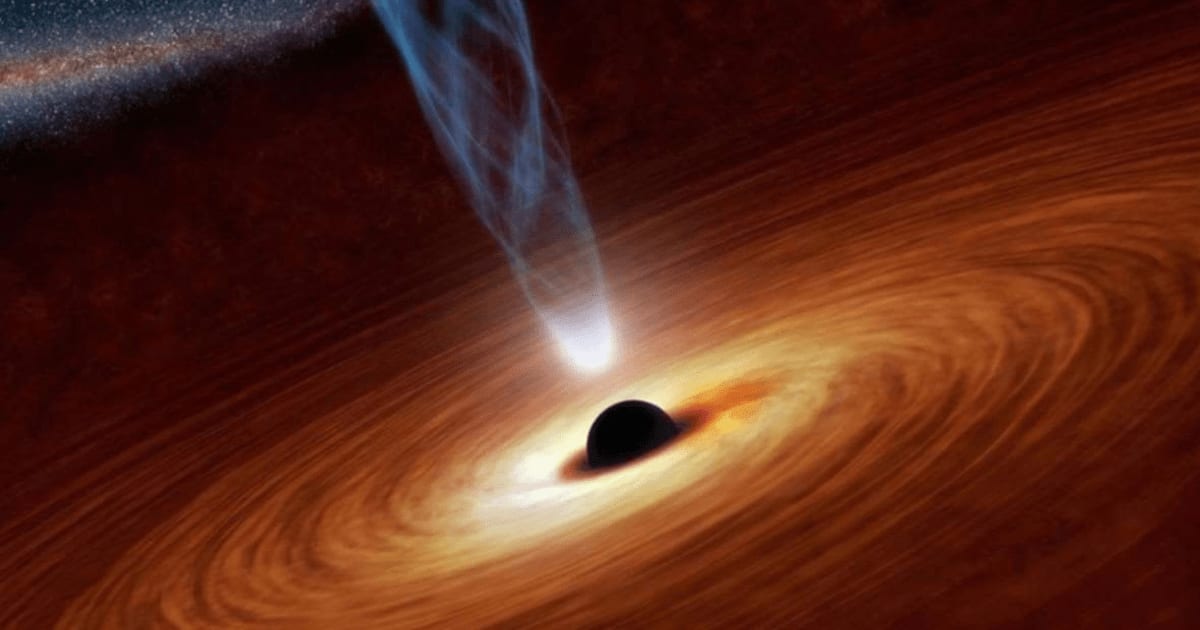
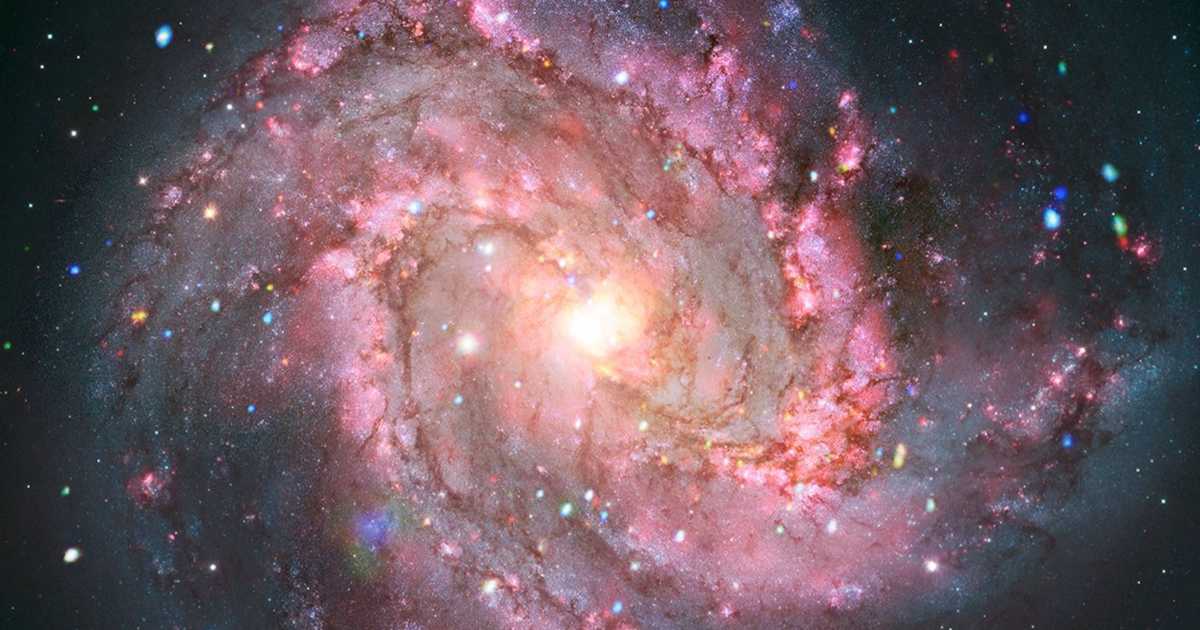
A new study suggests that actively feeding supermassive black holes may aid star formation in their host galaxies, rather than suppressing it. The study, which surveyed nine nearby galaxies using the Multi Unit Spectroscopic Explorer (MUSE) instrument on the European Southern Observatory's Very Large Telescope, was published in The Astrophysical Journal yesterday, September 14. It revealed that active galactic nuclei (AGN), or bright regions fueled by a supermassive black hole feeding on nearby matter, are linked to star-forming rings, cone-shaped areas of energized gas and fast "shocks," resulting from the interaction of energy outflows with nearby gas.
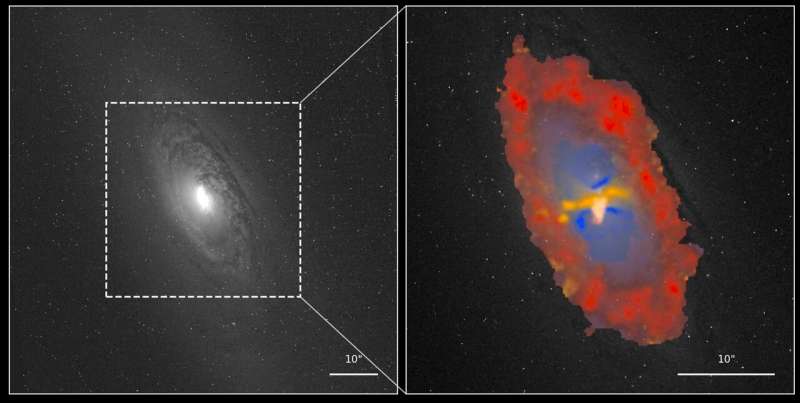
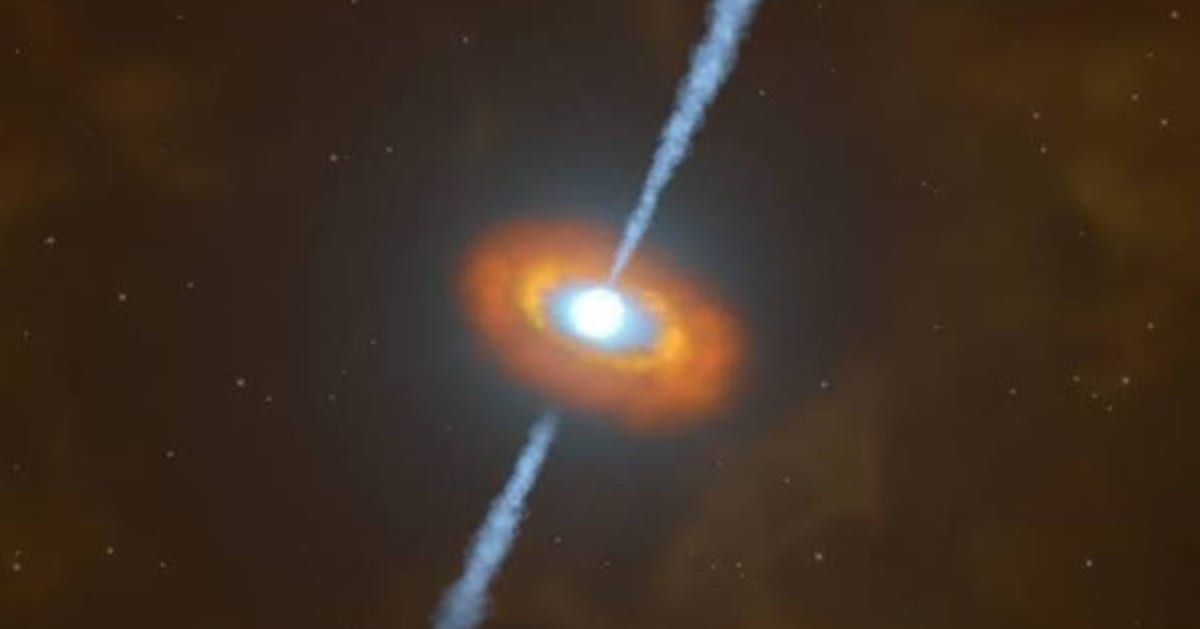
While all the nine galaxies that were studied have central black holes that are actively sucking in matter, the researchers saw that there was far more to their activity. “Once we resolved them, we could see that they not only accrete things, but they also eject things,” said Peixin Zhu, a graduate student and astronomer at the Center for Astrophysics | Harvard & Smithsonian, in a statement.
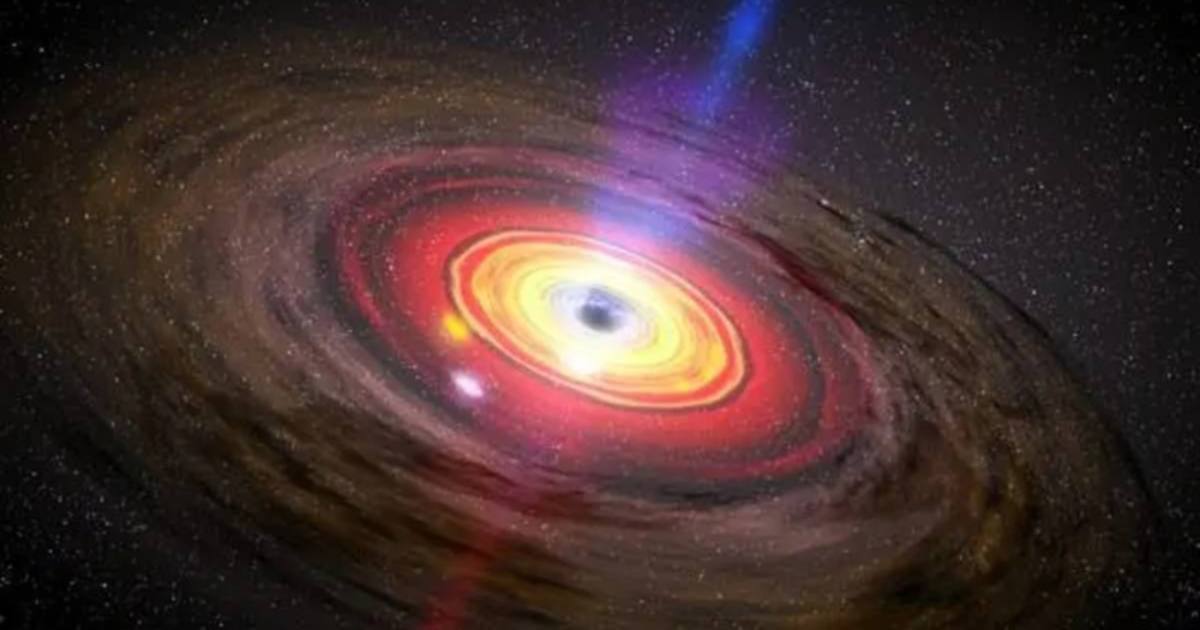
Zhu and her colleagues built theoretical models that allowed them to compare the optical data provided by the MUSE instrument with predictions for black hole radiation, star formation, and shocks. Each of the three phenomena was distinguished from one another using a new three-dimensional diagnostic technique, and the researchers had their interpretation independently supported by observations made by NASA's Chandra X-ray Telescope. “We’re seeing that black holes are not just consuming material at the centers of galaxies, but they’re actively reshaping their surroundings,” said Lisa Kewley, an astrophysicist at the Center for Astrophysics | Harvard & Smithsonian, director of the Center, and Zhu’s advisor. She added that the research work is enabling scientists to comprehend a complicated feedback cycle that contributes significantly to the evolution of galaxies.
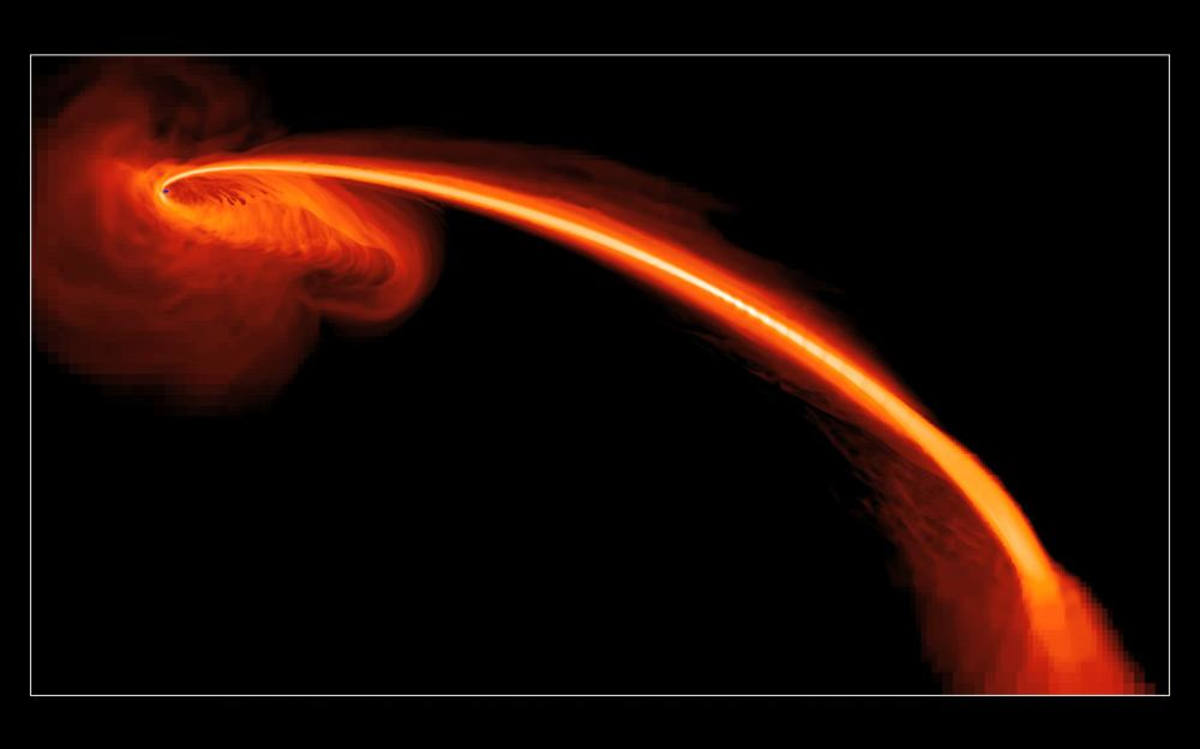
The study found star-forming rings at distances between 0.8 and 6 kiloparsecs from the center of each of the nine sample galaxies. Cone-shaped regions of ionized gas extended outward from the galaxies' disks, while central regions characterized by fast shocks were often oriented perpendicular to the bicones. Zhu says these shocks are quite common as far as interactions between AGN jets and interstellar medium are concerned, even though winds from active black holes may also have a role to play, especially in galaxies with lower-power jets. “The most interesting phenomena about shocks is that they always go perpendicular to where the black hole’s injected outflows go,” Zhu said. “It is very common, and we see it consistently appearing across the whole nine galaxies.”

After an intensive analysis of the results, the team concluded that actively feeding black holes demonstrate an intricate cycle of accretion, outflow, and interaction with the galaxies around them. By distinguishing the impacts of black hole radiation, star formation, and shocks, the study gives a clear picture of that cycle and how it is connected to star formation.
More on Starlust
Astronomers just confirmed the first black hole star: "We’re seeing pure black hole star light"
Rare, long-lasting black hole outburst is giving scientists a better look at the early universe