Starship Flight 15: SpaceX moves Super Heavy booster to launch pad ahead of November 13 lift-off
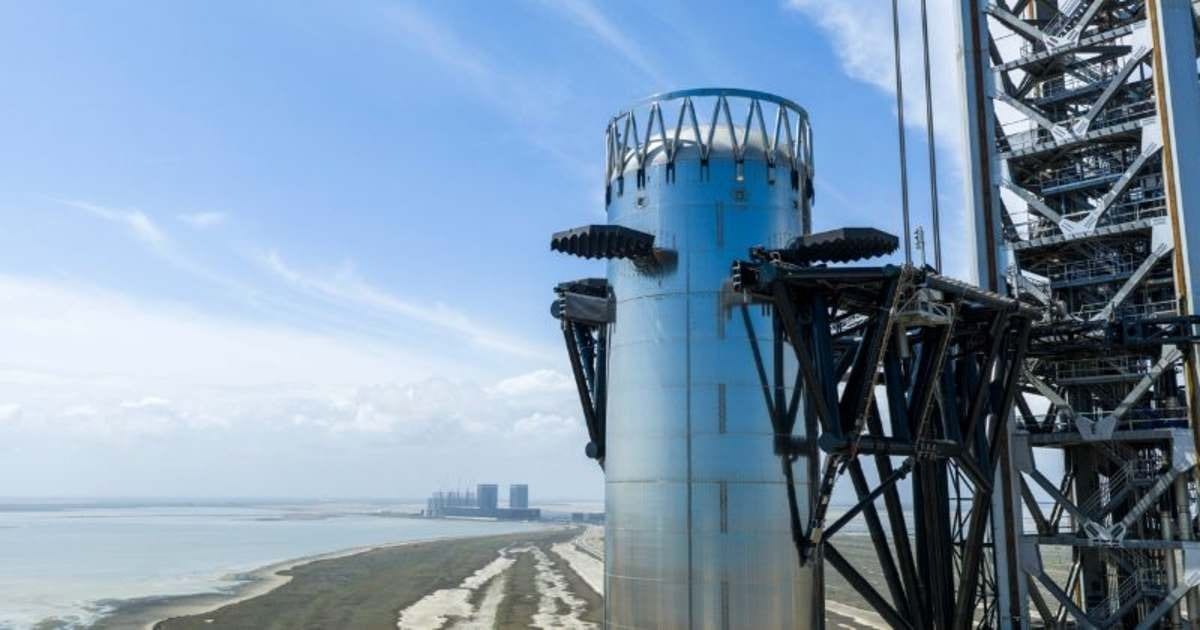
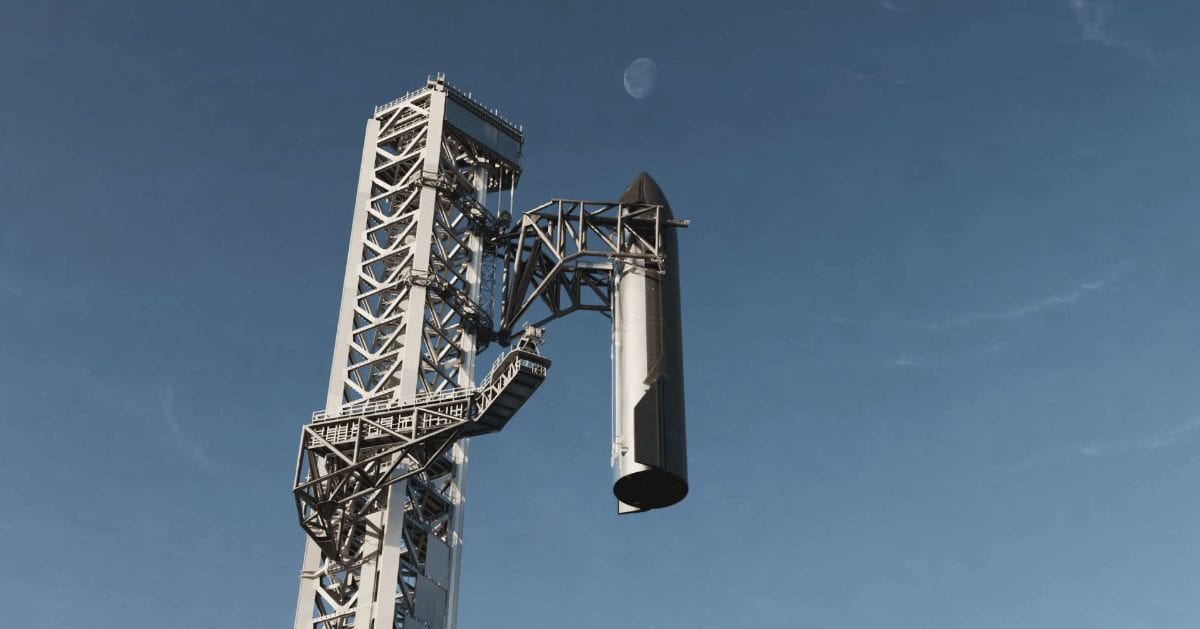
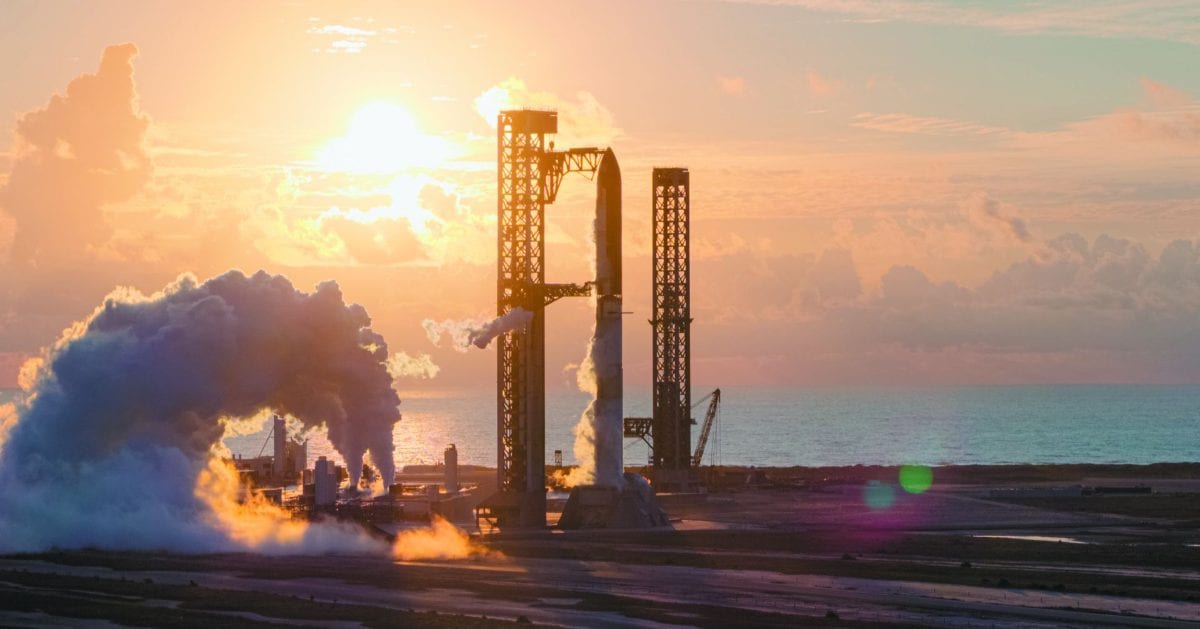
SpaceX has started preparing for the launch of Starship Flight 15, scheduled for November 13, 2026. Footage captured from the Elon Musk-owned company's Starbase spaceport in Texas has shown the Super Heavy booster assigned to the upcoming flight being rolled from its assembly building, called Megabay 1, to Pad 2. Referred to as Booster 22, the 233-foot structure was rolled out at around 4 p.m. CST onto Highway 4, completing the move to the launch site in about three hours. Pending approval by the Federal Aviation Administration (FAA), the launch could take place within a 75-minute window that opens at 4:45 p.m. CST on November 13. A backup window at the same time is also available the following day.
Starship Flight 15: Booster 22 being lifted for installation on Pad 2. https://t.co/HSumkyMfYU https://t.co/wCi44yrWn7
— NSF - NASASpaceflight.com (@NASASpaceflight) November 10, 2026
Flight 15 is set to be a watershed moment for spaceflight, with it being the first to see the return of both Starship and Super Heavy to the launch site for a catch landing. If the test mission is successful, SpaceX will have succeeded in demonstrating Starship as a completely reusable rocket. With all three of the previous flights of Starship V3, the company has opted to perform a water landing so as to give engineers the time to perfect the landing maneuver without putting the launch pad infrastructure at risk. Musk has previously stressed how the descent and landing burns had been so precise that a hypothetical tower in the ocean would have been able to catch Starship. Speaking ahead of Flight 14, he gave a successful catch of the upper stage on Flight 15 a 50 to 60 percent chance, later confirming that a simultaneous catch of Super Heavy will be attempted as well.
Booster 22 has arrived at the Pad. https://t.co/x1ygYF3A4x
— Avid Space (@LabPadre) November 10, 2026
For Flight 15, Booster 22 will ignite its 33 Raptor engines at lift-off to power the upper stage (called Ship 42) into an orbit about 170 miles in altitude. Last month, the company tested its engines through static firing of the booster and, later, of Ship 42 as well. Once in space, imagery of Starship's heat shield will be available with the help of three Starlink V3 satellites that have been equipped with high-definition cameras. Should all be nominal during the ascent into space, Starship will orbit the Earth 14 times over the course of almost 22 hours, with the re-entry time of the spacecraft estimated to be 2:56 pm CST on November 14, 2026. During the flight, a total of 26 Starlink V3 satellites will be deployed by Starship. These satellites have built-in thrusters which will help raise their orbits into their operational trajectories after they are released from Starship. SpaceX has presented the caveat that a catch landing will only be attempted at the end of the flight of both the Super Heavy and Starship when the flight controllers determine that it is safe to do so.
Ship 40, the vehicle that survived the ocean landing and was returned to Starbase, is on a transport stand in Mega Bay 2. https://t.co/HSumkyMNOs https://t.co/nFgVC5tPxd
— NSF - NASASpaceflight.com (@NASASpaceflight) November 7, 2026
Besides being built as a completely reusable rocket and spacecraft combination, Starship-Super Heavy is also slated to be a rapidly reusable vehicle to bring launch costs down. Musk has likened this approach to how aircraft are operated. SpaceX recently transported Ship 40 used during Flight 13—the only Starship to survive a splashdown so far—back to Starbase, and videos circulating on social media have shown the vehicle being moved to Megabay 2. This could indicate a possible refurbishment for future use of the flight-proven hardware for another launch. The company has also built launch infrastructure at both the Kennedy Space Center and the Cape Canaveral Space Force Station in Florida to support flights of Starship. SpaceX has also sought FAA approval for over 450 Starship launches per year from Starbase in Texas, where a second launch pad is inching towards readiness. The aerospace giant is also building a sprawling complex called Starbase Louisiana to eventually allow for as many as 30 Starship launches per day.
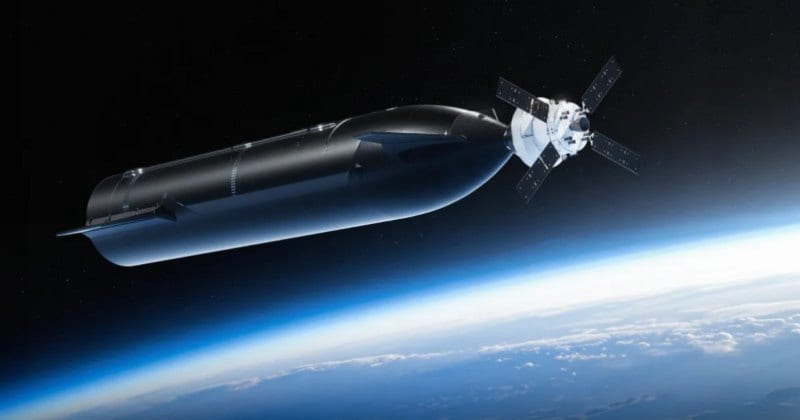
These developments point to a future where Starship could be the vehicle of choice for sending massive amounts of cargo to low Earth orbit and beyond. A test version of Starship will also fly to space next year as a part of the Artemis III mission by NASA, wherein the Orion crew capsule will perform rendezvous and docking with the Starship pathfinder. This is being done to understand the dynamics of flight when SpaceX's flagship spacecraft is attached to another crewed spacecraft. These proximity operations will be vital ahead of humanity's return to the Moon in 2028 with Artemis IV and V.
More on Starlust
NASA reveals major details on SpaceX and Blue Origin lander plans ahead of Artemis III and IV