Decoding SpaceX's plan to launch and catch both Starship stages on Flight 15 next week
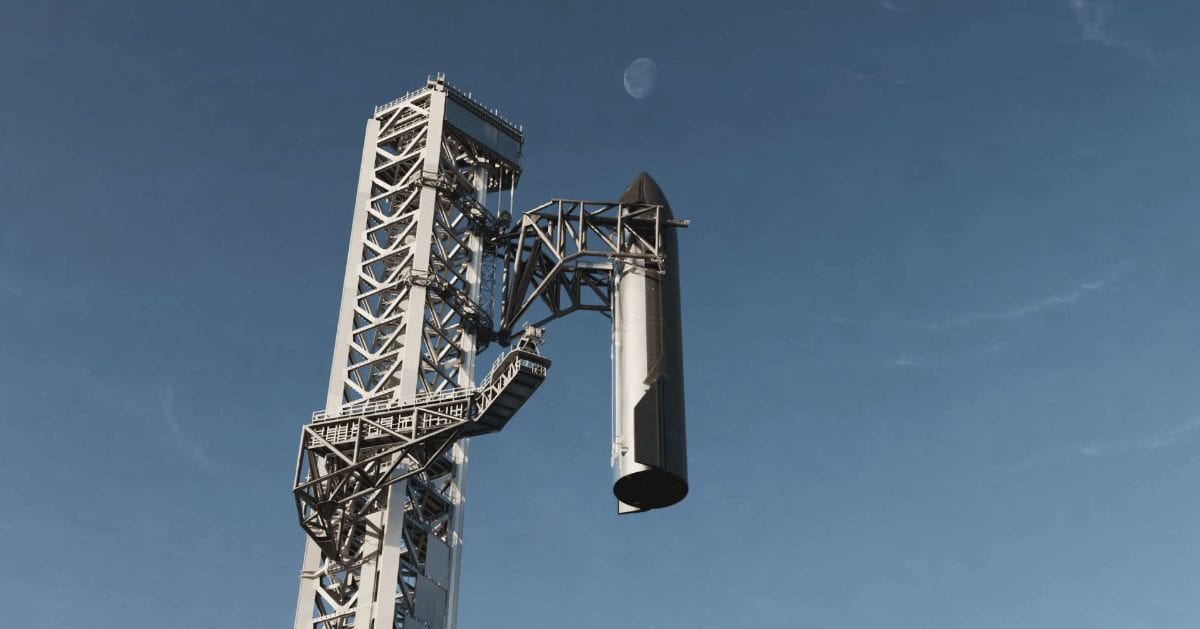
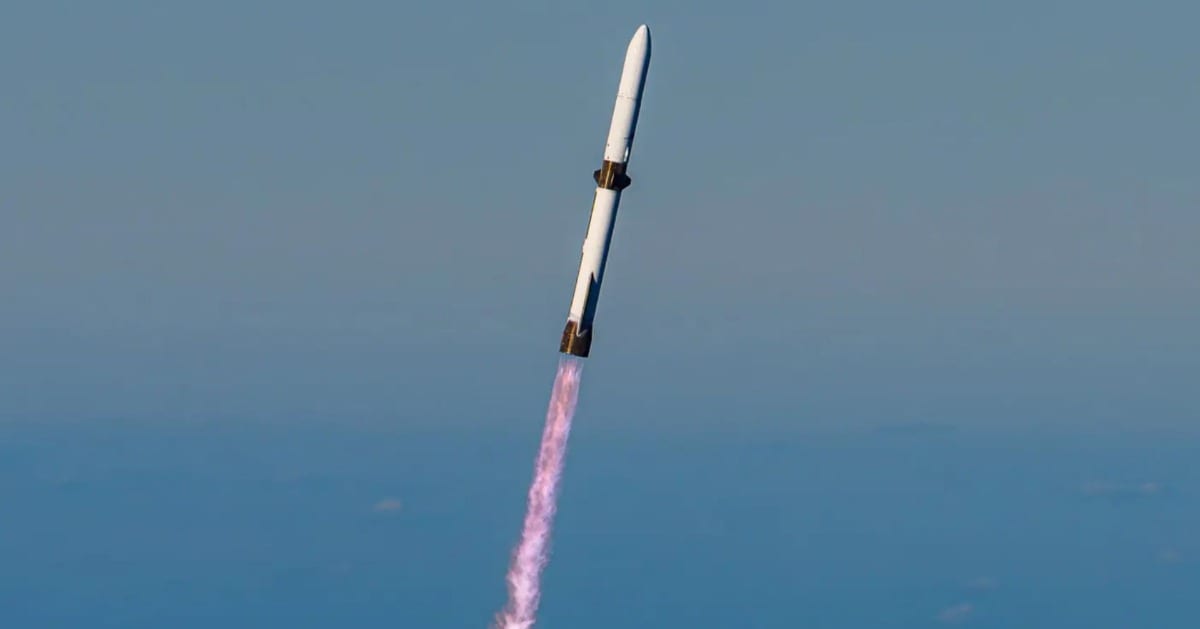
SpaceX on Saturday shared its plan for Starship’s 15th test flight which is targeted for November 13, pending regulatory approval. The world’s biggest rocket is scheduled to lift off within a 75-minute launch window at 4:45 pm CT [5:45 pm EST] from Starbase, Texas. It will be the first time SpaceX will attempt to catch both stages of the rocket and the first catch of Starship’s V3 iteration. Interestingly, the entire mission is supposed to last 22 hours but SpaceX has prepared for emergencies which could lead to an early end. Just like the last one, this mission also involves Starship flying in a sub-orbital trajectory before it is eventually injected into orbit.
Starship is preparing for catch Flight 15 is targeting to launch as early as Friday, November 13, pending regulatory approval → https://t.co/K5XRci6bnw https://t.co/WS2xGLjVsx
— SpaceX (@SpaceX) November 7, 2026
“The upcoming flight is planned to be the first to return both Starship and Super Heavy to the launch site for catch. If successful, this will mark the first full recovery of an orbital launch system and a breakthrough moment in making Starship a reliable, rapidly reusable rocket,” SpaceX said in a statement.
Starship ready for another orbital mission
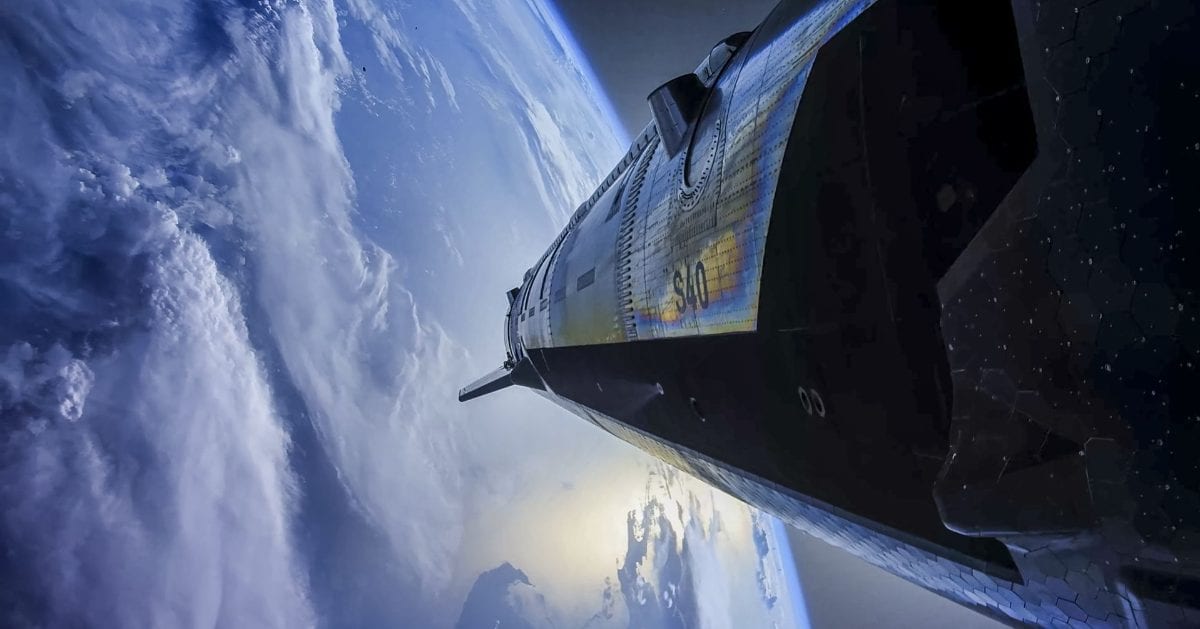
Flight 15 will be Starship’s second-ever orbital mission after Flight 14, which launched on September 28, and the longest one to date. Similar to the last one, the upper stage— Ship 42—will reach approximately 170 miles (275 km) above Earth and orbit the Earth 14 times before heading back to Starbase. Of course, this is assuming it doesn’t encounter any issues and mission controllers don’t deorbit it prematurely. On Flight 14, the planned 10-hour mission had to be cut short and the Ship was deorbited after just three hours after liftoff due to engine issues. The Super Heavy Booster also suffered from engine troubles during the boostback burn and landing burn prior to a splashdown in the Gulf of America.
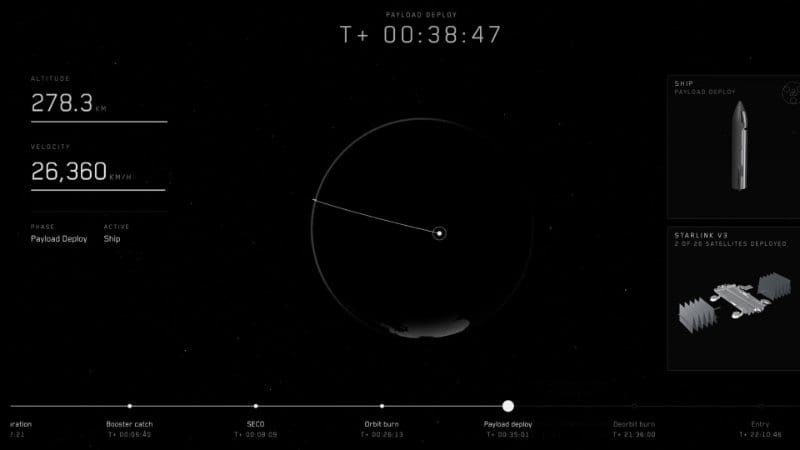
The Ship is carrying 26 Starlink V3 satellites on Flight 15 as well. These satellites will be deployed when it has crossed the 170 miles altitude mark. Three of these satellites will be equipped with a suite of cameras to scan Starship’s heatshield and transmit imagery down to operators. These satellites, similar to the ones deployed on Flight 14, will use their onboard thrusters to gradually raise their orbits and begin operations a few weeks later.
How SpaceX will catch Starship’s upper stage
SpaceX is planning to catch Starship’s upper stage after collecting crucial data on ascent, in-space maneuvers, payload deployments, and accurate reentry through the atmosphere to a pre-defined location on the previous flights. The process to catch the spacecraft will begin by putting it on a course back to the launch site after completing the planned number of laps of Earth.
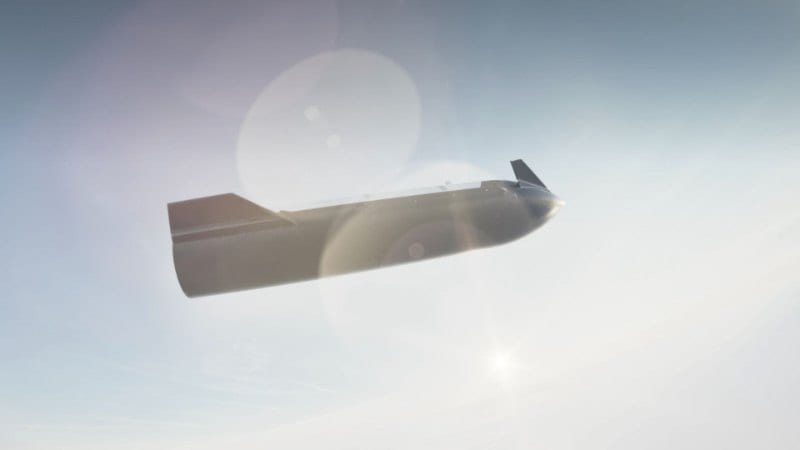
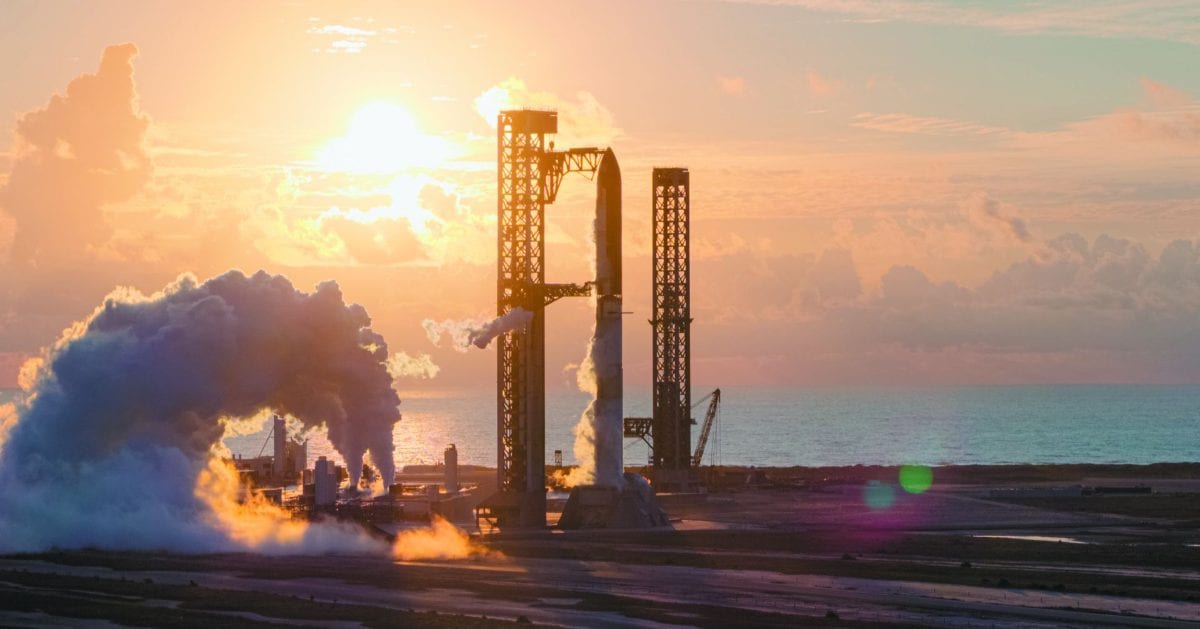
Let’s say the Ship makes it to the terminal phase of the mission, it will gradually deorbit itself and fly over inhabited areas in northern Mexico and southern Texas to reach its launch site. According to SpaceX, it will pass major cities in the Rio Grande Valley, flying to the north of South Padre Island and over the Gulf of America before turning towards Starbase. Once it reaches Pad 2 at Starbase, the spacecraft will perform the final bellyflop maneuver and flip itself to a vertical position igniting three of the six Raptor engines. Once the flip is complete, it will shut down one engine and steer itself toward the tower, before shutting down another one as it places itself between the tower’s chopstick arms.
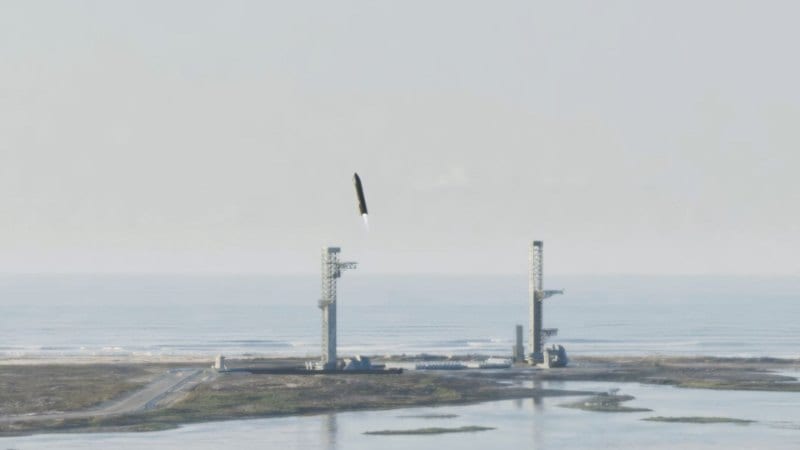
SpaceX says that the Ship will coast in orbit for approximately 21 hours until its orbit aligns with Starbase for a return. The flight controllers will use this time to perform manual and automated checks of the Raptor engines, communication systems, health of the flight computers and navigation sensors and Starship’s ability to control its attitude among other essentials. “Flight controllers will only permit Starship to return to Starbase if the vehicle’s status meets our internally developed, and FAA-approved, conditions for a return to launch site and catch,” the mission description says.
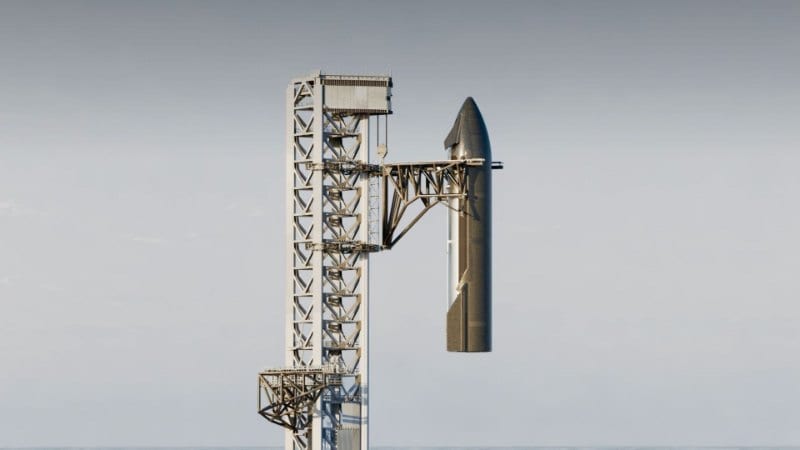
Notably, SpaceX has marked five contingency landing areas in the sea for Starship if the flight controllers find an issue with the spacecraft or the launch tower. In case of an emergency at any point of the mission, Ship 42 may splashdown in the Indian Ocean, the Pacific Ocean around Hawaii and Chile, or the Gulf of America. If there’s a problem during re-entry, it could be ended early and Starship will be intentionally destroyed in the atmosphere. If this mission is successful, SpaceX might start reflying the upper stage from 2027.
More on Starlust
Blue Origin’s New Glenn return flight slips to January 2027, CEO Dave Limp announces