NASA's September 2025 skywatching guide: Autumnal equinox, a conjunction trio and other stunning sky events
September is shaping up to be a spectacular month for skywatchers, with a cosmic lineup that includes a stunning planetary opposition, a rare pre-dawn conjunction, and the official start of a new season. NASA has released its latest guide to the night sky, detailing the can't-miss astronomical events of the month, as per NASA.
Moon joins planetary trio in pre-dawn sky
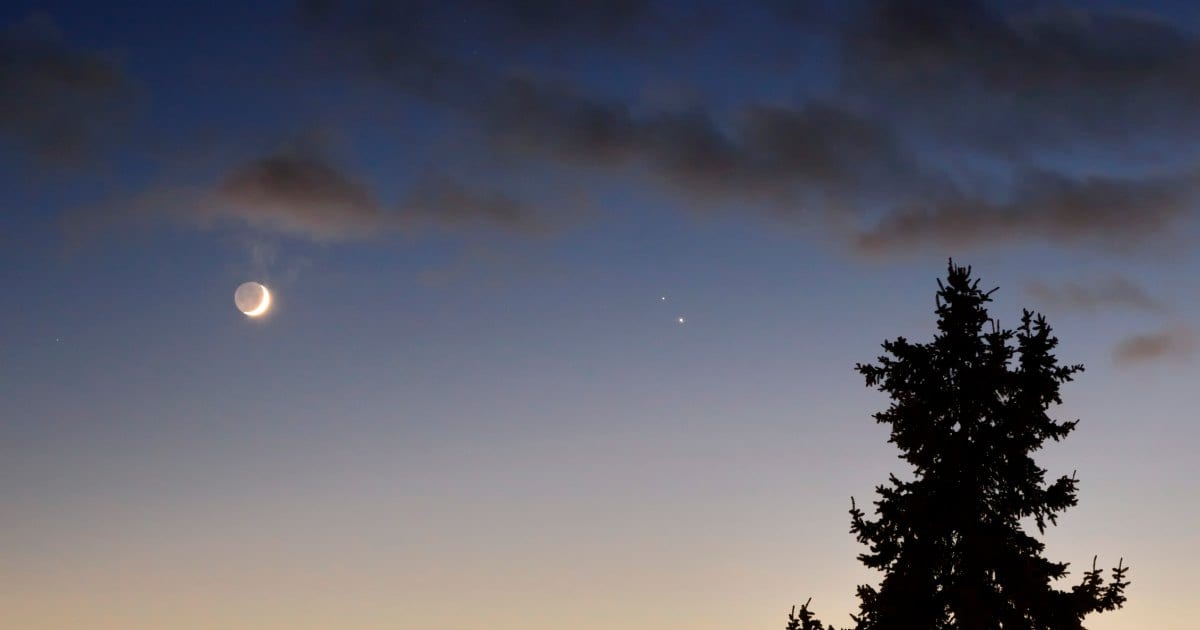
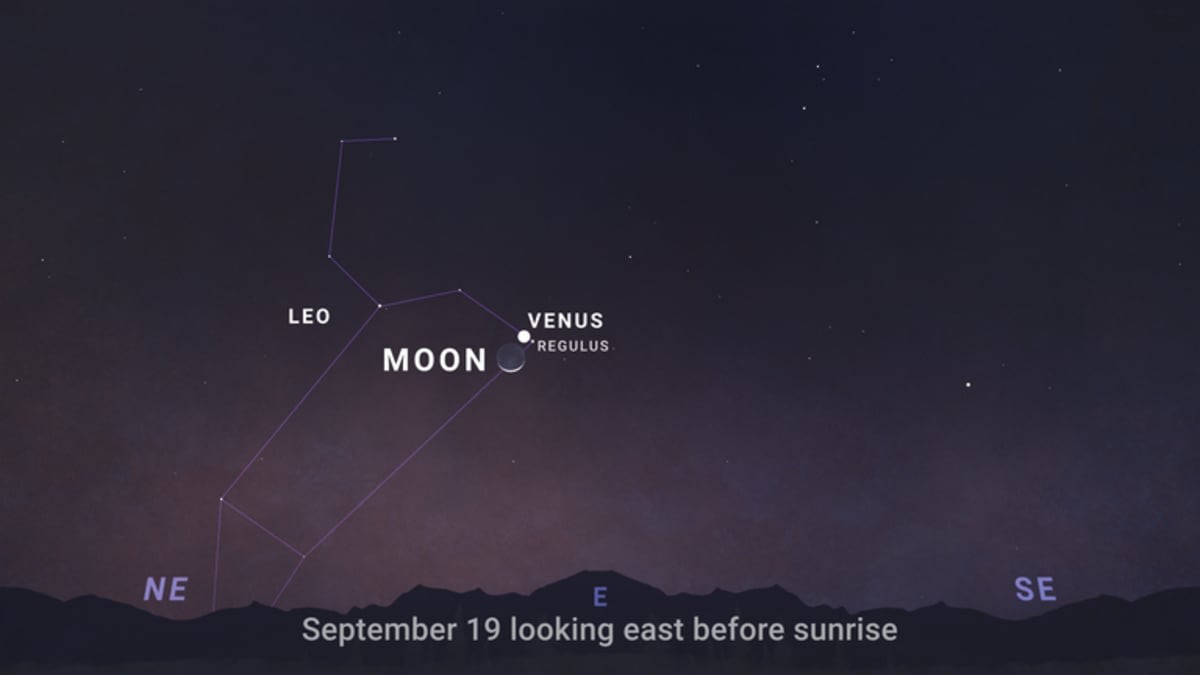
Early risers are in for a treat on September 19. Just before dawn, a striking trio will grace the eastern horizon. The waning crescent moon will appear to nestle closely with both the planet Venus and the star Regulus, one of the most luminous stars in the night sky. This conjunction, the term for celestial objects appearing close together, will be a stunning sight. To find this celestial arrangement, locate the moon. For those with a more serious interest in astronomy, Regulus is a key star within the constellation Leo, the Lion.
Saturn shines brightest all year
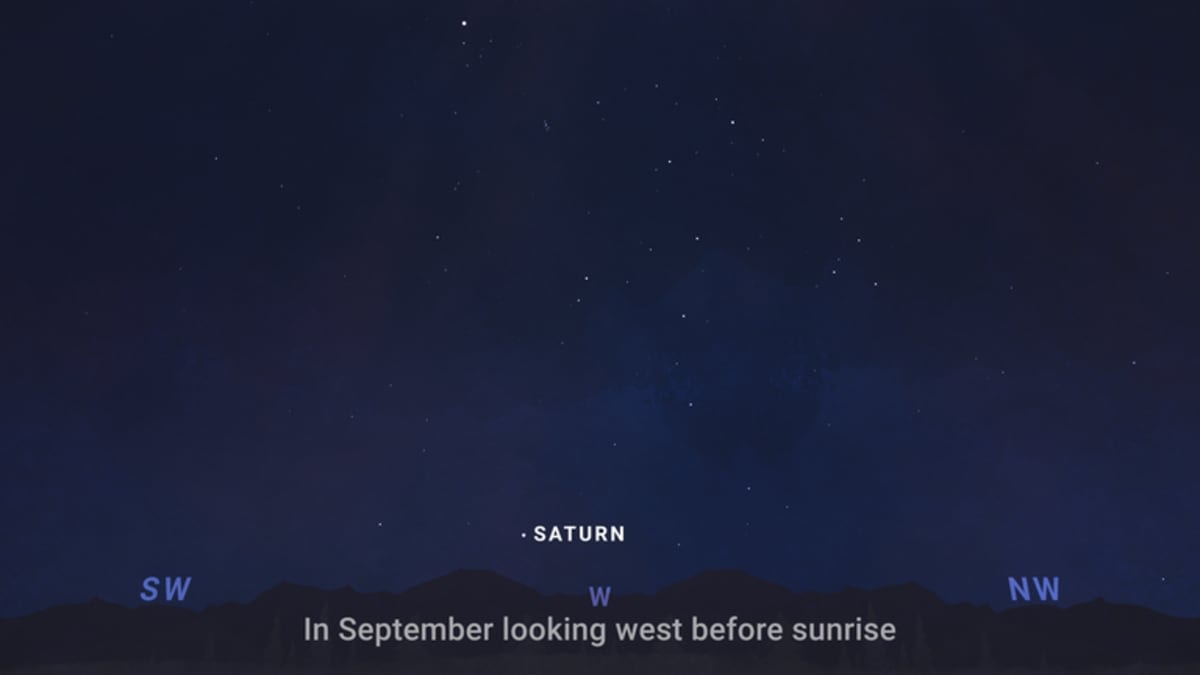
Saturn, the solar system's magnificent ringed jewel, will take center stage this month. While planets like Venus and Jupiter are most visible in the morning sky, Saturn will dominate the evening hours. On September 21, the planet will reach opposition, a moment when Earth passes directly between Saturn and the Sun. This alignment brings Saturn to its closest point to our planet for the entire year, making it exceptionally bright and easy to spot. The planet will be visible to the naked eye, but a small telescope will provide a breathtaking view of its iconic rings.
Autumnal equinox marks the official start of fall
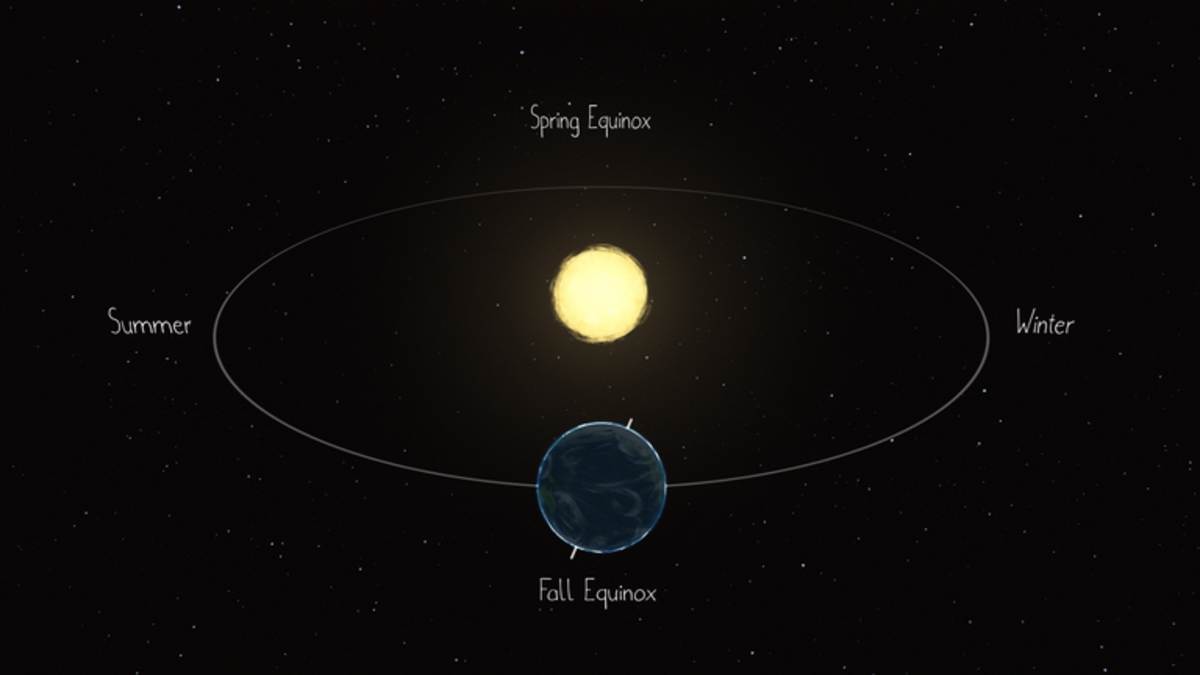
On September 22, the northern hemisphere will officially welcome the start of autumn with the autumnal equinox. This astronomical event occurs when the Sun crosses directly over the equator. At this point, Earth is neither tilted toward nor away from the Sun, resulting in a day and night that are nearly equal in length. This is a yearly reminder of our planet's journey around its star and a perfect moment to reflect on the changing seasons.
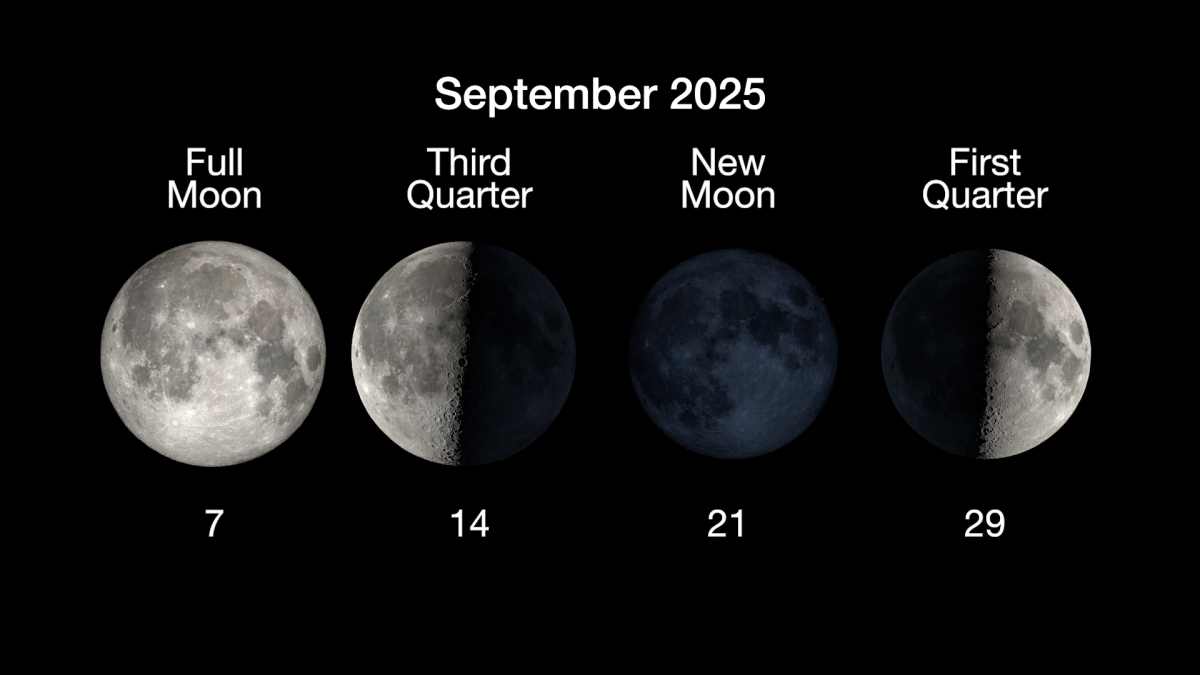
This month also brings a new set of lunar phases for observers to track.
Total lunar eclipse to dazzle the globe
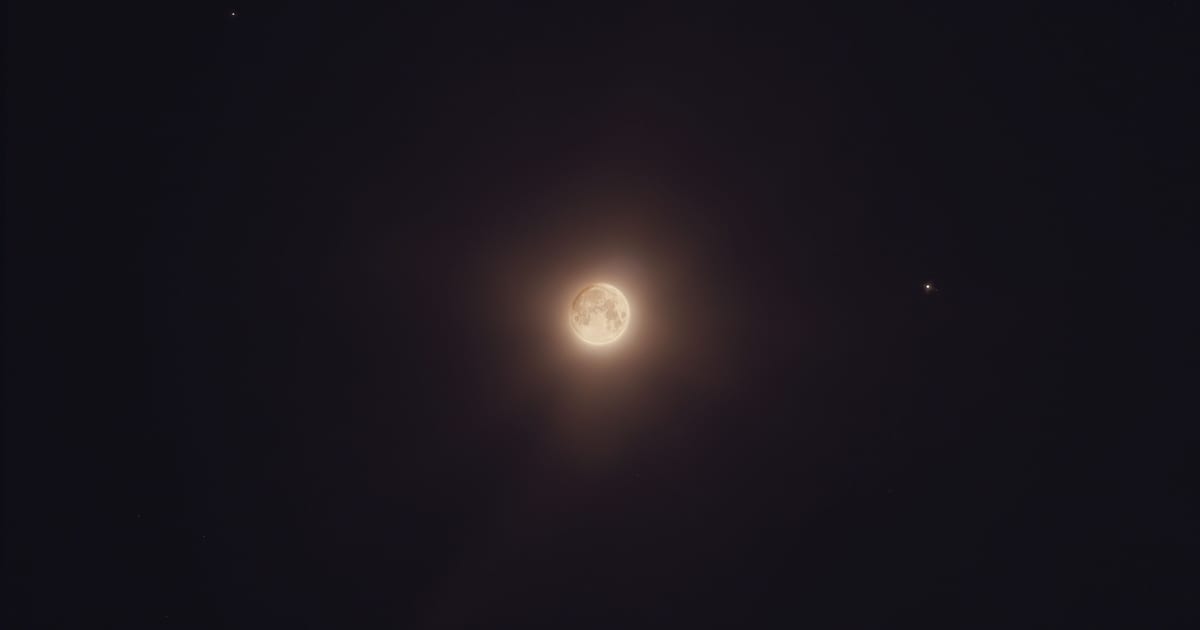
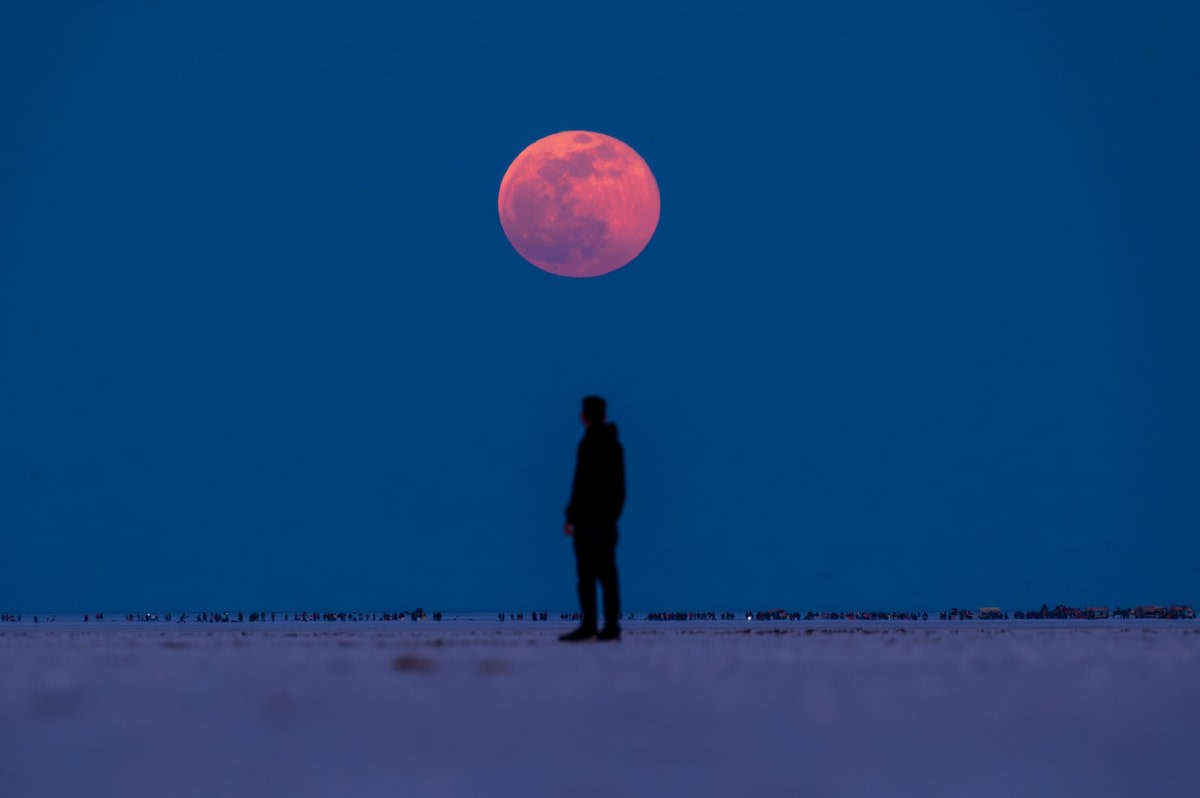
A stunning total lunar eclipse is set to captivate skywatchers this week, offering the longest event of its kind since 2022. Visible to approximately 85% of the world's population, this celestial spectacle will see the moon take on a dramatic reddish hue. The eclipse will unfold from September 7 to 8, 2025, with the moon retaining its deep red color for an impressive 82 minutes. Every viewer will experience the different phases of the eclipse simultaneously, although whether you can witness it depends on your specific location and whether the moon is above the horizon during the event.
More on Starlust
Saturn's largest moon Titan to cast a shadow on the planet's face on September 3—how to watch