How to see the Leonid meteor shower in 2026: Citywise rise and set timings for the U.S.
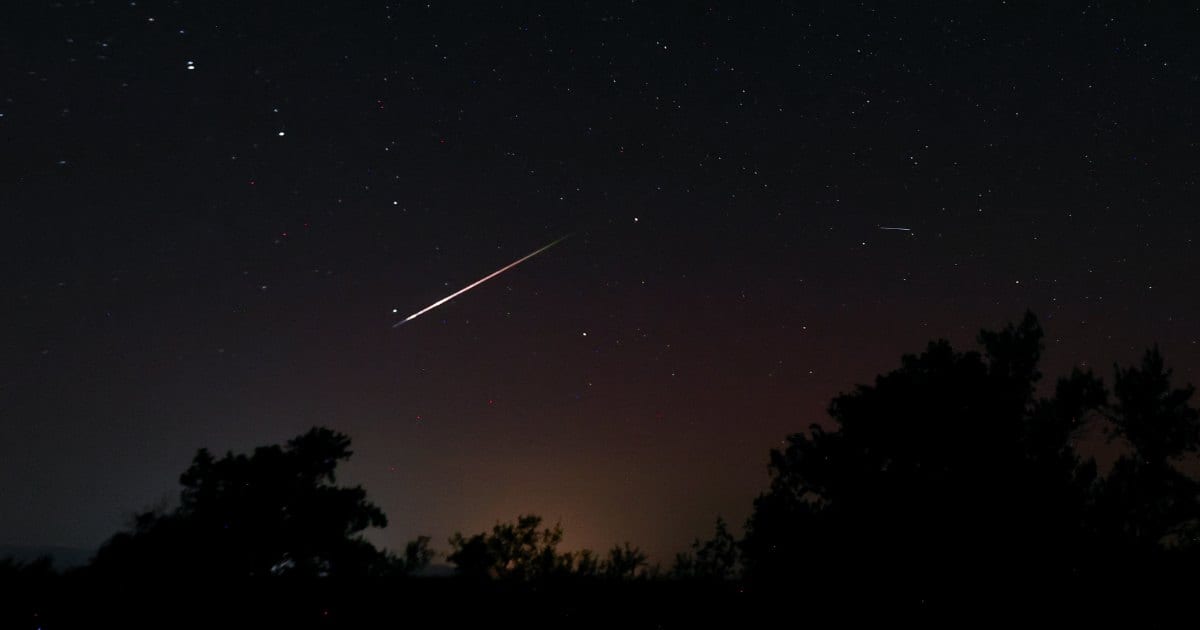
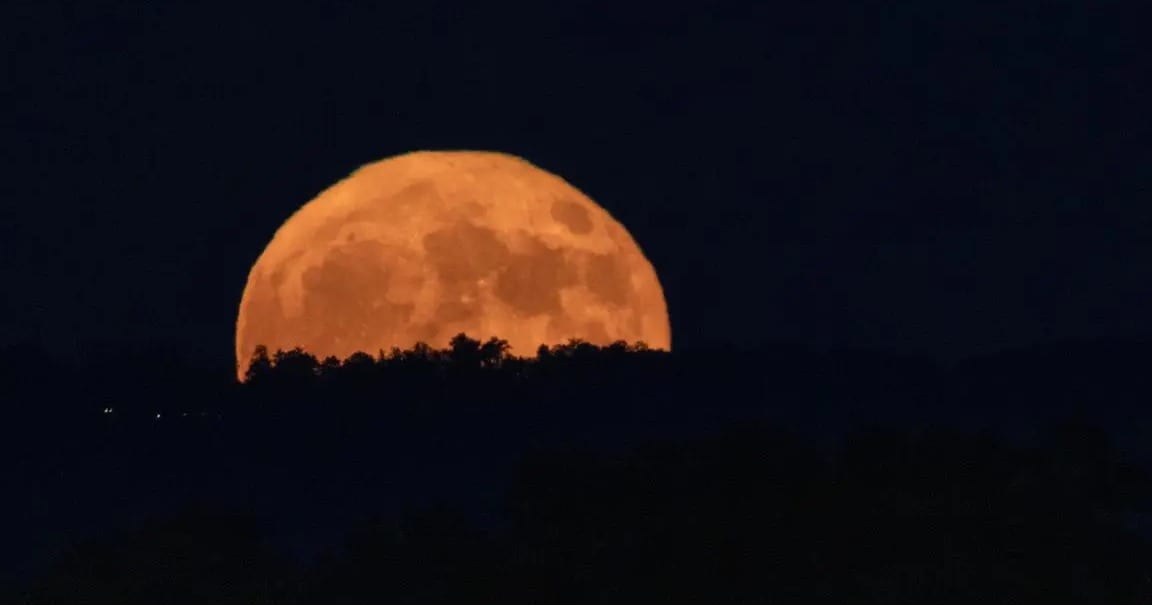
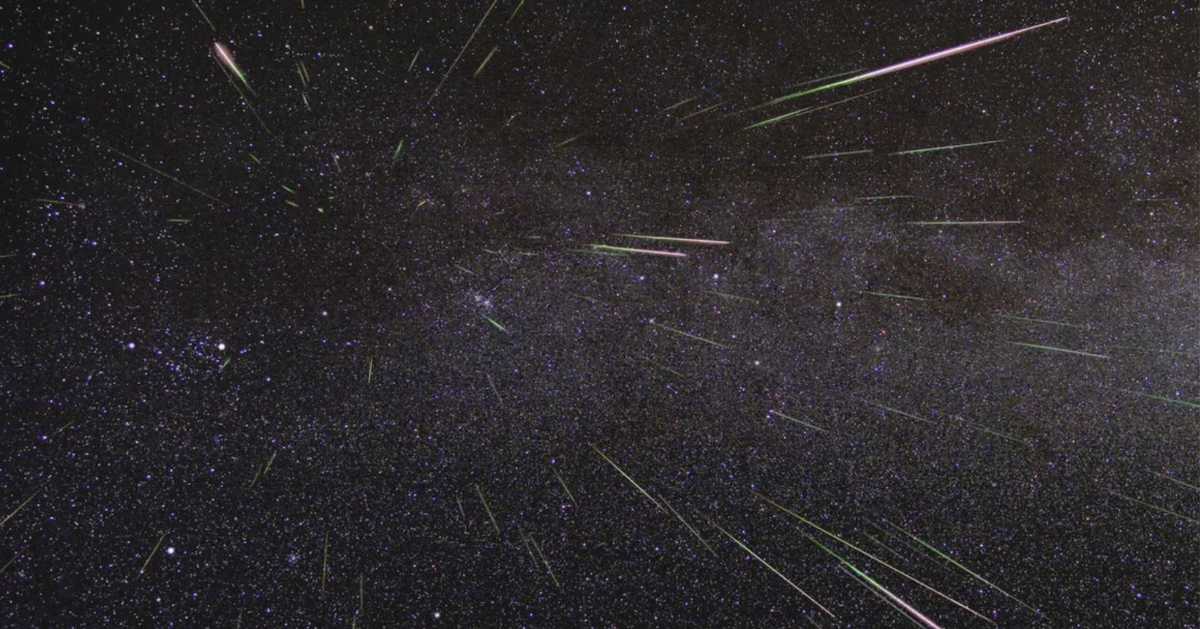
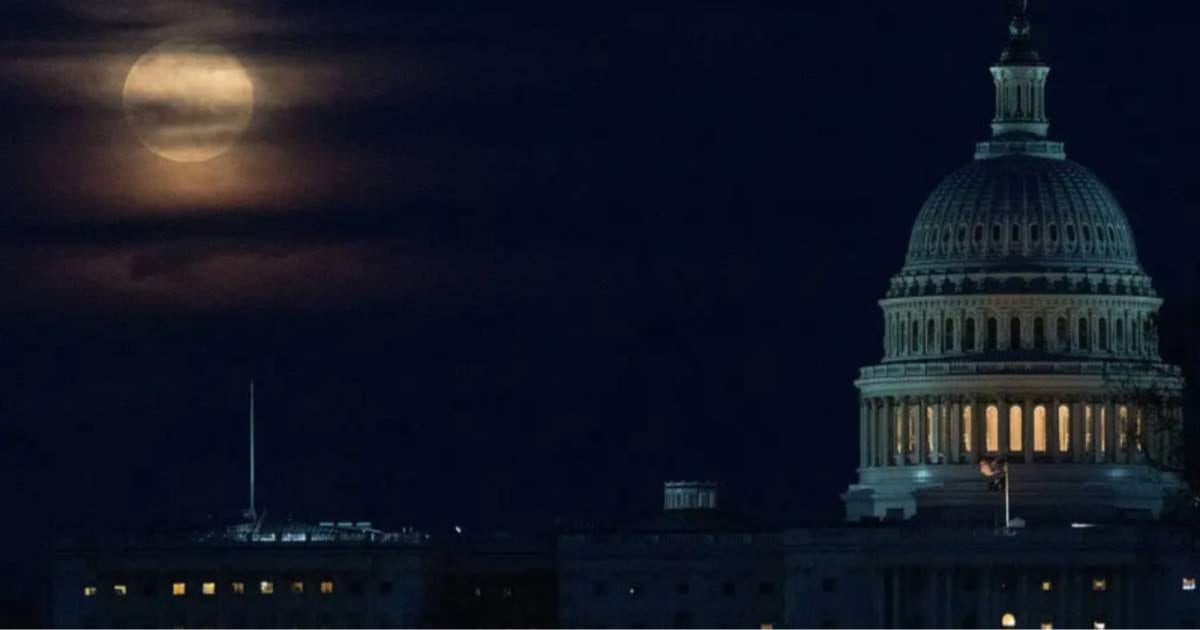
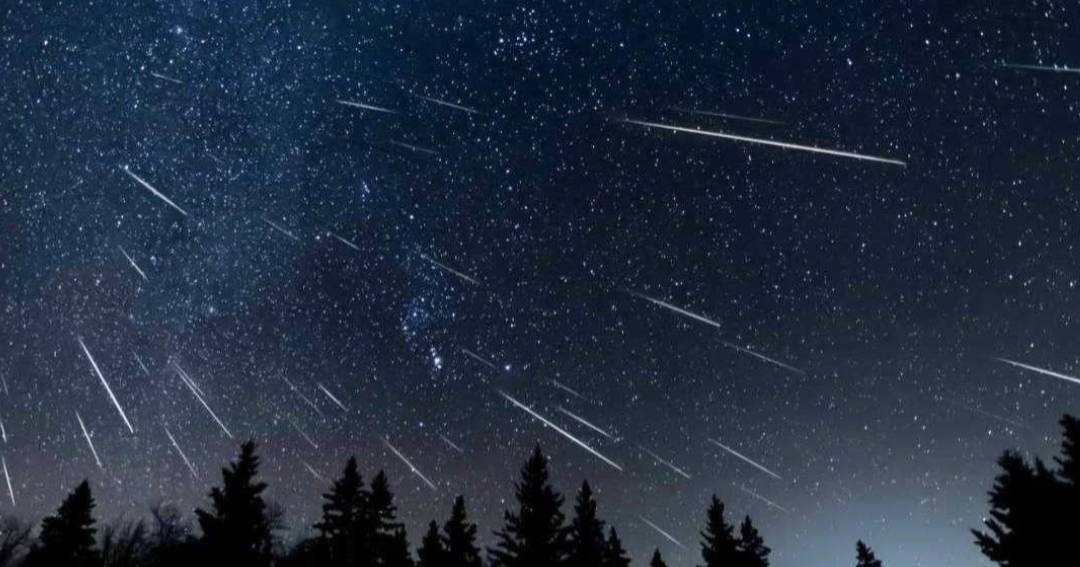
The month of November has started and soon, the Leonid meteor shower will light up the night sky, giving skywatchers across the United States an opportunity to catch bright shooting stars streaking through the darkness. Known for producing meteor storms every 33 years or so, the annual shower will be active from November 6 to 30 and is expected to reach its peak between November 17 and 18. While the Moon’s glow might drown out some of the fainter ones, you should still catch a good show if you manage to find a dark spot with clear skies and little light pollution.
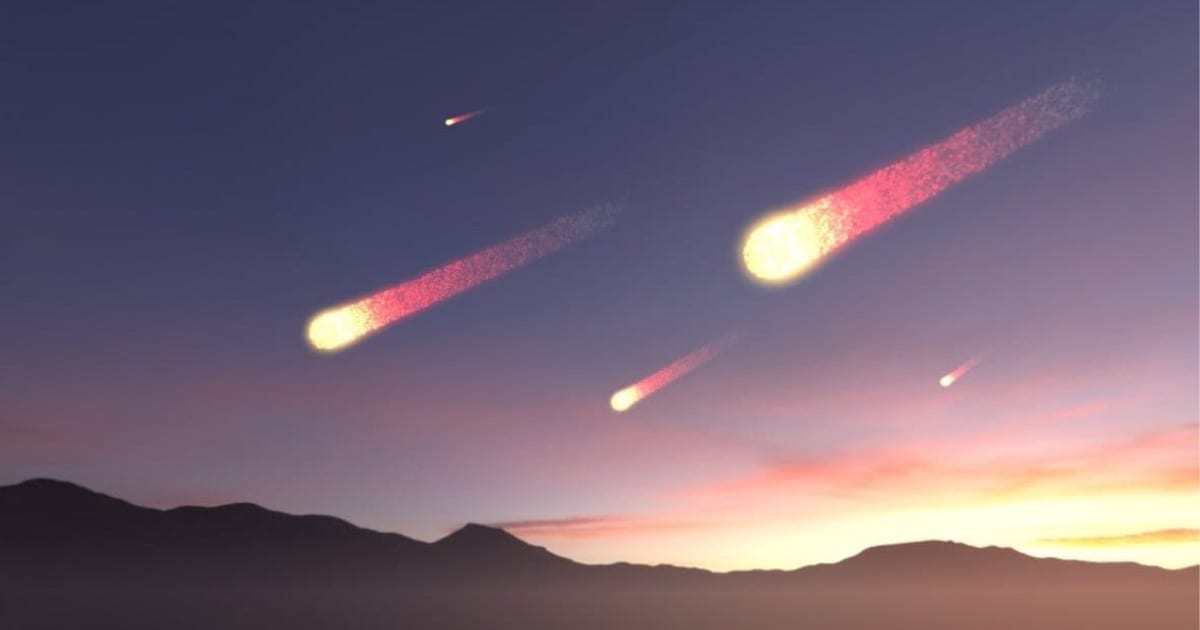
The Leonids are produced when Earth passes through a stream of dust and debris left behind by Comet 55P/Tempel-Tuttle, which takes approximately 33 years to orbit the Sun. When these particles enter Earth's atmosphere at high speeds, they heat up and produce the bright streaks of light commonly called shooting stars.
When to watch the Leonid meteor shower 2026: City-wise timings in the U.S.
The best viewing window for the Leonids would be during the early morning hours of November 17 and 18, once the Moon has set, according to NASA. If conditions are perfect, the Leonids can produce around 15 meteors per hour. The actual numbers, however, will depend on local weather, light pollution, and how dark the sky is. The table given below provides the rising and setting times of the Leonid meteor shower radiant in some major U.S. cities, per the information given on Time and Date. For context, the radiant (the constellation Leo in this case) is the point in the sky the meteors appear to originate from. But you don't need to look directly at the radiant to view the meteors, as they are visible across the night sky.
U.S. City | Rise time of radiant | Set time of radiant |
|---|---|---|
New York | 17 Nov 2026, 22:54 EST | 18 Nov 2026, 13:39 EST |
Los Angeles | 17 Nov 2026, 23:09 PST | 18 Nov 2026, 13:18 PST |
Chicago | 17 Nov 2026, 22:45 CST | 18 Nov 2026, 13:37 CST |
San Francisco | 17 Nov 2026, 23:16 PST | 18 Nov 2026, 13:44 PST |
Boston | 17 Nov 2026, 22:37 EST | 18 Nov 2026, 13:33 EST |
Seattle | 17 Nov 2026, 22:44 PST | 18 Nov 2026, 14:16 PST |
Washington D.C. | 17 Nov 2026, 23:12 EST | 18 Nov 2026, 13:46 EST |
Houston | 17 Nov 2026, 23:48 CST | 18 Nov 2026, 13:37 CST |
Dallas | 17 Nov 2026, 23:46 CST | 18 Nov 2026, 13:49 CST |
Where and how to watch the Leonid meteor shower 2026
For the best viewing, choose a safe spot far from street lights and other light pollution sources. Remember that your eyes can take about 15-20 minutes to adjust to the darkness, so be patient. Meteors can show up in any area of the sky, so an open area with a wide field of view is ideal.
More on Starlust
Northern Taurids meteor shower 2026 to bring fireballs as it peaks on November 11-12: Viewing tips