Mars is cozying up to Jupiter this November: When, where and how to watch it
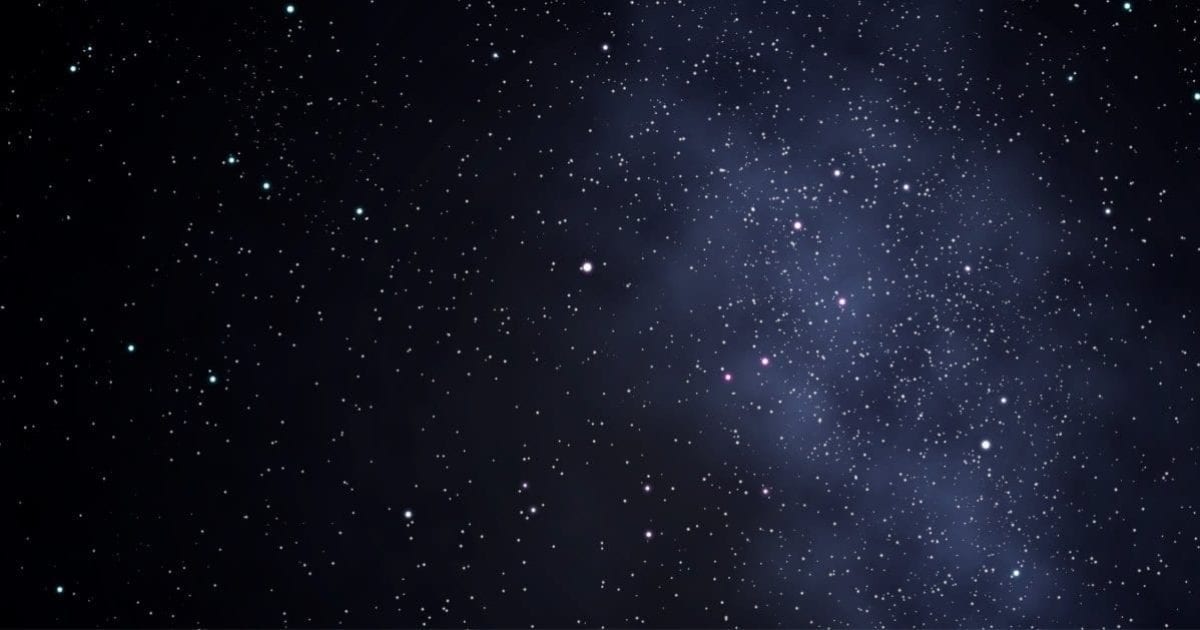
Among the many enthralling celestial events this November, a rare Mars-Jupiter meetup is one that is worth the wait. The two planets will gradually approach each other throughout the month, putting on their best show mid-November, when they will appear just over a degree apart.
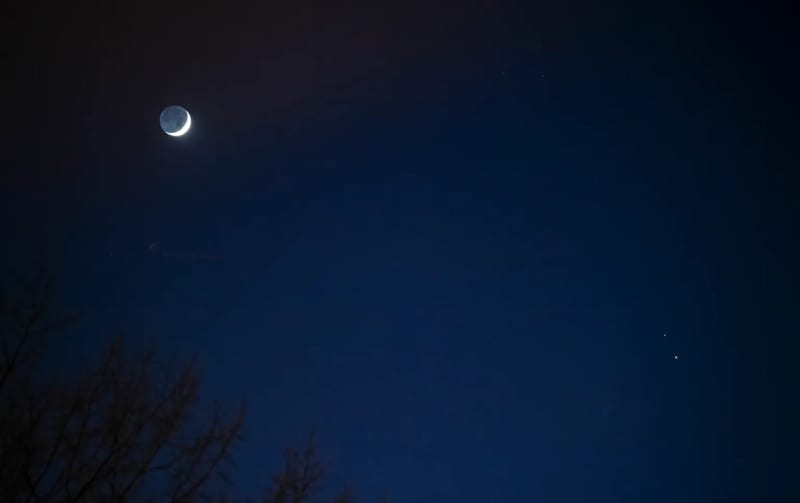
When and where to watch the Mars-Jupiter conjunction in November 2026
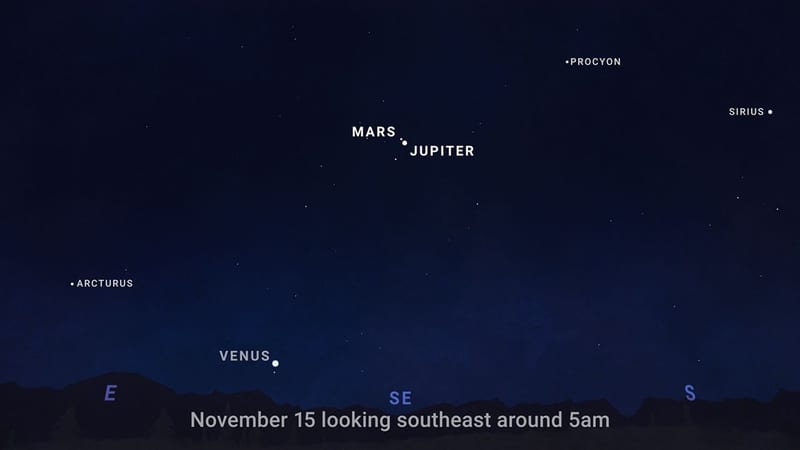
An ideal time to view the planetary pairing will be on the mornings of November 15 and 16, according to NASA. Spot both of them by glancing southeast prior to sunrise. At that time, Mars will be positioned to the north of Jupiter, and both will be separated by an angle of around 1.2 degrees, making them close enough to be pictured using a conventional pair of binoculars. With both planets sitting in the Leo constellation, adjacent to its unique sickle-shaped star pattern, Jupiter will appear brighter than Mars, with the latter visible in a reddish hue. According to BBC Sky at Night Magazine, during the nights of November 14–17, Jupiter has an approximate magnitude of -2.1, while that of Mars is around +0.7. An ideal reference point for spotting the duo will be the brilliant star Regulus in the Leo constellation, which will be lurking close to the pair. After this spectacular conjunction occurs, both planets will begin moving apart from each other as November progresses.
You can observe the pair with the naked eye, although using binoculars or a telescope may enhance the experience. A telescope may further give you a glimpse of the four largest moons of Jupiter, namely Io, Europa, Ganymede, and Callisto. Try observing the celestial event from a location that gives an unobstructed view of the southeastern and southern horizons. Before setting out, check the weather forecast and ensure that the sky will be free of any clouds.
Which other planets are visible in November 2026
Apart from the spectacular Mars-Jupiter conjunction, you can also catch celestial shows by other planets in the November sky. According to the Farmers' Almanac, Saturn will be visible during the evening as a steady, yellowish point of light if you glance southeast to south in the sky as the evening progresses. Venus, which is the brightest planet in November, will be visible before the Sun rises, glowing brilliantly in the eastern morning sky. Mercury can be seen during the second half of November prior to sunrise, lying low in the eastern sky. Try spotting it on November 20, when the planet reaches its greatest western elongation.
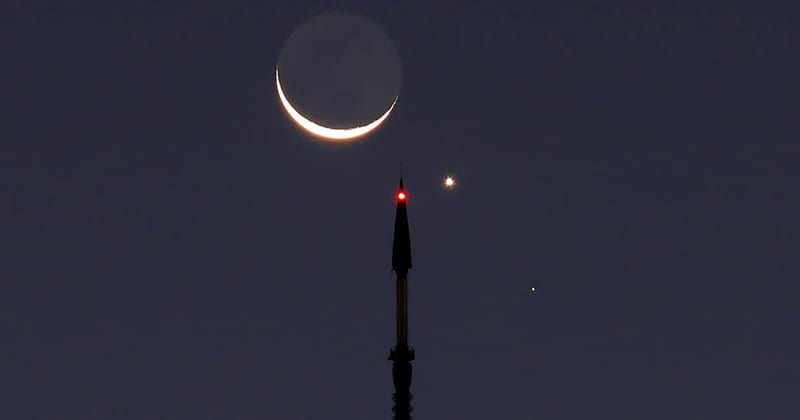
Furthermore, try spotting Uranus, which will reach opposition on November 25, when it will be positioned opposite the Sun in Earth's sky. The planet will be located in Taurus, but you will almost certainly need binoculars to view it, as the glare of the nearly full moon will wash out faint objects in the sky on that date. Also, at the end of the month, you will not want to miss a grand celestial lineup, according to EarthSky: on the morning of November 29, the Moon, which will be nearing its third-quarter phase, will be sliding high in the eastern sky prior to dawn, with Jupiter, Mars, and the bright star Regulus located near it. This will be followed by an eye-catching alignment on the morning of November 30, when the lunar disk aligns with Jupiter, Mars, and Regulus.
More on Starlust
How to see the Leonid meteor shower in 2026: Citywise rise and set timings for the U.S.
Northern Taurids meteor shower 2026 to bring fireballs as it peaks on November 11-12: Viewing tips