Major skywatching events in November after Supermoon: Catch Uranus, Venus at their brightest and more

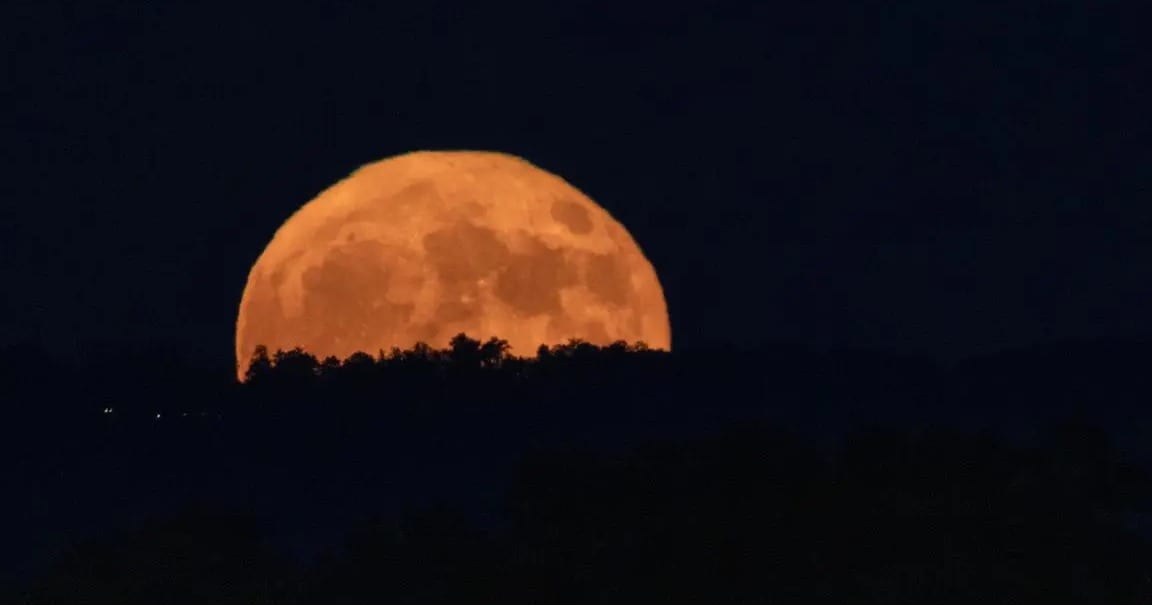
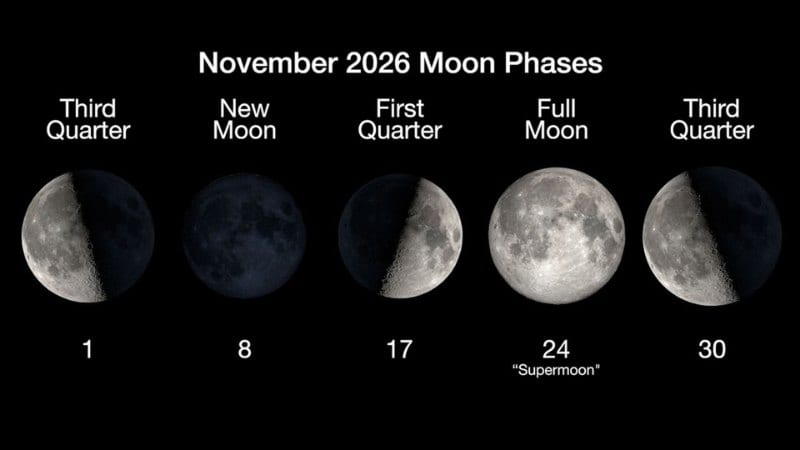
The show stealer for this month will, of course, be the November Supermoon, also called the Beaver Moon. It will attain peak illumination on November 24 at 9:53 a.m. EST but will appear full that night as well as the surrounding evenings. And it's not like the evenings that will follow won't be worth looking forward to either, as various celestial events are set to be visible till the end of the month. Some of them are listed below.
November 25: Uranus at opposition
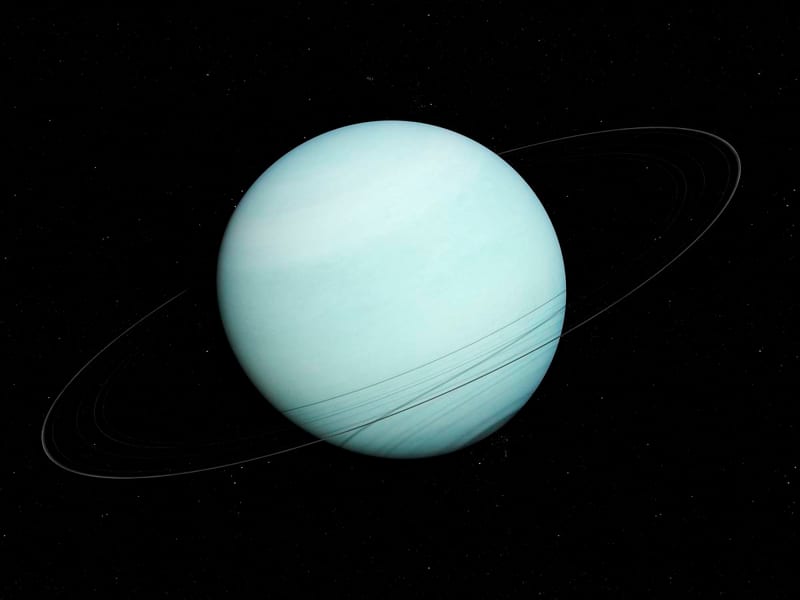
Uranus will reach opposition at 5 p.m. CST (6 p.m. EST) on November 25, per EarthSky. This means that Earth will come directly between Uranus and the Sun, bringing the ice giant closest to Earth and making it appear at its brightest (+5.6 magnitude) for the year. By the time it reaches opposition, Uranus will start rising in the eastern sky at sunset and will be visible all through the night. You can spot the planet lying in front of the Taurus constellation, adjacent to the Pleiades star cluster. But even though it will be shining at its brightest at opposition, you'll still need a pair of binoculars to spot it properly.
November 27: Venus at peak brightness
Venus, also known as the Morning Star, will attain its peak brightness for the year on November 27, glowing at an apparent magnitude of -4.87 in the eastern sky during the pre-dawn hours. At this time, the planet will outshine even the brightest star in the sky, Sirius, glowing 20 times brighter than the latter. The planet will be visible to the naked eye, although a pair of binoculars or a telescope will make for a better experience. Select a location with low light pollution and an unobstructed view of the sky to enjoy the event.
Moon-Jupiter-Mars-Regulus close approach
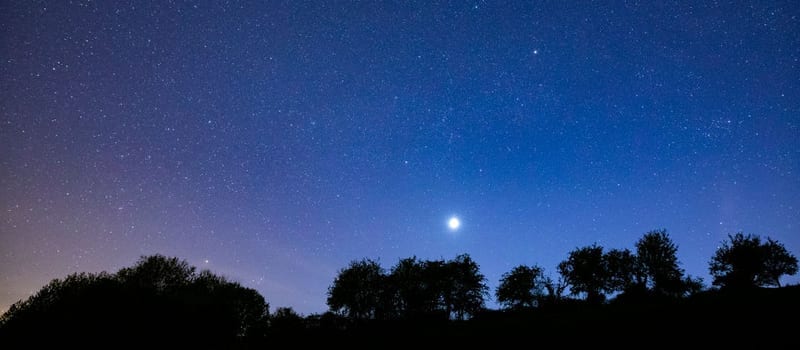
On the morning of November 29, the Moon, nearing its third-quarter phase, will be situated in the eastern sky prior to sunrise, with the planets Jupiter and Mars and Regulus, the brightest star of the constellation Leo, lurking adjacent to it. The next morning, that is, on November 30, the quartet will form an even tighter group in the sky. The Moon can act as the guide, using which you can track Mars, Jupiter, and Regulus.
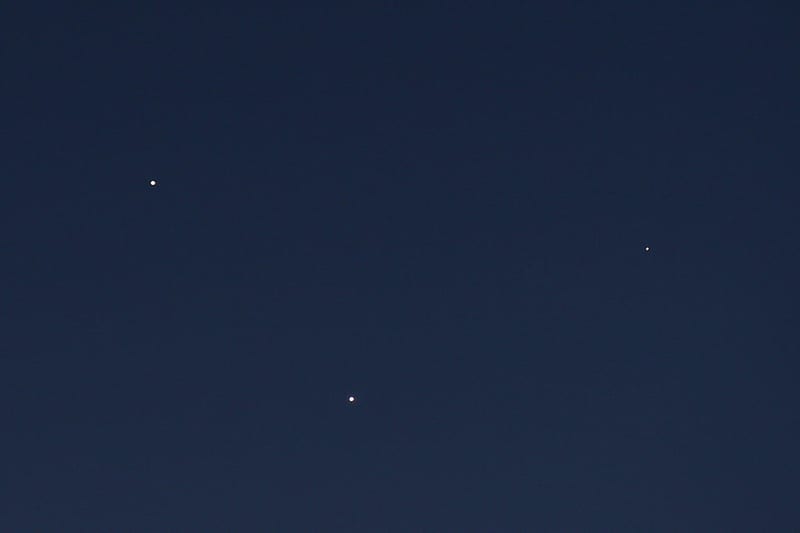
Orion constellation
Catch the magnificent Orion constellation in the sky, a key target for stargazing this November, as it is located opposite the Sun during this time and is at an adequate height. You can spot Orion in the eastern sky by tracing its iconic belt that has three glowing stars, namely Alnilam, Mintaka, and Alnitak. You will also be able to spot Betelgeuse near the three-star belt. This massive star forms one of the shoulders of the Orion constellation and, of course, will glow with its distinct reddish color.
More on Starlust
Leonid meteor shower 2026: When and where to watch the shooting stars in November
Mars is cozying up to Jupiter this November: When, where and how to watch it