Leonid meteor shower 2026: When and where to watch the shooting stars in November
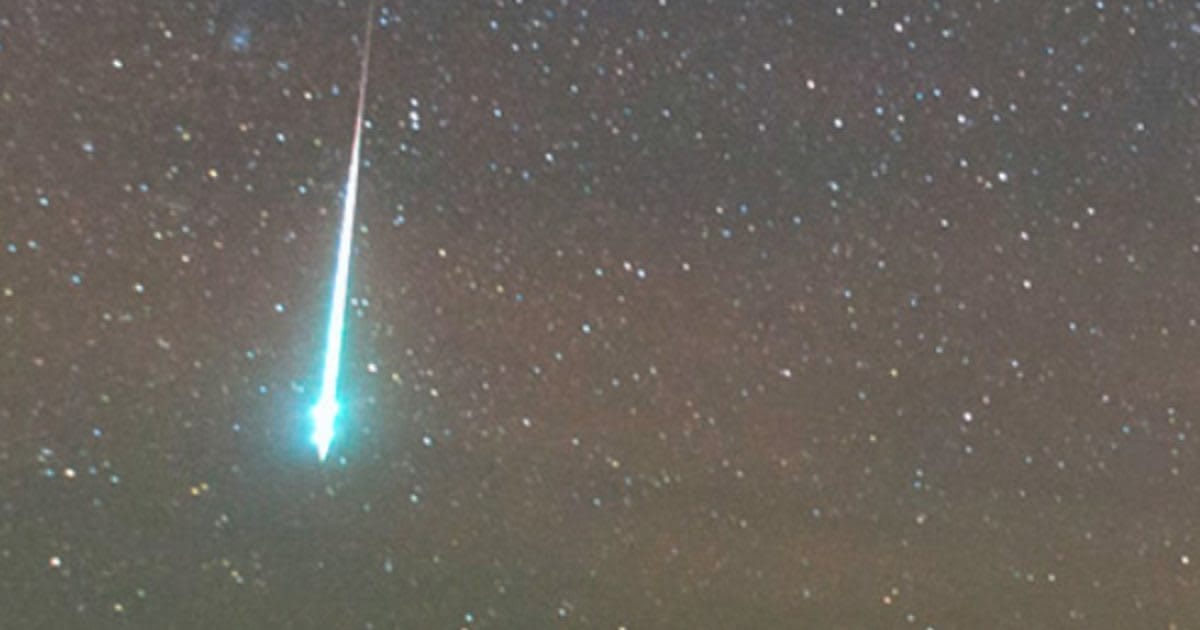
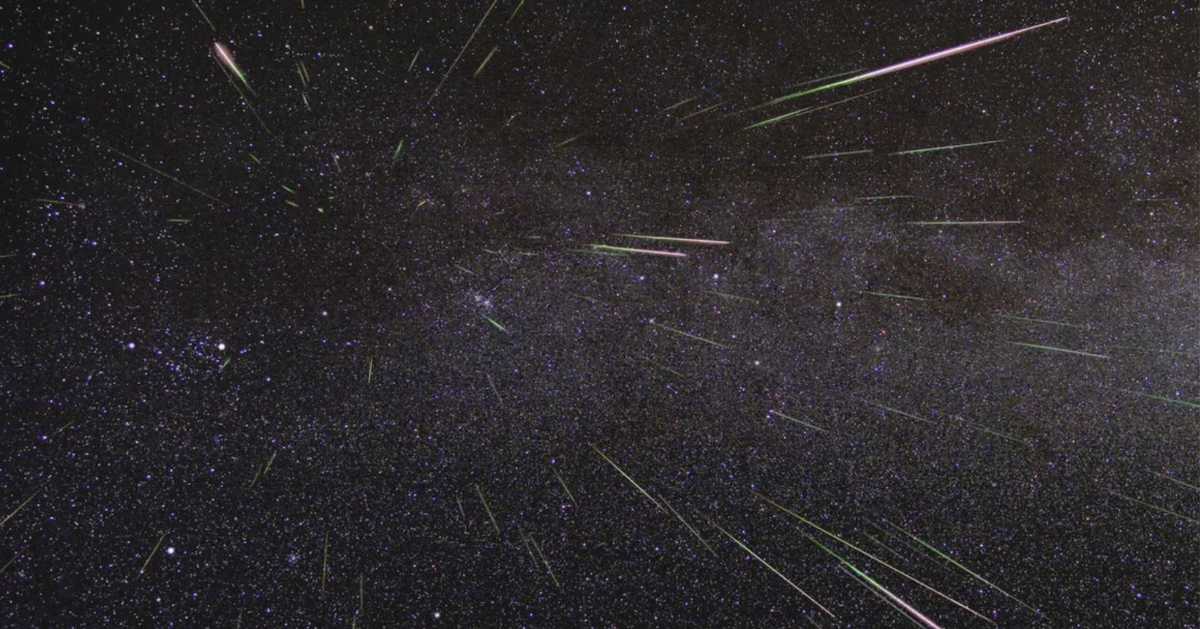
November is all set to bring another light show for skywatchers. We are talking about one of the most fascinating meteor showers of the year, the Leonid meteor shower. It is known to bring some of the fastest shooting stars, which are prominently visible in the night sky and is expected to peak around November 17-18, 2026. If you are planning to gaze at the night sky and make the most of it, this guide will help you understand the location and timing so you know where to capture the most phenomenal Leonids.
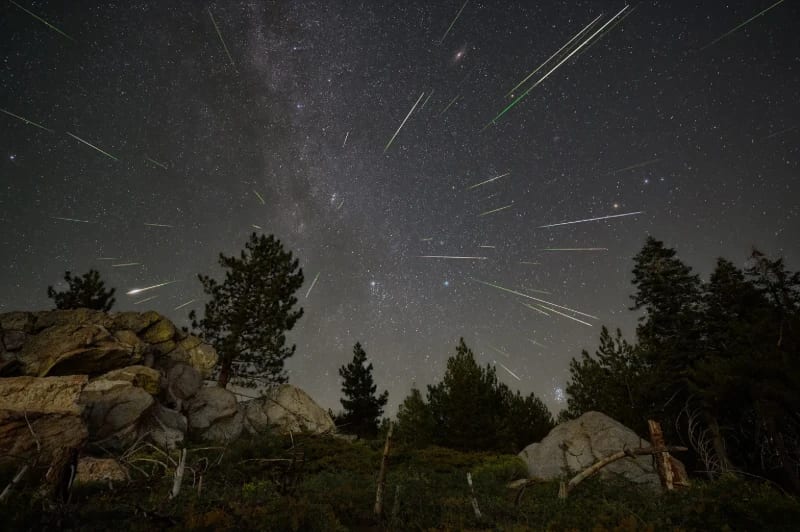
What is the Leonid meteor shower?
The Leonid meteor shower is the annual event that generally peaks mid-November, although it remains active each year from early to late November. This celestial event takes place when Earth passes through the trails of dust and debris left behind by Comet 55P/Tempel-Tuttle, which periodically visits the inner Solar System once every 33 years.
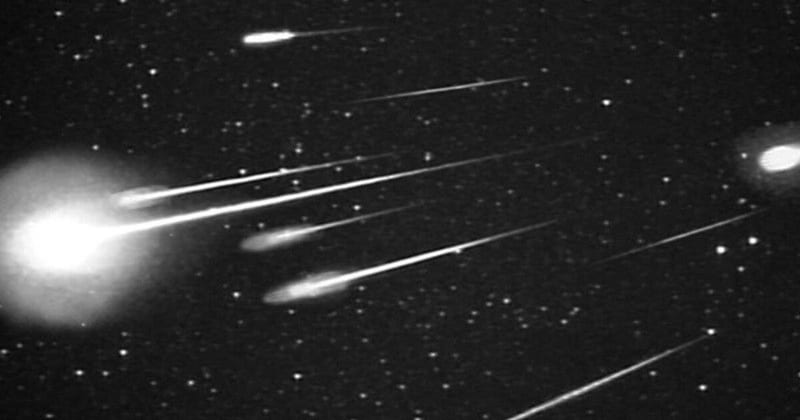
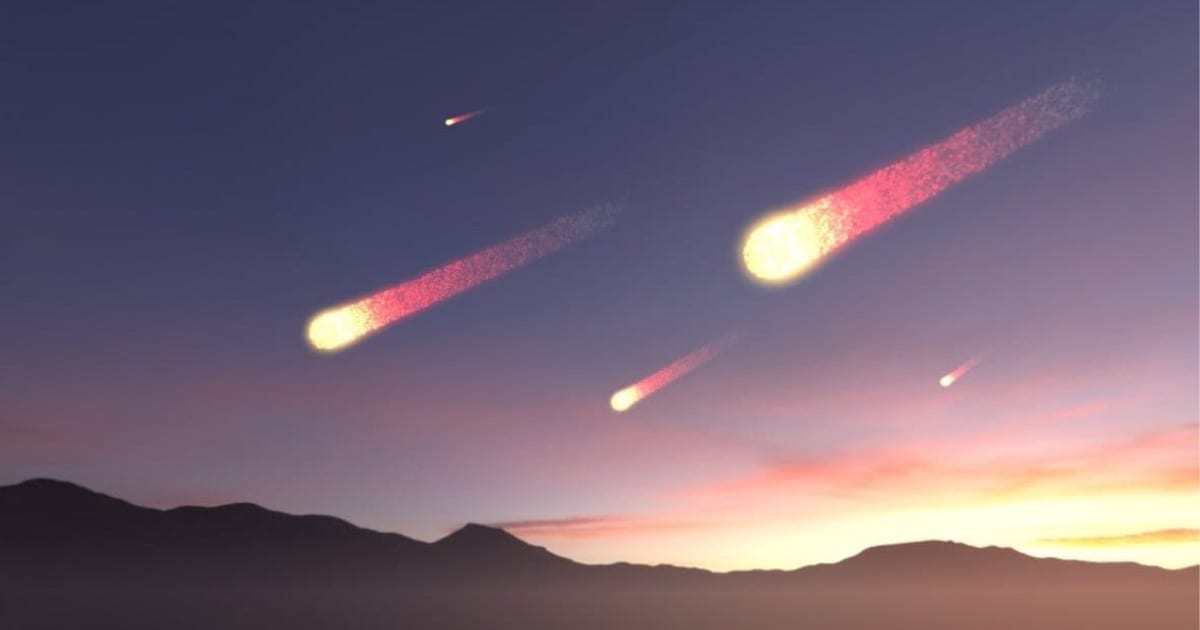
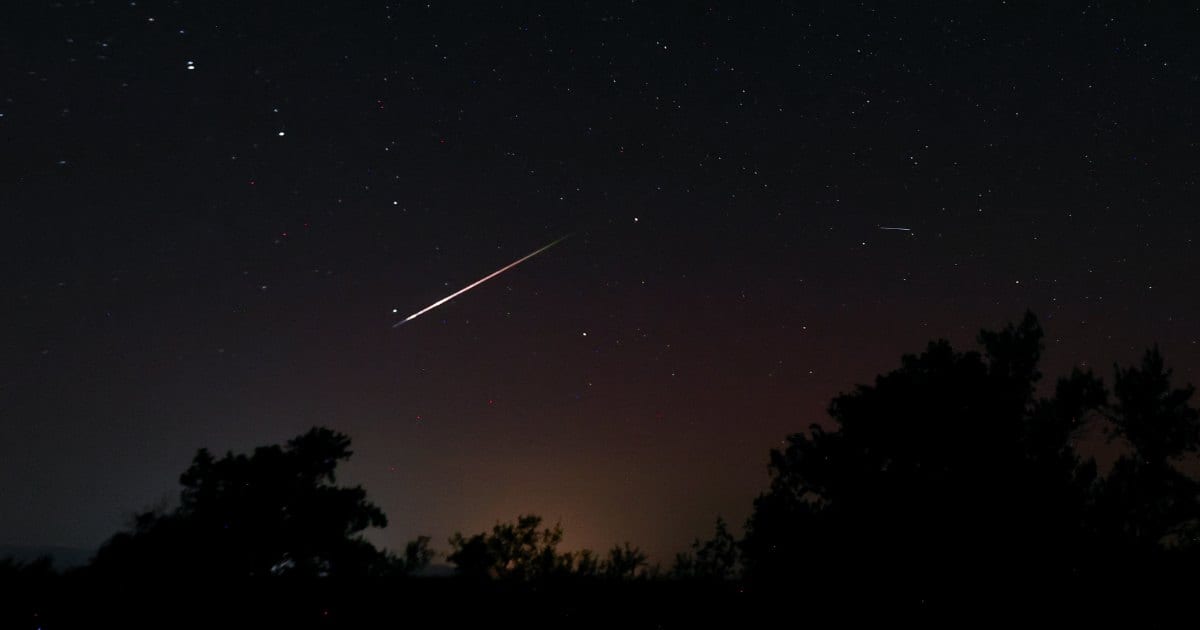
This meteor shower is called Leonids as it appears to originate from a point in the Leo constellation. They are among the fastest shooting stars to look for in the night sky, moving at a speed of around 48 miles (71 kilometres) per second, which is more than 200 times faster than a rifle bullet.
When will the Leonid meteor shower peak in 2026?
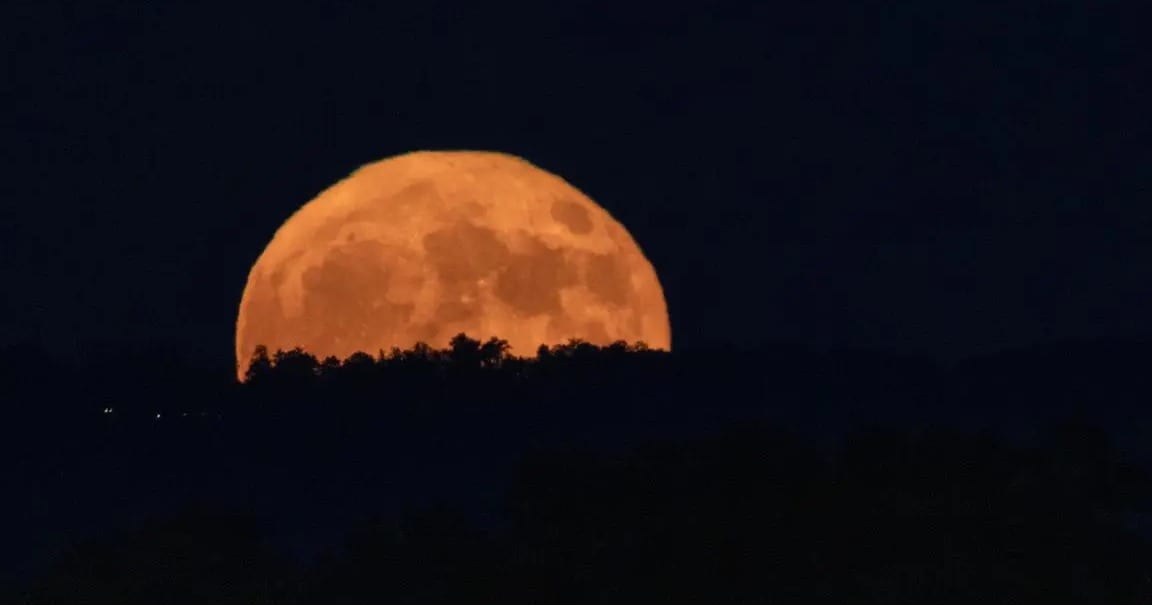
This year, the Leonid meteor shower will reach its peak on November 17, 2026, and the best time to watch is during the pre-dawn hours. It will be visible from both the Northern and Southern Hemispheres; however, the best viewing conditions are most favourable in the Northern Hemisphere. Another advantage for skywatchers is that the Moon will be 55% illuminated, so the moonlight won't hinder the sightings of the fireballs.
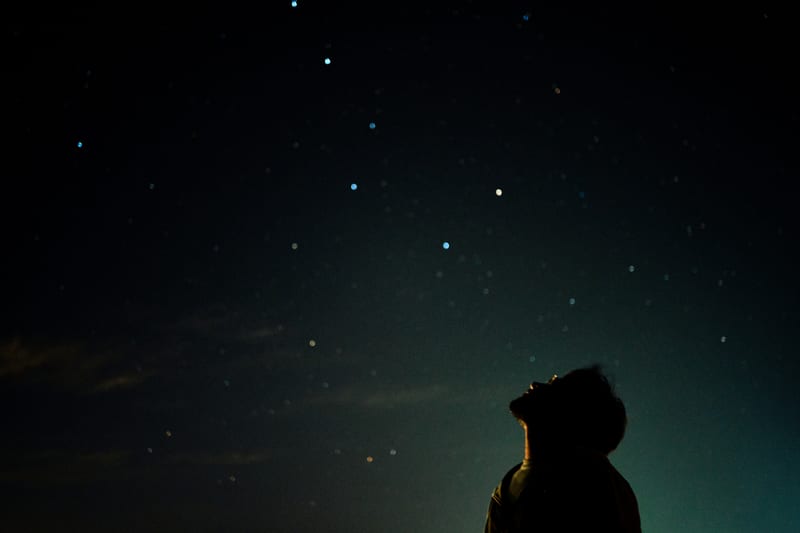
According to the International Meteor Organization, the Zenithal Hourly Rate (ZHR), which means the number of meteors that can be observed in an hour during peak activity when the conditions are ideal for watching the night sky, is around 15 meteors per hour. Realistically, observers can expect 10-12 meteors per hour from a dark site, 4-5 from a suburb and 1-2 from a city.
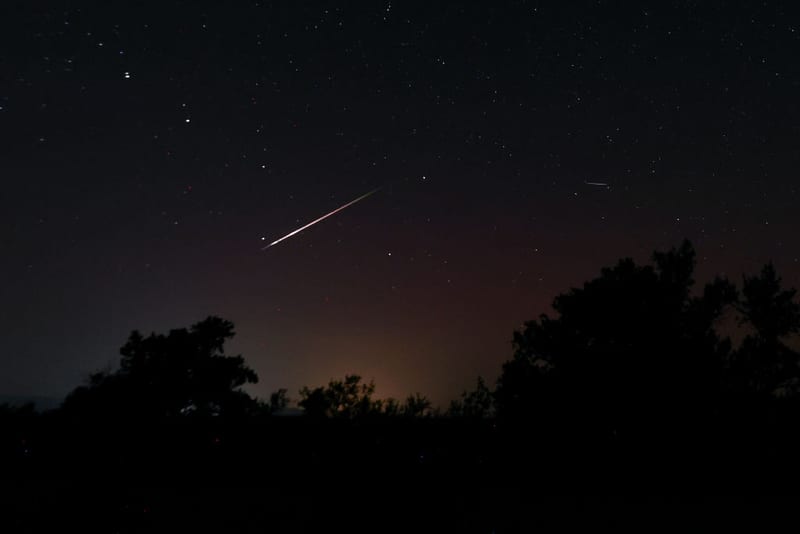
Tips to watch the Leonid meteor shower
Here are some tips to make the most of this event for skywatchers around the world:
Choose a safe spot with a wide view of the eastern and southern night sky.
You do not need a telescope or binoculars to observe the Leonid meteor shower. As it is visible across the night sky, you will be able to observe it with the naked eye.
Light pollution can affect the viewing experience more than anything else. So, find a place away from the city lights and streetlights, a dark site that can multiply the probability of spotting the meteor shower.
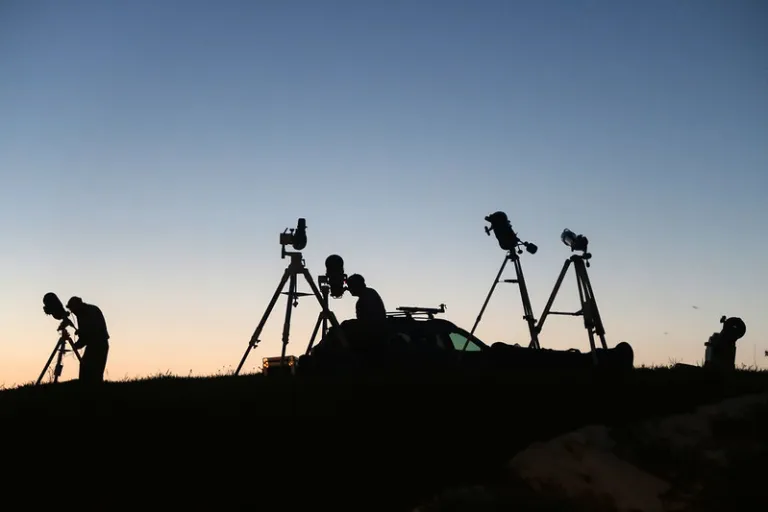
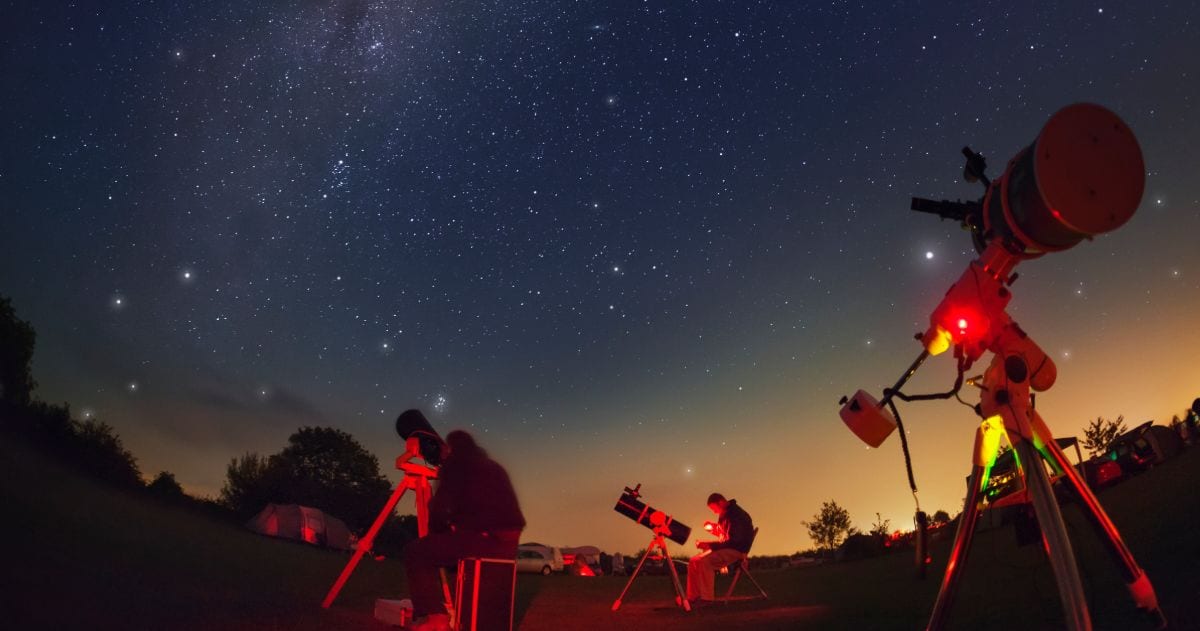
Skywatchers are ready with their setup to observe the meteor shower (Image Source: NASA) As already mentioned above, the Leonid meteor shower produces around 10-15 meteors per hour under ideal conditions, so viewers should be patient while observing the night sky.
If you are located near the mountain regions, they can help to block lights and give the best view of the night sky.
Try to avoid looking at your cell phone and let your eyes adjust for around 20-30 minutes to the brightness to get the best view afterwards.
More on Starlust
'Like a shot': 2-foot-wide meteoroid explodes off the coast of Key West in Florida
Fireball spotted over southern Tennessee by NASA on November 5