Here's why the moon turns red during a total lunar eclipse
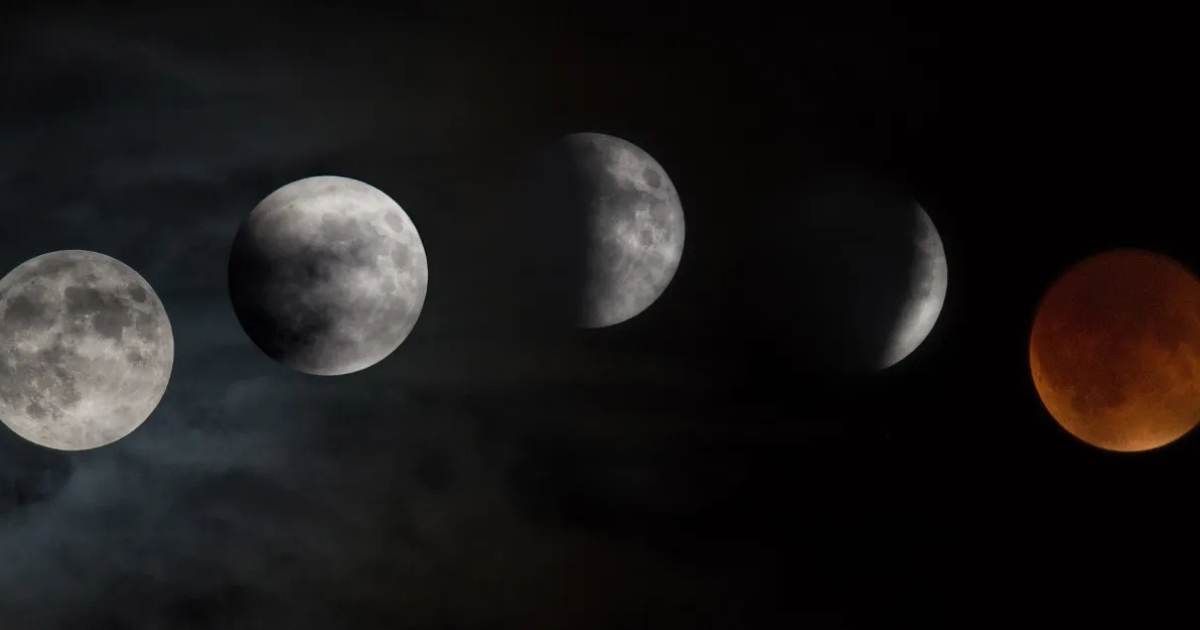
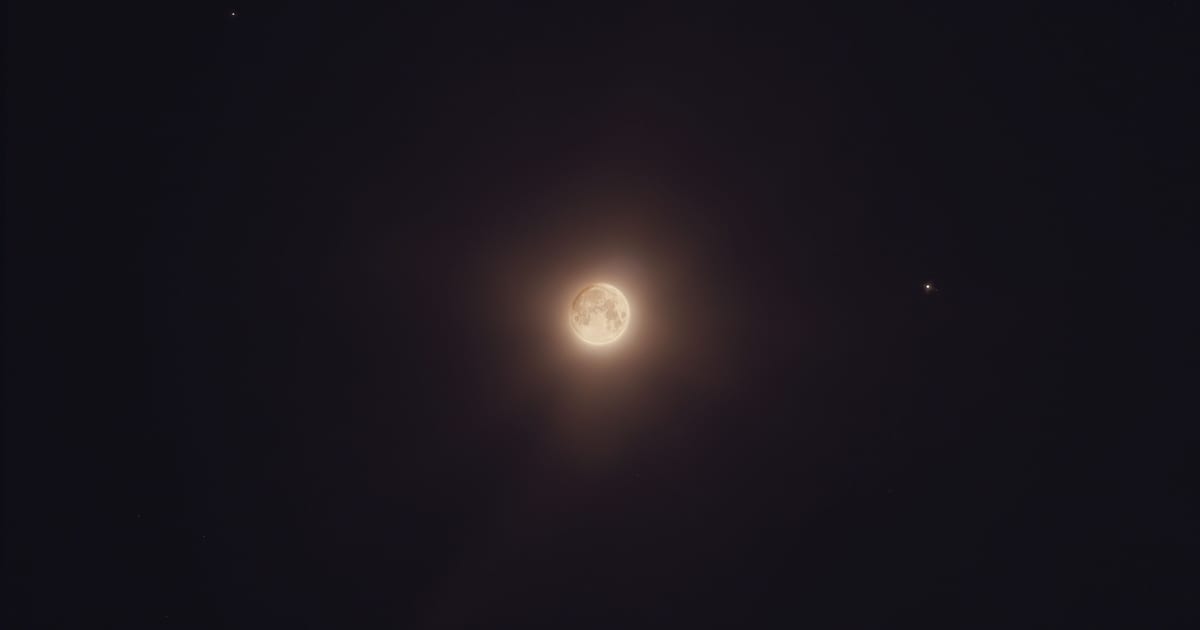
A celestial ballet between the Sun, Earth, and Moon can transform a full moon into a deep, crimson spectacle, a phenomenon often referred to as a "blood moon." This dramatic shift in color during a total lunar eclipse is not magic, but a result of atmospheric optics, per NASA.
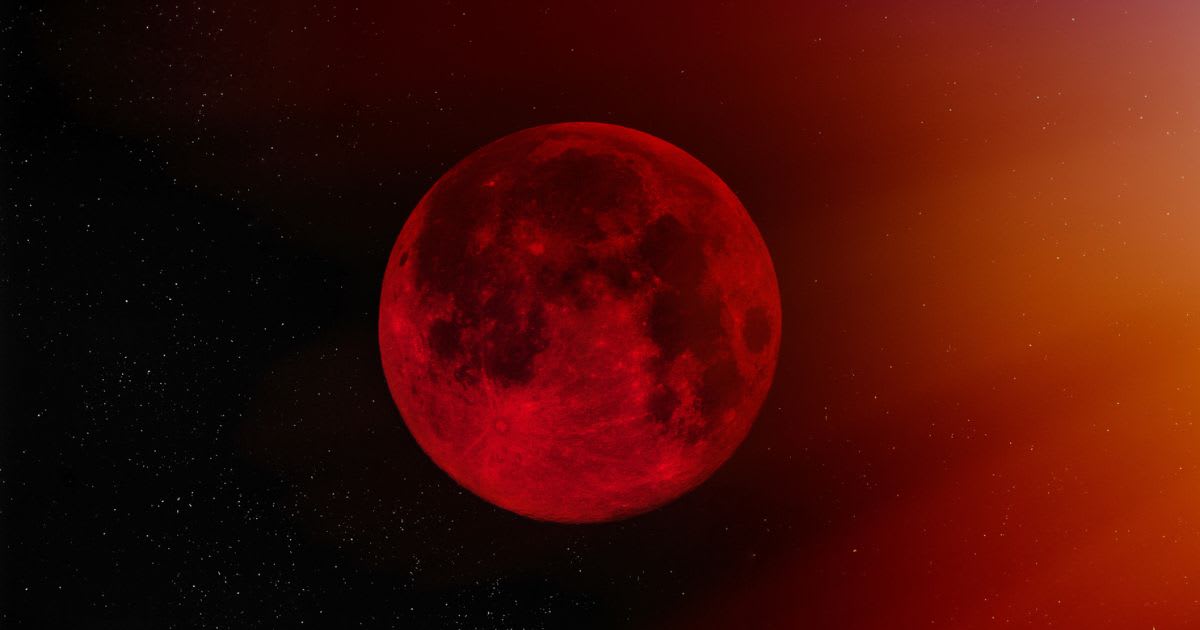
During a total lunar eclipse, the Earth positions itself directly between the Sun and the Moon, casting a complete shadow on the lunar surface. However, some sunlight still manages to reach the Moon. As this light passes through Earth's atmosphere, the short-wavelength light, blues and violets, is scattered away by molecules and particles in our atmosphere. Meanwhile, the longer-wavelength light, such as reds and oranges, continues its journey, bending around the edges of our planet and illuminating the Moon. The result is a ghostly, reddish glow. The hue's intensity can vary, becoming more vivid if the Earth's atmosphere contains more dust or clouds at the time of the eclipse.
In contrast, a partial lunar eclipse occurs when the Sun, Earth, and Moon are not in perfect alignment. This causes only a portion of the Moon to be covered by the Earth's darkest shadow, creating a crescent of shadow on the lunar surface. For a subtler event, a penumbral eclipse takes place when the Moon passes through the Earth's faint outer shadow, called the penumbra. The change in the Moon's brightness is often so slight that it can be unnoticeable to the naked eye.
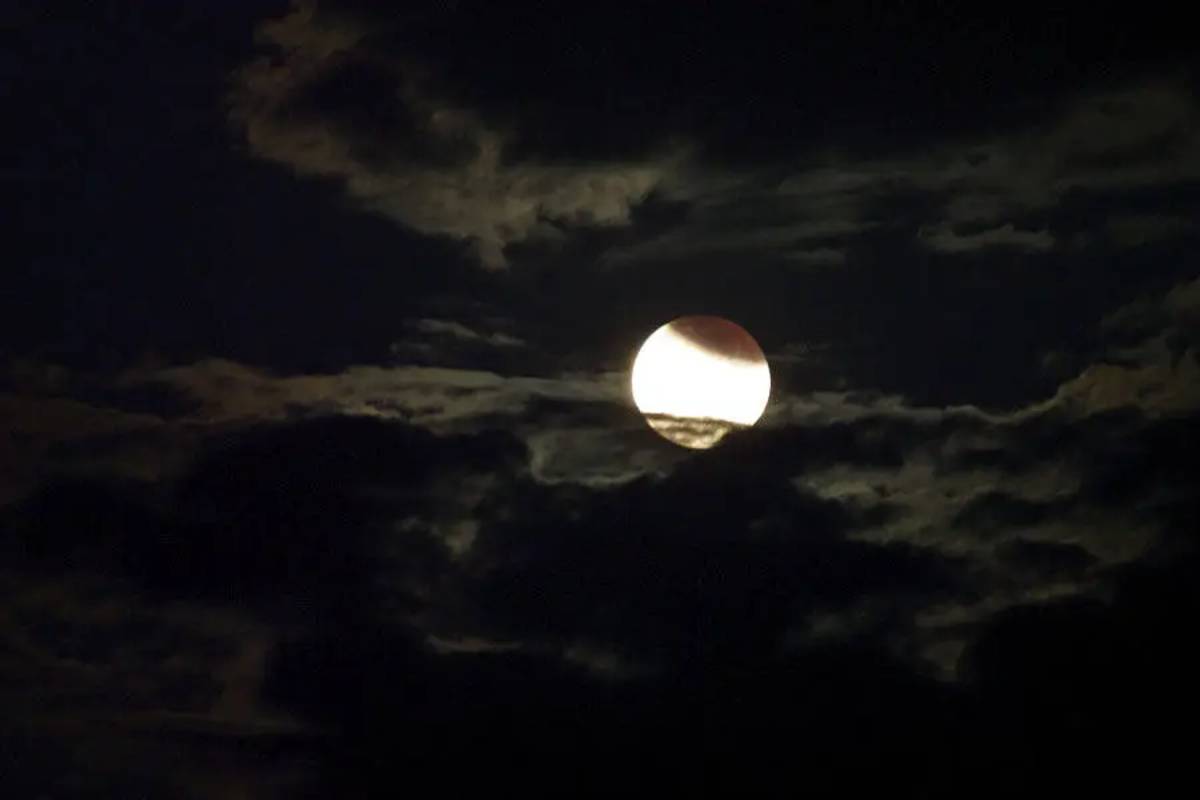
With the scientific principles established, the stage is set for a stunning celestial event. Skywatchers are in for a treat this week as a stunning total lunar eclipse, the longest since 2022, prepares to unfold. This celestial event, expected to be visible to roughly 85% of the world's population, will see the Moon enveloped in a striking reddish hue for approximately 82 minutes. The spectacle will occur on September 7 and 8, 2025, with the timing of each phase synchronized globally. While every viewer will witness the stages at the same moment, the ability to see the eclipse depends on whether the Moon is above the horizon at your specific location.
Viewers in Asia and Western Australia will have the best seats in the house, able to observe the entire event from beginning to end. Meanwhile, those in Europe, Africa, Eastern Australia, and New Zealand will catch only a partial glimpse of the phenomenon. The total eclipse begins at 1:30 p.m. EDT on September 7, reaching its peak at 2:11 p.m. EDT, before the full eclipse phase concludes at 2:52 p.m. EDT. A clear night sky and a simple pair of binoculars are all you need to enjoy this breathtaking display. While some locations will witness the full show, others may see the Moon rise or set while the event is already in progress.
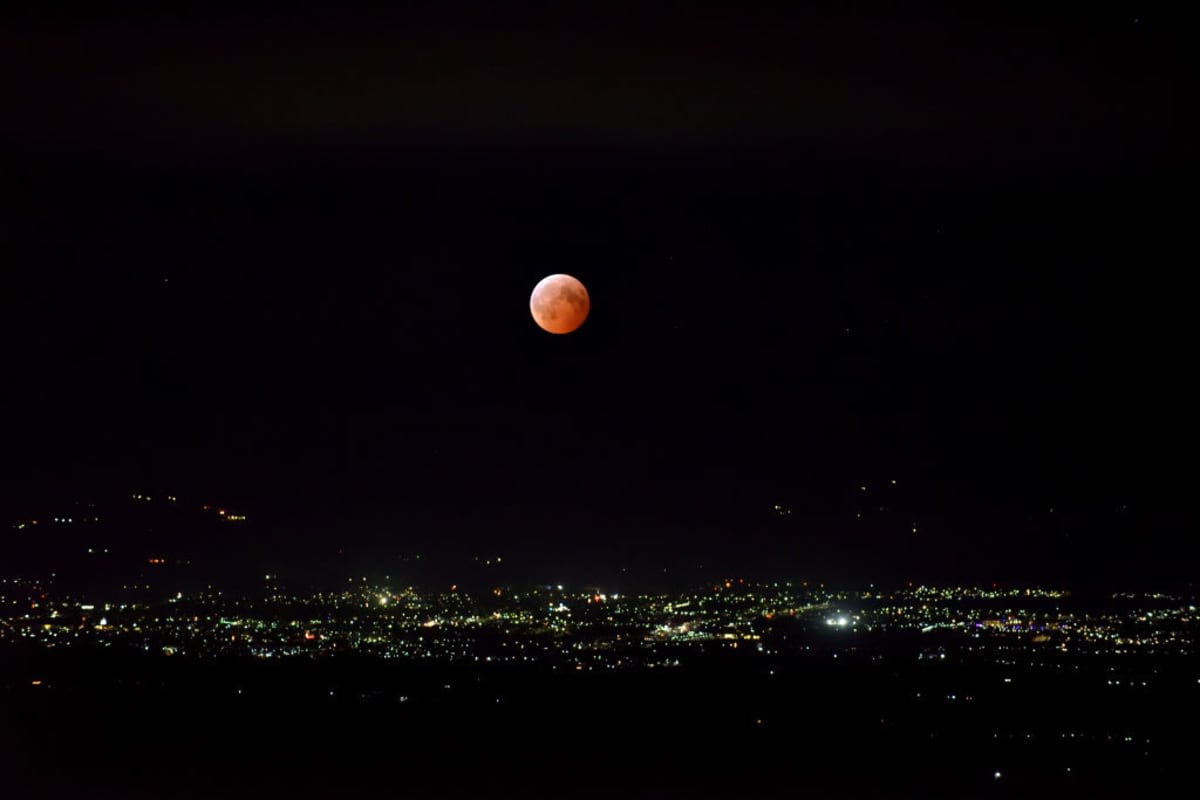
Beyond its sheer visual beauty, this event offers a unique opportunity for people across the globe to connect with the cosmos. It's a powerful reminder of our place in the solar system and provides a chance for both amateur and professional astronomers to observe and study our celestial neighbor without the need for specialized equipment.
More on Starlust
The Moon will turn blood red this week—when and how to watch September's total lunar eclipse