Catch a glimpse of the Dumbbell Nebula—the first planetary nebula ever discovered—in August's night sky
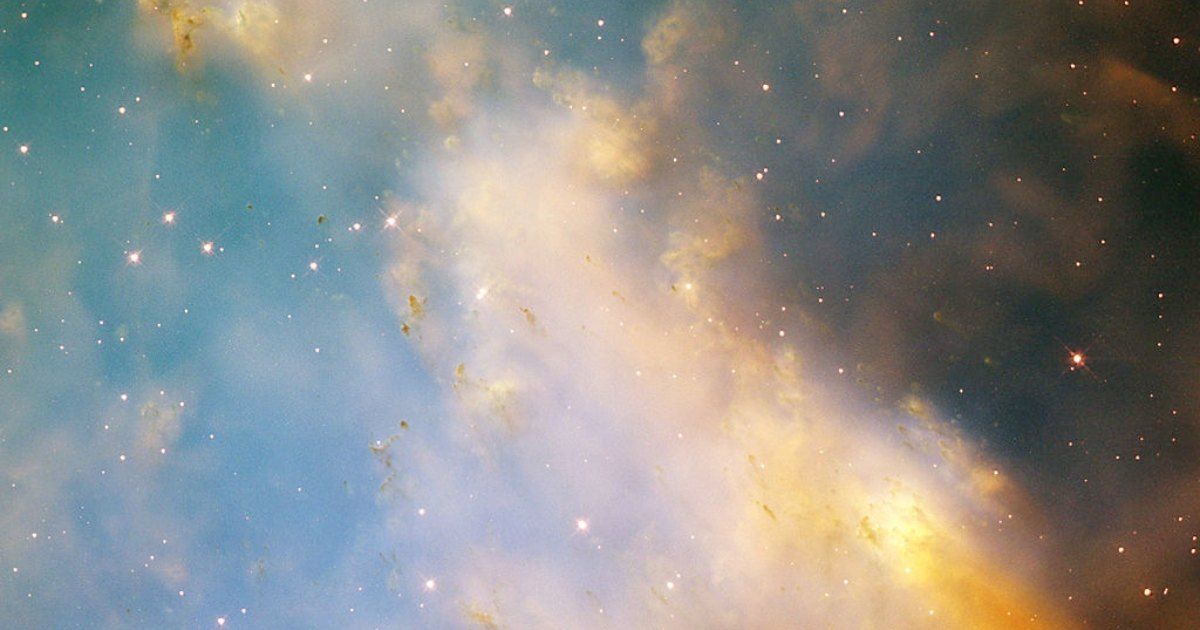
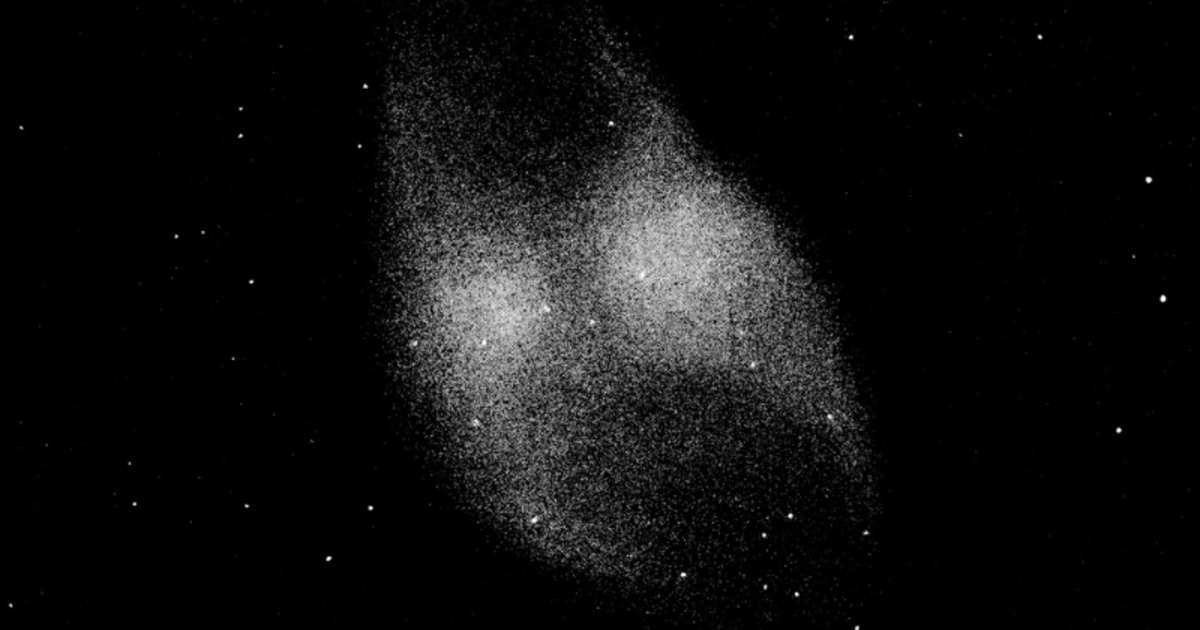
An array of sights has been in store for stargazers this month, and one of the attractions of the August night sky is the Dumbbell Nebula. This is the first planetary nebula to be discovered and was spotted by Charles Messier in 1764, as per NASA. Messier 27 hosts several knots of gas and dust and was nicknamed for its dumbbell-like shape. The nebula will be seen within the Summer Triangle star pattern during the first half of the night, as per reports by NASA. These patterns of stars are easily found in the August sky, and the nebula will be about a third of the way between its bright stars Altair and Deneb.
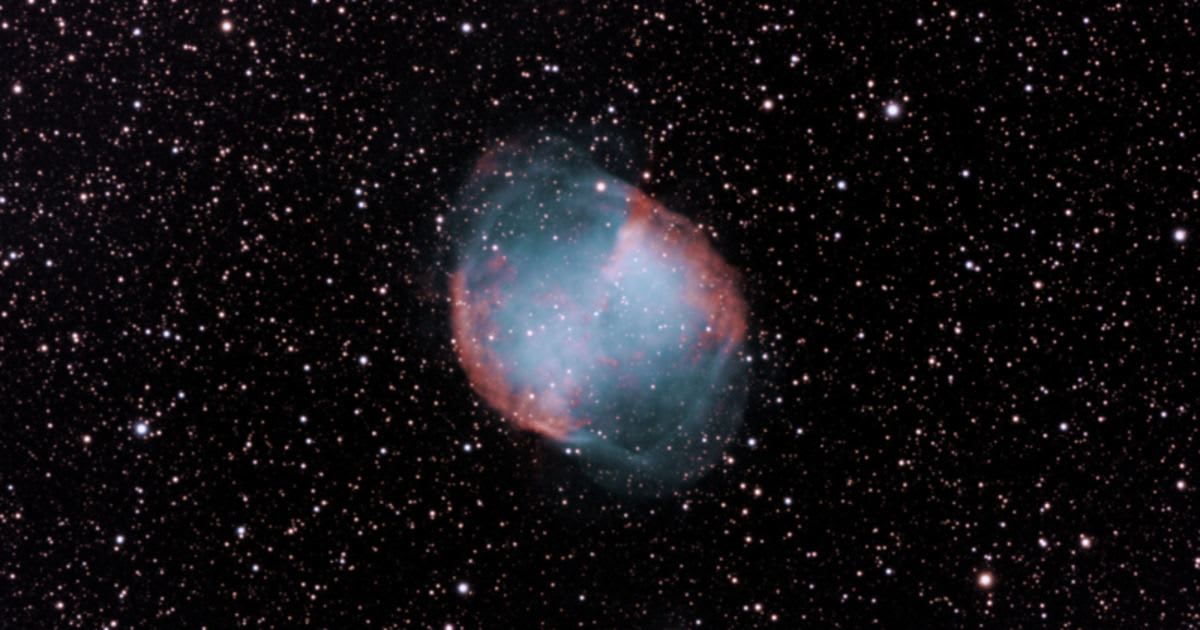
The Dumbbell Nebula will be visible as a small, faint patch of light through binoculars and small telescopes. The nebula is around a quarter of the width of the full moon. Planetary nebulae are the result of aging stars like our sun, when nuclear fusion stops inside them from age. They push off the outer layers and leave behind a hot remnant known as the white dwarf. This produces large amounts of bright ultraviolet light, making the nebula shine from inside. The expanding shell of gas of the outer layers absorbs the UV light and re-radiates it as visible light.
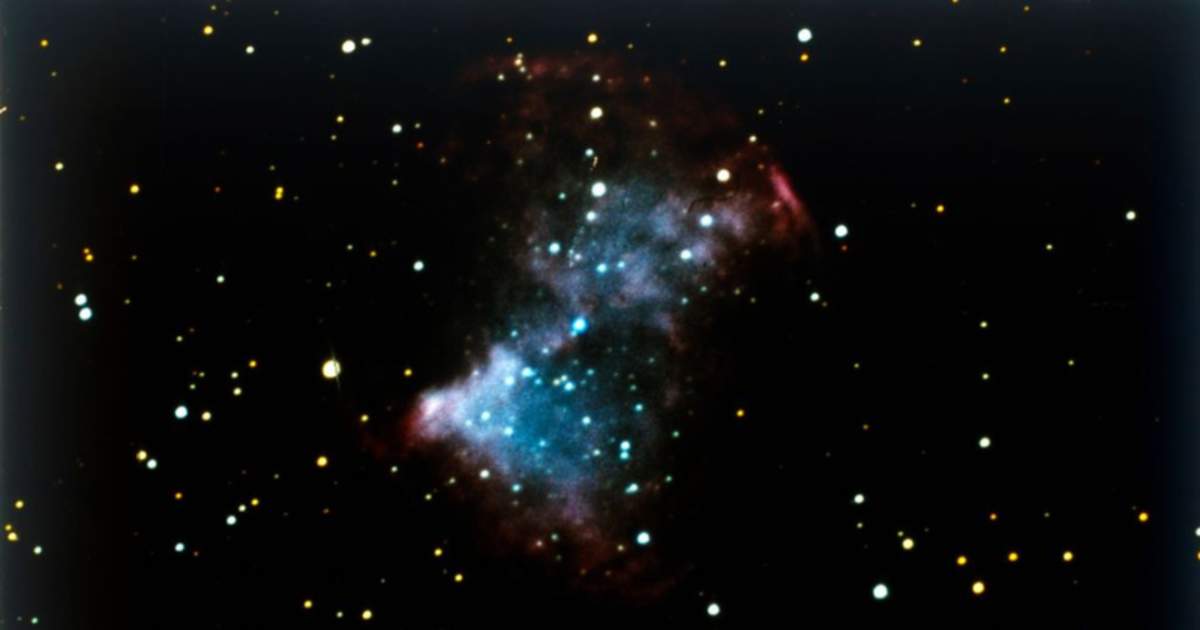
The M27 is referred to as a planetary nebula due to its round, planet-like appearance when seen through a telescope. It is located 1,200 light-years away in the constellation Vulpecula, according to NASA. The sizes of the materials of the nebula range from 17 billion to 56 billion kilometers, and each knot of gas and dust weighs as much mass as three Earths. These knots are natural to a nebula and formed a tail when lighter particles were easily blown away. Though the dumbbell nebula is not visible to the naked eye, one does not require advanced equipment to see it.
From Vienna, Austria 🇦🇹 - The Dumbbell Nebula (M27) captured in SkyViewer.
— Skymapper (@Skymapperspace) August 29, 2025
An icon of the summer sky in the northern hemisphere can now be viewed and shared through our decentralized telescope network🔭 pic.twitter.com/NFZF6PSsiW
The enormous formation that sheds its outer layers in a display of unique colors will be a sight in the night sky. Considered to be one of the easiest-to-observe nebulae in the sky, its position is an advantage for observers in the Northern Hemisphere. According to USA Today, the sight will be high in the sky anywhere in the United States this month and a little into September. The basic needs of a clear sky and lack of light pollution could make the experience much clearer. People will not need to rely on state-of-the-art equipment for their pursuit of observing the nebula.
The Dumbbell Nebula 🌌
— 🔭AstroBackyard (@AstroBackyard) August 17, 2025
This is one of the easiest nebulae to see and photograph in the night sky (seriously). It can easily be seen with a modest telescope or even binoculars.
My latest picture of the Dumbbell Nebula was taken using a Newtonian reflector telescope that pairs… pic.twitter.com/5toyT0ZhoV
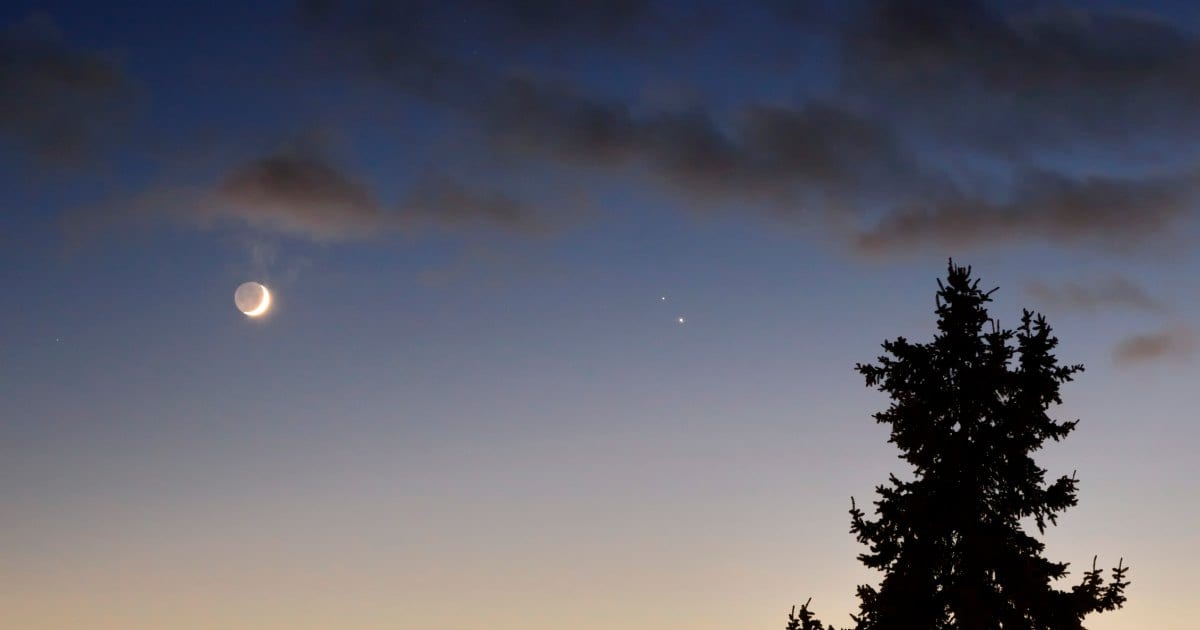
August has been a month filled with interesting sights in the sky, according to NASA. Jupiter and Venus will be bright in the east before sunrise throughout the month, as they come closer with the days. On the early morning of the 11th and 12th of August 2025, these planets were found to be the closest. This planetary meeting is taking place with bright stars like Orion, Taurus, Gemini, and Sirius in the background. On the mornings of the 19th and 20th, a slim crescent moon slipped into the backdrop before Jupiter and Venus separated again.
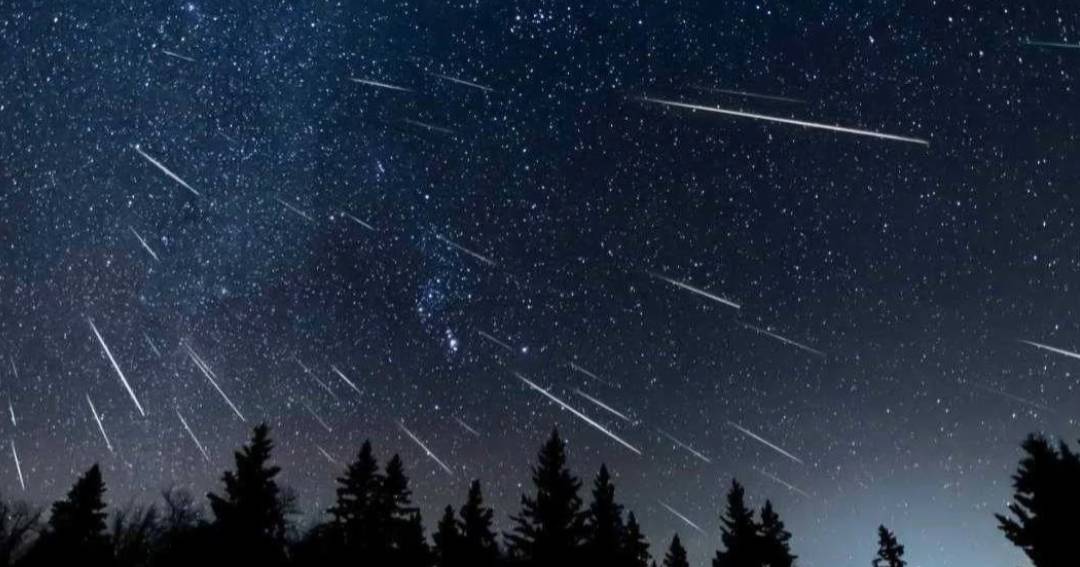
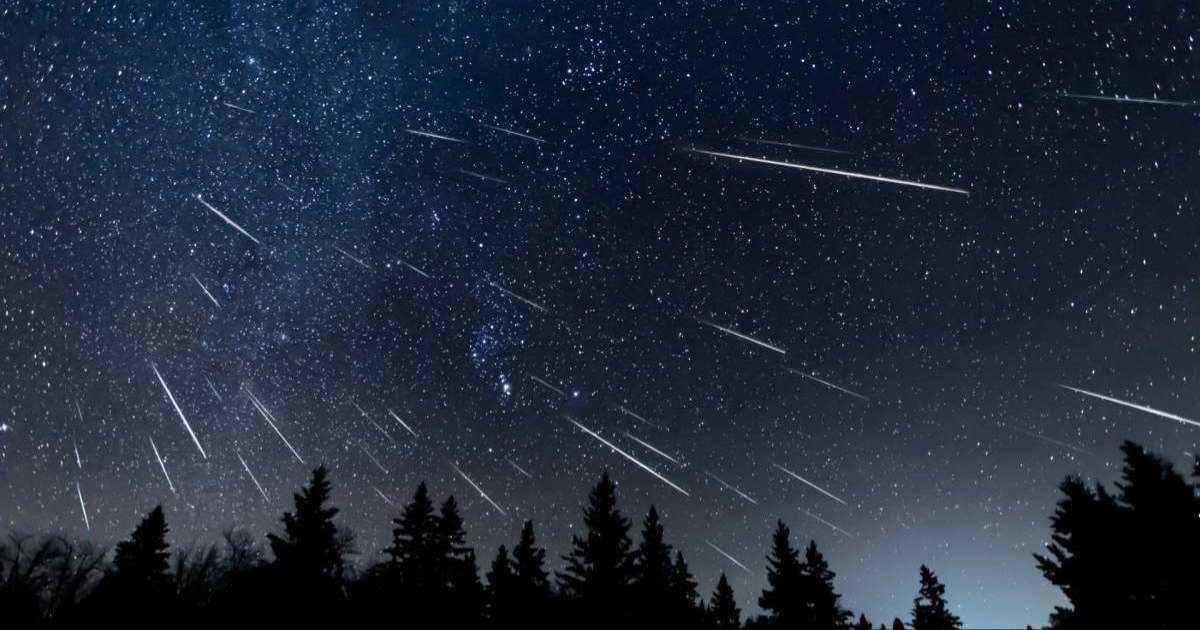
Another wonderful sight that filled the night skies of August was one of the best annual meteor showers. The Perseids meteor shower peaked on the night of August 12th and remained so into the 13th. However, this year’s showers faced the obstacle of the full moon on the peak night as the glare washed out the less bright ones. This disappointment could be lifted later in the year as the sky prepares for the Geminids meteor shower in December on a night without the moon. The nebula is another gorgeous pearl that is strung to the series of events in the August night sky.