'Like a shot': 2-foot-wide meteoroid explodes off the coast of Key West in Florida
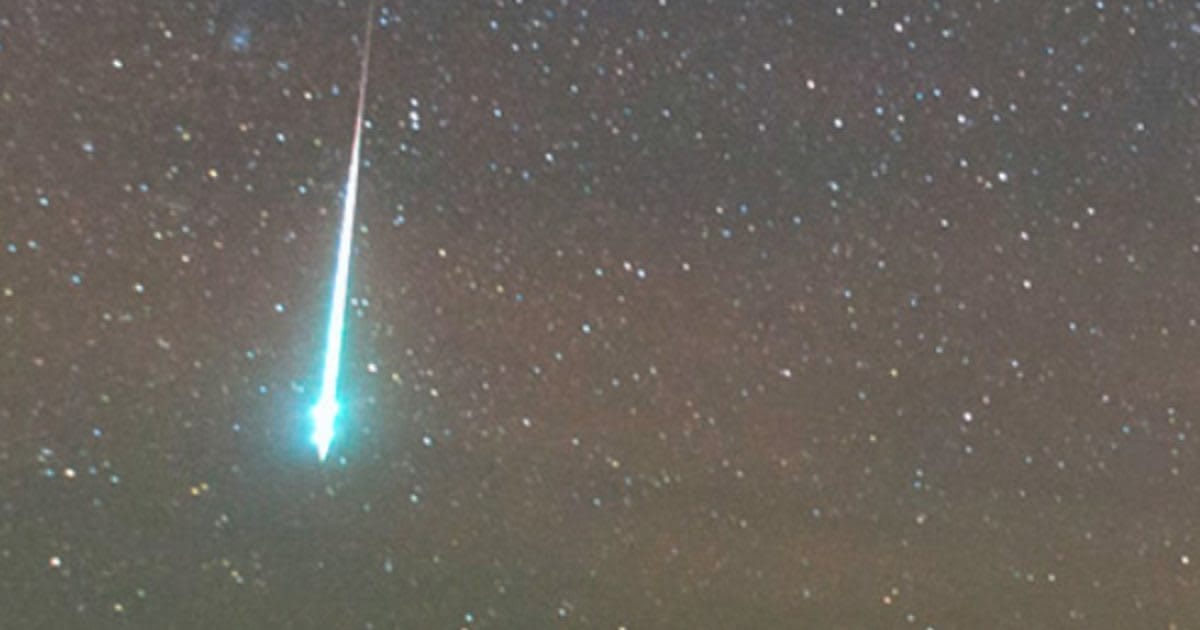
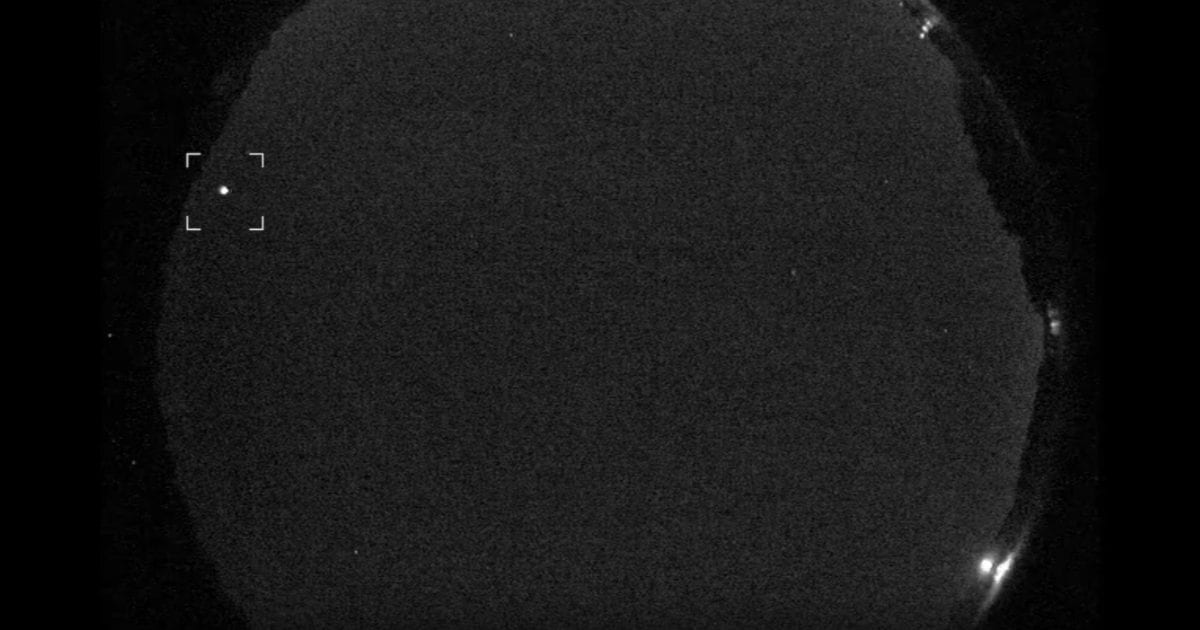
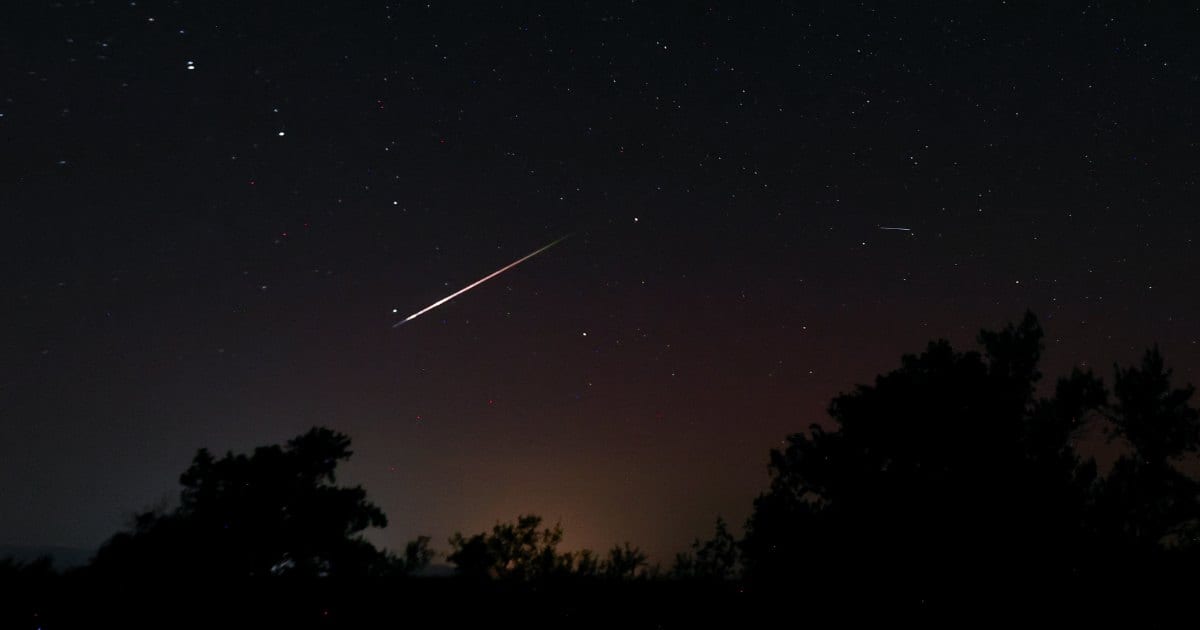
A bright fireball was seen streaking across the skies off the southern coast of Florida during the evening hours of November 8, 2026. NASA confirmed that the meteor—designated as 20261109-030003—exploded at 10:00 p.m. EST above a region to the northwest of the island of Key West in Florida. At the time of writing, over 160 eyewitness reports from Florida and Cuba had reached the American Meteor Society in relation to what was a bolide.
#MeteorSighting: Several witnesses reported sighting a fireball off the west coast of Florida on Nov. 8 at 10 p.m. ET. The event was confirmed by multiple publicly accessible cameras in the region, as well as by the Geostationary Lightning Mapper onboard the GOES-18 and GOES-19 satellites. The object - caused by a small, 2 foot fragment of an asteroid - was first spotted above a point in the Gulf due west of Islamorada. It traveled southwest at 54,500 mph before disintegrating above the ocean, northwest of Key West. More on this fireball: https://t.co/WPeYn1EdgM Supplemental data was provided by the American Meteor Society
— NASA Space Alerts (@NASASpaceAlerts) November 9, 2026
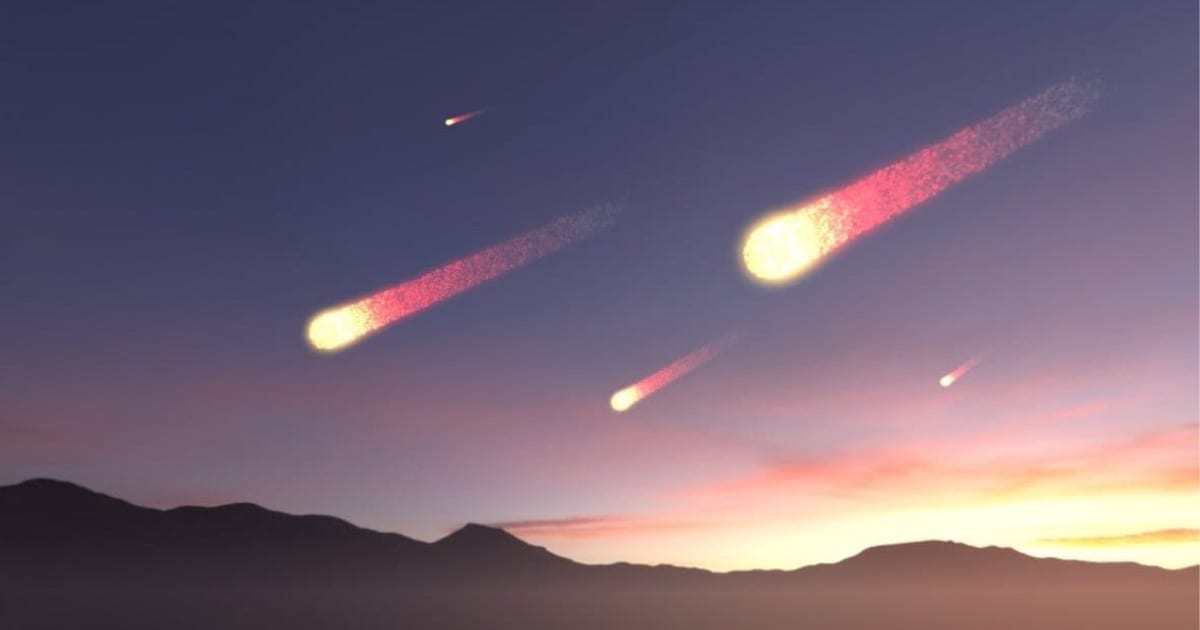
A bolide is an unusually bright meteor that can be seen from far away. In this instance, one of the witnesses of the event was located hundreds of miles to the west in the Gulf of Mexico. Their description from their vantage point on a ship read, “After initial flash, it had a sparkling tail for about 3 seconds.” Other citizen reports described the meteor as one that was very bright and left a prominent trail, while lighting up the sky. A few reports also described a delayed sound, with one describing a faint whistling sound and another stating, “Like a shot, then I turned and I saw the light in the sky.”
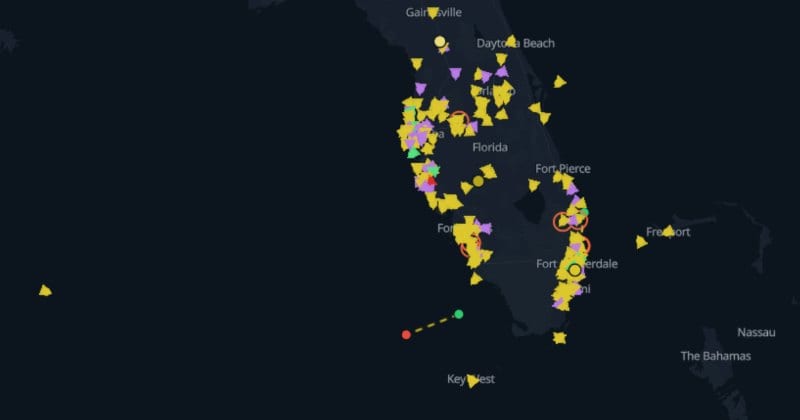
The meteor was first spotted at a height of about 54 miles above a point in the Gulf of Mexico, west of the Islamorada group of islands. After the meteoroid entered the atmosphere, it traveled due west with a slight southern tilt for about 30 miles before fragmenting 35 miles above the ocean. The disintegration occurs due to the shock waves generated from gas compressing in front of the object. This happens because of the extreme speeds of meteors, and in this case, analysis showed it to be traveling at over 15 miles per second. It had formed after being broken off from a larger asteroid and measured in at 2 feet across.
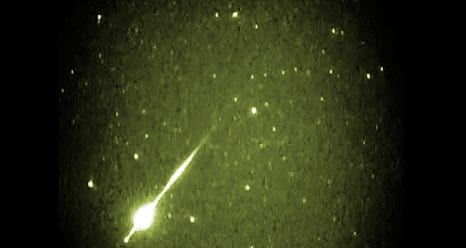
This comes a mere three days after another fireball was spotted over southern Tennessee. This meteor was a silent one, as a couple of other meteors dating back to August have been. This could have been due to their smaller sizes in relation to 20261109-030003. The difference in colors observed by the eyewitnesses in this instance—showing a variation between green, red, and blue—could be due to the different atmospheric conditions between the meteor and the observers, as well as the chemical composition of the meteoroid itself. As with Thursday's meteor, NASA did not clarify whether this one was part of any ongoing meteor showers, such as the Northern Taurids and Southern Taurids.
According to NASA, the event was recorded by the Geostationary Lightning Mapper instrument onboard the GOES-18 and GOES-19 satellites. These satellites are a part of the Geostationary Operational Environmental Satellites-R series program and keep watch over one side of Earth—starting from the west coast of Africa to New Zealand and from near the Arctic Circle to the Antarctic Circle. The GOES-R Program is a collaborative effort between the National Oceanic and Atmospheric Administration (NOAA) and NASA.
More on Starlust
How to see the Leonid meteor shower in 2026: Citywise rise and set timings for the U.S.