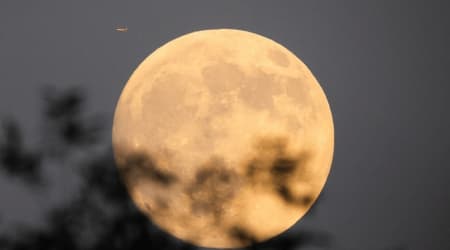
August's 2025 Full Sturgeon Moon captivates skywatchers as it brilliantly illuminates the night sky
The Sturgeon Moon reached its peak illumination on Saturday, August 9, at 7:54 a.m. UTC (3:54 a.m. ET).
UPDATED AUG 11, 2025
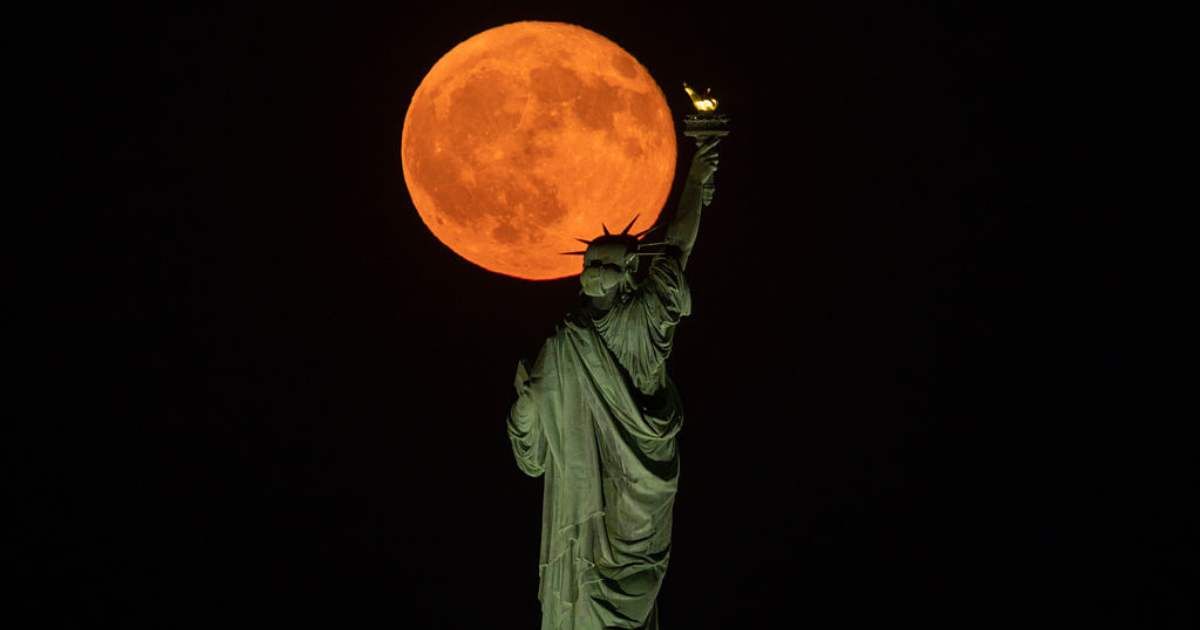
The full Sturgeon Moon rises behind the Statue of Liberty in New York City on August 9, 2025, as seen from Jersey City, New Jersey. (Cover Image Source: Getty | Gary Hershorn)

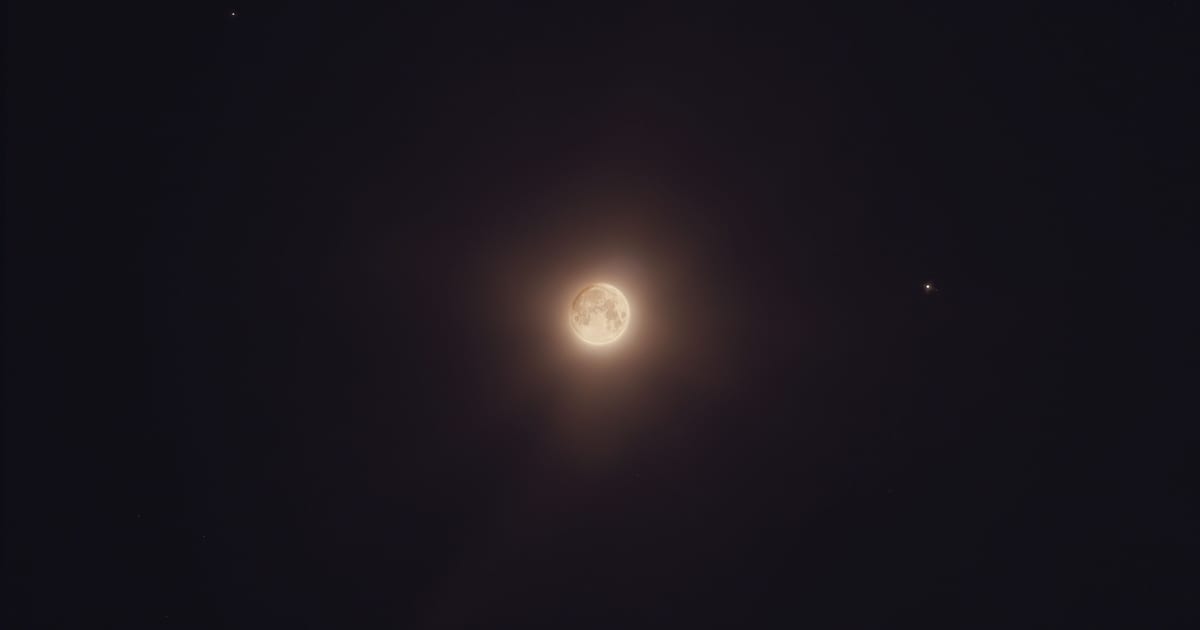
A celestial spectacle, the Sturgeon Moon, reached its peak illumination on Saturday, August 9, at 7:54 a.m. UTC (3:54 a.m. ET), offering a brilliant show for skygazers. While the full lunar display officially peaked over the weekend, the Moon has appeared full to the naked eye for several days surrounding its zenith. This particular full moon is notable for its all-night visibility, rising as the Sun sets and setting as the sun rises.
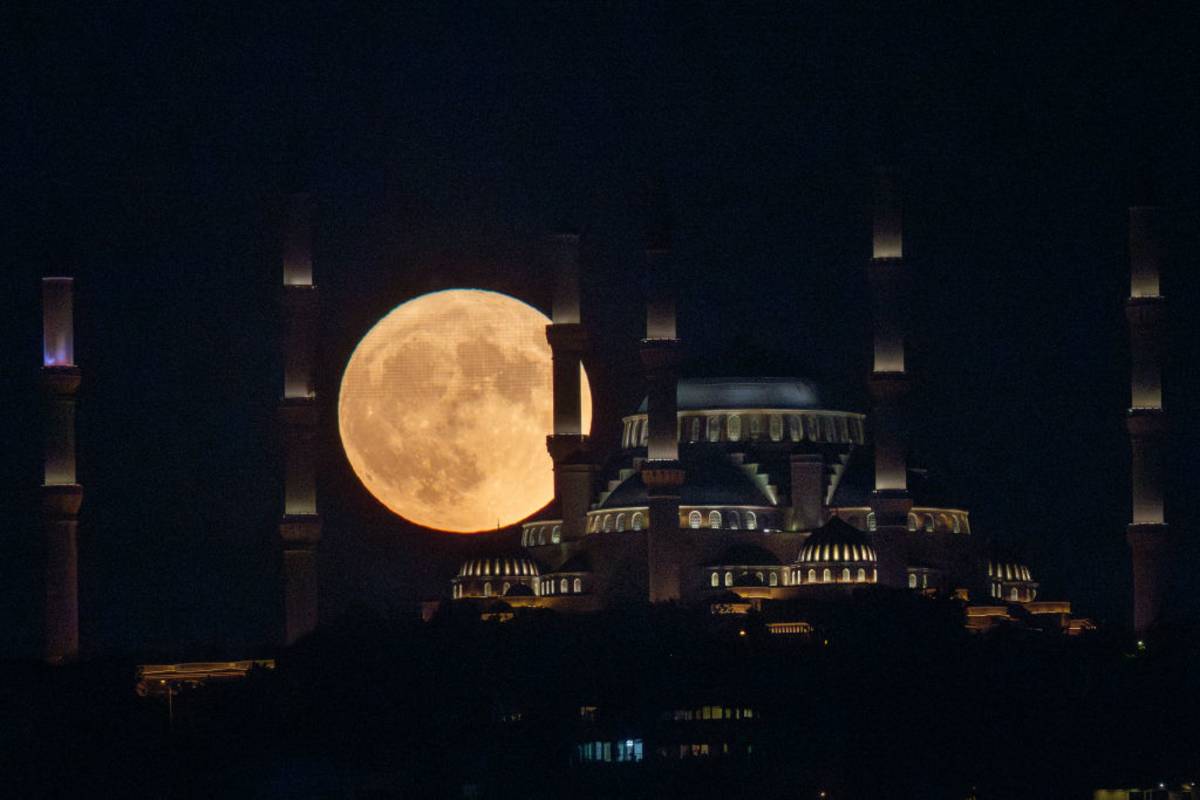
The Sturgeon full moon rises behind Istanbul's Camlica Mosque on August 01, 2023, in Istanbul, Turkey (Image Source: Getty | Chris McGrath)

Brilliant in its full phase, the Sturgeon Moon created a spectacular backdrop for several iconic cityscapes. In New York, the Sturgeon Moon made several striking appearances. On August 8, the Moon was observed rising through the clouds over 42nd Street, as seen from Weehawken, New Jersey, creating a moody and atmospheric view of the celestial event. 
The Sturgeon Moon rises through clouds over 42nd Street in New York City on August 8, 2025, as seen from Weehawken, New Jersey (Image Source: Getty | Gary Hershorn)

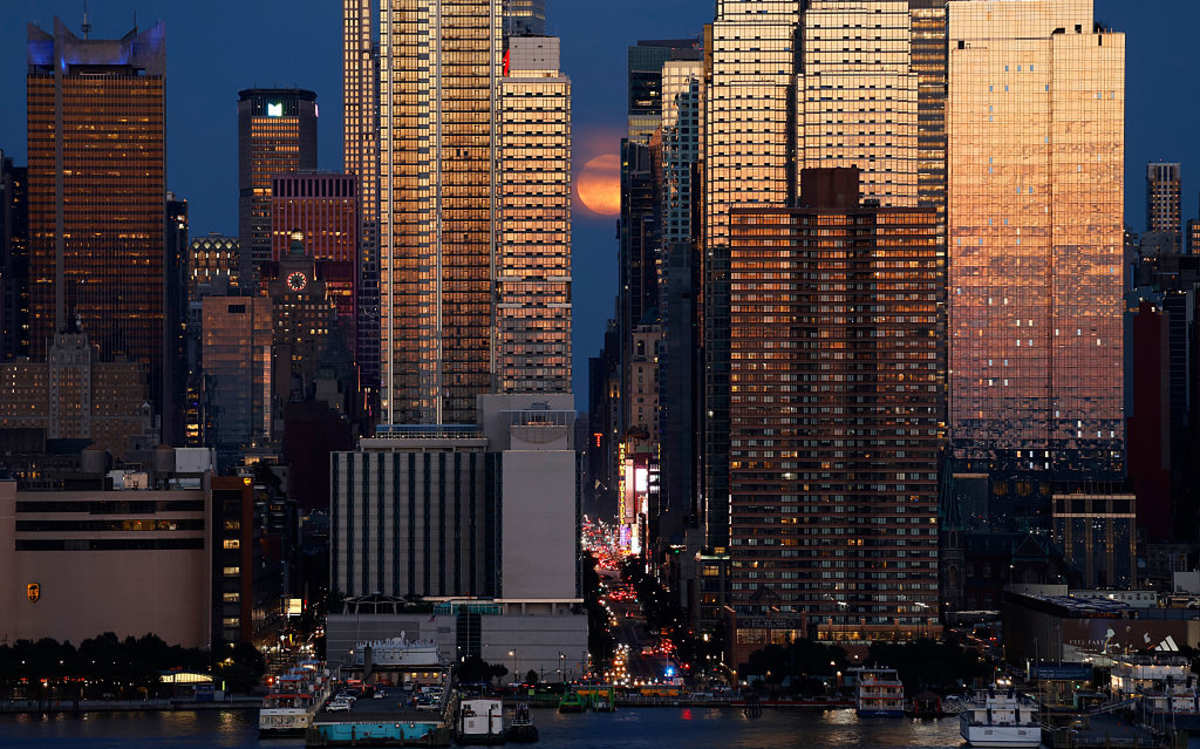
Later that same night, from the same vantage point, the full moon was photographed as it ascended over the iconic skyline of midtown Manhattan and 42nd Street, providing a classic urban-celestial tableau. 
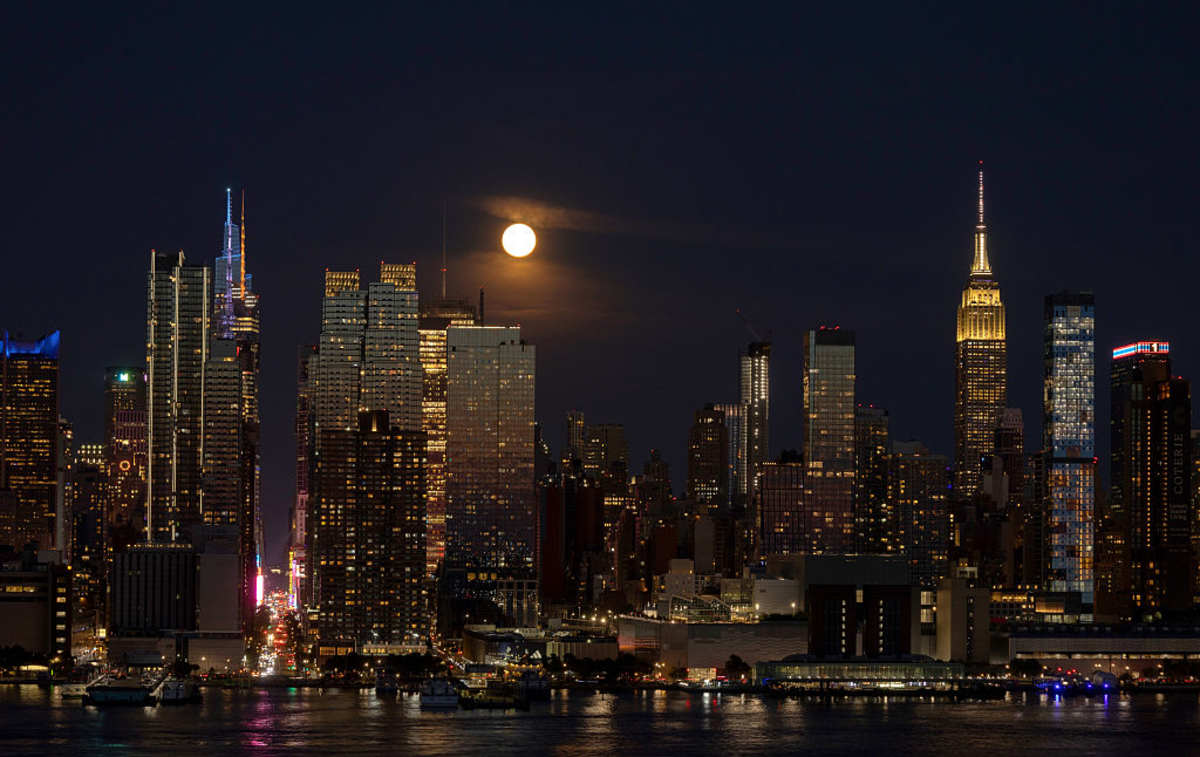
The Sturgeon Moon rises over the skyline of midtown Manhattan and 42nd Street in New York City on August 8, 2025, as seen from Weehawken, New Jersey (Image Source: Getty | Gary )
The Sturgeon Moon rises over the skyline of midtown Manhattan and 42nd Street in New York City on August 8, 2025, as seen from Weehawken, New Jersey (Image Source: Getty | Gary Hershorn)

On August 9, the Sturgeon Moon was seen rising behind the Statue of Liberty, as viewed from Jersey City, New Jersey, a powerful image that united a symbol of freedom and the grandeur of the night sky. 
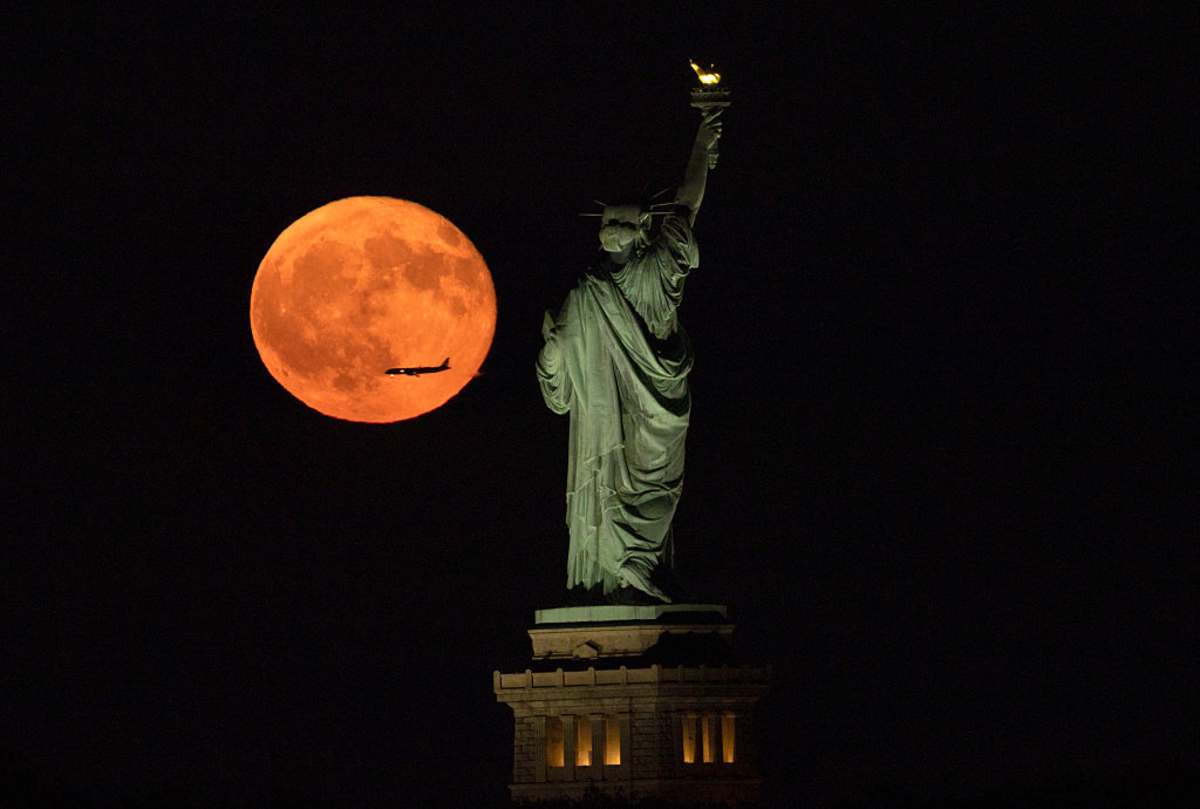
The full Sturgeon Moon rises behind the Statue of Liberty in New York City on August 9, 2025, as seen from Jersey City, New Jersey (Image Source: Getty | Gary Hershorn)

Looking ahead, skywatchers are anticipating a rare celestial phenomenon this month known as a "Black Moon," though it will be invisible to the naked eye. This non-astronomical term describes a special occurrence of a New Moon. There are two definitions: a monthly Black Moon, which is the second New Moon in a calendar month, and a seasonal Black Moon, which is the third New Moon in a season with four New Moons. The latter is the type of Black Moon that will take place for most of the world on August 23, with Western time zones experiencing it on August 22. 
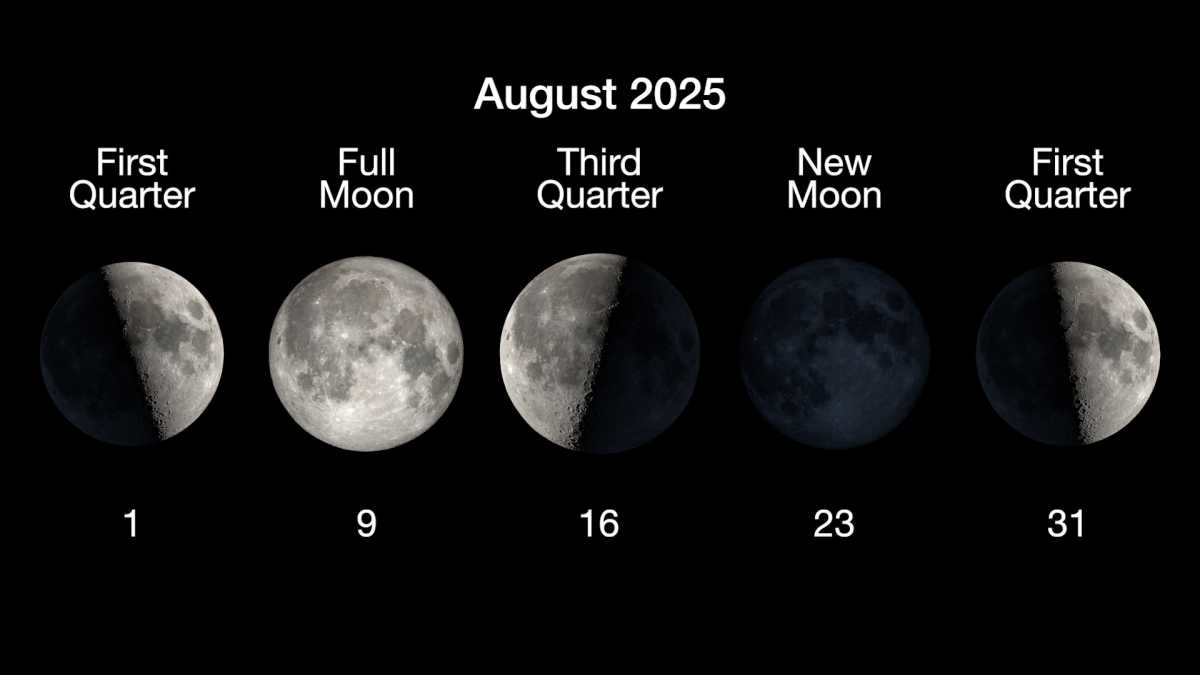
The phases of the Moon for August 2025 (Image Source: NASA/JPL-Caltech)

The historic name "Sturgeon Moon" is a nod to the giant sturgeon fish once abundant in North America's Great Lakes. At this time of year, Native American tribes noted these large freshwater fish were most plentiful and easily caught, making them a crucial resource. The lake sturgeon is a biological marvel, with females living up to 150 years and growing to formidable sizes, exceeding six feet in length. The Algonquin, Cree, and Anishinaabe peoples also have their own names for this Moon, reflecting other seasonal changes like ripening wild rice or the first harvests of green corn. 

Beyond its common name, August's full moon is known by many different names across various Indigenous cultures, often reflecting significant seasonal changes and natural events. For the Cree people, this period is the Flying Up Moon, a vivid description of young birds taking their first flights. Other names reflect agricultural cycles, with the Algonquin and Ojibwe peoples referring to it as the Corn Moon and Harvest Moon, respectively. The Anishinaabe people call it the Ricing Moon, highlighting the importance of gathering maturing crops. The Assiniboine people's name, Black cherries Moon, points to the ripening of chokeberries, a vital seasonal food source. 

Following the Sturgeon Moon, the next full moon will appear on September 7, known as the Corn Moon. Those hoping to catch the next Sturgeon Moon, however, will have to wait until August 28, 2026. 
MORE STORIES

The interstellar comet 3I/ATLAS is currently visible in the constellation Leo, though its faint brightness of magnitude 12.5 means it is difficult to spot.
16 hours ago
Observers will have ideal viewing conditions this year, as the New Moon guarantees zero moonlight interference.
23 hours ago
The comet's closest approach to Earth will occur on Friday, December 19, 2025, when it will pass at a distance of approximately 167 million miles.
5 days ago
An event like this will not take place again before 2045.
6 days ago
Stargazers in both the Northern and Southern Hemispheres will be able to view the shower, though the display is typically superior from the North.
7 days ago
Not all of Saturn’s moons are visible in space; however, some can be bright enough to be traced by a reliable telescope from Earth.
7 days ago
Plume of gas ejected from Mercury’s atmosphere extended to form a comet-like tail, which was captured by the astrophotographer.
Dec 5, 2025
As the New Year draws near, the next Full Moon is also on its way — arriving just after the December Cold Moon.
Dec 5, 2025
From the best time to watch the Cold Moon to the date and time of the first supermoon of 2026, here's everything you need to know.
Dec 4, 2025
With the interstellar visitor headed for its closest approach to our home planet, NASA has advised people on how to best observe the comet 3I/ATLAS.
Dec 2, 2025