Blood moon total lunar eclipse to light up the sky on September 7—find out if it's visible in your country
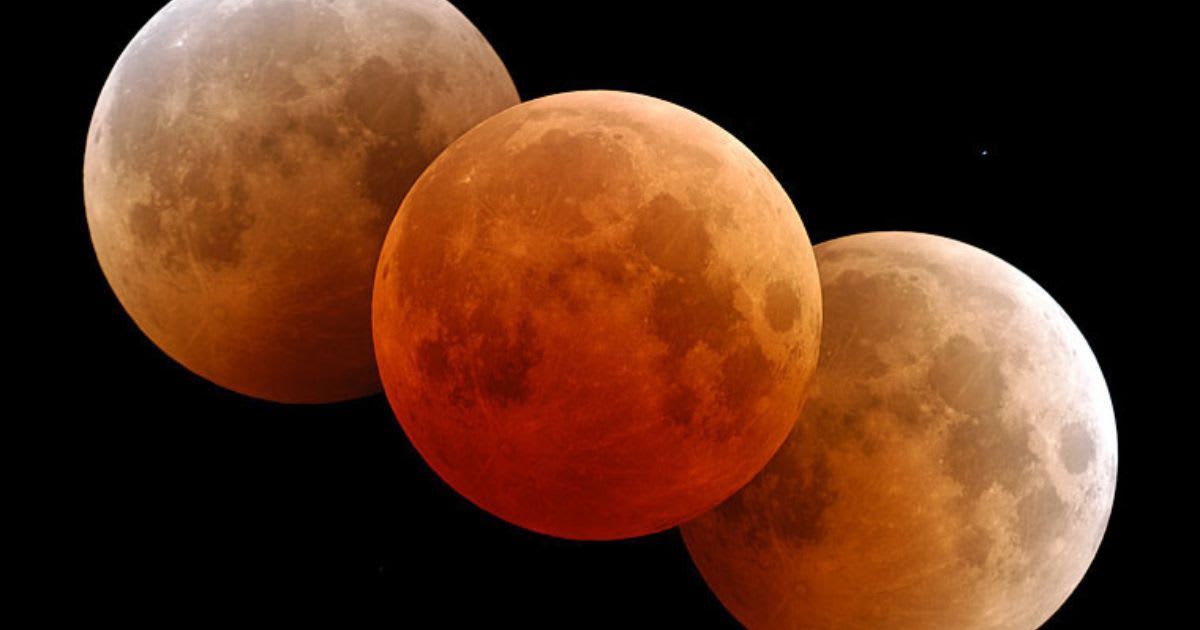
Skywatchers are in for a treat as a total lunar eclipse will be visible from Europe, Africa, Asia, and Australia on September 7, 2025, according to NASA. The eclipse will be visible in its entirety across Asia and Western Australia, while Europe, Africa, Eastern Australia, and New Zealand will catch partial glimpses. While the Americas will miss out on this event, they enjoyed complete coverage of the earlier March eclipse.
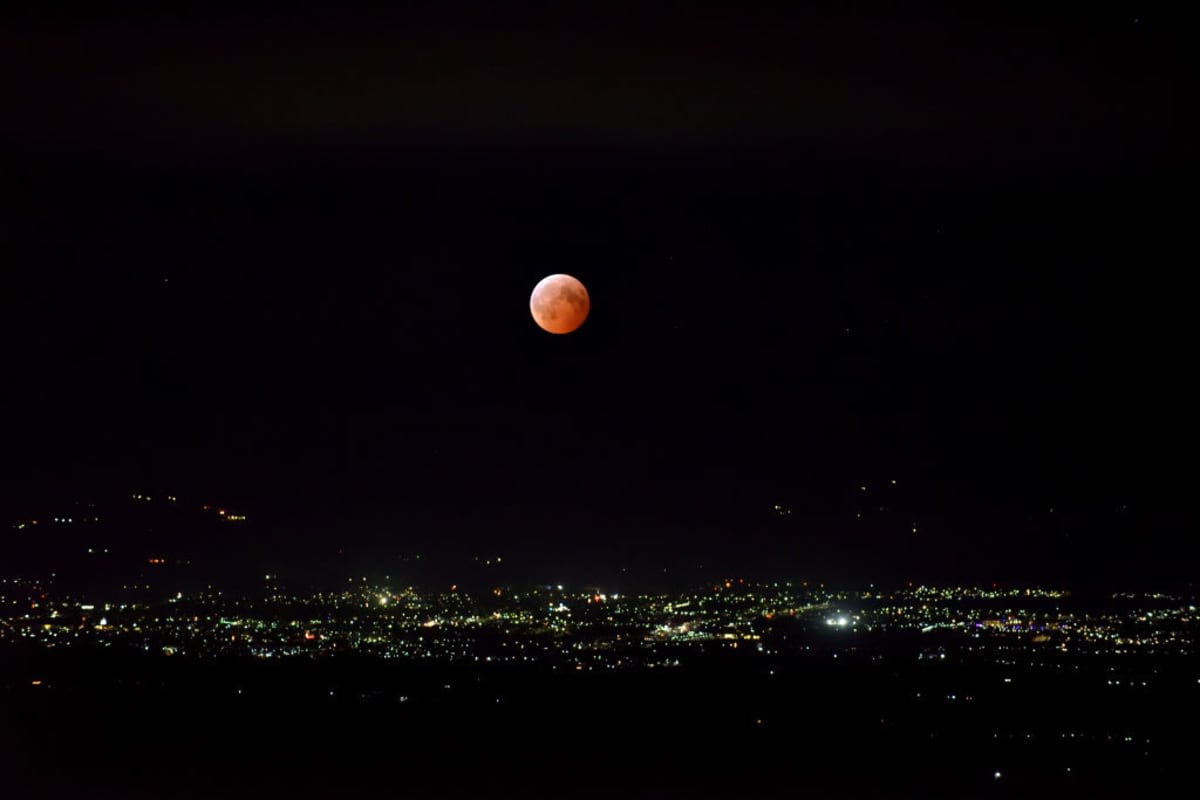
During a partial eclipse, a portion of the Moon is obscured as it moves into the umbra, creating the appearance of a "bite" taken out of its surface, per Space.com. The size of the "bite" one gets to witness depends entirely on their location and viewing conditions. A lunar eclipse occurs when the Earth aligns directly between the sun and the moon, casting a shadow that turns the moon a distinctive red or coppery color. This phenomenon will be observable from start to finish for millions in the prime viewing regions.
The total eclipse phase will last approximately 1 hour 22 minutes, as per a report published by NASA Goddard Space Flight Center, providing an extended opportunity for observers to witness the moon's striking transformation and capture it on film. The entire event, from the beginning and the end of the partial phases, will span 3 hours and 29 minutes, stated the report.
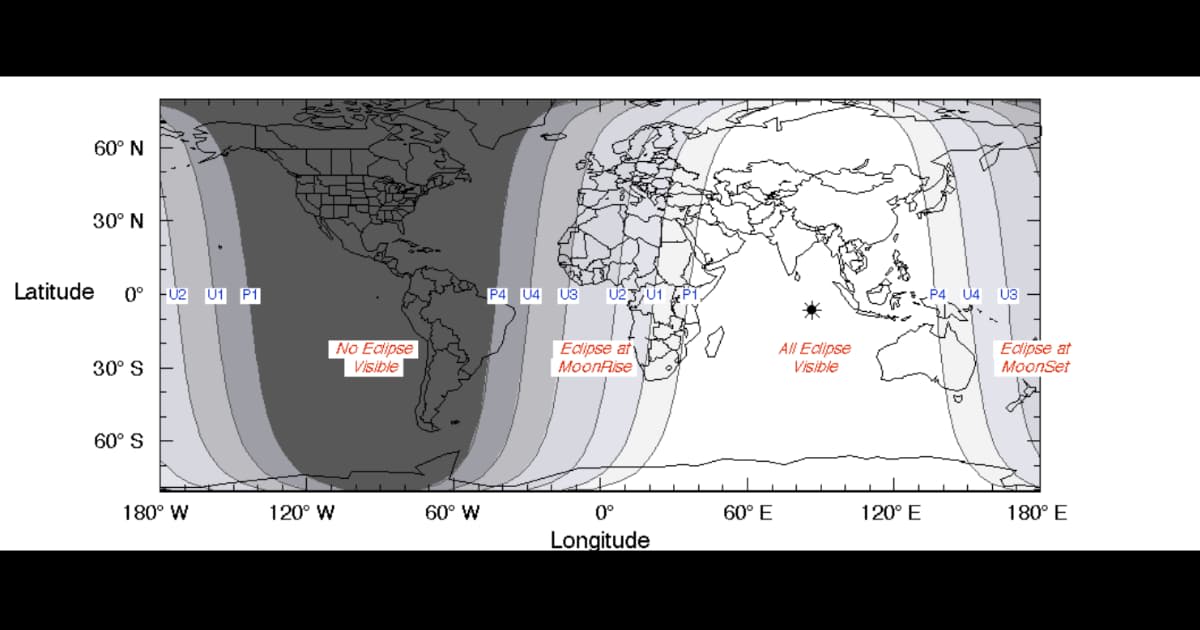
The astronomical event will unfold across several stages, with key timings provided in Eastern Daylight Time (EDT), per Space.com. The initial penumbral eclipse is set to begin at 11:42 a.m., followed by the partial phase at 12:39 p.m. The most dramatic phase, the total eclipse, will commence at 1:31 p.m. and reach its maximum point at 2:11 p.m. before concluding at 2:52 p.m. The event will then progress through the final partial phase at 3:44 p.m. and end with the final penumbral stage at 4:41 p.m.
This event, known as a lunar eclipse, occurs when the Earth aligns directly between the Sun and the Moon, casting a shadow on the lunar surface, according to the National Weather Service. For this cosmic alignment to take place, all three celestial bodies must be on the same orbital plane, which is why a lunar eclipse can only happen during a Full Moon.
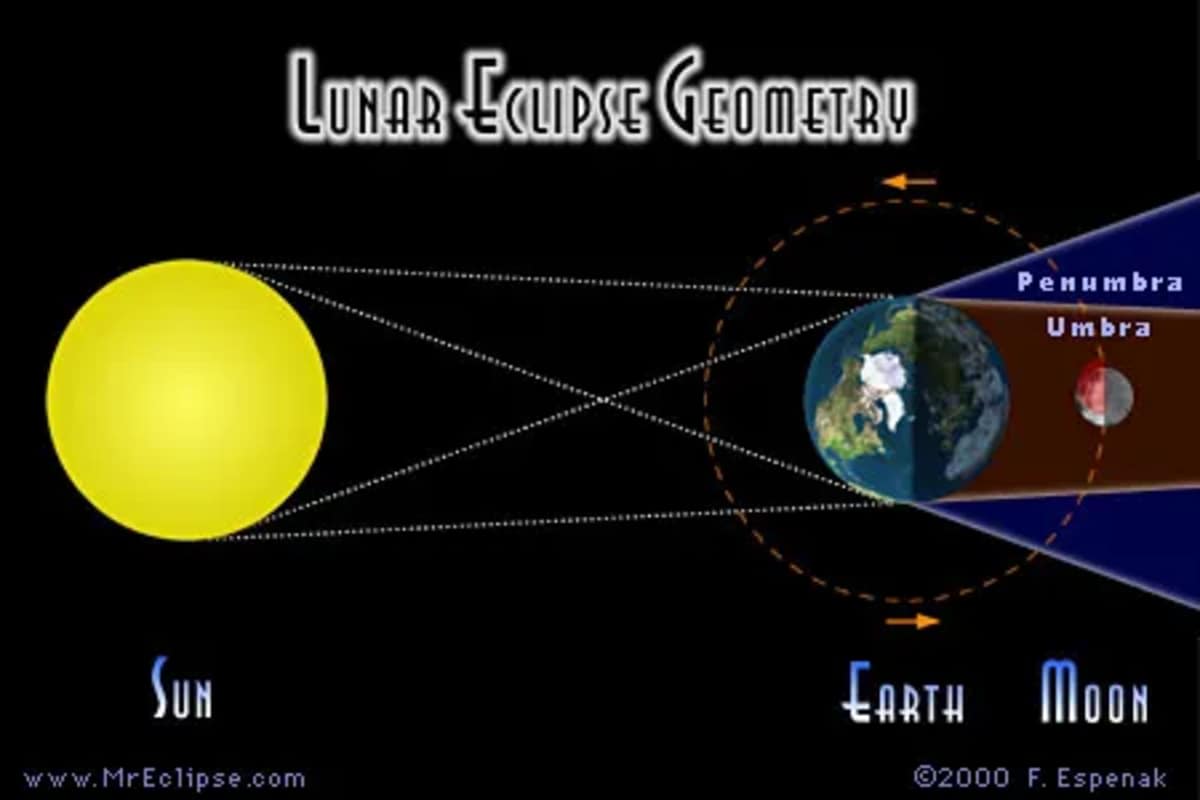
Lunar eclipses offer a unique and accessible opportunity for people worldwide to observe a celestial event without special equipment. They are a powerful reminder of our place in the solar system, providing a visual demonstration of the orbital mechanics that govern the Earth, Moon, and Sun.
Unlike solar eclipses, which are brief and visible only in specific locations, a total lunar eclipse can last for several hours, with totality itself often extending for over an hour. This extended duration is due to the Earth's significantly larger size relative to the Moon, which casts a much wider shadow. While they don't happen every month due to the 5-degree tilt of the Moon's orbit relative to Earth's, lunar eclipses are more frequent than solar eclipses, occurring one to three times per year.
More on Starlust
Stargazers delight in rare lunar phenomenon revealing giant 'X' and 'V' shapes on the Moon
Surreal photos of June’s 'Strawberry Moon' are breaking the internet. See here
Dust collected by Apollo 17 astronauts in 1970s reveals the moon’s true age