The Moon will turn blood red this week—when and how to watch September's total lunar eclipse
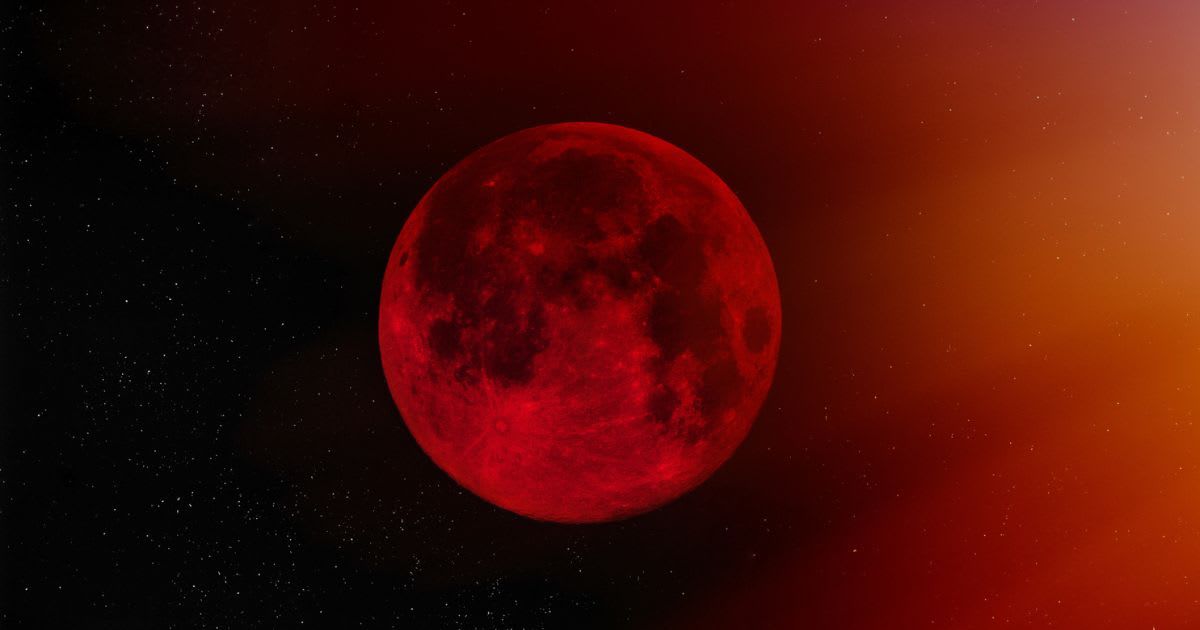
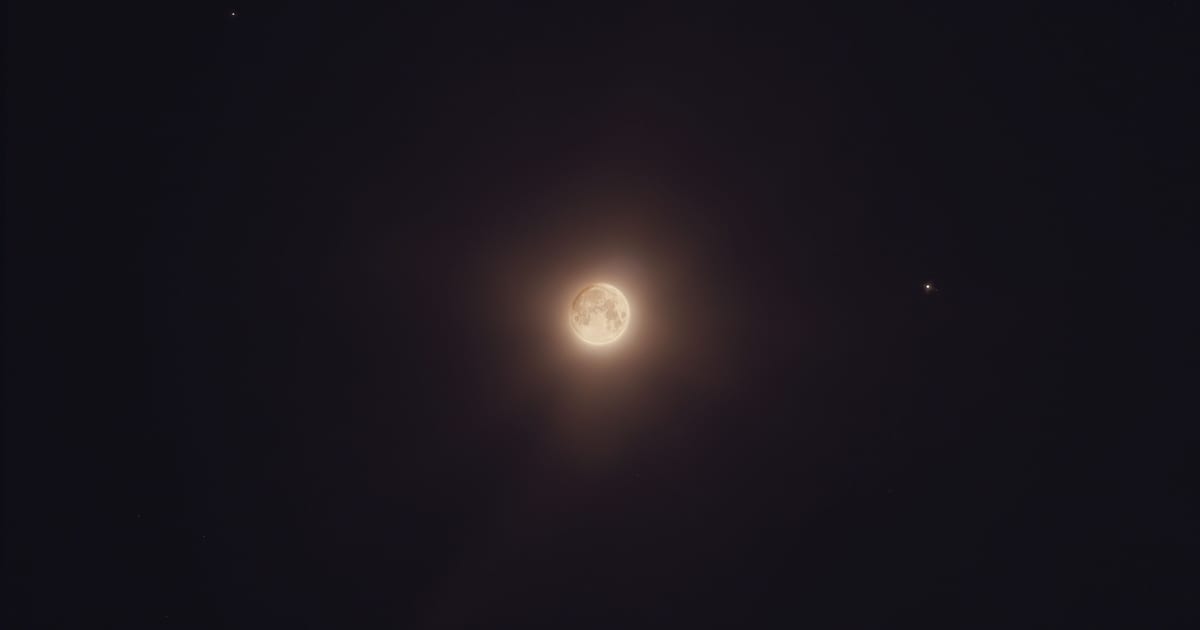
A stunning total lunar eclipse is set to captivate skywatchers this week, offering the longest event of its kind since 2022. This celestial spectacle, which will see the Moon take on a striking reddish hue, will be visible to approximately 85% of the global population, as per NASA. Spanning September 7 to 8, 2025, the moon will retain its deep red hue for about 82 minutes. According to Space.com, the timing of each eclipse phase is synchronized globally, meaning every viewer on Earth will experience the different stages at the same moment. The ability to witness the event, however, depends entirely on whether the Moon is above the horizon at your specific location as the celestial alignment takes place.
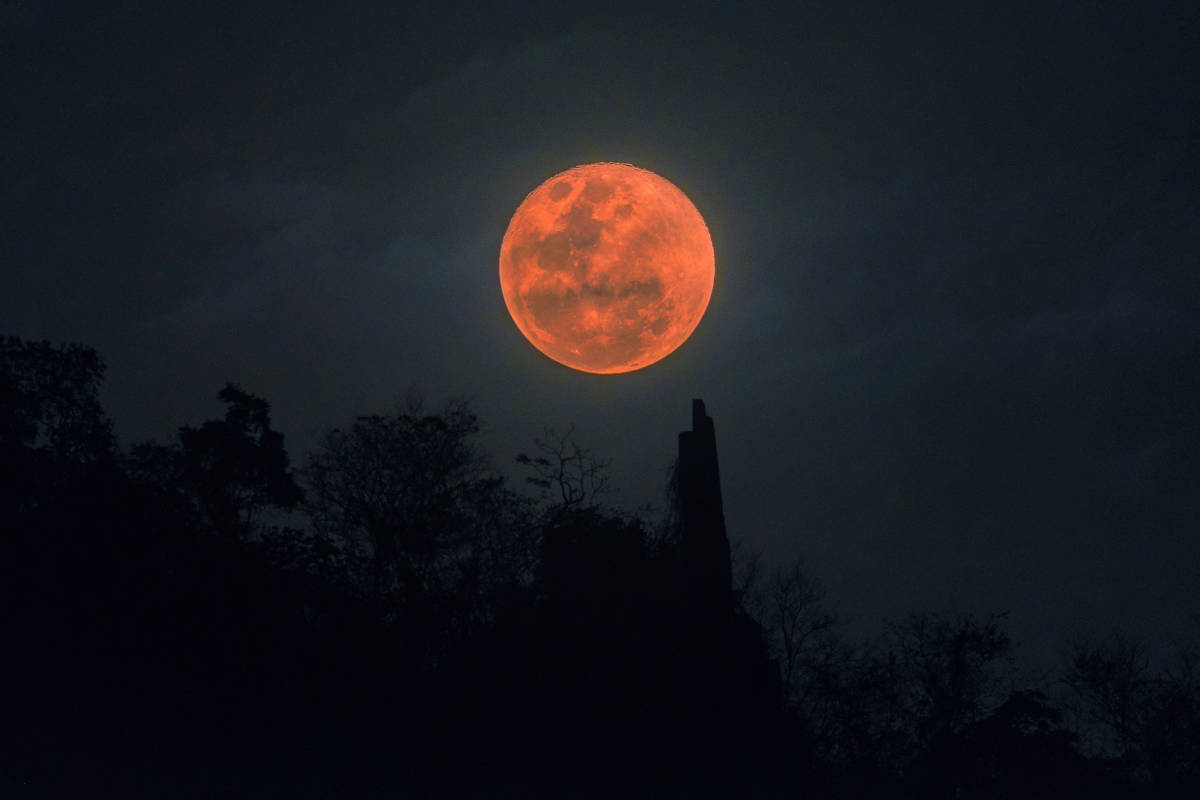
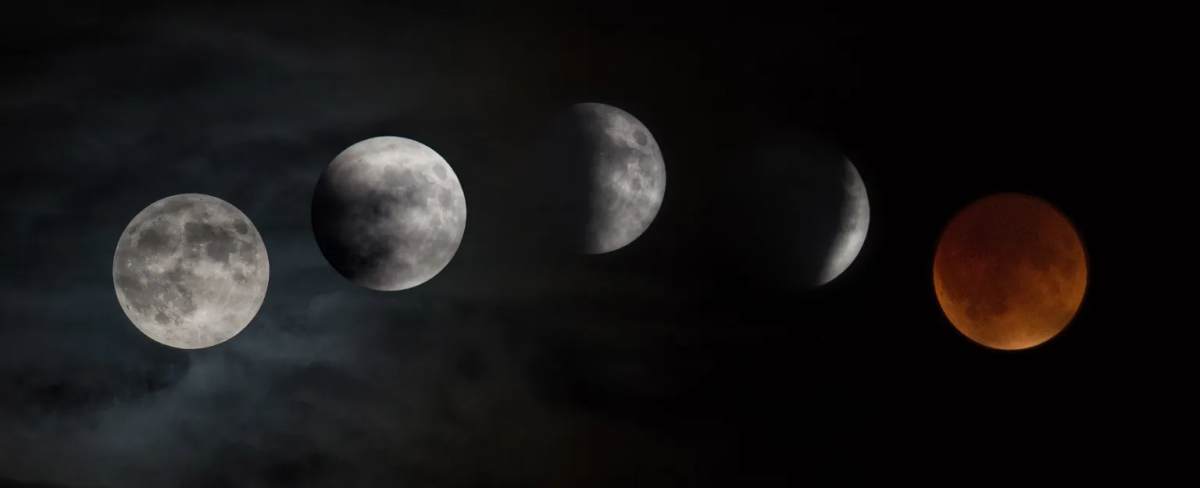
Asia and Western Australia will be able to observe the eclipse from start to finish, while Europe, Africa, Eastern Australia, and New Zealand will only catch glimpses of this rare phenomenon, per the National Weather Service. A clear night sky is all that is needed to enjoy the event, along with some minor equipment. While some locations will witness the entire eclipse from start to finish, others may see the Moon rise or set while the event is in progress. The total eclipse begins at 1:30 p.m. EDT on September 7, reaching its peak at 2:11 p.m. EDT. The full eclipse phase concludes at 2:52 p.m. EDT.
A total lunar eclipse happens when the Earth positions itself directly between the Sun and the Moon, causing our planet to cast a shadow on its natural satellite. While the Moon's tilted orbit prevents this from occurring every month, a few times a year, the perfect alignment of the Sun, Earth, and Moon creates this spectacular event. This specific phenomenon gives the Moon its striking red color. As the Moon moves into the Earth's deep shadow, known as the umbra, it doesn't vanish entirely. Instead, a process called Rayleigh scattering occurs. Our atmosphere scatters blue light more effectively, allowing longer red wavelengths to pass through and bend around the Earth. These red light waves then illuminate the Moon's surface, giving it the dramatic, crimson glow of a "Blood Moon." Rayleigh scattering also explains why sunsets are tinged red.
Beyond being a breathtaking celestial event, this total lunar eclipse offers a unique opportunity for people worldwide to connect with the cosmos. It's a reminder of our place in the solar system, providing a chance for both amateur and professional astronomers to observe and study our celestial neighbor without the need for specialized equipment. To get the most out of this celestial wonder, it's a good idea to find your viewing spot ahead of time. This is especially helpful for photographers who want to frame the eclipse with a landmark, but it's also a great way for casual observers to ensure their view isn't blocked by buildings or trees.
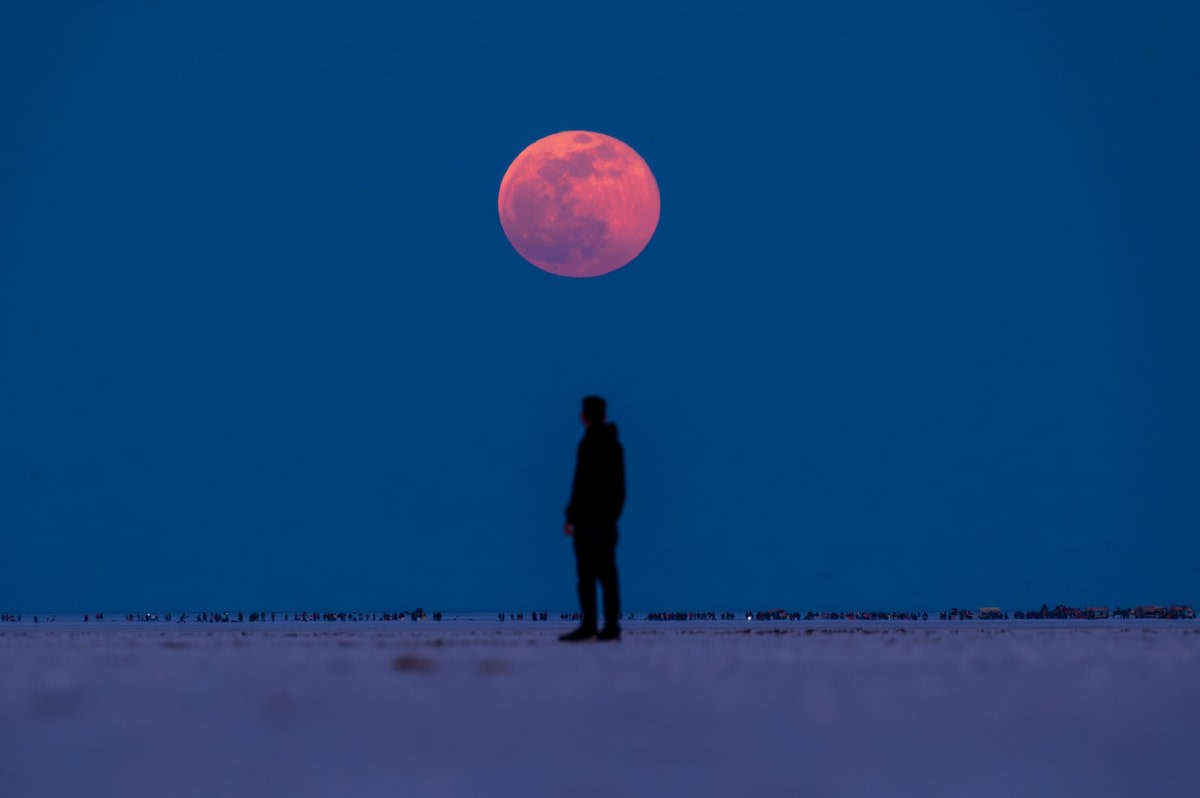
Unfortunately for viewers in the Americas, the Moon will be below the horizon for the entirety of the September 7-8 eclipse, making it invisible from those continents. However, observers in countries such as the U.K., Spain, and Brazil will catch a glimpse of some of the eclipse's phases, even if they miss the dramatic totality. Unlike a solar eclipse, viewing a lunar eclipse is completely safe. There is no risk of eye damage, so you can enjoy the spectacle with your naked eye, binoculars, or a telescope without any special equipment. To keep binoculars and cameras steady, you may want to invest in a tripod and cable releases. Keeping extra batteries handy will ensure you don't forego capturing any moment of this rare occurrence.
More on Starlust
Half-century-old Apollo 17 moon sample uncovers new clues to the origin of a lunar landslide
What exactly is a Black Moon — here's when it will appear in the night sky this month