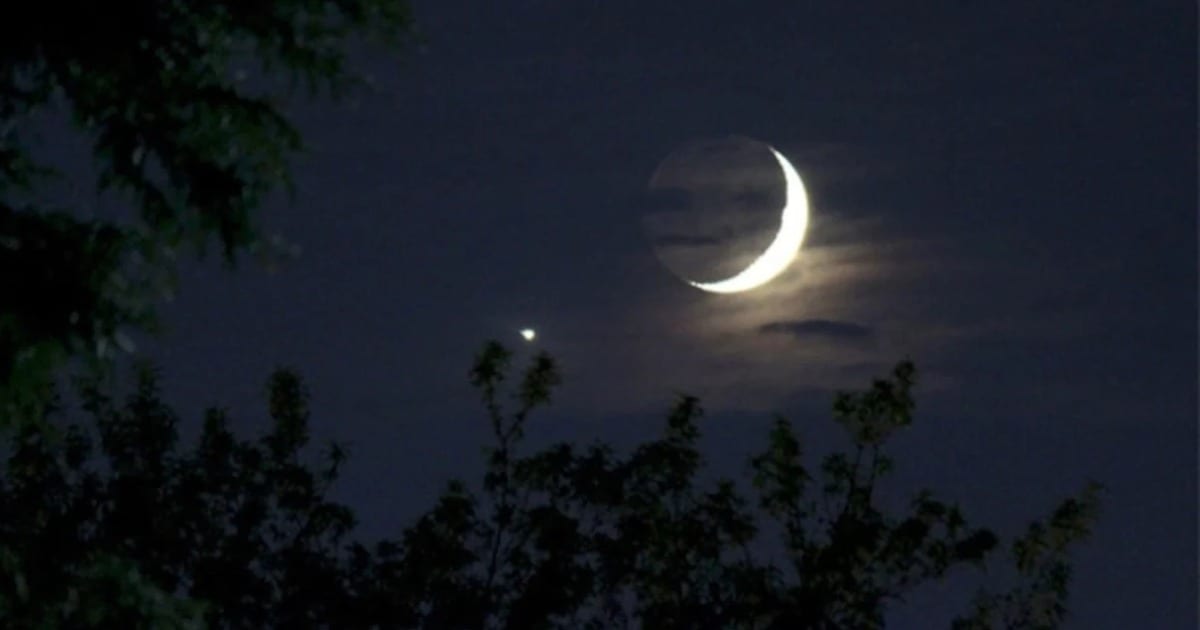
Fireball spotted over southern Tennessee by NASA on November 5
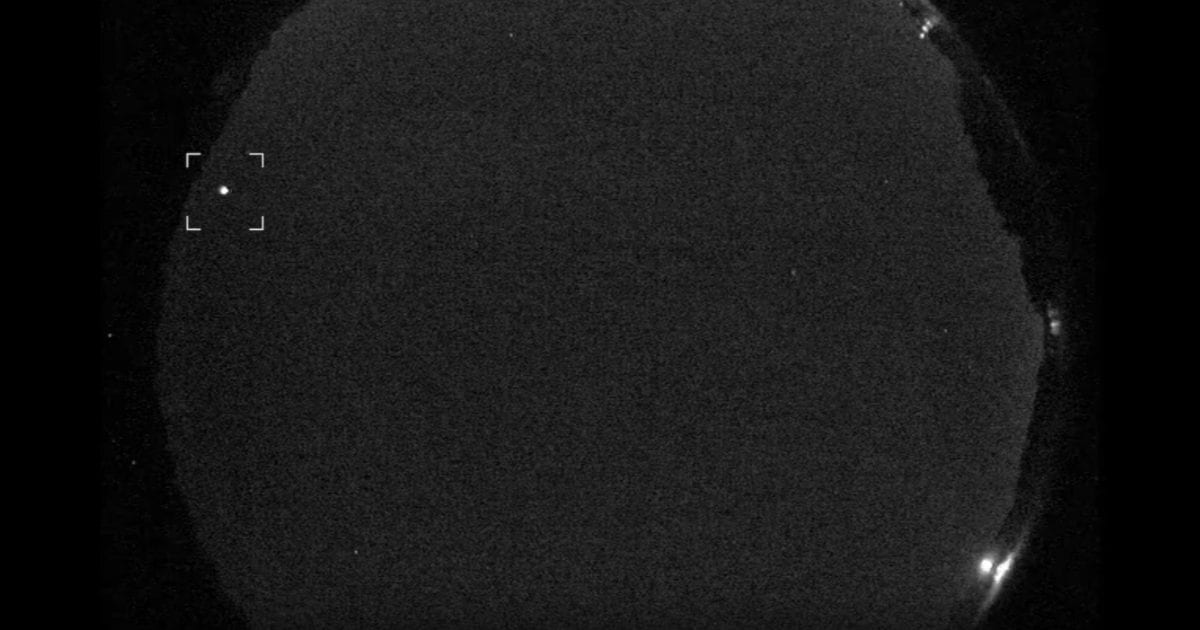
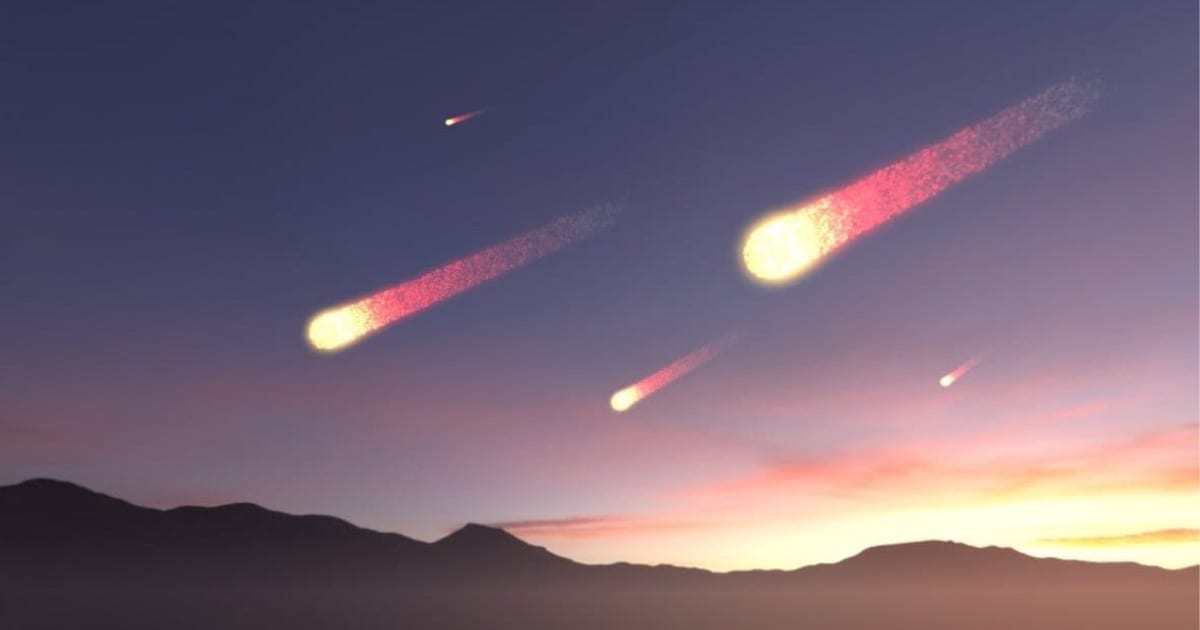
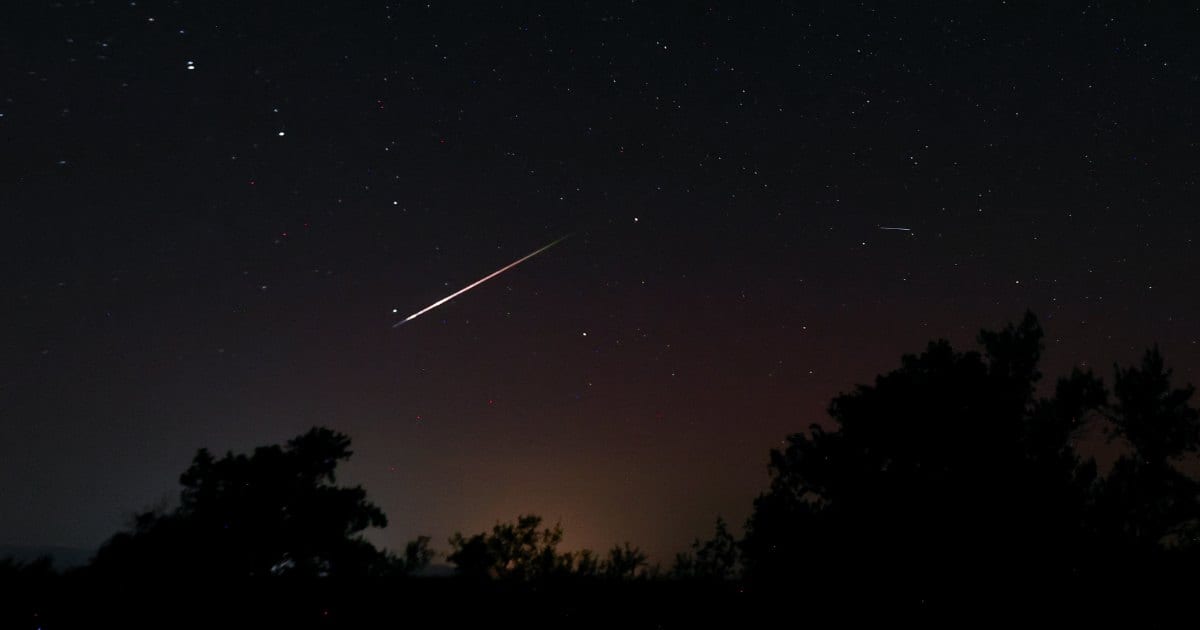
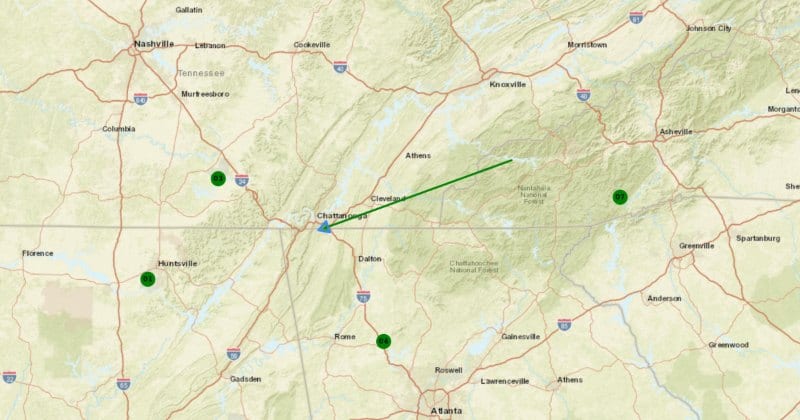
A fireball was spotted over southern Tennessee at around 7:45 p.m. EST on Thursday, November 5. The meteor was detected by 4 NASA All Sky cameras, and analysis of the footage revealed that it was a small part of an asteroid, measuring about 2 inches in diameter and weighing 6 ounces. The meteor was first seen 53 miles above the town of Robbinsville in North Carolina, traveling south of west at 47,000 miles per hour, and disintegrated 25 miles above East Ridge, Tennessee, just southeast of Chattanooga.
#MeteorSighting: Several witnesses reported sighting a fireball over southern Tennessee yesterday evening, Nov. 5, at 7:45 p.m. EST. The meteor was also detected by four NASA All Sky cameras in the region. The object – a small piece of an asteroid 2 inches in diameter, weighing 6 ounces – was first spotted 53 miles above Robbinsville, North Carolina, moving a little south of west at 47,000 mph. It disintegrated at an altitude of 25 miles above East Ridge, Tennessee, just southeast of Chattanooga. More on this fireball: https://t.co/oH65AAqJke
— NASA Space Alerts (@NASASpaceAlerts) November 6, 2026
Despite the tremendous speed that the meteor was traveling at, no audible booms were reported in relation to it. A similarly noiseless meteor was seen over the states of Washington, Idaho, Oregon, and parts of British Columbia last month. Washington and Oregon saw a fireball in late August as well, which, like the other two, also didn't produce any audible booms.
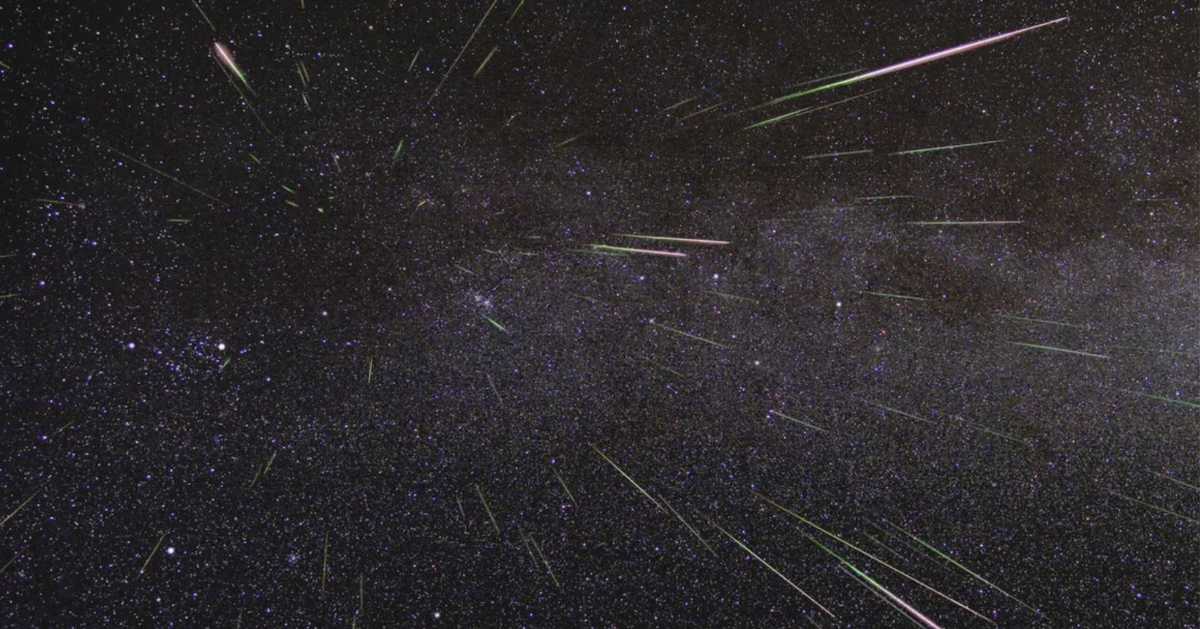
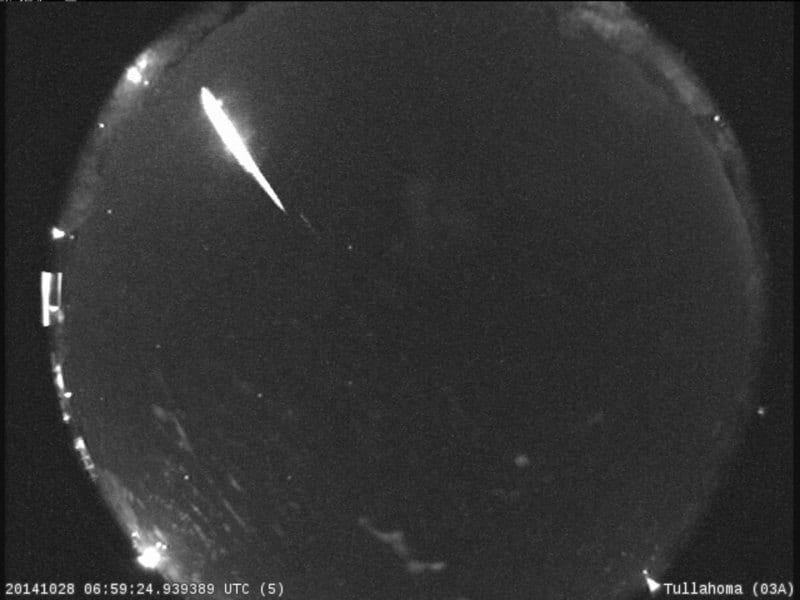
The fireball-swarm component of the Southern Taurid meteor shower was expected to peak around the night the fireball was seen above Tennessee. However, NASA clarified that the meteor was not part of the ongoing Taurid meteor showers. Skywatchers may be able to see more fireballs in the coming days, especially on the nights of November 11 and 12, when the Northern Taurid meteor shower is expected to peak.
Threat from asteroids
Based on NASA estimates, roughly 48.5 tons of material fall to Earth every day, with a few meteors originating from the Moon and Mars. Sometimes parts of an asteroid or meteoroid can survive the fiery entry into the atmosphere and make it to the surface, endangering homes and public buildings that happen to be in their paths.
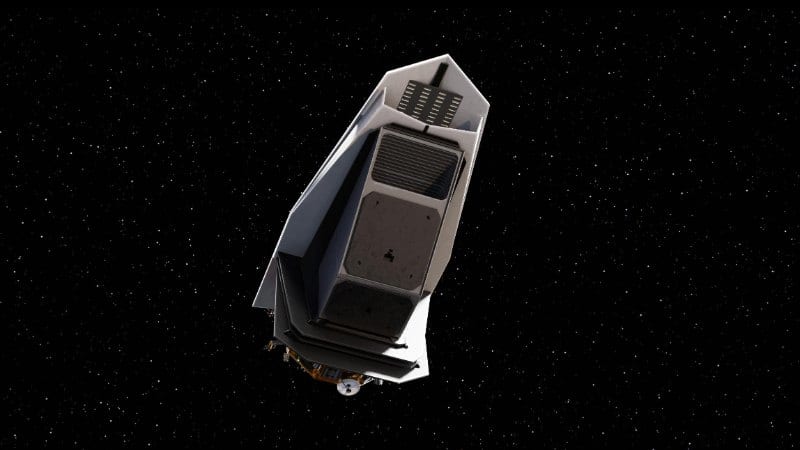
This is why the UN-backed Space Mission Planning Advisory Group (SMPAG) recently tested readiness against a hypothetical asteroid impact. This research, which was published last month, suggested carrying out reconnaissance missions using existing spacecraft to understand the risks posed by the hypothetical asteroid, as well as to design a kinetic impact or ion beam mitigation mission to deflect it off its path. In other news related to protecting our planet from asteroid threats, NASA’s Near-Earth Object (NEO) Surveyor took a major step towards launch last month as teams finished integrating solar arrays onto its sunshade. It will be the first space-based telescope aimed at detecting large numbers of asteroids or comets that could be potentially hazardous to our planet.
More on Starlust
2028 could be the best year yet for the Perseid meteor shower, expert says; here’s how
Scientists just fixed the timeline of Oklahoma meteor crater—and linked it to a mass extinction