November 2026 New Moon: Spot Orion Constellation and other celestial wonders in the dark skies
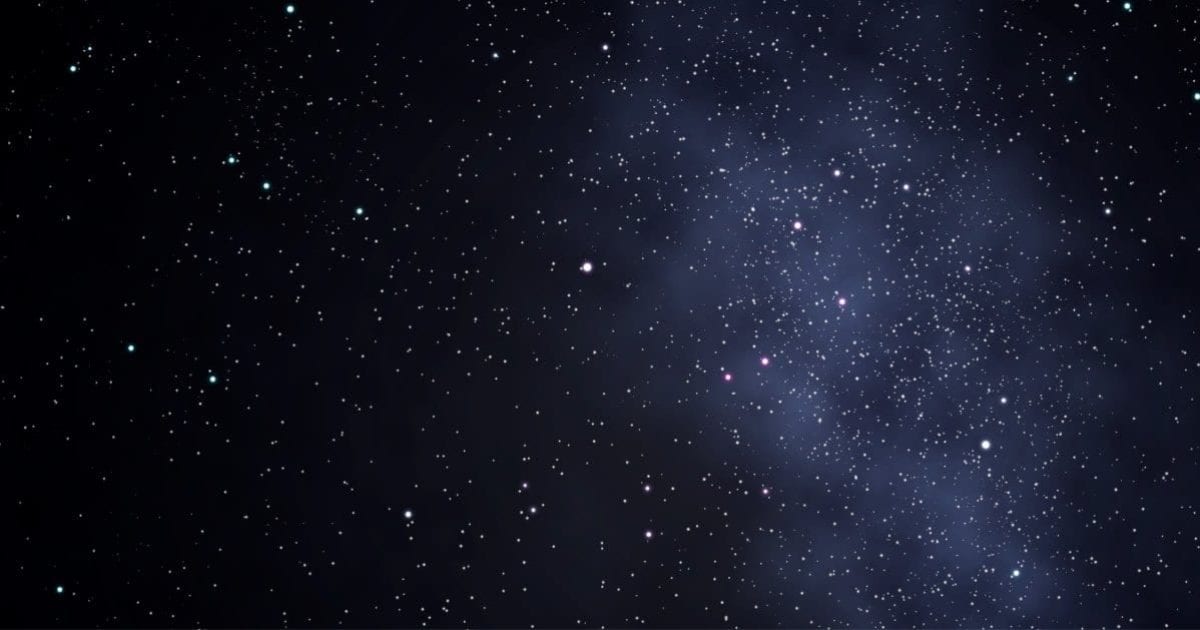
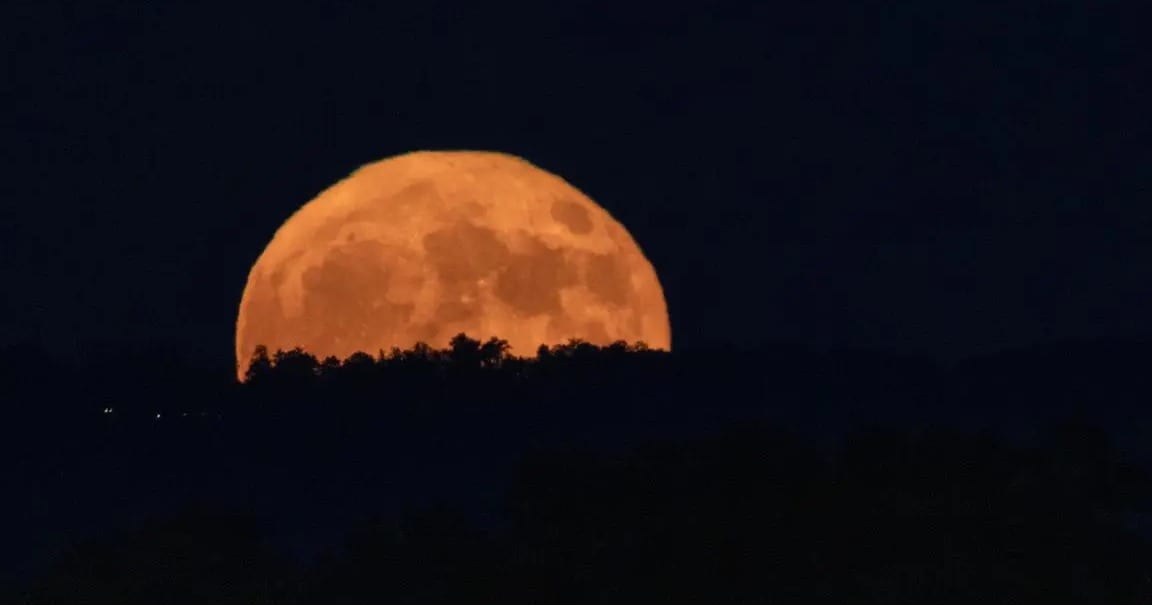
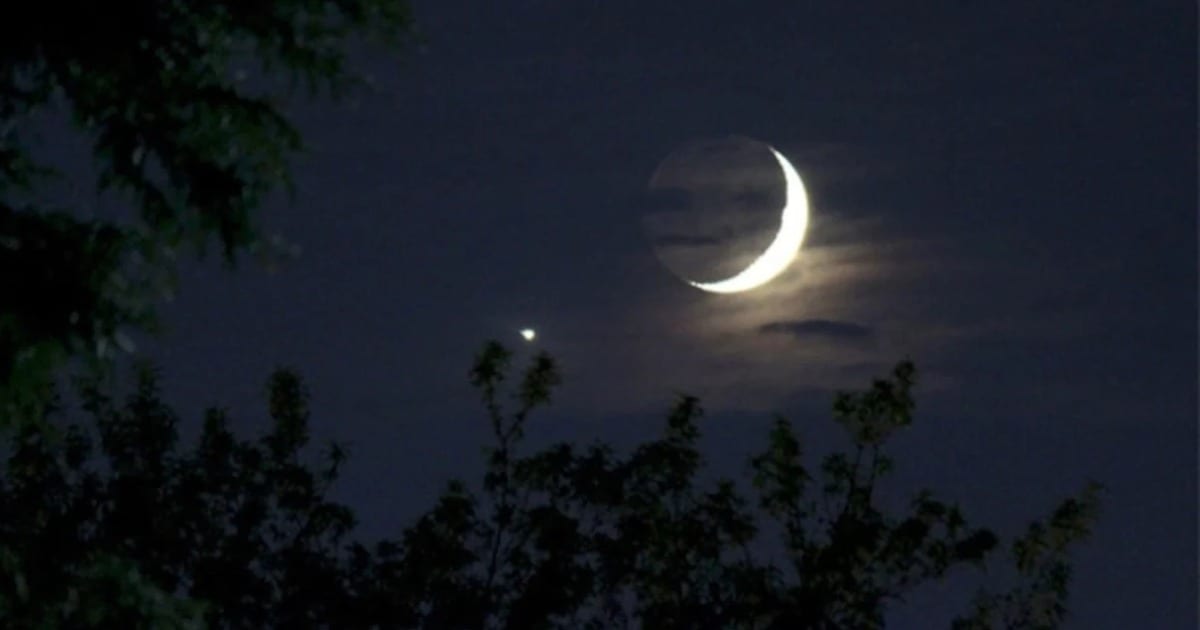
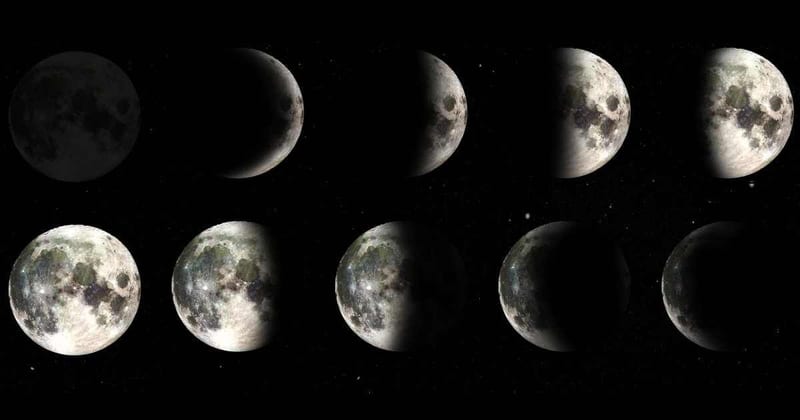
Although the November 24 Beaver Moon and some stunning meteor showers are definitely the highlights this month, skywatchers would also like to mark their calendars for the New Moon on November 9, when a dark, moonless sky will set the stage for viewing some impressive celestial sights. At this time, the Moon will be positioned between Earth and the Sun, with its brightly lit side directed away from our planet.
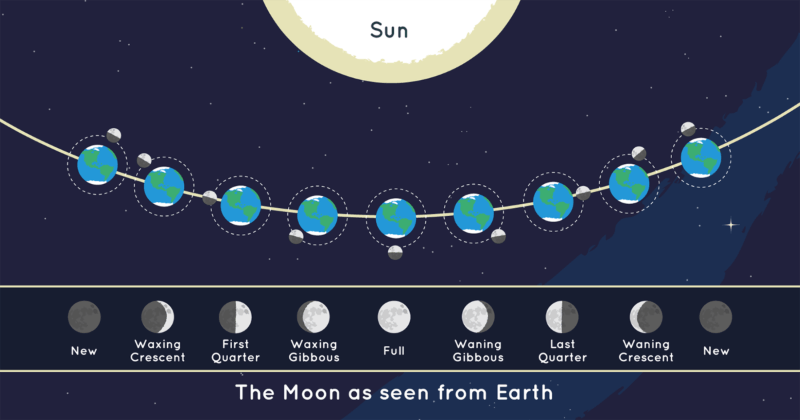
When is the November New Moon 2026?
The New Moon phase will occur at 2:02 a.m. EST on November 9. The following are some of the celestial sights skywatchers can keep an eye out for on the day.
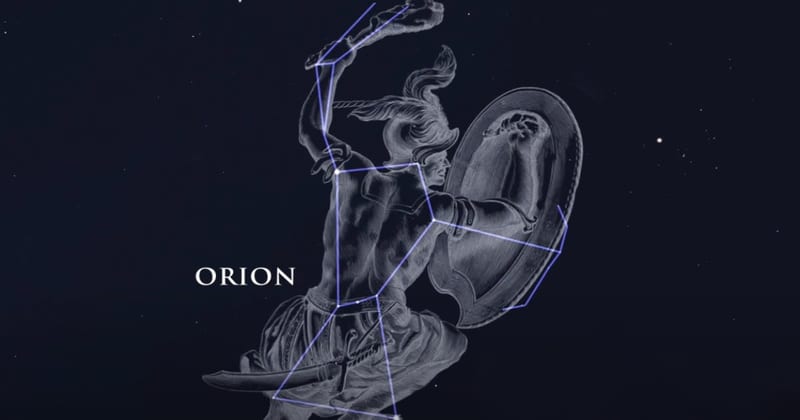
The Orion Constellation
The constellation Orion is a prominent target for November stargazing, according to Time and Date. Orion is positioned opposite the Sun at this time of the year, causing it to be high in the night sky and a target for easy viewing. To find Orion, look for its famous belt consisting of the three bright stars: Alnilam, Mintaka, and Alnitak. Besides the three-star belt, you can spot Betelgeuse, a supergiant star that forms one of the constellation’s shoulders and shines with a noticeable reddish hue.
Northern Taurid meteor shower
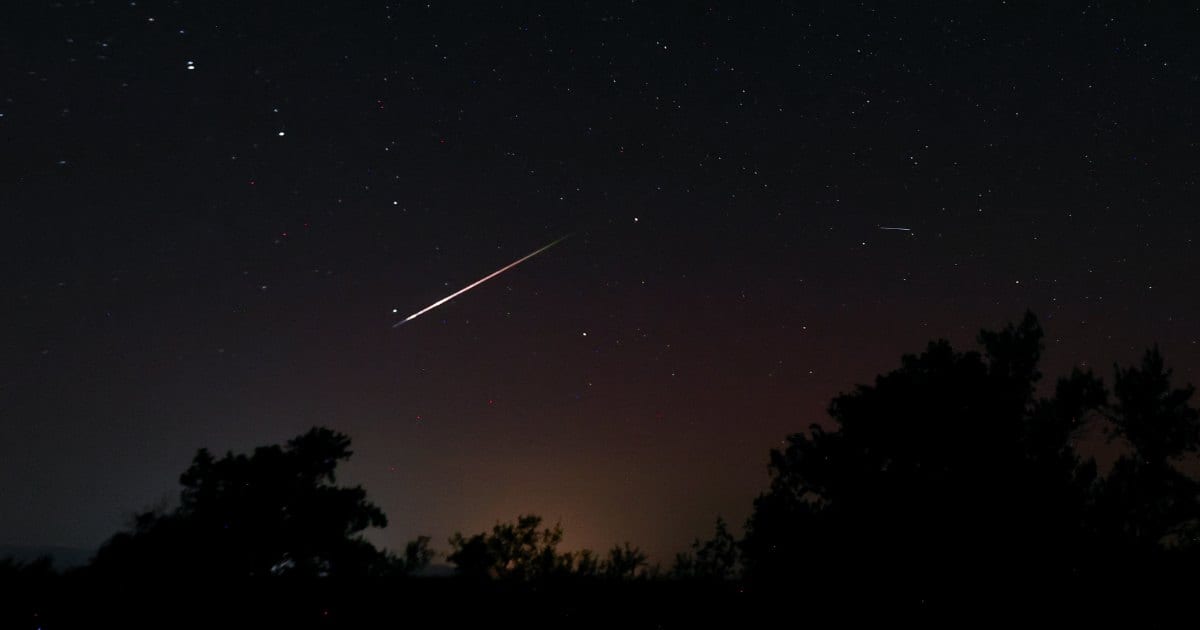
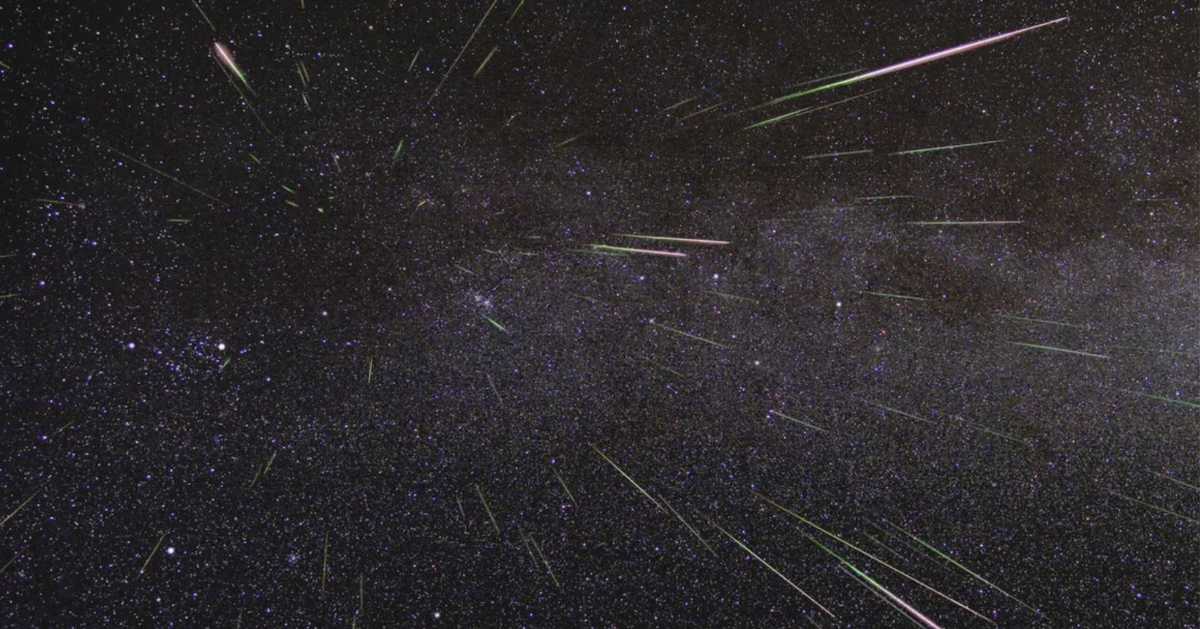
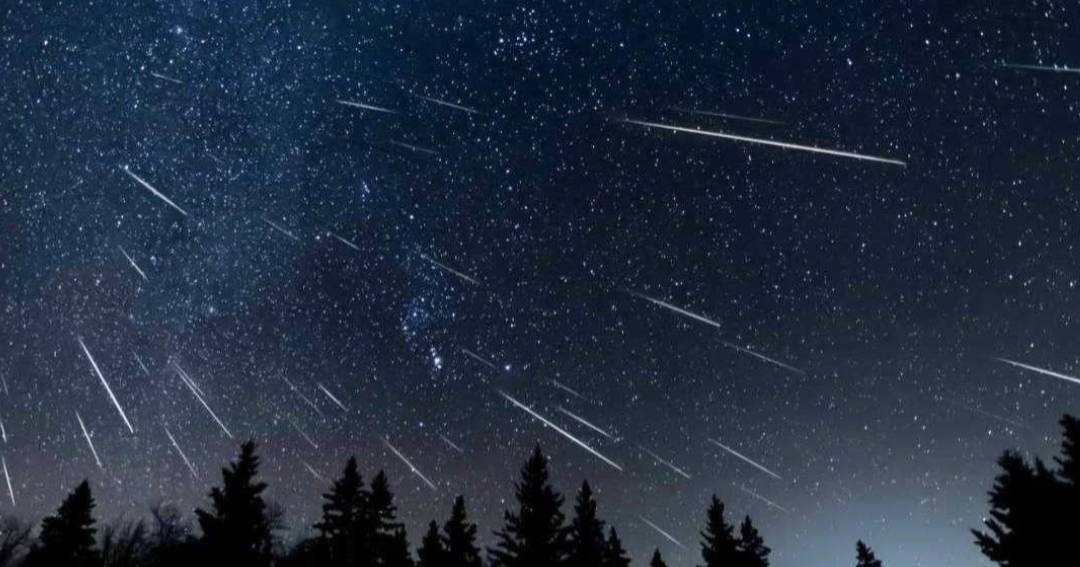
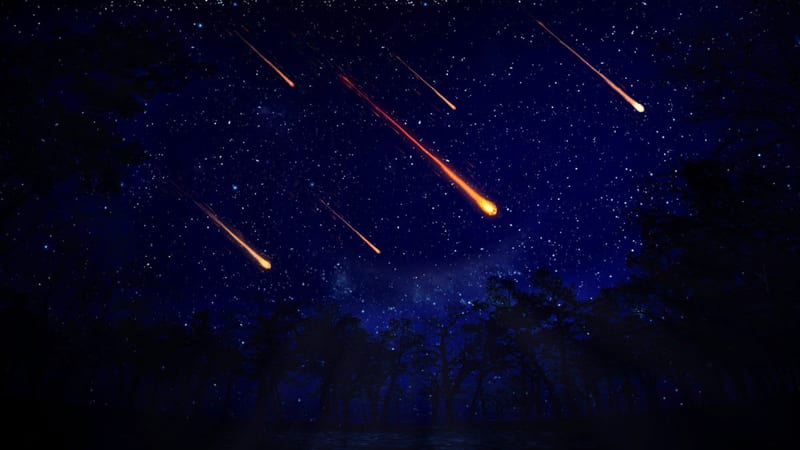
While the Northern Taurids are expected to reach their peak on November 11-12, the dark New Moon night on November 9 will be a very good time to try to spot them. Known for producing occasional bright fireballs, the shower has a meteor rate that is relatively modest at around five meteors per hour under ideal conditions. Fireballs can be particularly spectacular because they often appear brighter and last longer than ordinary meteors. For the best viewing experience, head outdoors after midnight and find a location away from city lights. Allow your eyes about 30 minutes to adjust to the darkness. You do not need a telescope or binoculars; simply look up and take in as much of the sky as possible.
Bright planets in the night sky
Take advantage of the November dark skies to observe Saturn, which remains well-positioned in the evening sky. Look east-southeast an hour after sunset to catch the planet, which is easily the brightest point of light in the region. If you use a telescope, you will also be able to spot its famous rings. Venus, which will attain its peak brightness on November 27, is one of the show-stealers this month. On November 9, it can be spotted low in the east-southeast an hour before sunrise, close to the bright star Spica, according to astronomy educator Dr. Jeffrey L. Hunt.
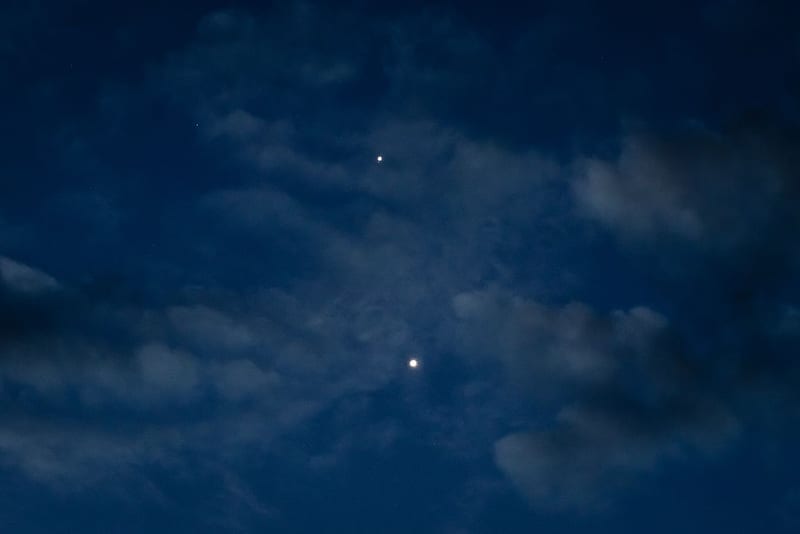
On the other hand, Jupiter and Mars, which are approaching each other, with a close encounter expected on November 16, are located higher in the south-southeast near Leo’s Regulus an hour before sunrise. The gas giant will be the second brightest object in the sky at this time, even though it will have just 10% of the brightness of Venus.
More on Starlust
Beaver Moon 2026: Date, peak time and how to photograph November’s Supermoon