Astronomers unexpectedly capture a planet's birth within the swirling disk of a young star
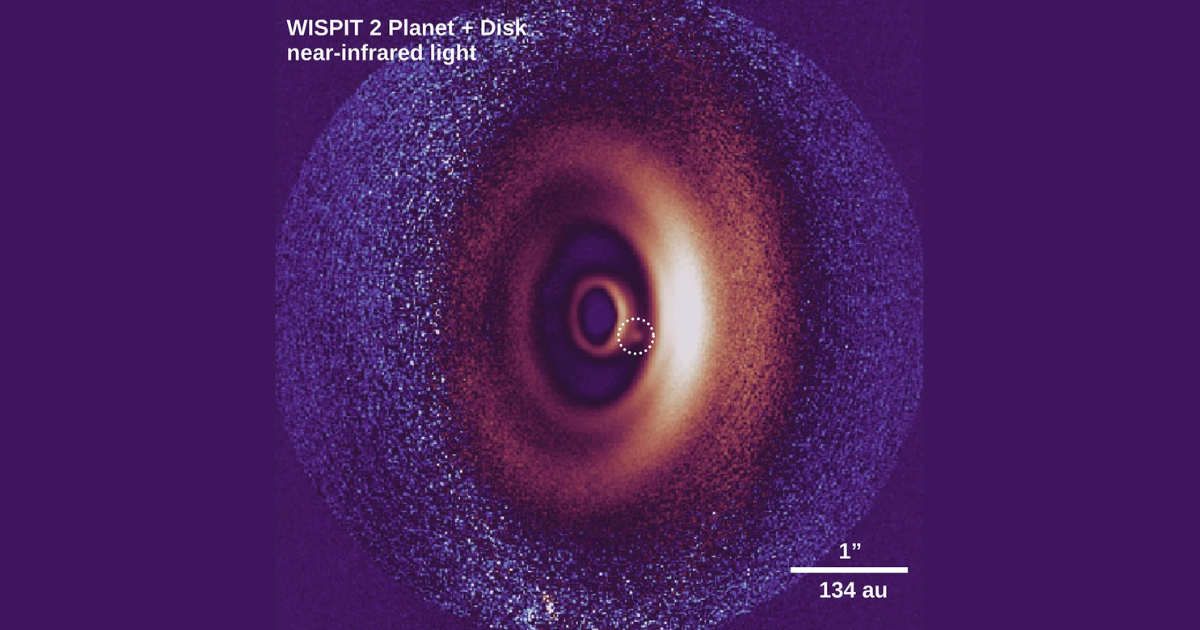
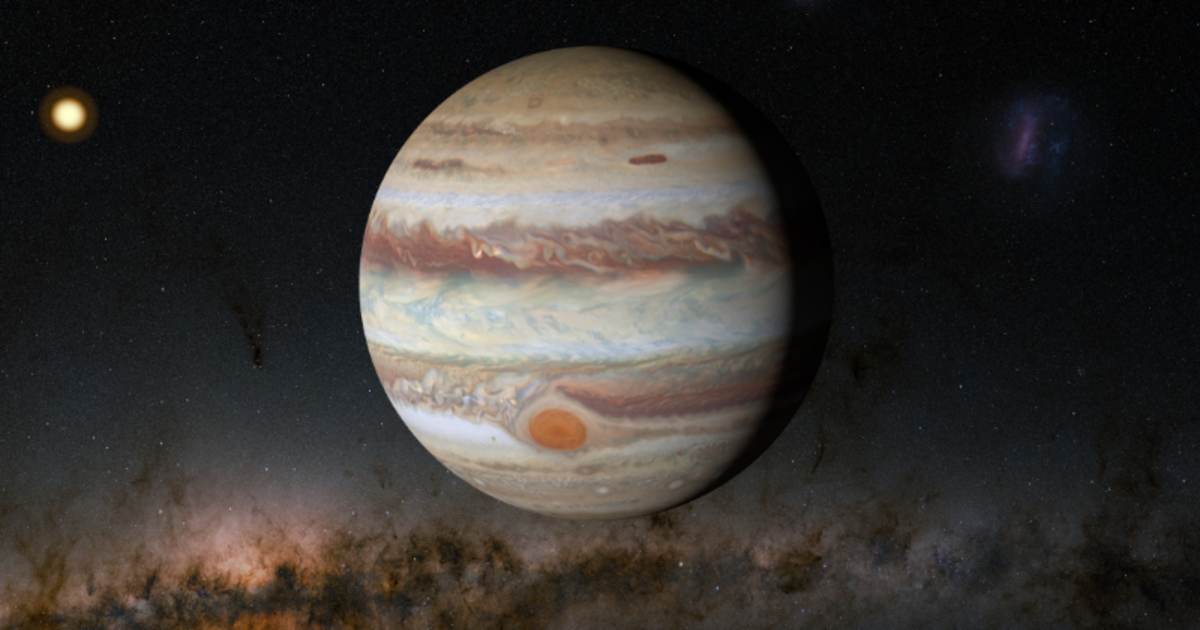
A global team of astronomers, co-led by researchers at the University of Galway, has discovered a new planet. It was detected early in its formation around a young star similar to the sun. The planet is about 5 million years old and is likely a gas giant, similar in size to Jupiter. The study was led by Leiden University, the University of Galway, and the University of Arizona, and has been published in the Astrophysical Journal Letters. The discovery was made using one of the world's top observatories, the European Southern Observatory's Very Large Telescope (ESO's VLT) in the Atacama Desert in Chile, as reported by Phys.org on August 26.
Scientists named the new planet WISPIT 2b. Dr. Christian Ginski from the School of Natural Sciences at the University of Galway, and second author of the study, said in a press release, “We used these really short snapshot observations of many young stars — only a few minutes per object — to determine if we could see a little dot of light next to them that is caused by a planet." However, scientists witnessed something unexpectedly beautiful with this star — a multi-ringed dust disk. "When we saw this multi-ringed disk for the first time, we knew we had to try and see if we could detect a planet within it, so we quickly asked for follow-up observations."
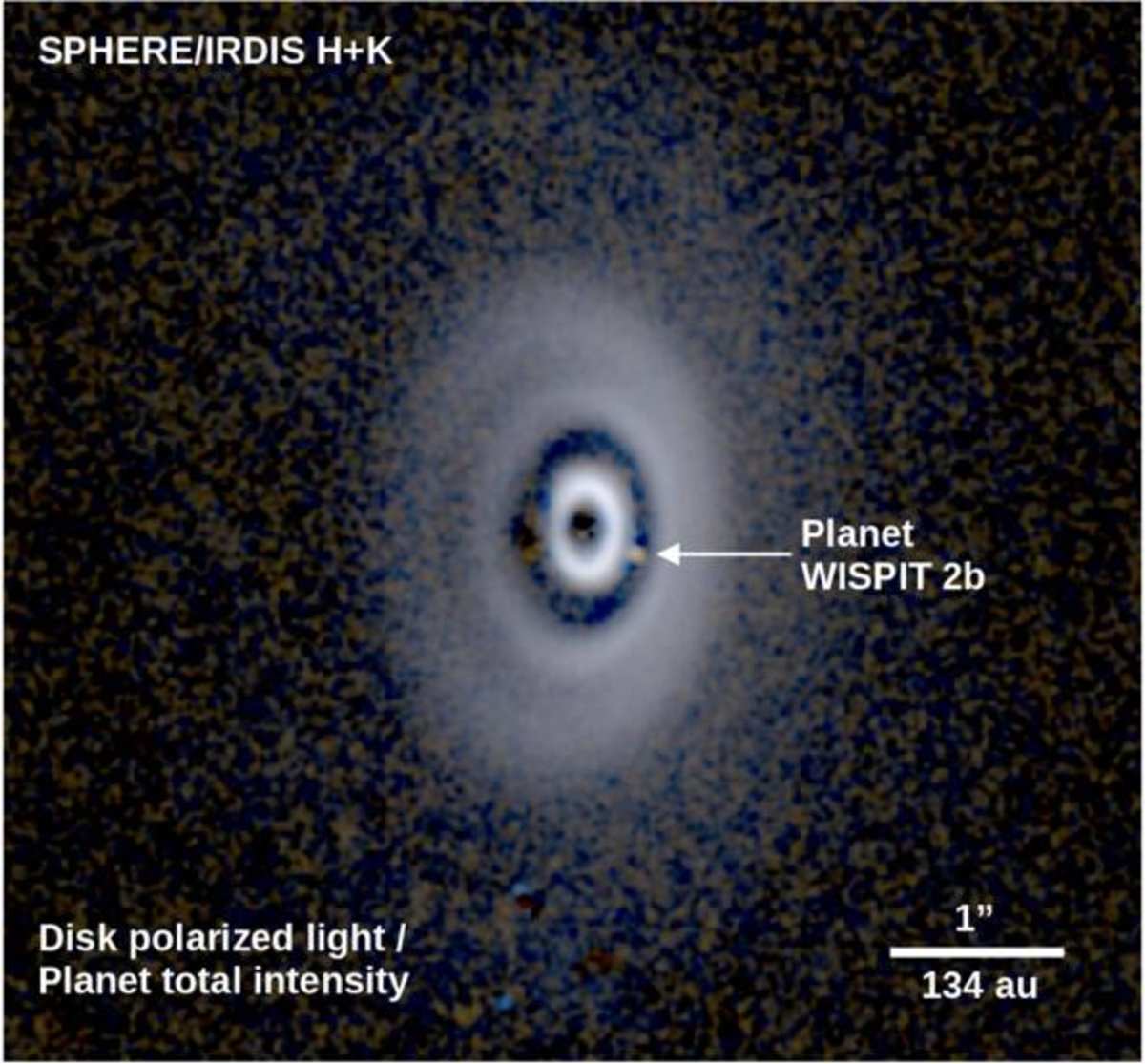
This is the second time a planet has been discovered during its early evolutionary stage around "a young version of the sun." In 2018, a research team involving Dr. Ginski discovered the first. Detected during a 5-year-long observation research project, WISPIT 2b is the first planet found in a multi-ringed disk. This helps further scientific study regarding how planets interact with their respective disks and evolve. Photographed in near-infrared light, WISPIT 2b was still glowing and hot from its formation phase. The clear image of this "young proto-planet" protruding from a gap within the disk also confirmed that the planet orbits its host star.
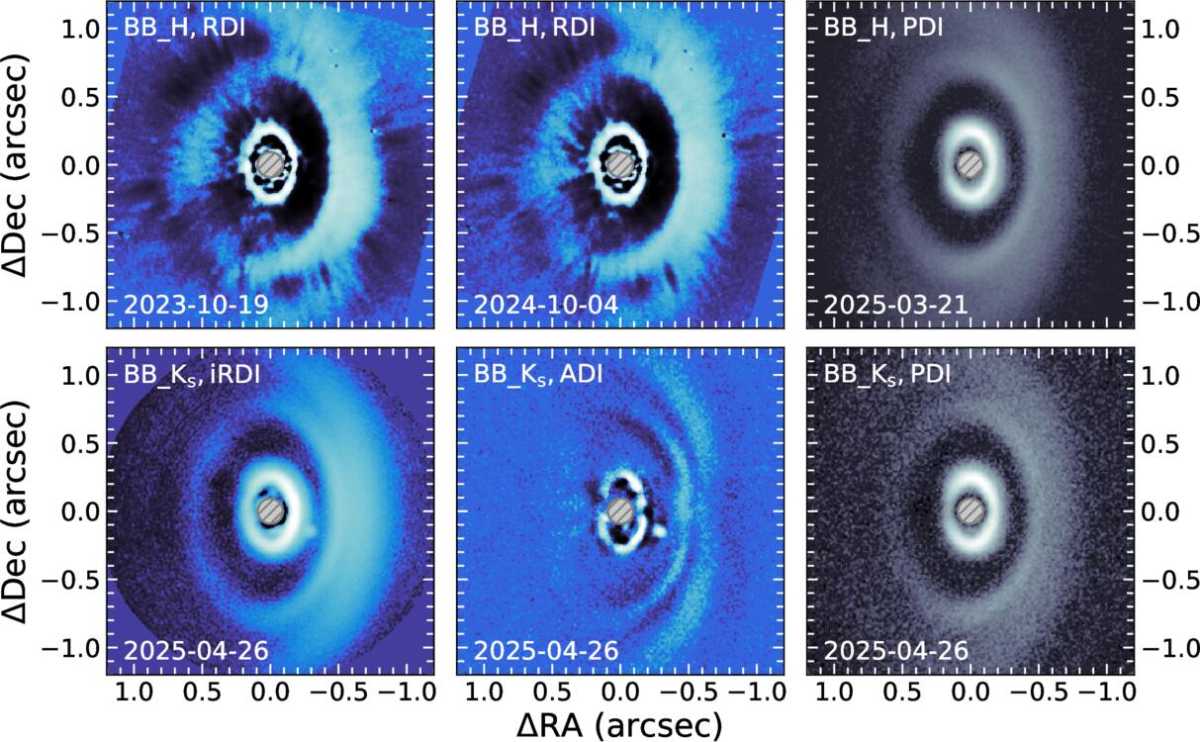
A team from the University of Arizona detected the planet in visible light using their MagAO-X extreme adaptive optics system at the Magellan Telescope in Chile, the university press release announced. This detection at a specific wavelength shows that the planet is actively gathering gas as it forms its atmosphere. WISPIT 2b was identified during a research project where an international team aimed to find out whether wide-orbit gas giant planets are more common around younger or older stars. This investigation led to the unexpected discovery of this new planet. Dust and gas-rich disks around young stars serve as the cradles for planet formation.
Astronomers have spotted a brand-new planet in the making and, for the first time, it has been caught inside a spectacular multi-ringed disk of dust and gas.https://t.co/inE13dUNeX
— BBC Sky at Night Magazine (@skyatnightmag) August 26, 2025
Researchers think these structures relate to the planets forming within the disks, noted Phys.Org. The disk surrounding WISPIT 2b has a radius of 380 astronomical units, which is about 380 times the distance between Earth and the sun. Dr. Ginski further explained, "Capturing an image of these forming planets has proven extremely challenging and it gives us a real chance to understand why the many thousands of older exoplanet systems out there look so diverse and so different from our own solar system." The study was led by Richelle van Capelleveen, an early-career Ph.D. student from Leiden University.
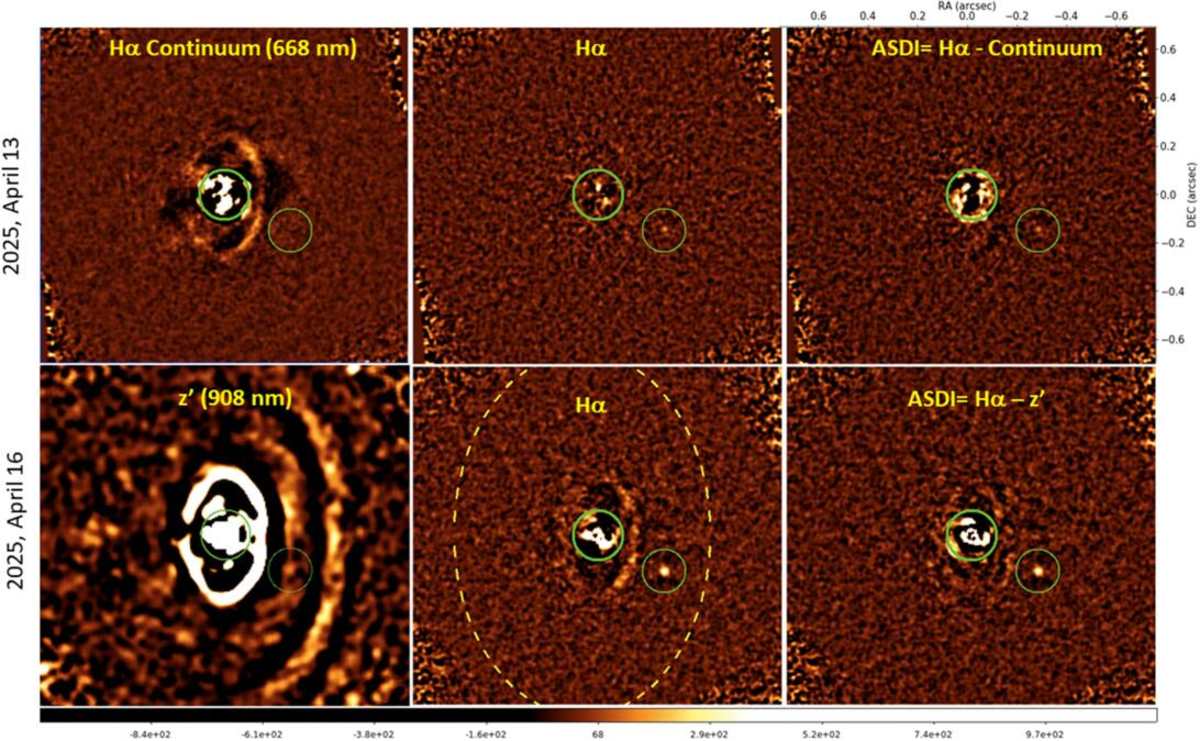
A related study published in the Astrophysical Journal Letters from the University of Arizona was led by Professor Laird Close. Observations were conducted based on the information provided about the new disk by the teams from the University of Galway and Leiden University. Capelleveen remarked, "Discovering this planet was an amazing experience — we were incredibly lucky. WISPIT 2, a young version of our sun, is located in a little-studied group of young stars, and we did not expect to find such a spectacular system.
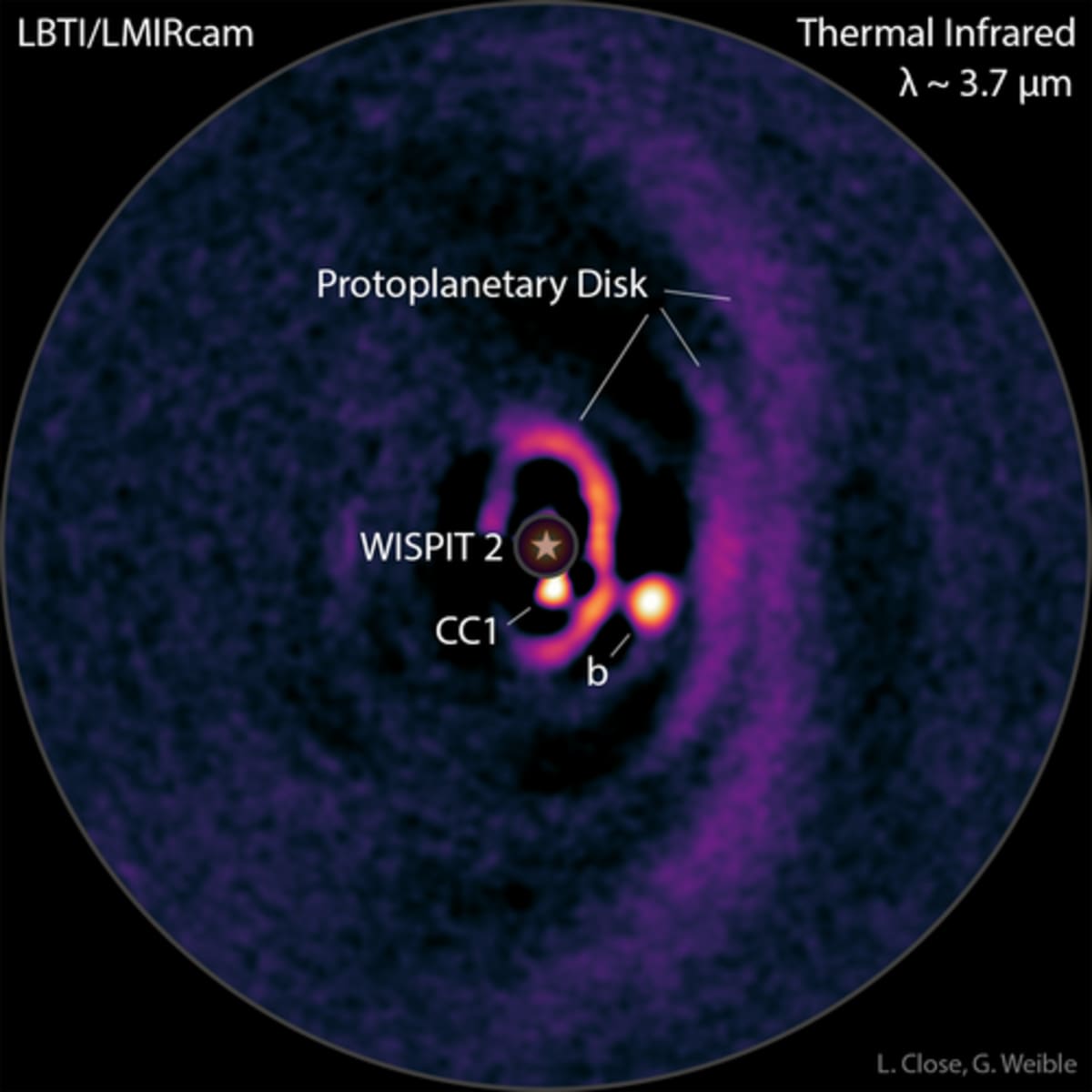
This system will likely be a benchmark for years to come." Dr. Ginski concluded, "We were so fortunate to have these incredible young researchers on the case. This is the next generation of astrophysicists who, I am sure, will make more breakthrough discoveries in the years to come." International teams came together to reveal WISPIT 2b, showing how global collaboration can improve the world's understanding of how planets form.