Supergiant star baffles astronomers by surviving mysterious blast, expelling gas cloud bigger than our solar system
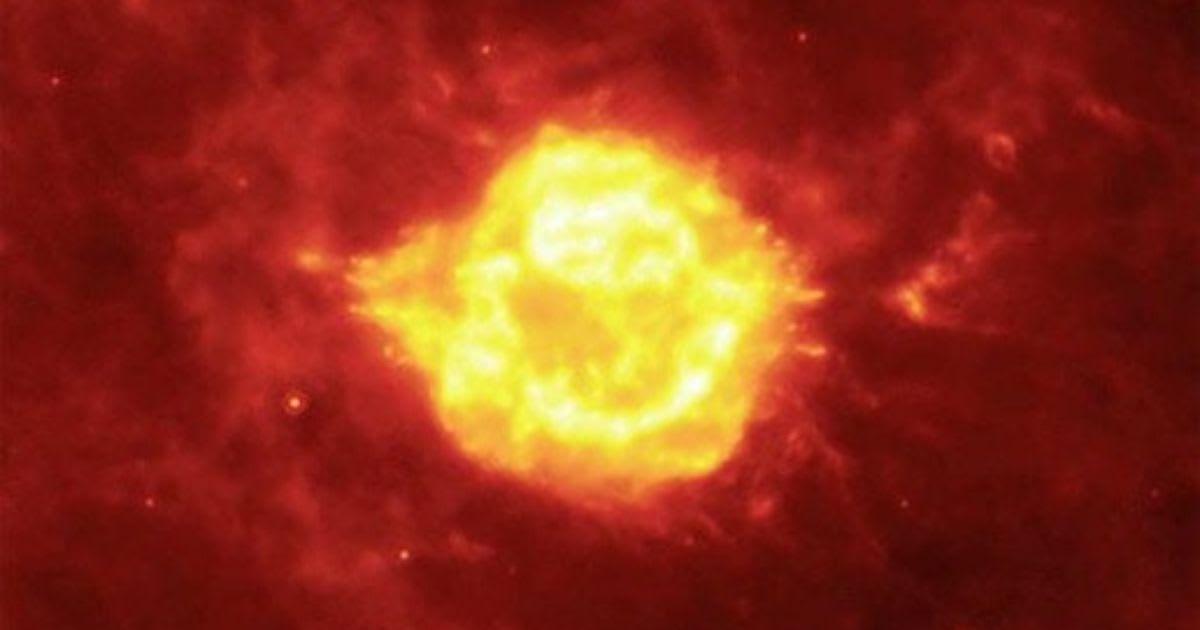
A massive cloud of gas has been discovered surrounding a red supergiant star, leaving astronomers baffled as to how the star survived such a powerful eruption. The enormous structure, the largest of its kind ever found in the Milky Way, holds the mass of our Sun and stretches a staggering 1.4 light-years from its center. The findings, published in the journal Astronomy and Astrophysics, detail the discovery made by a team led by Mark Siebert of Chalmers University of Technology.
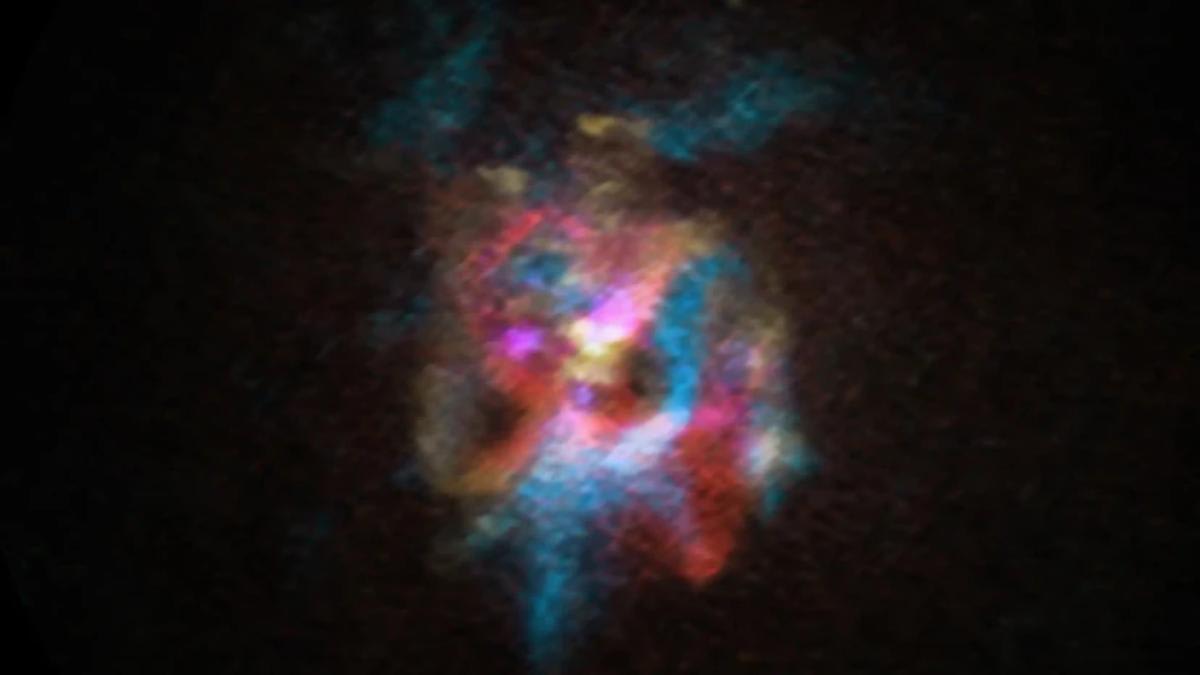
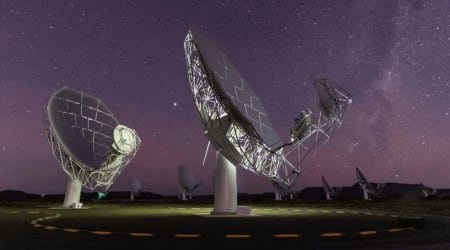
Using the ALMA radio telescope in Chile, researchers observed the star DFK 52, a celestial twin of the well-known star Betelgeuse, as per Phys.org. “We got a big surprise when we saw what Alma was showing us," Siebert stated. "The star is more or less a twin of Betelgeuse, but it’s surrounded by a vast, messy bubble of material.” The colossal bubble, a complex of gas and dust clouds, is tens of thousands of times wider than our solar system. The radio observations from ALMA allowed the team to measure the movement of molecules within the cloud, confirming that the bubble is actively expanding.
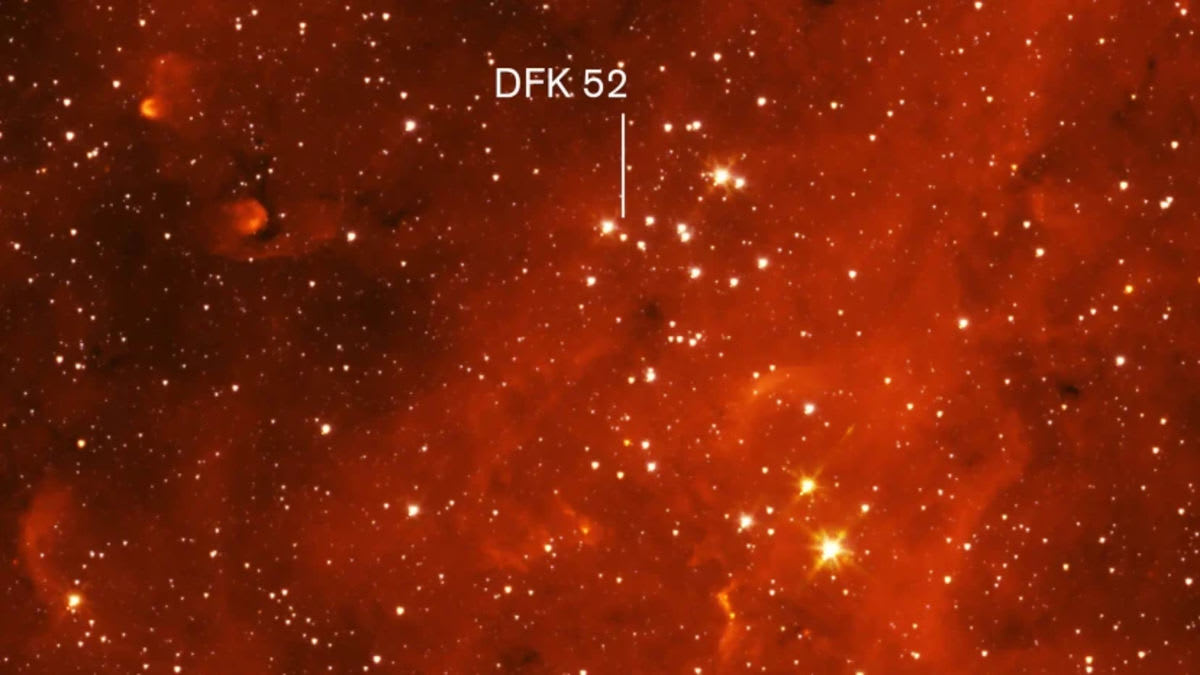
Astronomers believe the bubble formed roughly 4,000 years ago when DFK 52 suddenly shed its outer layers in a dramatic, powerful explosion. “The bubble is made of material that used to be part of the star," said Elvire De Beck, an astronomer at Chalmers. "It must have been ejected in a dramatic event, an explosion, that happened about four thousand years ago. In cosmic terms, that’s just a moment ago.”
The key mystery remains: why did the star survive? Such a massive loss of material would typically indicate a supernova, an event that destroys a star. One theory being considered is the presence of a hidden companion star that may have triggered the eruption. “To us, it’s a mystery as to how the star managed to expel so much material in such a short timeframe," Siebert added. "Maybe, like Betelgeuse seems to, it has a companion star that’s still to be discovered.”
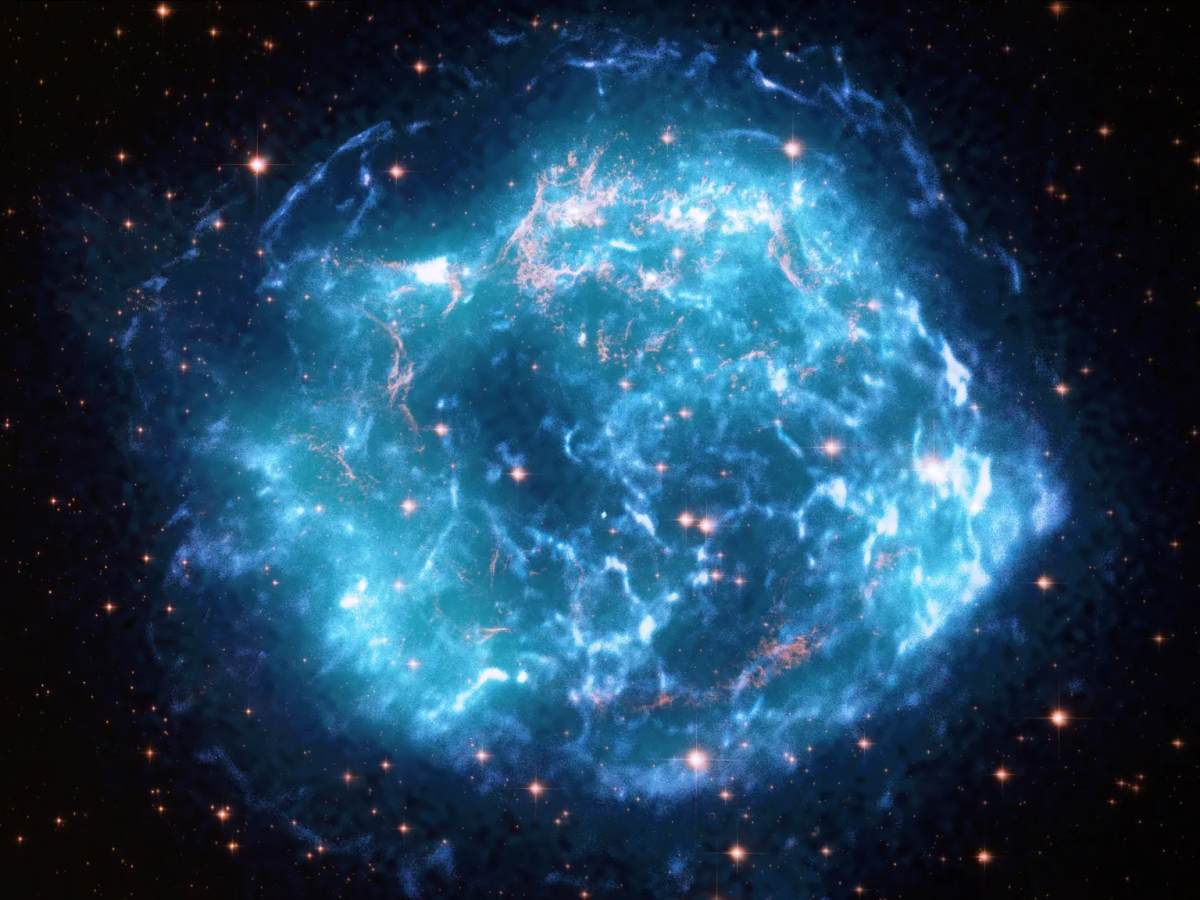
Red supergiants like DFK 52 are in the final stages of their lives and are destined to become supernovae. With this in mind, scientists are now questioning whether DFK 52 could be the next star in our galaxy to meet its explosive end. “If this is a typical red supergiant, it could explode sometime in the next million years," De Beck noted. "We’re planning more observations to understand what’s happening — and to find out whether this might be the Milky Way’s next supernova.”
This dramatic behaviour in red supergiants is part of the natural life cycle of a star. When a star with less than eight times the mass of our Sun exhausts the hydrogen fuel in its core, the energy from fusion is no longer enough to counteract gravity, causing the star to begin collapsing, according to NASA. This collapse raises the core's temperature and pressure to a point where helium begins fusing into carbon, releasing a new burst of energy. At the same time, hydrogen fusion moves to the star's outer layers, causing them to expand dramatically and transform the star into a red giant, which appears more orange than red.