Watch one of the universe's elusive black holes gravitationally tearing apart a star in a burst of radiation
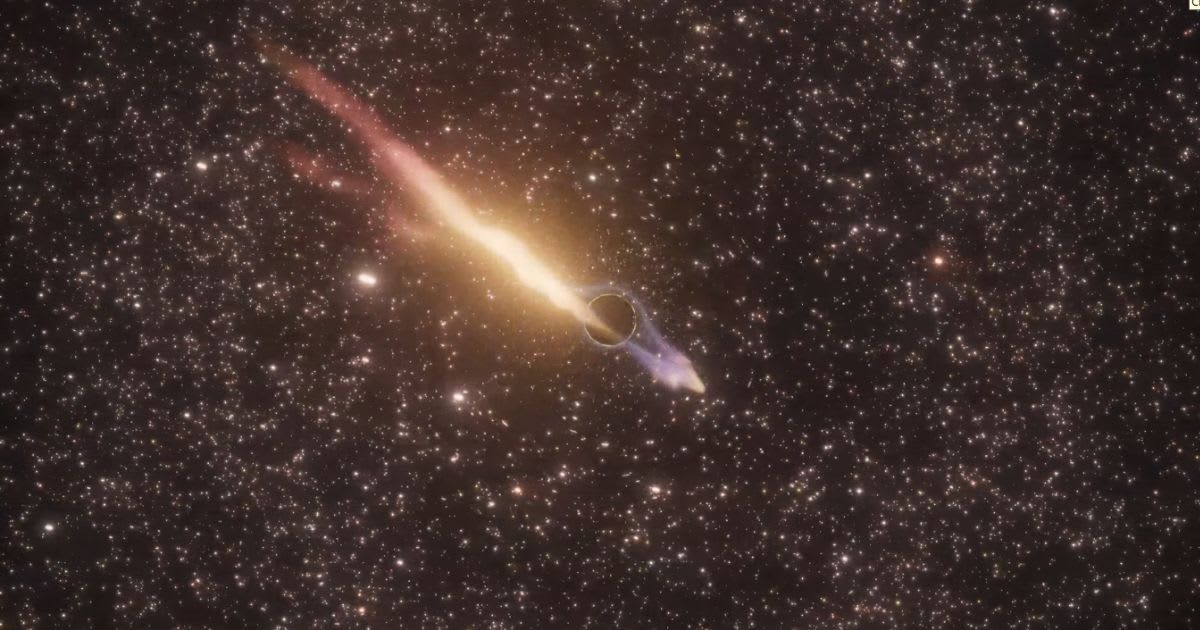
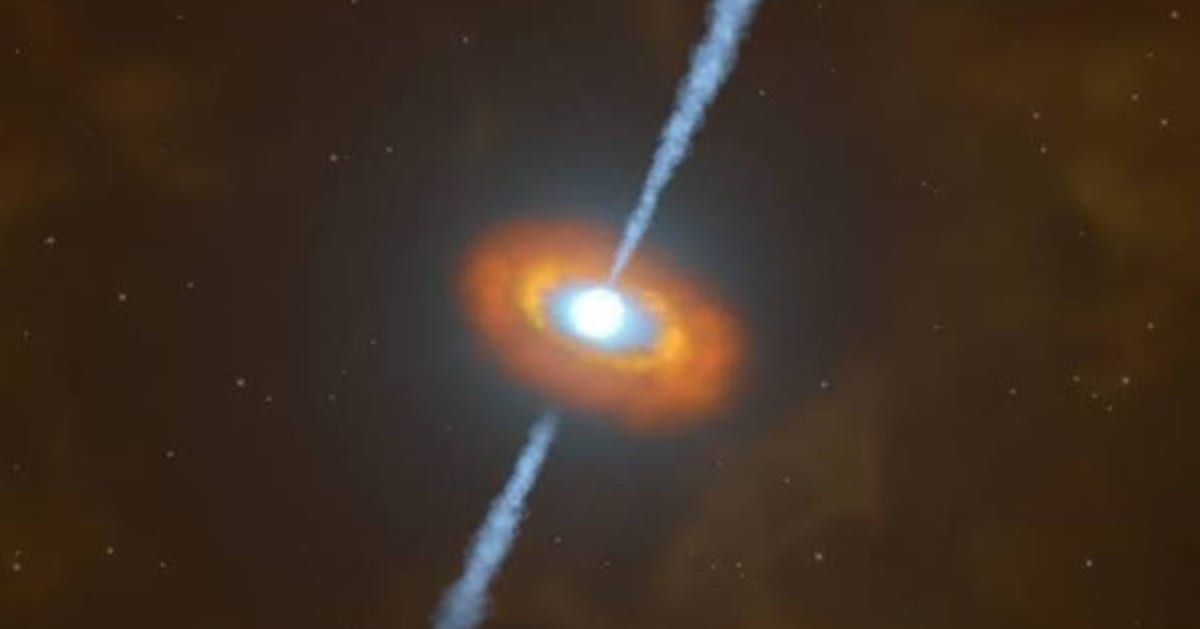
In a rare astronomical event, scientists believe they have observed a "missing link" black hole tearing apart a nearby star at the far reaches of a galaxy. This event, known as a tidal disruption event, has provided a new candidate for the elusive class of intermediate-mass black holes (IMBHs). Researchers have released a powerful animation depicting the star's destruction, a phenomenon often described as "spaghettifying," as reported on Live Science.
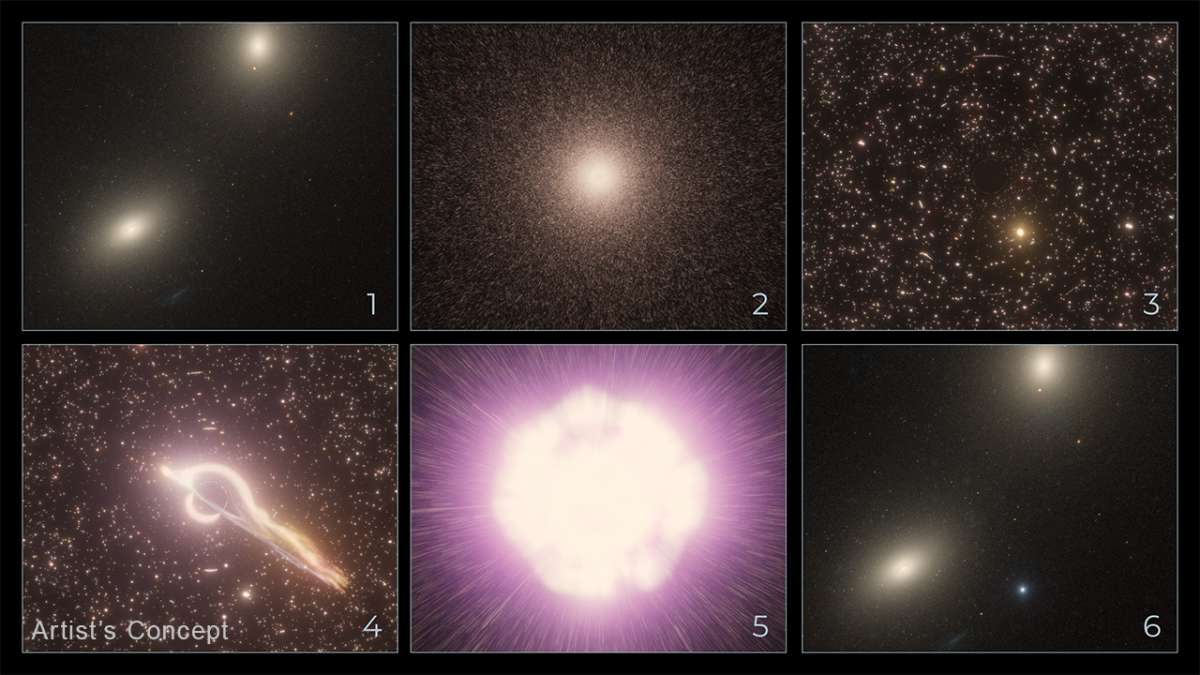
IMBHs are a theoretical class of black holes with masses ranging from 100 to 100,000 times that of our Sun, bridging the gap between smaller stellar-mass black holes and the supermassive black holes that anchor galaxies. Because they are difficult to detect, the existence of IMBHs had long been debated. They lack the powerful energy jets of their larger counterparts and are often mistaken for smaller black hole clusters.
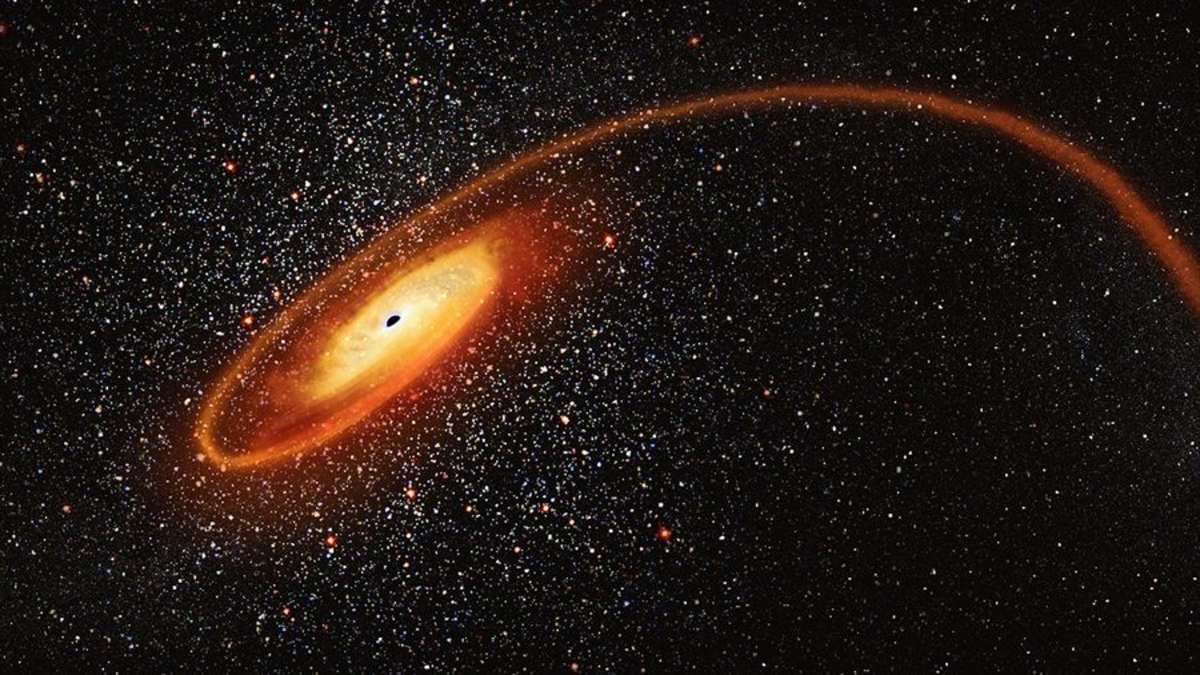
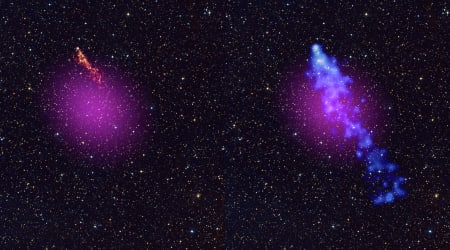
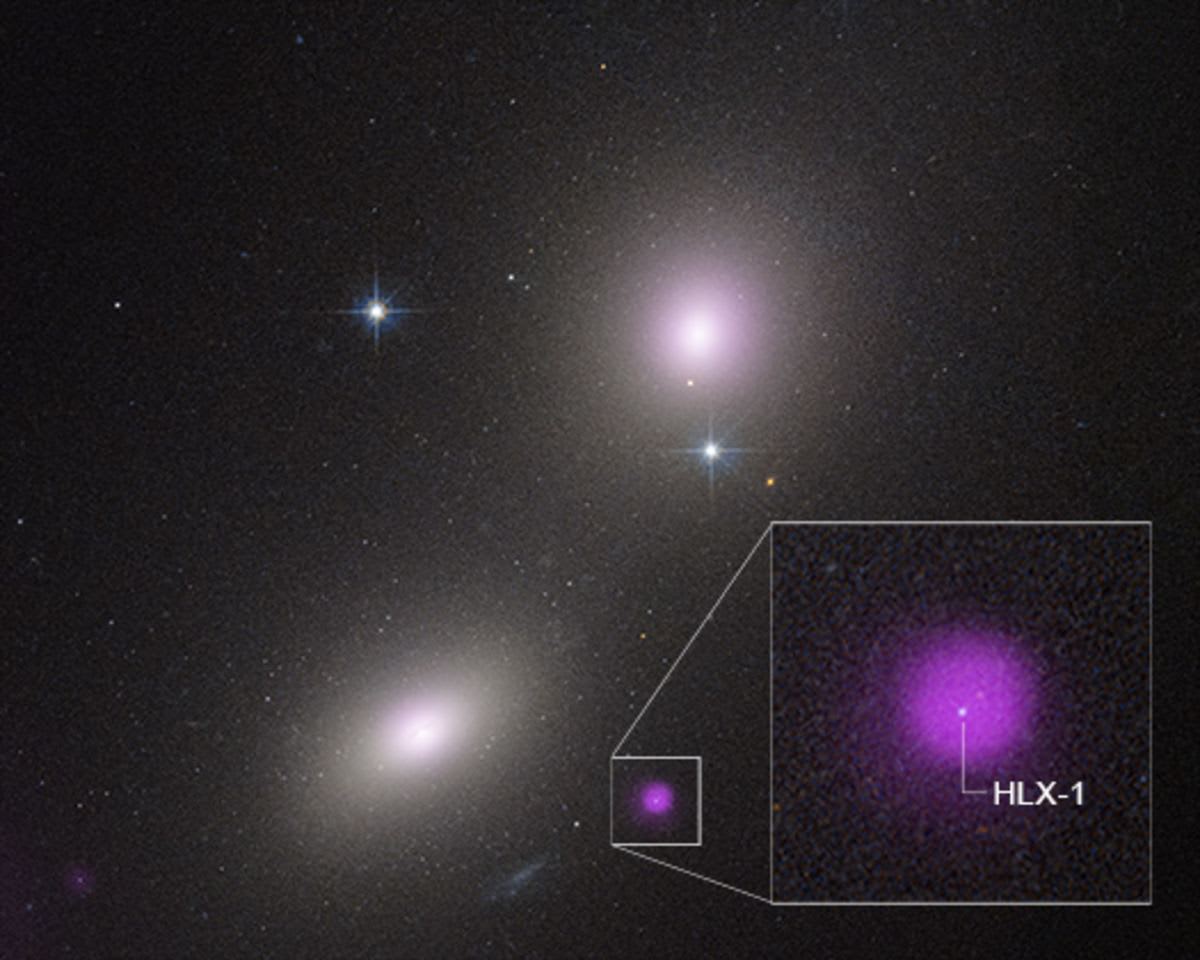
In a study published in The Astrophysical Journal on April 11, the research team presented their findings on a promising new IMBH candidate named HLX-1. Located more than 450 million light-years from Earth on the outskirts of the galaxy NGC 6099, HLX-1 was the source of a bright X-ray flare that peaked in 2012 before gradually fading. Combining data from the Hubble Space Telescope and NASA's Chandra X-ray Observatory, astronomers concluded this flare was a tidal disruption event, caused by the black hole violently shredding a nearby star.
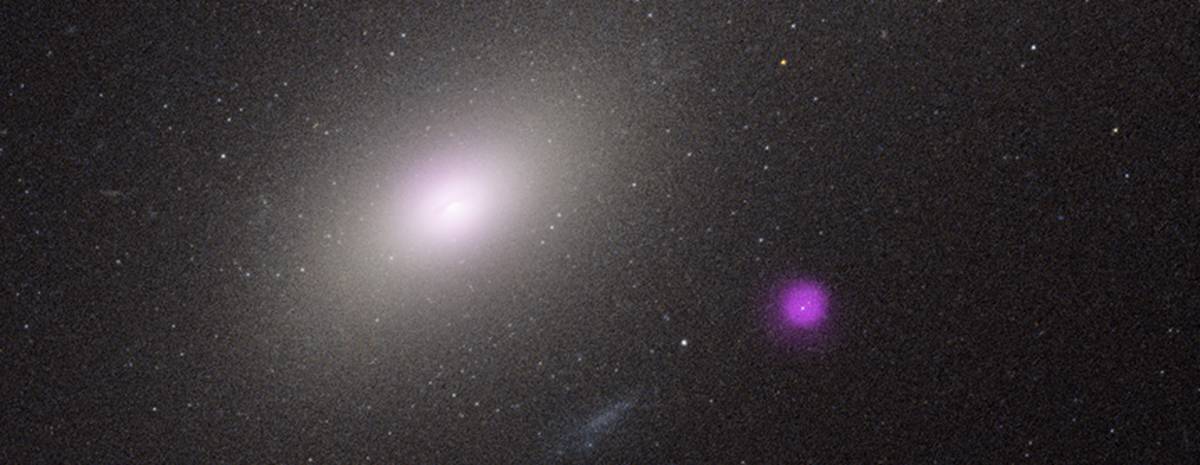
While the evidence is compelling, researchers caution that the observed light could also be caused by fluctuations in the black hole's accretion disk, a swirling ring of superheated matter. Ongoing monitoring will be necessary to determine whether the light source continues to fade, which would support the tidal disruption theory. The discovery of HLX-1 offers crucial insights into black hole evolution. According to lead author Yi-Chi Chang, IMBHs "represent a crucial missing link in black hole evolution between stellar mass and supermassive black holes." One theory posits that these mid-sized black holes could be stellar-mass black holes that have grown over billions of years, eventually migrating to the outskirts of galaxies like HLX-1 before being slingshot into intergalactic space.
The search for more of these events is now accelerating, thanks to new technology. Another study, published in Astrophysical Journal Letters, used the James Webb Space Telescope to confirm a long-held theory: many tidal disruption events have been hidden from view. A team of astronomers, including researchers from MIT and Columbia University, utilized JWST's powerful infrared capabilities to peer through the thick cosmic dust that has historically obscured these dramatic occurrences.
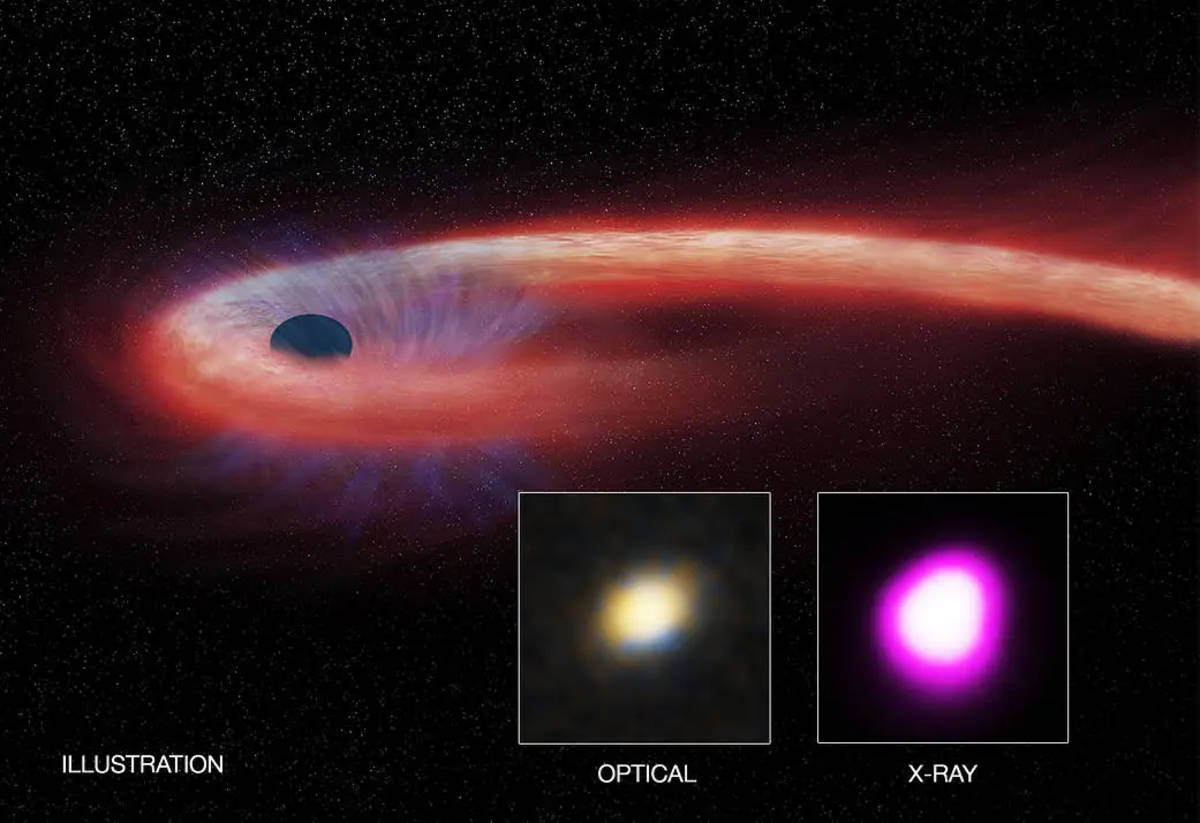
For decades, astronomers have only been able to detect TDEs as fleeting bursts of X-ray or optical light, primarily in less dusty galaxies. However, an emerging theory suggested that the intense light from a TDE would heat surrounding dust, creating a unique infrared signature. By observing four dusty galaxies, JWST successfully detected these definitive signatures of stars being shredded and consumed, patterns that were distinct from the light produced by continuously active black holes. This groundbreaking discovery proves that black holes feasting on stars are far more common than previously thought.
With new technologies like the James Webb Space Telescope and the Vera C. Rubin Observatory now operational, astronomers are hopeful that more tidal disruption events will be detected, providing further evidence for this elusive class of black holes and a deeper understanding of how they grow, as per Live Science.