Promising Earth-sized exoplanet is ruled out as habitable by new James Webb Space Telescope observations
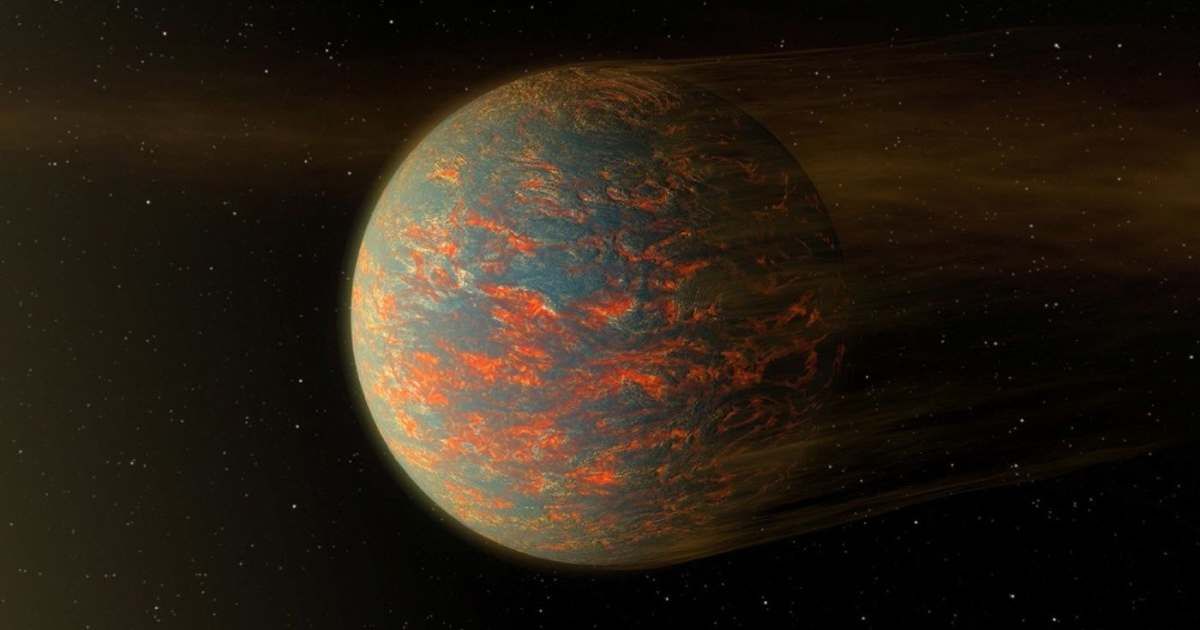
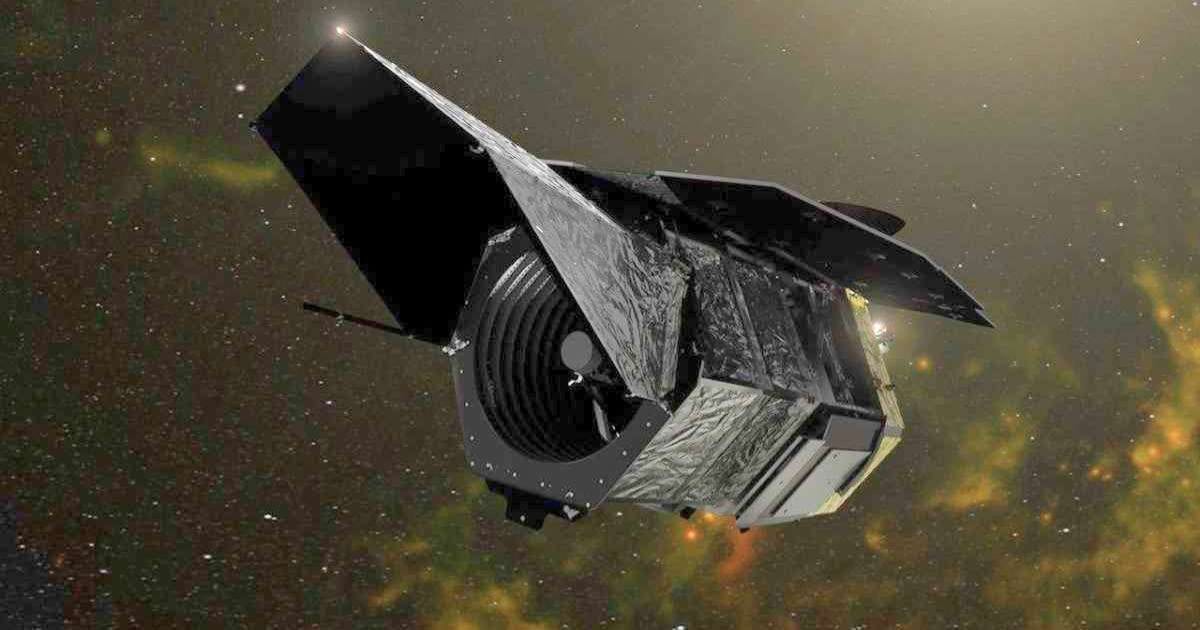
The James Webb Space Telescope (JWST) has delivered new findings on the exoplanet GJ 3929b, concluding that the promising Earth-sized world is likely a barren rock without an atmosphere. The study, led by Qiao Xue from the University of Chicago, adds to a growing dataset on rocky planets orbiting red dwarf stars, a common type of star in our galaxy, according to Universe Today.
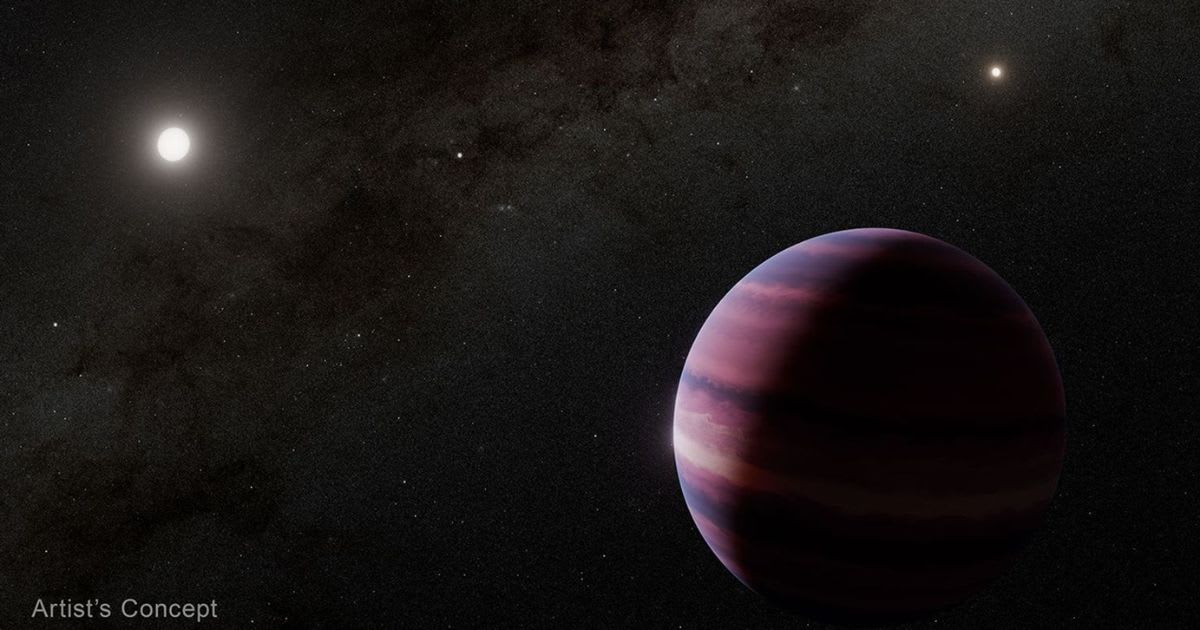
The Director's Discretionary Time (DDT) program uses both the Hubble and JWST telescopes to study these particular planets. Astronomers focus on red dwarfs for several strategic reasons. Making up about 75% of the Milky Way's stellar population, they are the most common stars and are therefore likely to host the majority of exoplanets. Their longevity also means that any life on an orbiting planet would have a vast amount of time to develop. Additionally, red dwarfs are easier to study because their habitable zones are small and close to the star, making planetary transits easier to observe. This proximity also means their atmospheres are well-lit and more accessible to spectroscopic analysis.

First identified in TESS data in 2022, GJ 3929b was quickly flagged as a planet of interest. "Its mass and radius (~ 0.43 Earth masses and ~1.15 Earth radii) put it into the regime of small Earth-sized planets," the authors of the original discovery paper wrote. This classification, combined with its orbit around a red dwarf, made it a prime target for follow-up observations by the JWST, which is capable of analyzing the atmospheres of distant worlds.
The latest observations, however, delivered a different picture. According to the new paper, "The JWST Rocky Worlds DDT Program reveals GJ 3929b to likely be a bare rock." The findings indicate that the planet has lost any significant atmosphere it may have once possessed, likely due to intense radiation from its host star. "These results rule out CO2-rich atmospheres thicker than 100 mbar at > 3σ, suggesting that GJ 3929b has lost any significant secondary atmosphere," the researchers stated.
The results are significant for the cosmic shoreline hypothesis, which explores how a planet's cumulative exposure to X-ray and UV radiation from its star can determine whether it retains or loses its atmosphere. The data places GJ 3929b firmly on the "airless side" of this hypothesis. While the finding may be disappointing for those hoping to find a habitable world, it provides crucial information about how planets evolve. "Together, these data will build a statistical framework for atmospheric retention, surface composition, and XUV-driven erosion on these small planets, transforming our understanding of how they form, evolve, and either keep or lose their atmospheres in the intense radiation environments," the authors concluded.
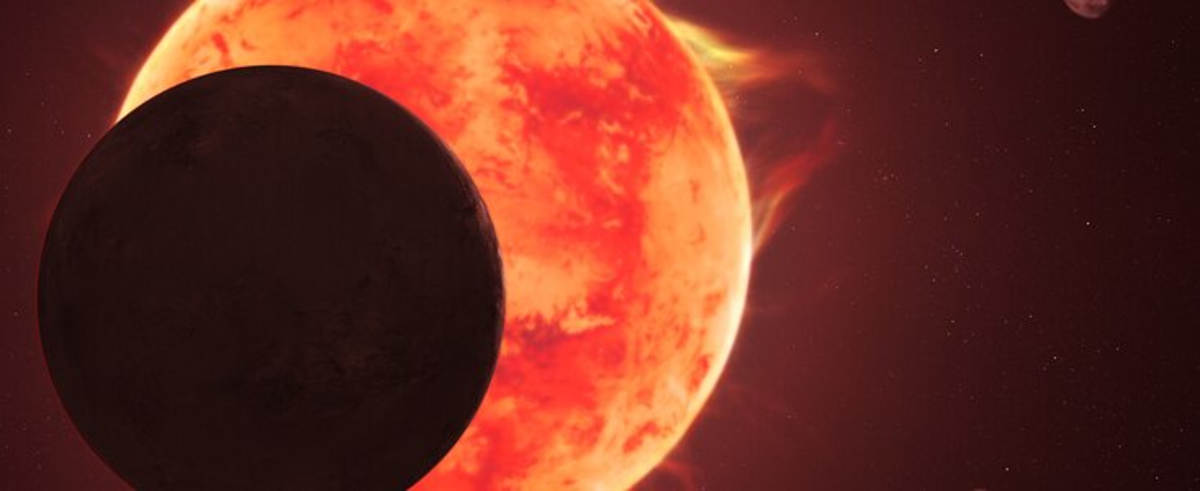
In a separate discovery, new observations from the JWST are shedding light on the temperate exoplanet K2-18 b, revealing it to be a water-rich world but casting doubt on previous suggestions of a habitable environment. This research, posted to the arXiv preprint server, adds nuance to earlier studies that hinted at the presence of dimethyl sulfide (DMS), a potential biosignature gas.
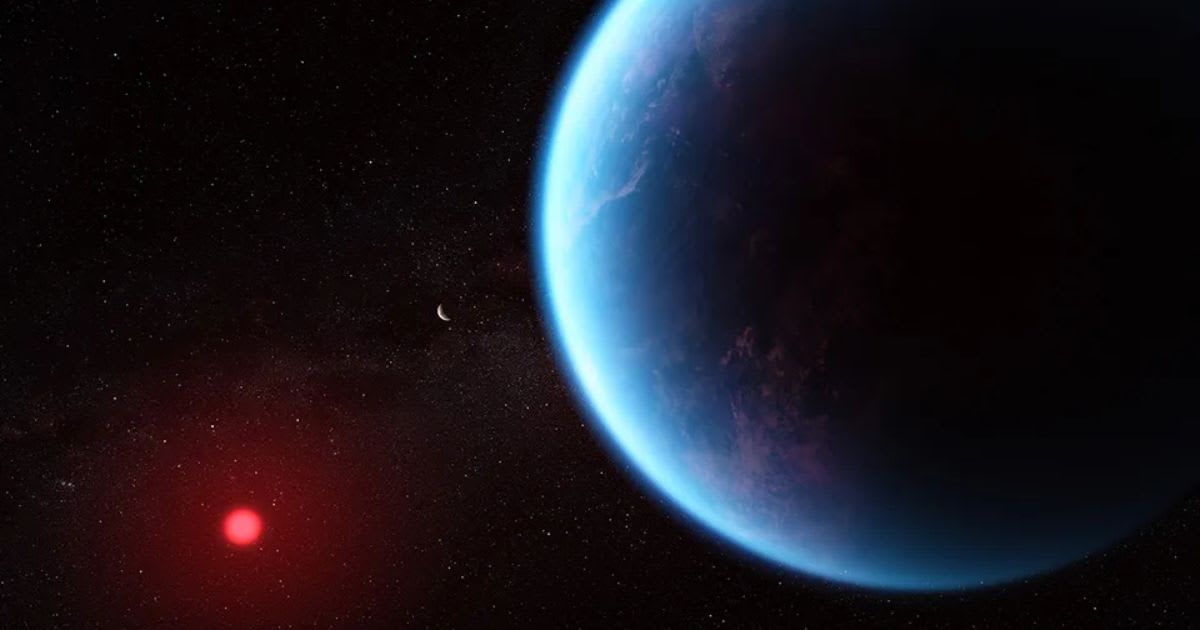
Using the JWST's Near-Infrared Spectrograph (NIRSpec), researchers have confirmed the robust presence of methane and carbon dioxide in K2-18 b's atmosphere. This definitely establishes the planet's water-rich composition. This suggests a significant amount of water, either in a thick, vapor-filled envelope or in a liquid ocean beneath a thinner atmosphere.