Astronomers discover massive molecular cloud igniting star formation in our galaxy: 'No one had any idea it existed'
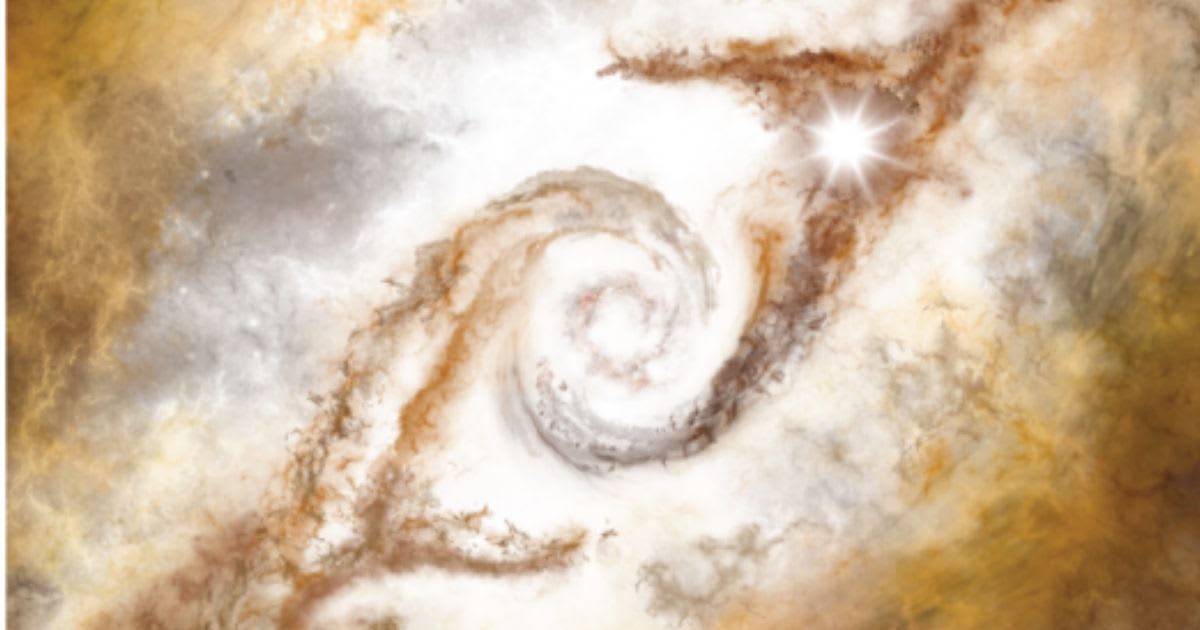
A newly identified colossal cloud, dubbed the Midpoint cloud, is providing scientists with unusual insights into stellar nurseries and the dynamic movement of galactic matter funneling towards the heart of the Milky Way, according to the National Radio Astronomy Observatory.
NEW: Astronomers Discover Massive Molecular Cloud Hidden in Milky Way
— Green Bank Observatory (@GreenBankObserv) July 16, 2025
The newly discovered "Midpoint cloud" offers a rare glimpse into star formation and the dynamic flow of galactic material toward the Milky Way's center.https://t.co/Fqqyk4Zulh
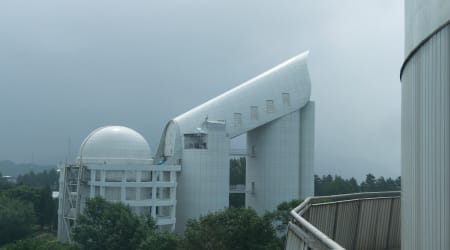
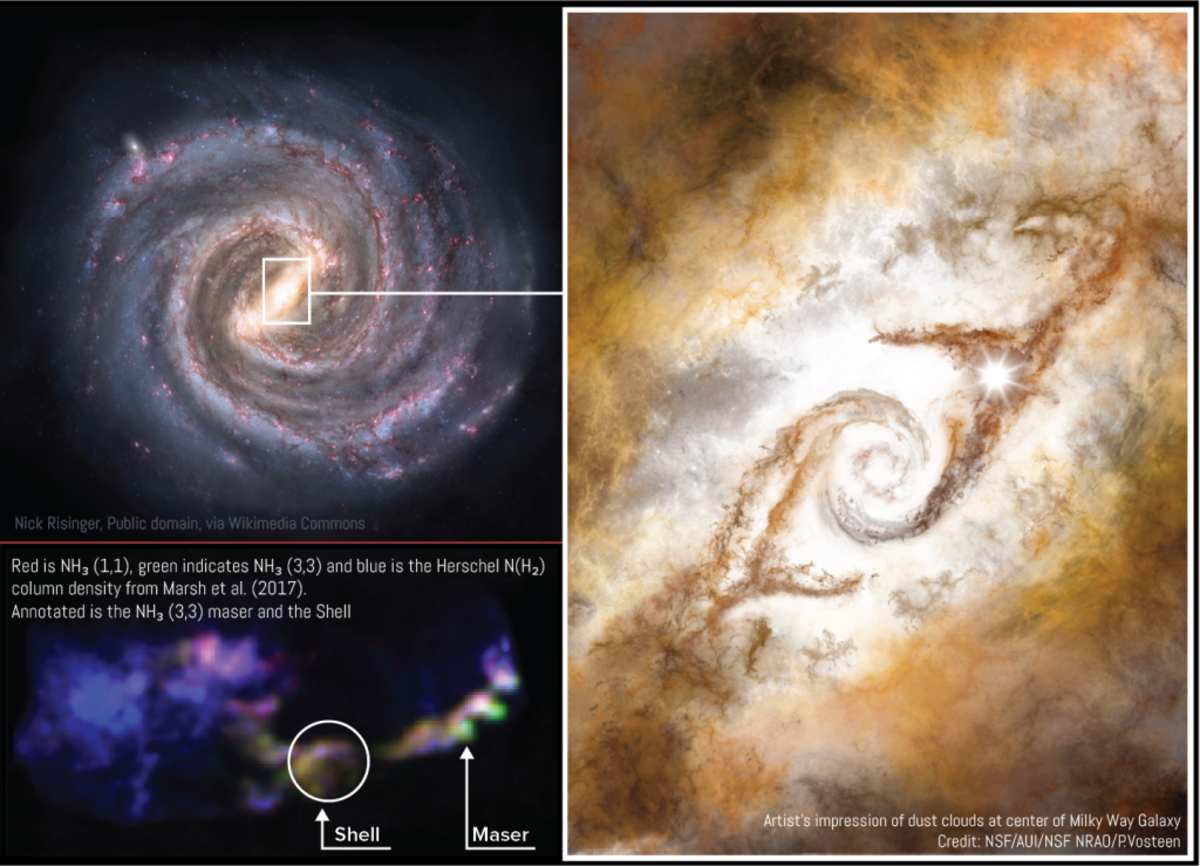
An international contingent of astronomers has reported the discovery of an immense concentration of gas and dust situated within a previously less-explored sector of our galaxy. This newly identified Giant Molecular Cloud (GMC) spans an impressive 60 parsecs, or approximately 200 light-years. Publishing their findings in the latest edition of the Astrophysical Journal, researchers utilized the US National Science Foundation Green Bank Telescope (NSF GBT) to probe a molecular cloud designated M4.7-0.8, now known as the Midpoint cloud. Their observations have unveiled a highly active and tumultuous area, potentially harboring numerous emerging stellar systems.
“One of the big discoveries of the paper was the GMC itself," stated Natalie Butterfield, a scientist with the NSF National Radio Astronomy Observatory (NRAO) and lead author of the study. "No one had any idea this cloud existed until we looked at this location in the sky and found the dense gas. Through measurements of the size, mass, and density, we confirmed this was a giant molecular cloud.”
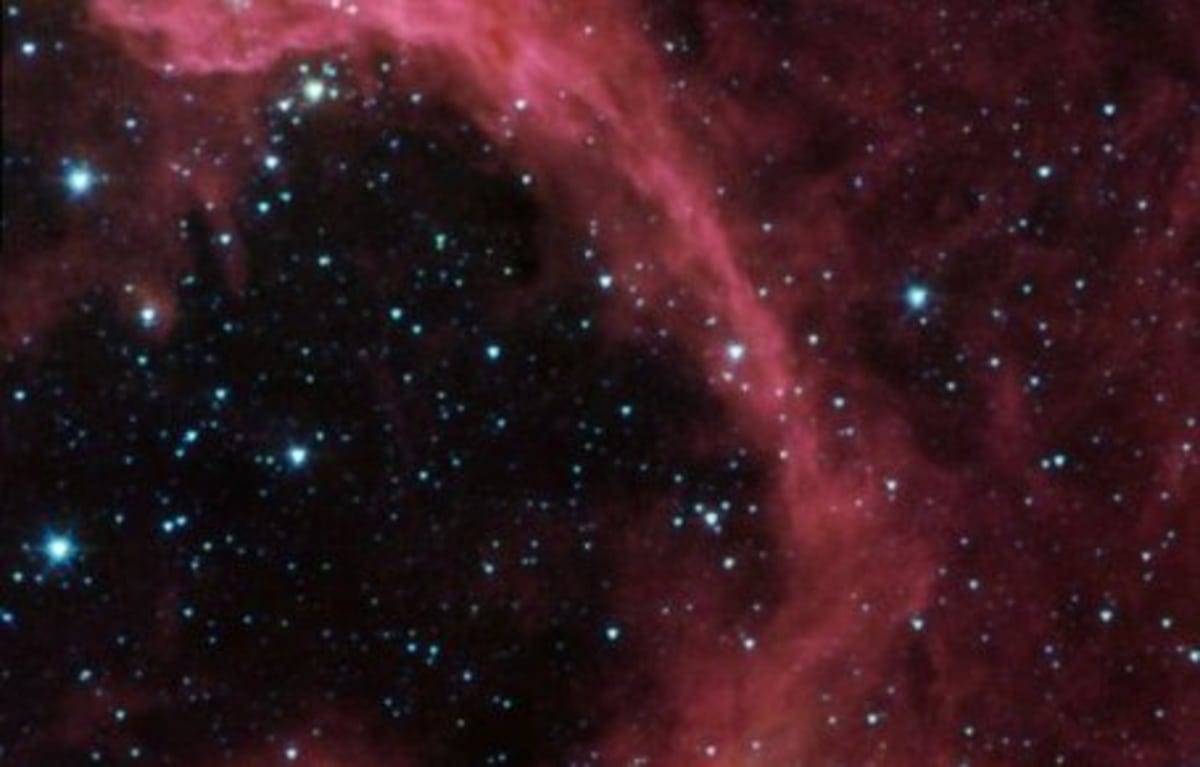
Butterfield further elaborated, “These dust lanes are like hidden rivers of gas and dust that are carrying material into the center of our galaxy." She added, “The Midpoint cloud is a place where material from the galaxy’s disk is transitioning into the more extreme environment of the galactic center and provides a unique opportunity to study the initial gas conditions before accumulating in the center of our galaxy.” The NSF GBT observations specifically targeted molecules such as ammonia (NH3) and cyanobutadiyne (HC5N), which serve as indicators of dense gas. Beyond revealing the previously unknown Midpoint cloud within the Milky Way's inward-flowing dust lane, the collected data also showed the discovery of a new maser, a naturally occurring, powerful source of microwave radiation, directly associated with ammonia gas, a frequent indicator of ongoing star formation.
The cloud also contains potential stellar birthing grounds with compact, condensed pockets of gas and dust that appear poised for imminent star birth. One such concentration, labelled Knot E, might be a frEGG (free-floating evaporating gas globule), a small, dense cloud undergoing erosion from the radiation emitted by neighboring stars. Furthermore, the team found evidence of stellar feedback within the cloud, including a shell-like formation potentially sculpted by the energetic output released from dying stars. Lastly, the gas within the cloud exhibits turbulent gas dynamics, mirroring the chaotic conditions observed in the galaxy's central regions, which could stem from the inflow of material along the dust lanes or from collisions with other clouds, as mentioned on the National Radio Astronomy Observatory.
“Star formation in galactic bars is a bit of a puzzle,” commented Larry Morgan, a scientist with the NSF Green Bank Observatory. “The strong forces in these regions can actually suppress star formation. However, the leading edges of these bars, such as where the Midpoint is located, can accumulate dense gas and trigger new star formation.” The team's conclusions suggest that the Midpoint cloud plays a pivotal role in the transfer of material from the Milky Way's outer disk to its core. By scrutinizing this region, astronomers can gain a deeper understanding of how galaxies construct their central structures and facilitate the birth of new stars within such extreme environments.