Satellite data challenges long-held beliefs about electric charge distribution in Earth’s magnetosphere

Researchers conducted a major study that shows Earth’s magnetic field reaches deep into space and creates the magnetosphere. This study improves our understanding of space physics. It reveals how the area directs charged particles and protects the planet from the Sun’s steady flow of solar wind. By deflecting much of this high-energy material, the magnetosphere protects Earth’s atmosphere, technology, and life. In this region, an electric force flows from the morning side to the evening side as seen from Earth. This electric field plays a crucial role in causing disturbances in near-Earth space, including geomagnetic storms that can interfere with satellites, power grids, and communications, according to Kyoto University.
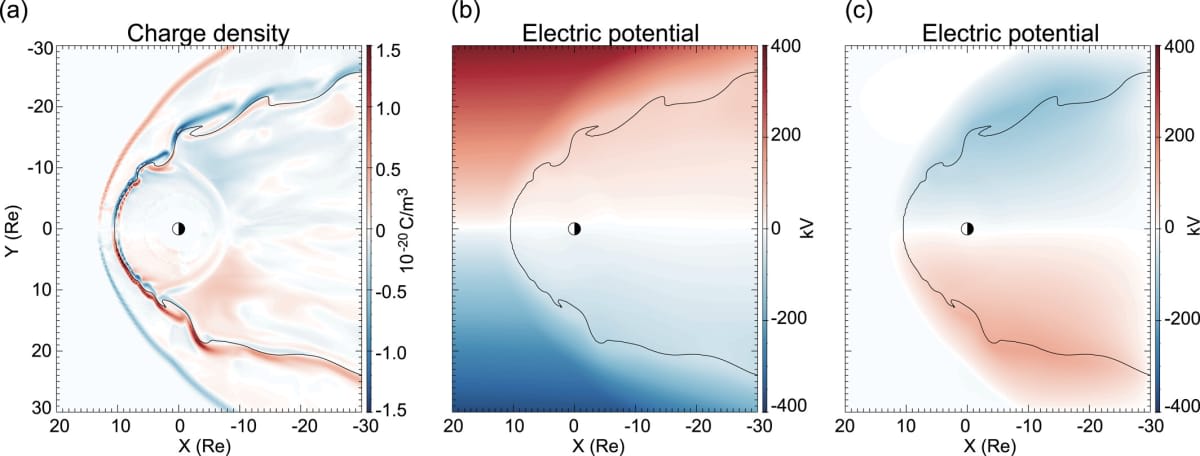
The results were published in the Journal of Geophysical Research: Space Physics. The new satellite observations reveal that the electricity flow is opposite. This surprising finding led researchers from Kyoto, Nagoya and Kyushu universities to examine the magnetosphere’s mechanisms more closely. To explore this in depth, the team used large-scale magnetohydrodynamic (MHD) simulations, which model the behavior of electrically conducting fluids like plasma in magnetic fields.
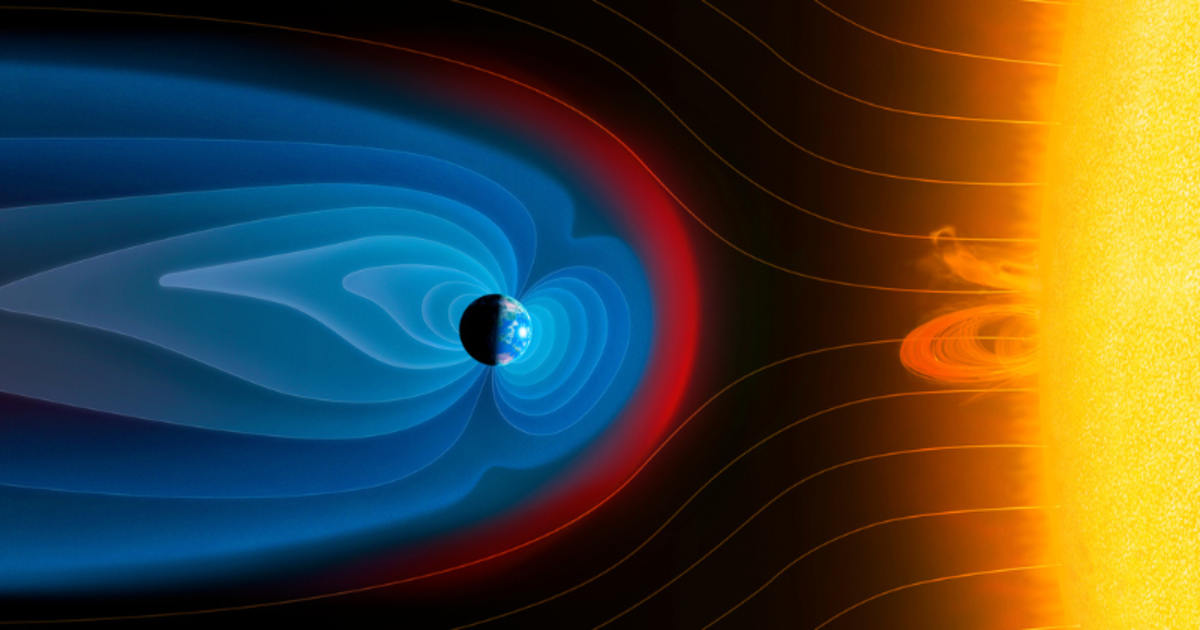
The scientists recreated the near-Earth space environment by assuming a steady, high-speed solar wind hitting Earth’s magnetic field. The simulations confirmed the new findings: in the equatorial region, negative charging happens on the morning side, while positive charging occurs on the evening side. Interestingly, this shift is not the same everywhere; polar regions still display the usual pattern of positive morning and negative evening charges.
A widespread reversal can be seen in the equatorial region, as per Phys.org. "In conventional theory, the charge polarity in the equatorial plane and above the polar regions should be the same. Why, then, do we see opposite polarities between these regions? This can actually be explained by the motion of plasma," said co-author Yusuke Ebihara of Kyoto University in a statement.
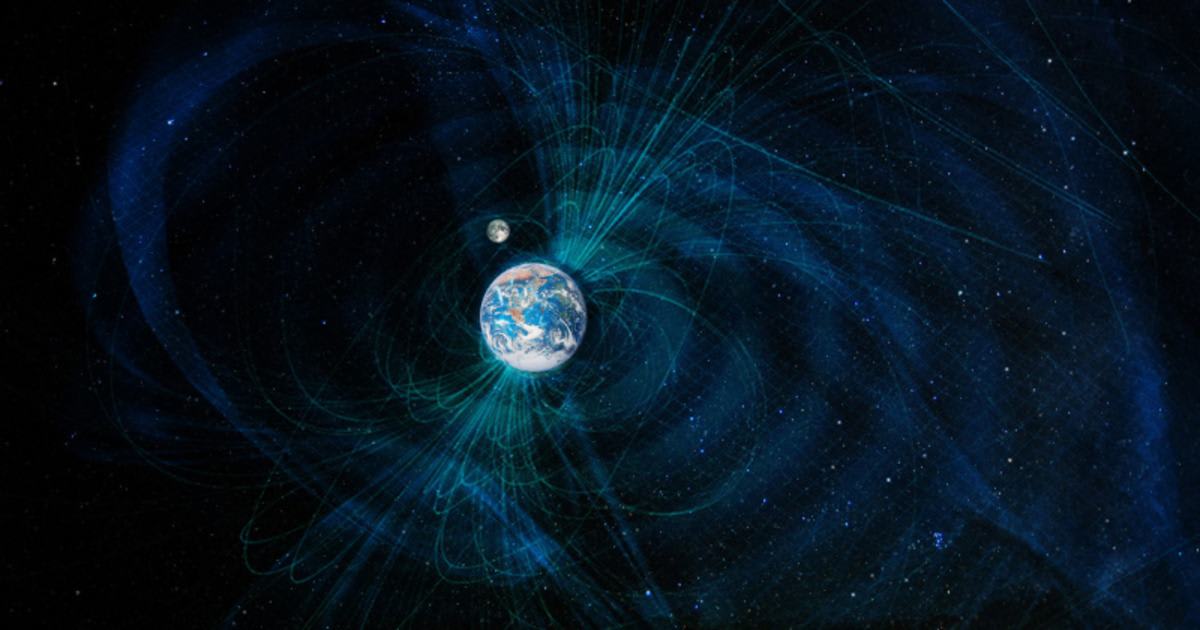
As the magnetic energy from the sun enters the magnetosphere, it moves clockwise on the dusk side and flows toward the polar regions. Earth's magnetic field points from the Southern Hemisphere to the Northern Hemisphere. This means it directs upward near the equator and downward above the polar regions. As a result, the orientation between plasma motion and the magnetic field is reversed in these areas.
New study by Ebihara et al., focused on the magnetosphere, investigates the quasi-steady dawn-dusk convection electric field using MHD simulations, revealing that plasma motion, rather than space charge accumulation, primarily drives the field. pic.twitter.com/o6Gjv3E2fA
— Tami Camarata (@Kitsune_in_VA) August 7, 2025
"The electric force and charge distribution are both results, not causes, of plasma motion," explained Ebihara in the statement. Convection describes the plasma flow in the magnetosphere. It is a major driver of different space environment phenomena. Recent studies have also shown its indirect role in changing the radiation belts. These are areas filled with high-energy particles moving at nearly the speed of light.
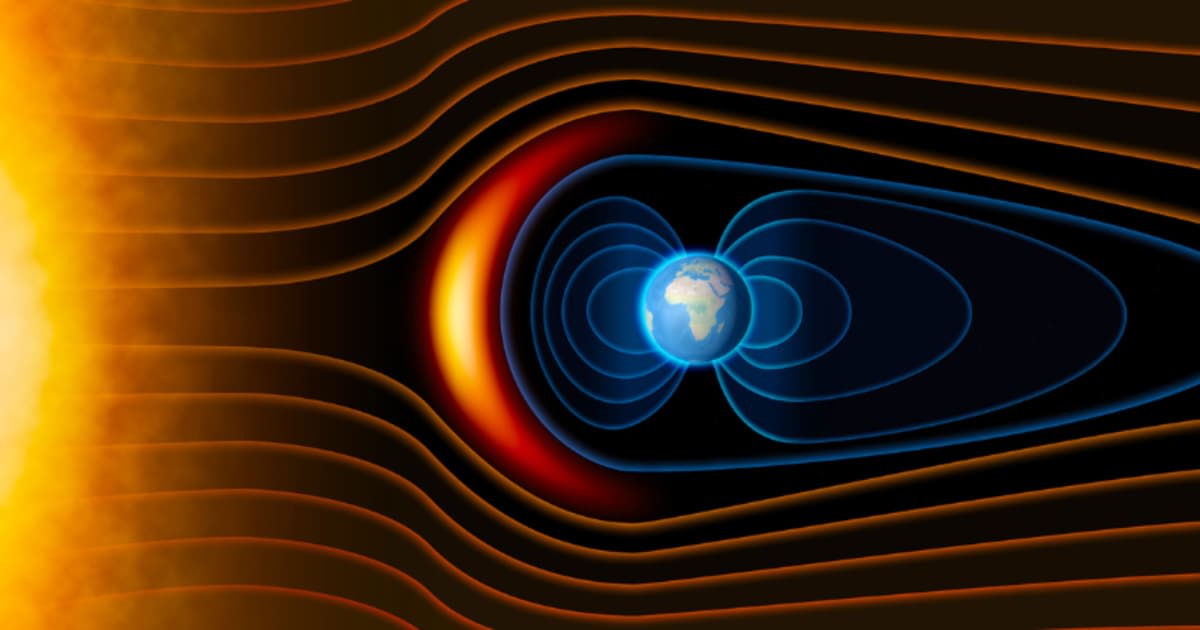
These findings help us understand the basic nature of large-scale plasma flows in space. Because these events are important for changes in the space environment, this study also provides insights into the planetary environments around magnetized planets like Jupiter and Saturn.