
About Author
Raj is a science writer at Starlust, where he explores the cosmos, one story at a time. With a background in entertainment journalism and a lifelong love of storytelling, Raj brings a unique narrative lens to the universe — weaving together celestial facts, skywatching guides, and the deeper questions inspired by space.
Raj believes that space writing should not just inform, but spark curiosity. Whether he’s diving into the latest astronomical discovery or decoding the Moon’s daily rhythm, his goal is always the same: to remind us how thrilling it is to be part of a universe this vast.
Latest From Raj Naik

Hubble Telescope spots mysterious collisions in nearby star system echoing our solar system's birth
The collisions involved planetesimals, which are rocky building blocks of planets.

ESA engineer becomes first-ever wheelchair user to cross the 'Kármán Line' into space
The NS-37 mission launched at 8:15 a.m. CST on December 20, completing its journey in just over 10 minutes from liftoff to landing.
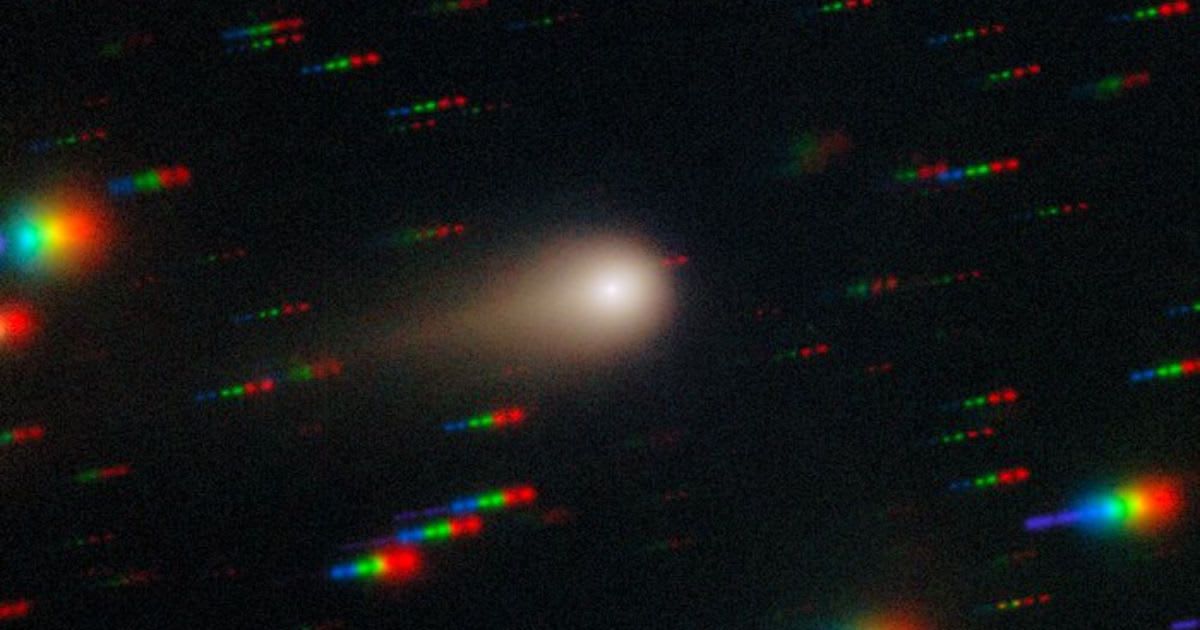
Astrophotographer livestreaming 3I/ATLAS at closest approach says he doesn't 'believe it is a comet'
Texas astrophotographer Raman Madhira is questioning the object’s identity, claiming it fails to meet the standard criteria for a comet.
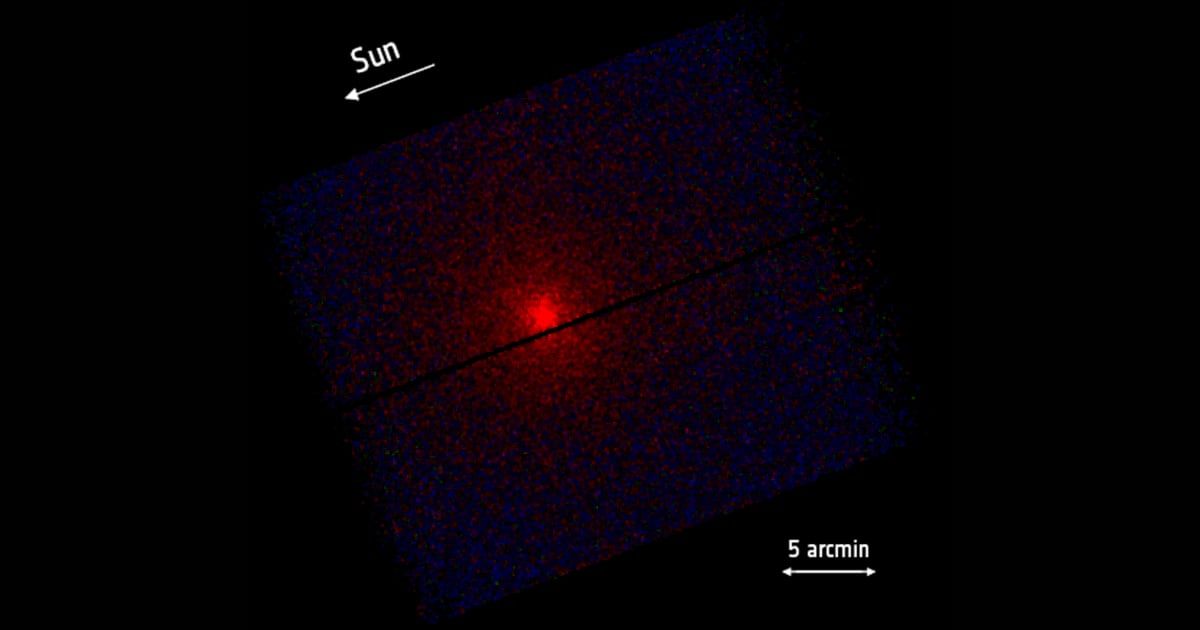
A closer look at the latest 3I/ATLAS image in X-ray light: What ESA's XMM-Newton observed
Most telescopes capture comets in visible light, but XMM-Newton deployed its high-sensitivity EPIC-pn camera for a 20-hour deep dive into 3I/ATLAS.
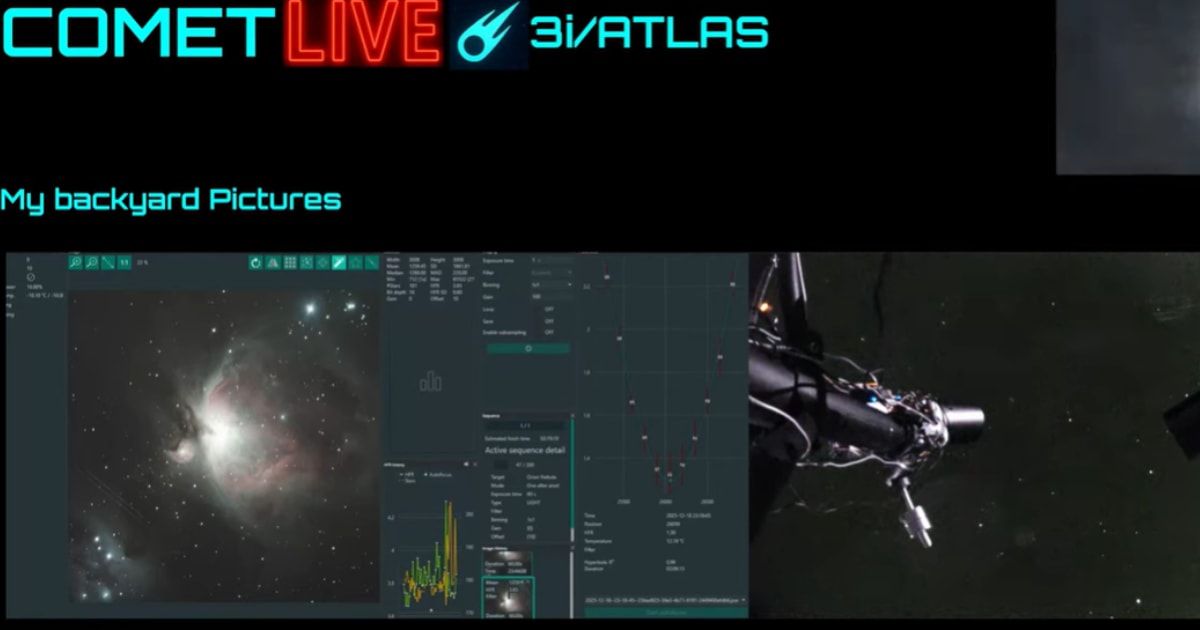
3I/ATLAS latest update: Where to watch the interstellar comet livestream on December 19
The object was first spotted on July 1, 2025, by the NASA-funded ATLAS survey telescope based in Rio Hurtado, Chile.
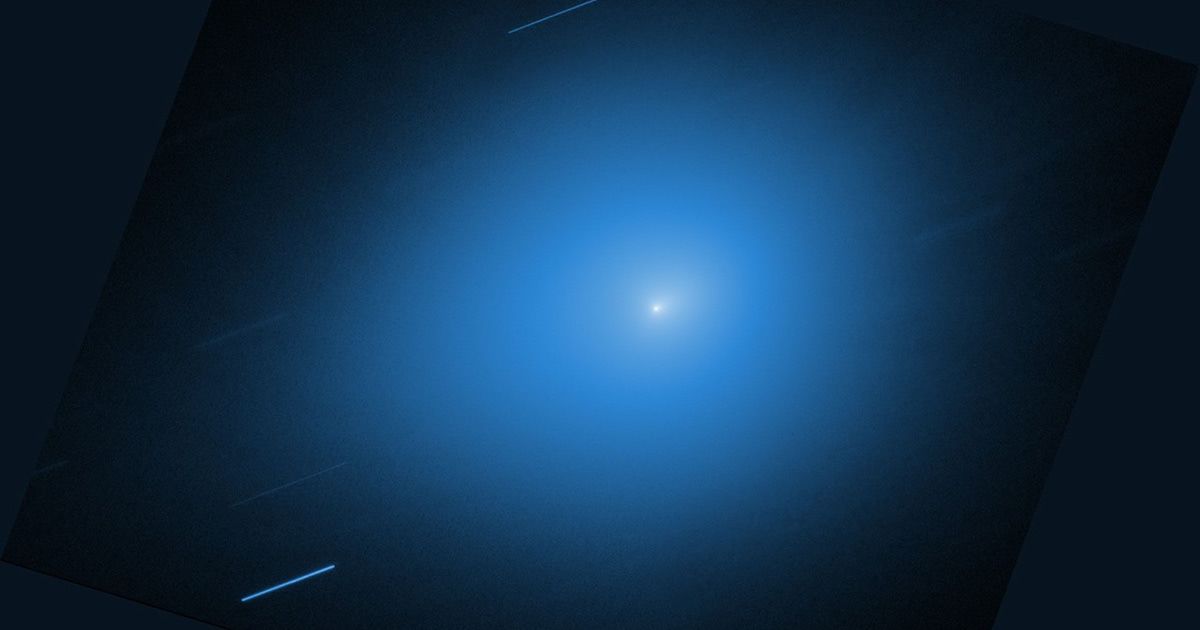
Here are some quick facts about 3I/ATLAS ahead of its closest approach to Earth
Discovered in July by the ATLAS telescope in Chile, this comet is on a one-way trip through our solar system.
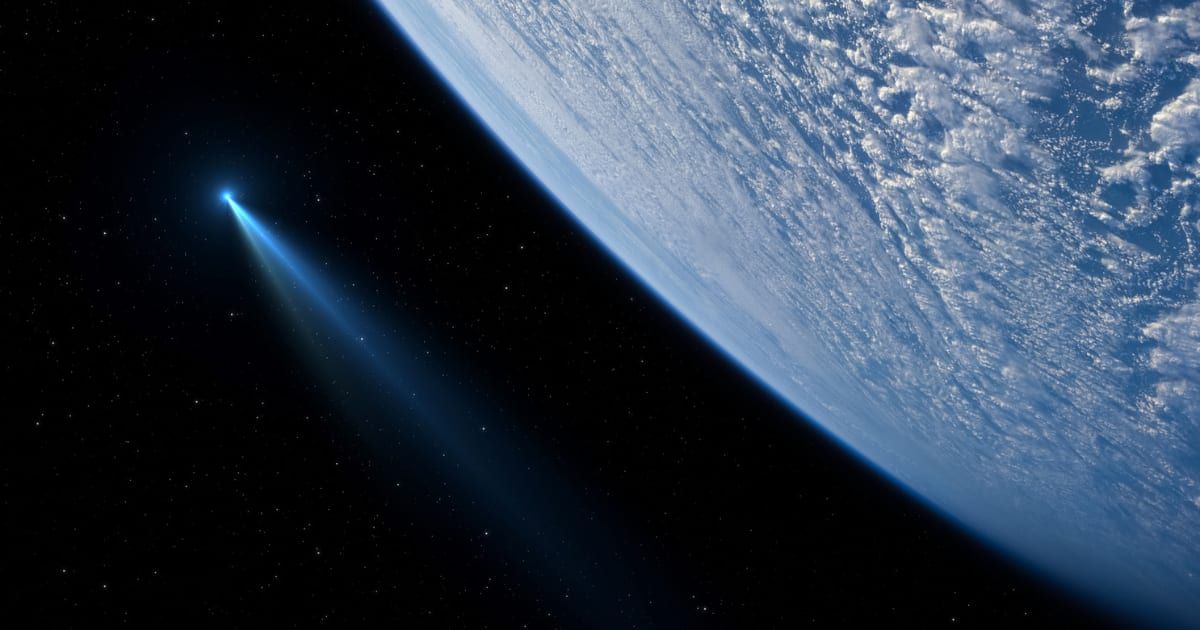
Interstellar comet 3I/ATLAS's closest approach to Earth: Date, time and naked-eye visibility
The object was first officially spotted on July 1, 2025, by the NASA-funded ATLAS survey telescope based in Rio Hurtado, Chile.
Does Saturn's moon Titan really have an underground ocean? New study raises doubts
Research suggests Titan lacks a unified sea; instead, it may have a 'slushy' interior where liquid water exists only in scattered pockets.
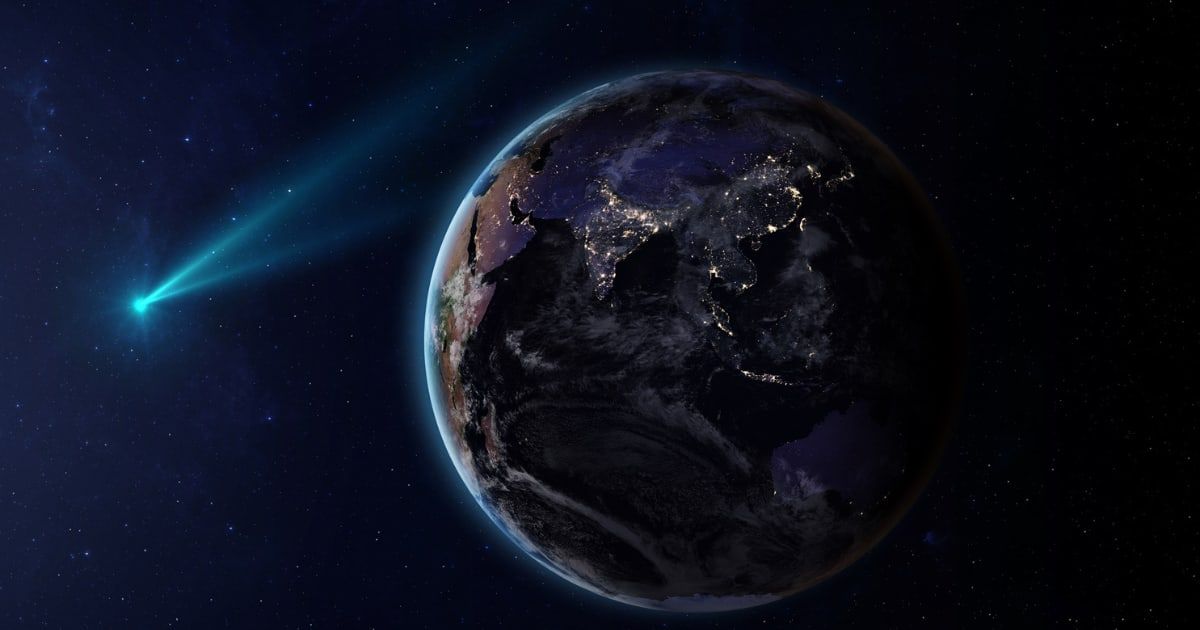
Comet 3I/ATLAS makes its closest approach to Earth: Skywatching tips, livestream and more
The closest approach of comet 3I/ATLAS to Earth will happen on Friday, 19 December 2025, at a distance of 1.798 Astronomical Units.
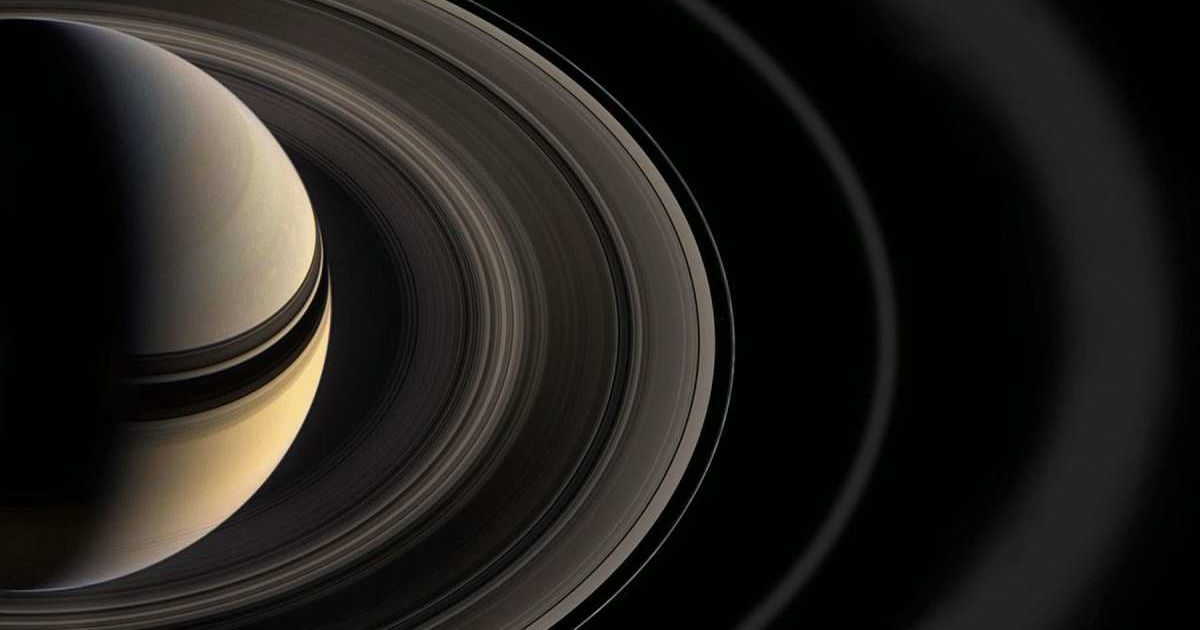
New Cassini data suggest Saturn’s rings are thicker than they appear
Data shows microscopic particles floating at distances 3 times the planet's radius, revealing a massive vertical scale to the supposedly 'flat' rings.

NASA missions observing 3I/ATLAS as it makes its closest approach to Earth
Though officially detected by a NASA-funded ATLAS on July 1, archival records show the comet was actually captured on film as early as mid-June.
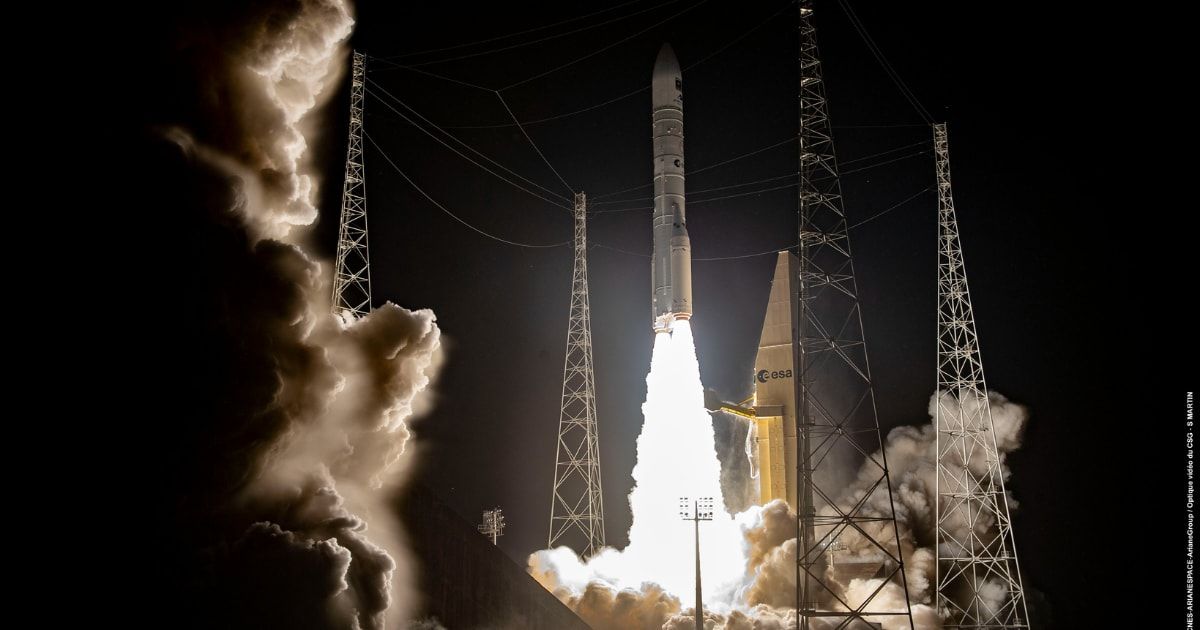
Europe’s Ariane 6 rocket successfully launches two new navigation satellites into orbit
The satellites launched at 06:01 CET from Europe's Spaceport in French Guiana on December 17.

How far away is interstellar comet 3I/ATLAS from Earth on December 17? Latest coordinates
Now passing through the constellation Leo, the interstellar object sits at a distance so immense that the light from it takes about 15 minutes to reach us.
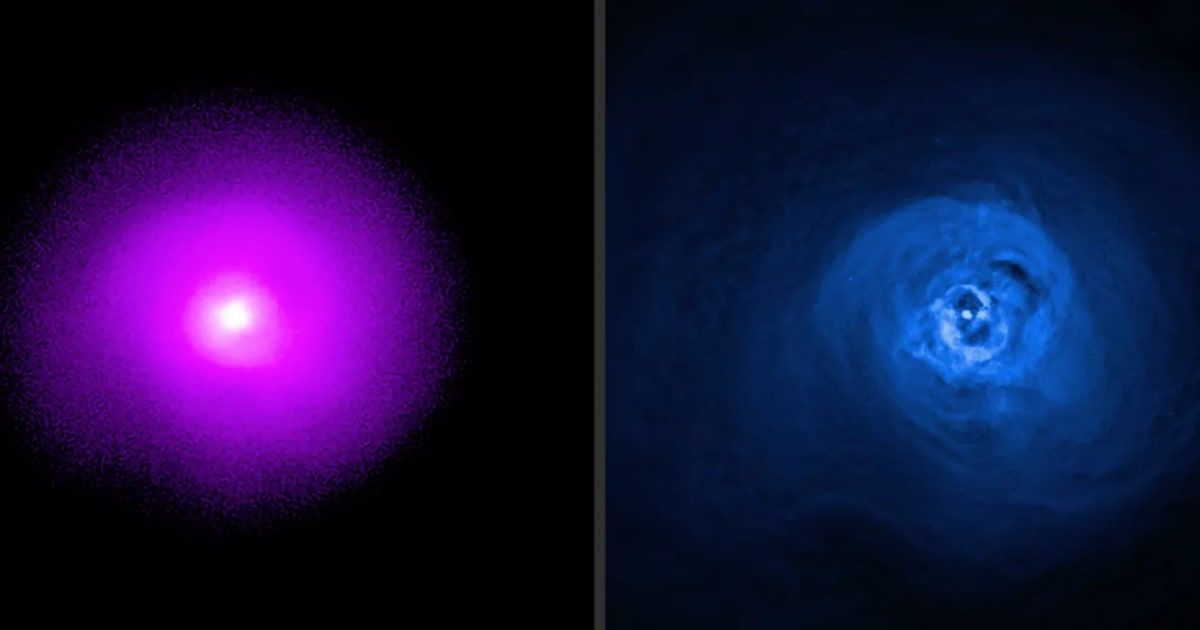
NASA's IXPE spends over 600 hours observing a galaxy cluster, solves a major black hole mystery
NASA scientists have finally pinpointed the source of mysterious radiation from a supermassive black hole, solving a puzzle that has lasted for years.
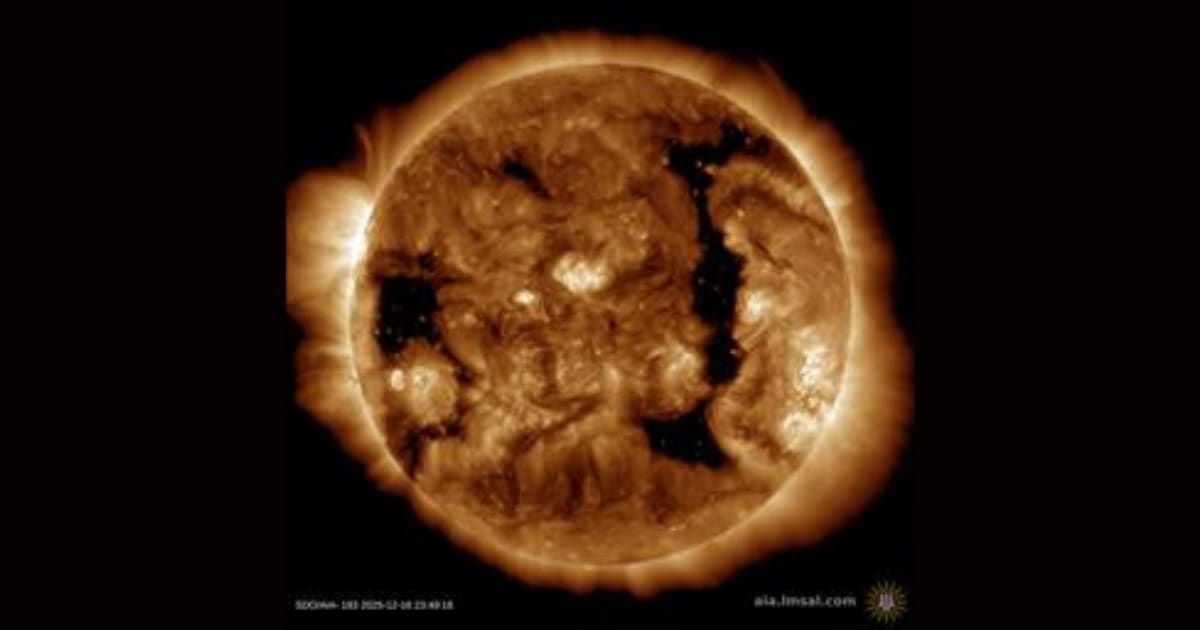
Solar wind from giant coronal hole expected to hit Earth just before 3I/ATLAS' closest approach
A pair of massive solar eruptions, known as coronal mass ejections, was detected on December 16 and is currently on a direct collision course with Earth.
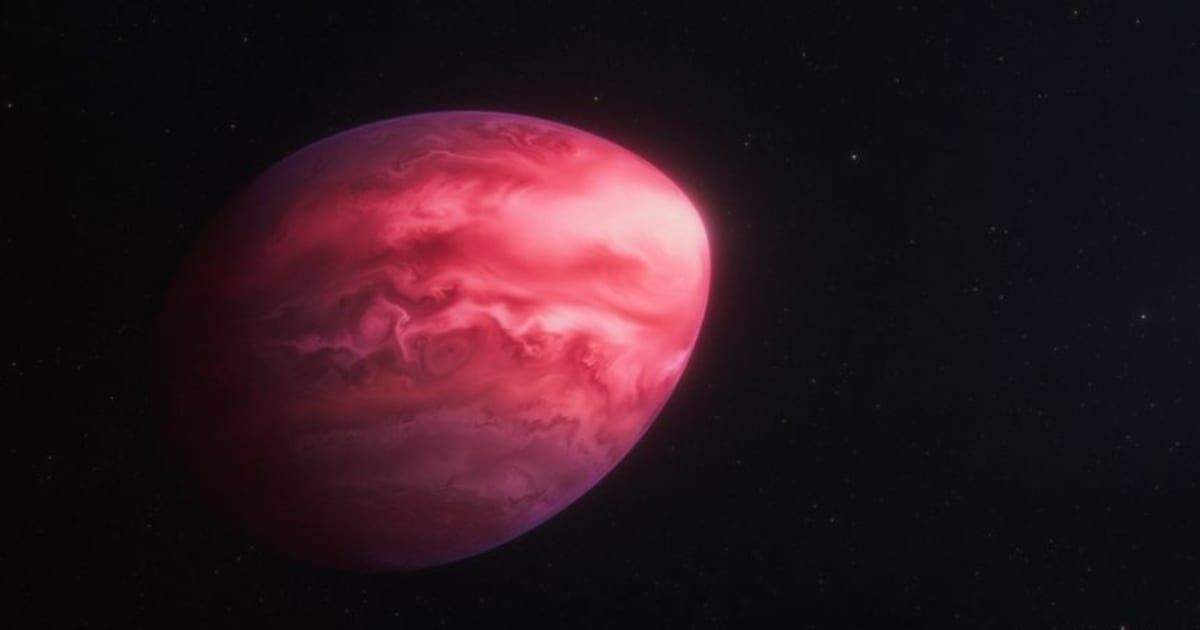
NASA's James Webb Space Telescope finds a lemon-shaped exoplanet with a never-before-seen atmosphere
Officially labelled PSR J2322-2650b, this Jupiter-mass planet has been deformed into a bizarre lemon shape by the sheer, crushing gravity of its host star.
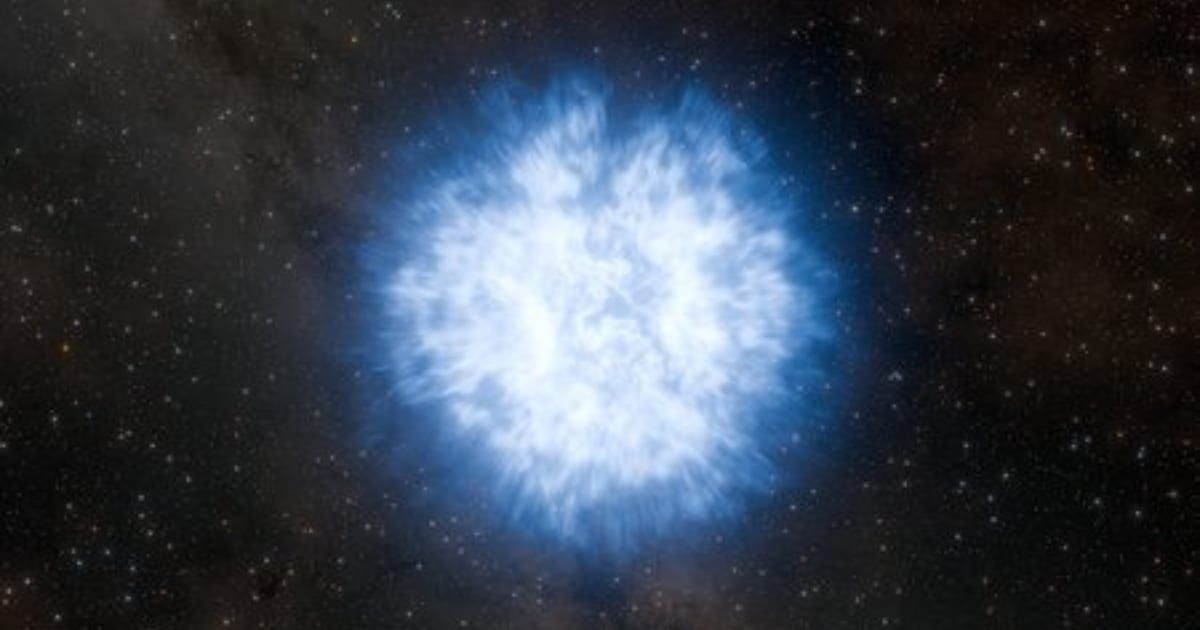
Astronomers spot possible 'first-of-its-kind superkilonova' from two separate stellar explosions
The new candidate, AT2025ulz, initially acted like a kilonova, only to later mystify scientists by morphing into what appeared to be a common supernova.
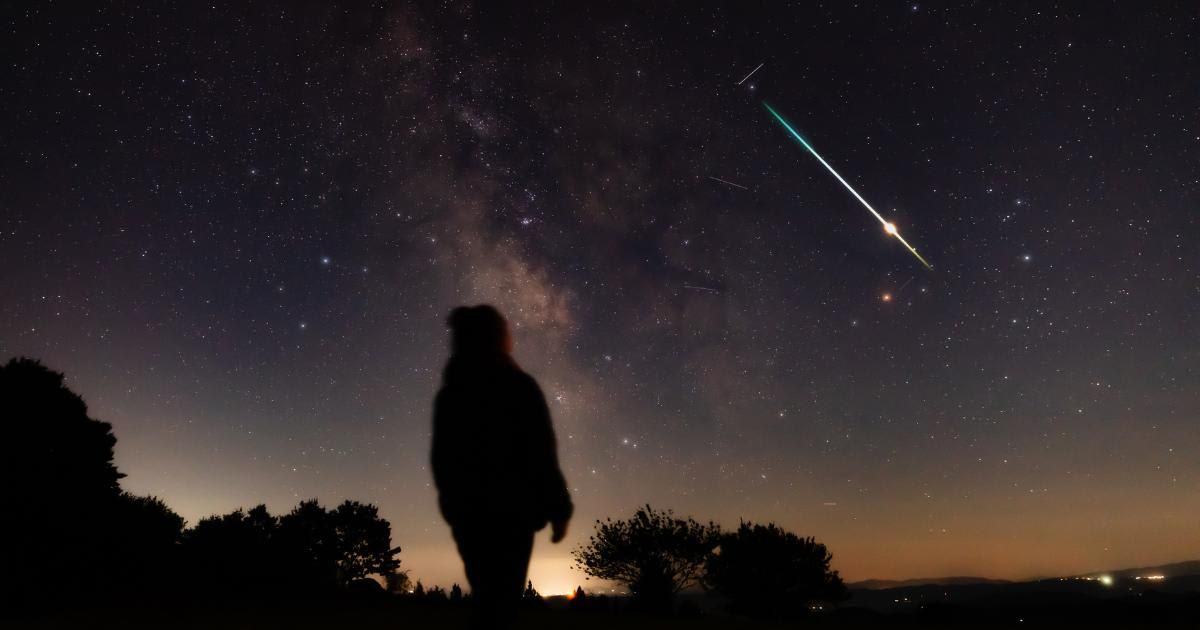
Interstellar comet 3I/ATLAS will reach its closest approach to Earth this week—will it be visible to the naked eye?
The interstellar comet 3I/ATLAS is currently visible in the constellation Leo, though its faint brightness of magnitude 12.5 means it is difficult to spot.
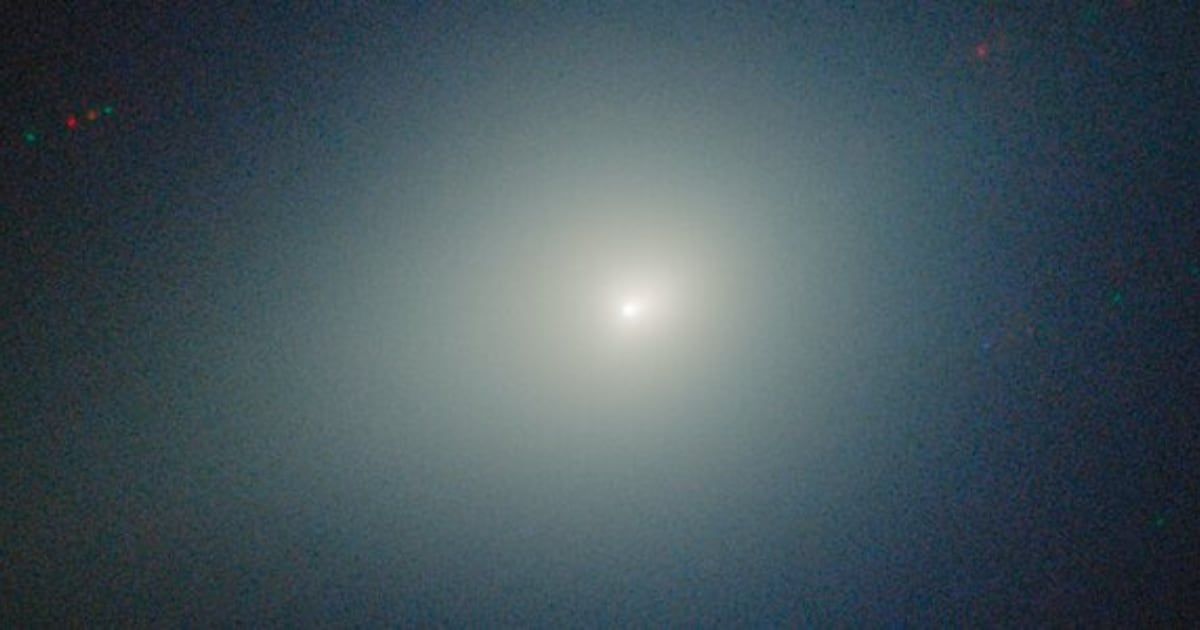
Comet 3I/ATLAS displays greenish hue in new Gemini North images
Captured by the Gemini Multi-Object Spectrograph on November 26, 2025, this striking green hue replaces the comet's previously observed reddish color.
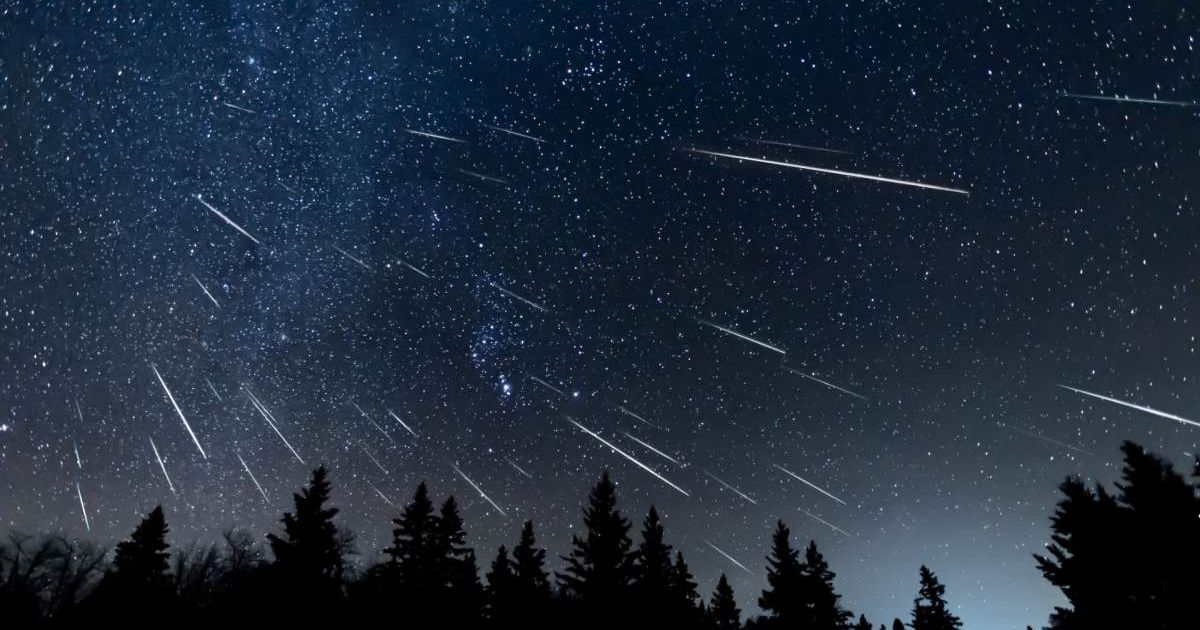
2025 Ursid meteor shower peaks next week: Here's when and where you can see it
Observers will have ideal viewing conditions this year, as the New Moon guarantees zero moonlight interference.