Comet 3I/ATLAS makes its closest approach to Earth: Skywatching tips, livestream and more

A massive comet visiting from beyond our solar system will make its closest approach to Earth tomorrow, providing a rare opportunity for scientists and hobbyists alike to study an object visiting from deep space. Named 3I/ATLAS, the comet is only the third interstellar object ever detected within our celestial neighborhood, according to NASA.
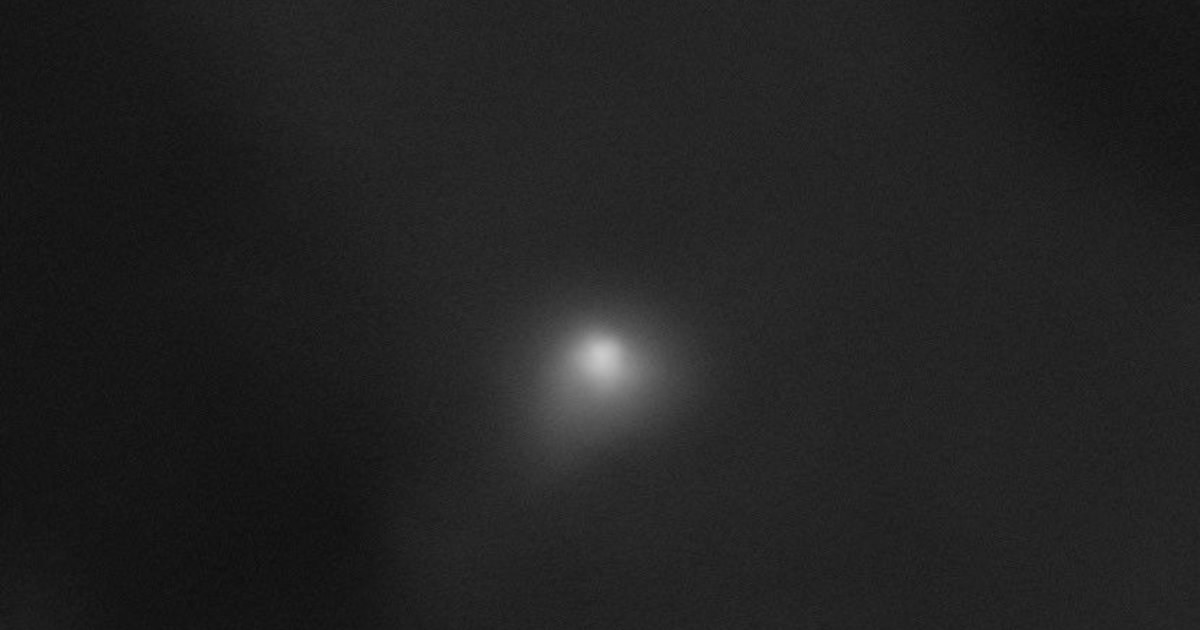
The term "close approach" hardly implies that we are in any kind of danger. At its nearest point, on December 19, the comet will be 700 times further away from us than the Moon.
How to spot it yourself
Of course, it will not be visible to everybody; one would need at least a 30-centimeter-aperture telescope. The best view would be during early hours before dawn in the east-northeastern part of the sky. NASA advises observers to use the constellation Leo as a reference, where it can be seen sitting just below Regulus, the brightest star in that constellation.
Join The Virtual Telescope Project livestream
If you can't get your hands on a high-powered telescope, you can catch the event online instead. The Virtual Telescope Project has arranged an online live feed with real-time views provided by robotic observatories in Italy. Update: The live broadcast was about to start at 11 p.m. EST on December 18, or 04:00 UTC, December 19, but due to rain, the event has been postponed. The new date and time for The Virtual Telescope Project livestream: December 20, 04:00 UTC (11 p.m on December 19).
Or join Comet 3I ATLAS — Live Imaging by Ray's Astrophotography
The Virtual Telescope Project livestream of interstellar comet 3I/ATLAS has been postponed, but don't worry. We have another option to watch the live tracking of the comet. Join the live imaging of comet 3I/ATLAS conducted by Ray's Astrophotography on his YouTube page.
The comet was initially detected by ATLAS, the Asteroid Terrestrial-impact Last Alert System. Although the discovery was announced on July 1, it was later realized that "pre-discovery" images existed in archives dating back to mid-June of this year. NASA continues to use its fleet of space-based observatories to gather data on 3I/ATLAS before it disappears into the darkness of interstellar space.
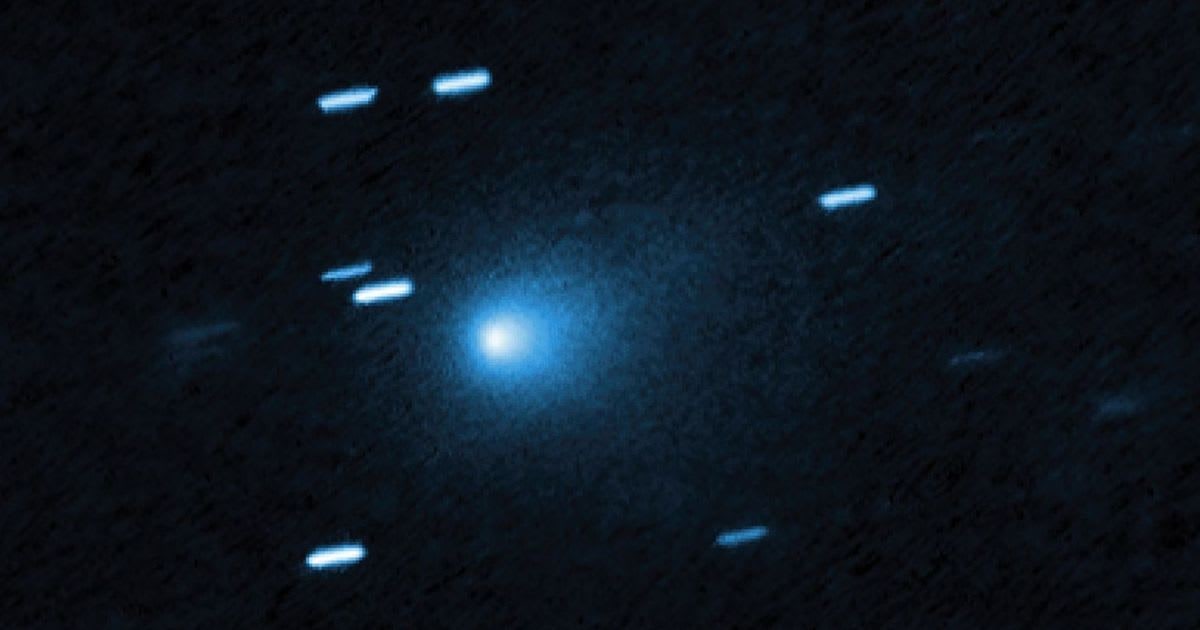
Among the assets keeping track of the interstellar visitor are Hubble, TESS, SPHEREx, Webb, Mars Reconnaissance Orbiter, SOHO, and Europa Clipper. The latest image released by NASA was taken by the Hubble on November 30 with its Wide Field Camera 3 instrument when the comet was about 178 million miles from our planet.
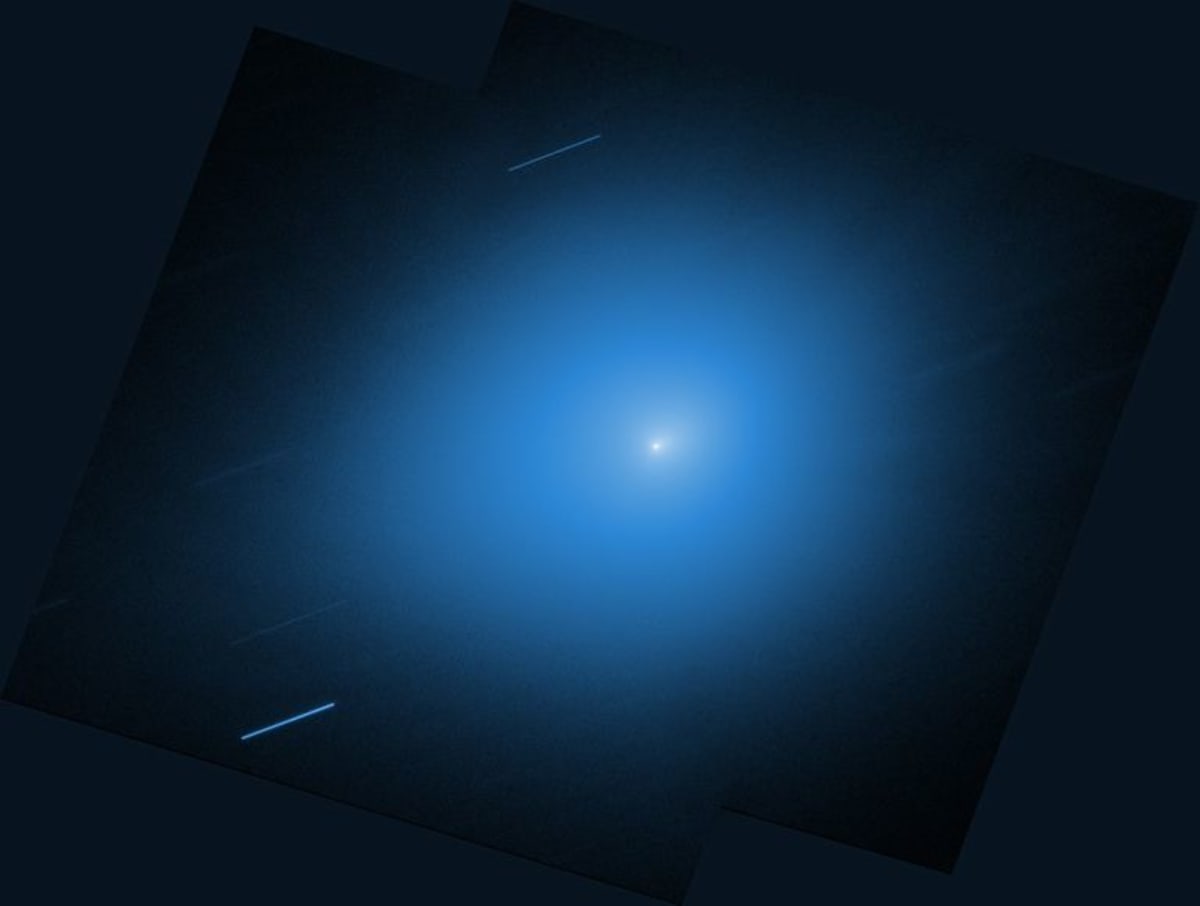
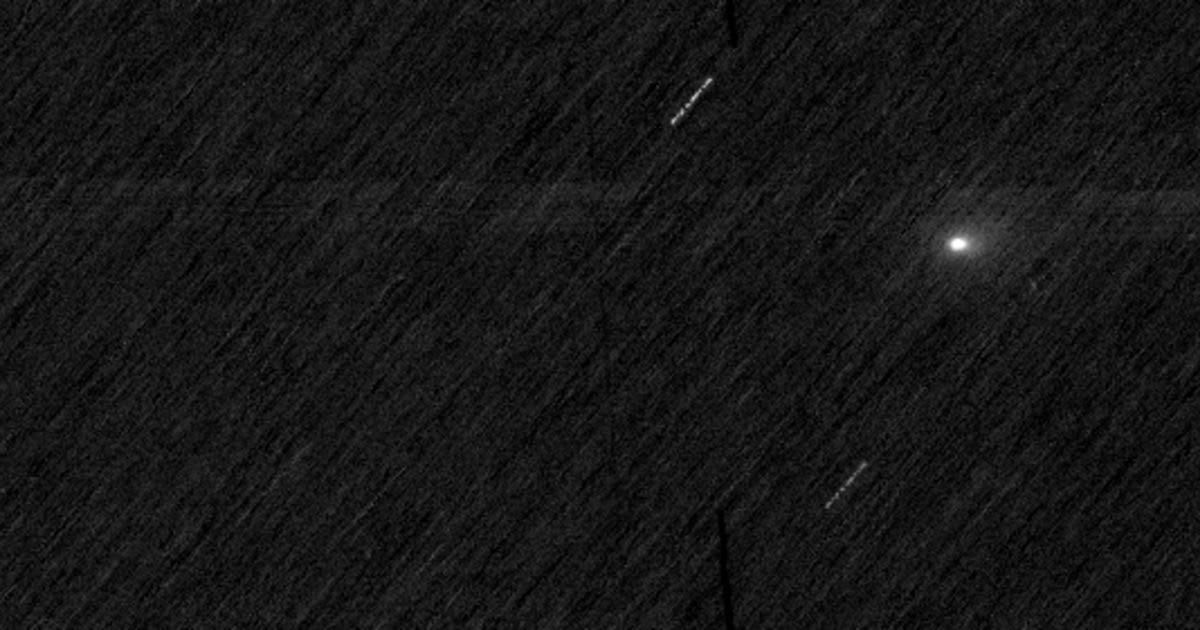
As of December 18, 3I/ATLAS is now passing through the constellation of Leo. It is stationed at a distance of about 167.1 million miles from Earth. The astronomers have measured its current brightness to be at a magnitude of 11.4, which corroborates that this object is still too faint to be seen with the naked eye. As far as its current celestial coordinates are concerned, it is at a Right Ascension of 10h 52m 20s and a Declination of +06° 32’ 43”, as per the data on Sky Live. By tomorrow, December 19, the comet will have shifted slightly to a Right Ascension of 10h 48m 38s and a Declination of +06° 51’ 39”. These accurate coordinates ensure that enthusiasts and researchers alike can better aim their equipment at capturing the interstellar visitor during its closest pass.
The article has been updated with a fresh link to live track 3I/ATLAS from any corner of the world.
More on Starlust
Solar wind from giant coronal hole expected to hit Earth just before 3I/ATLAS' closest approach