NASA's IXPE spends over 600 hours observing a galaxy cluster, solves a major black hole mystery
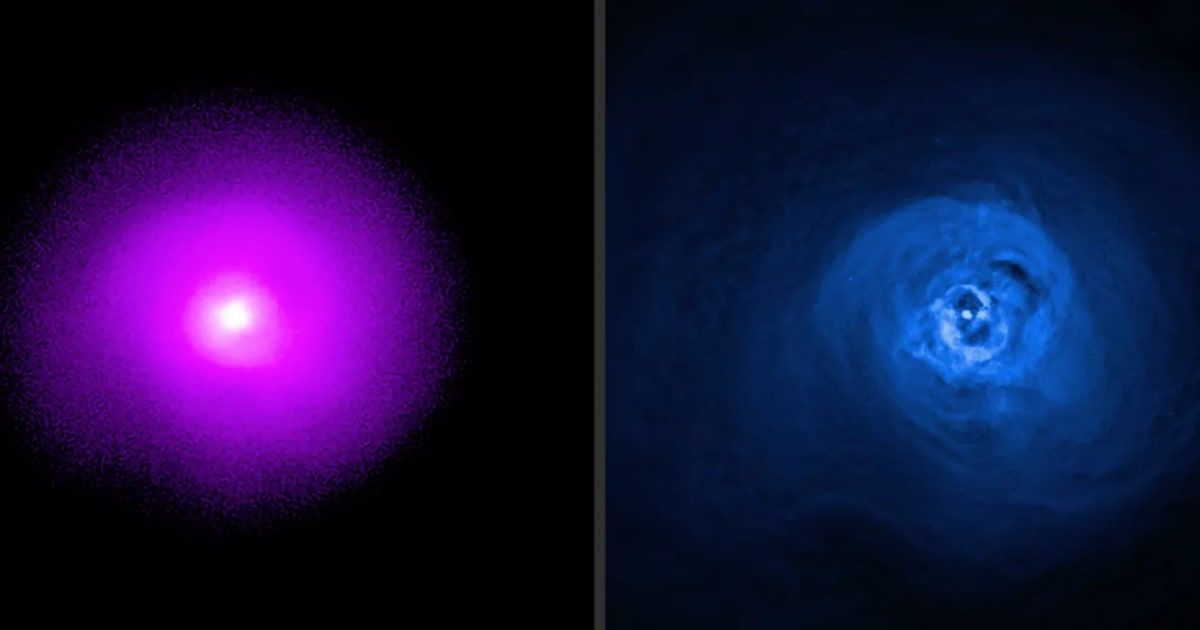
With the help of a specialized space telescope, scientists have finally figured out how a supermassive black hole's jet emits X-rays. According to NASA, the finding in a study published in The Astrophysical Journal Letters (by the American Astronomical Society) on November 11 settles a debate that has puzzled astronomers since the dawn of X-ray astronomy.
Hold fast, Perseus ⚔️
— NASA Marshall (@NASA_Marshall) December 16, 2025
IXPE just observed its first ever galaxy cluster - the Perseus Cluster - and through this observation, astronomers have identified the origin of X-rays in a supermassive black hole’s jet, solving an astronomy mystery.
READ MORE >> https://t.co/hcfeMFtldS pic.twitter.com/QBWOnlOUES
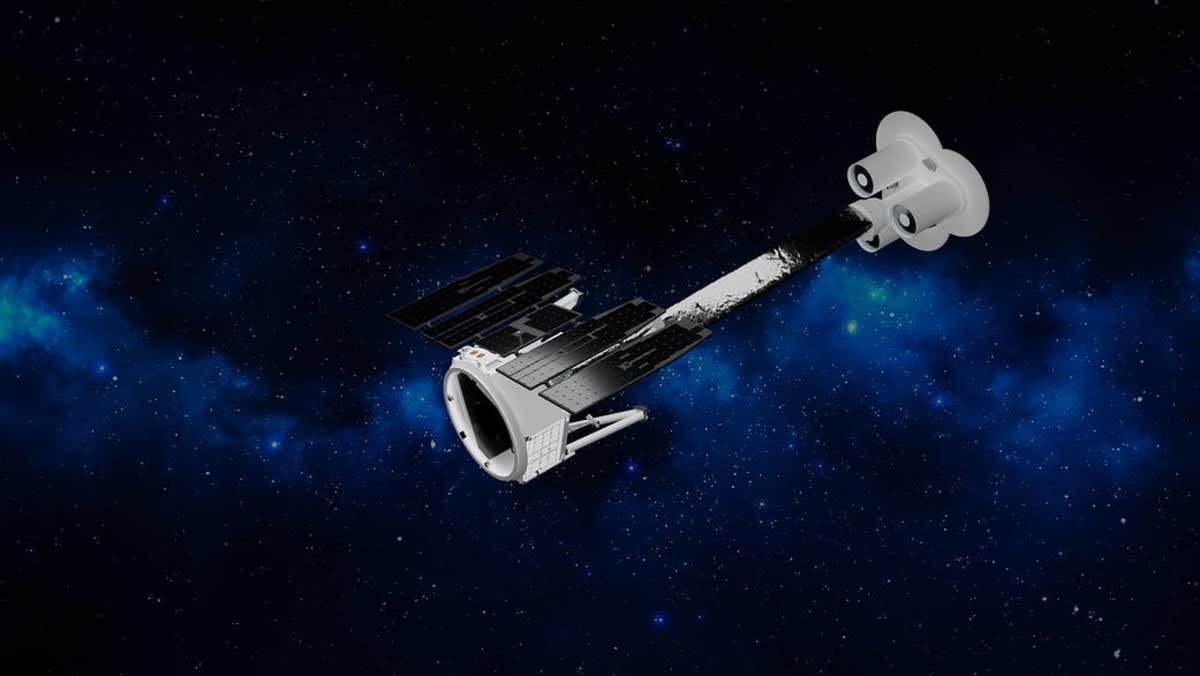
The research made use of the Imaging X-ray Polarimetry Explorer provided by NASA, known as IXPE (Imaging X-ray Polarimetry Explorer). The telescope had to stare at the Perseus Cluster for more than 600 hours over a span of 60 days—the longest single observation ever—to obtain the needed data. As the region emits huge quantities of X-ray-emitting gas, the team needed to combine IXPE's data with images taken by other famous observatories. These include the Chandra X-ray and the Swift, which allowed them to isolate the particular signal emanating from 3C 84, an enormous galaxy right at the center of the cluster.
The breakthrough came from measuring polarization, which has information about the alignment of the X-ray waves. Up to now, scientists have known that X-rays in these jets are created by something called inverse Compton scattering, whereby light collides with particles to gain enormous amounts of energy. The polarization measurements obtained thanks to the IXPE made it possible for the scientists to determine that the X-rays in 3C-84 originated from inverse Compton scattering.
But they did not know where those original "seed photons" came from. NASA defines seed photons as "the lower-energy radiation undergoing the energizing process of inverse Compton scattering." There were two principal theories. The first hypothesis was that the radiation comes from the black hole's jet itself. The second theory suggested that the seed photons came from background radiation. The data obtained in IXPE demonstrated a polarization level of roughly 4%. Because this fitted with optical and radio data, the team concluded that the light must be emanating from the jet itself. Frederic Marin, an astrophysicist and co-author of the study, commented: The detection "almost decisively rules out the possibility of external Compton as the emission mechanism.” That being said, scientists have expressed their intention to conduct analyses of IXPE's data from a range of different locations in the Perseus Cluster.
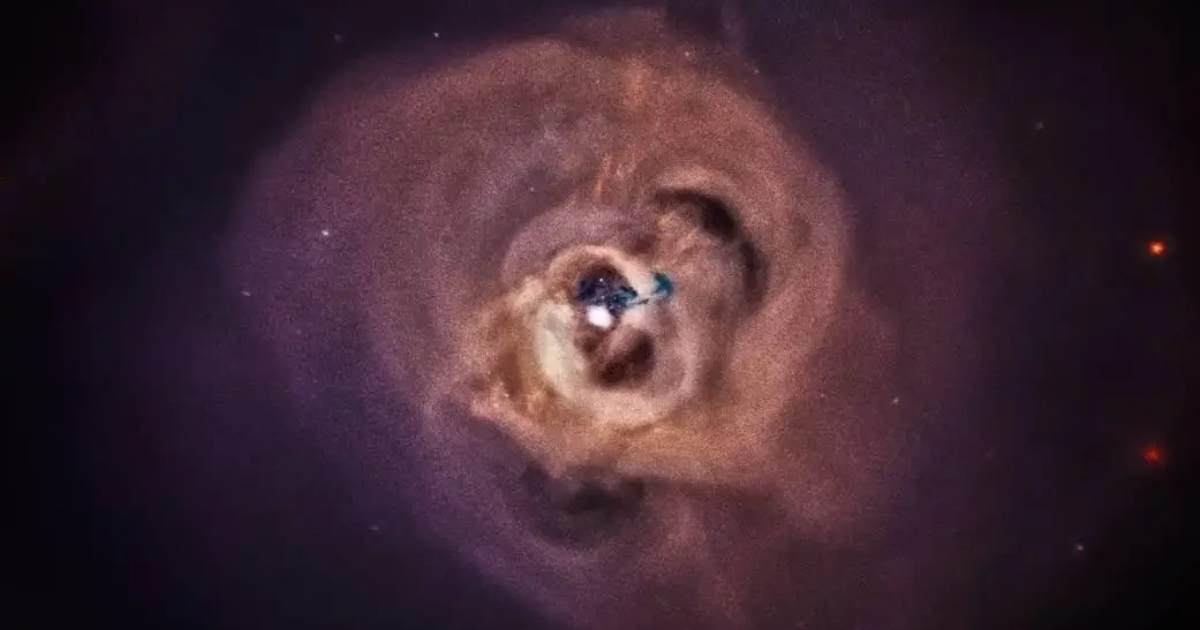
"While measuring the polarization of 3C 84 was one of the key science goals. We are still searching for even more signals in this galaxy cluster that could be signatures of more exotic physics," said Steven Ehlert, the IXPE project scientist and an astronomer at NASA's Marshall Space Flight Center, Huntsville. This milestone is but the latest in a line of discoveries made possible by IXPE, which has provided groundbreaking insights into celestial objects in the vast cosmos. The mission is led by NASA in collaboration with the Italian Space Agency and features scientists from 12 different countries.
More on Starlust
Not every galaxy has a supermassive black hole like the Milky Way's, NASA's Chandra Telescope finds
Groundbreaking supercomputer simulations explain why black holes are so bright