NASA missions observing 3I/ATLAS as it makes its closest approach to Earth

Interstellar comet 3I/ATLAS is expected to make its closest approach to Earth on December 19. Astronomers are presently tracking the rare visitor from beyond as it passes through our solar system. First spotted on July 1 by a NASA-funded ATLAS survey telescope in Chile, researchers later found evidence of the comet in archival data dating back to mid-June of this year, according to NASA.
A number of NASA assets have snapped images of the visitor since its discovery. And the best part? NASA assures that they are far from done. Let's take a look at some of the agency's missions that continue to observe 3I/ATLAS.
Hubble Space Telescope
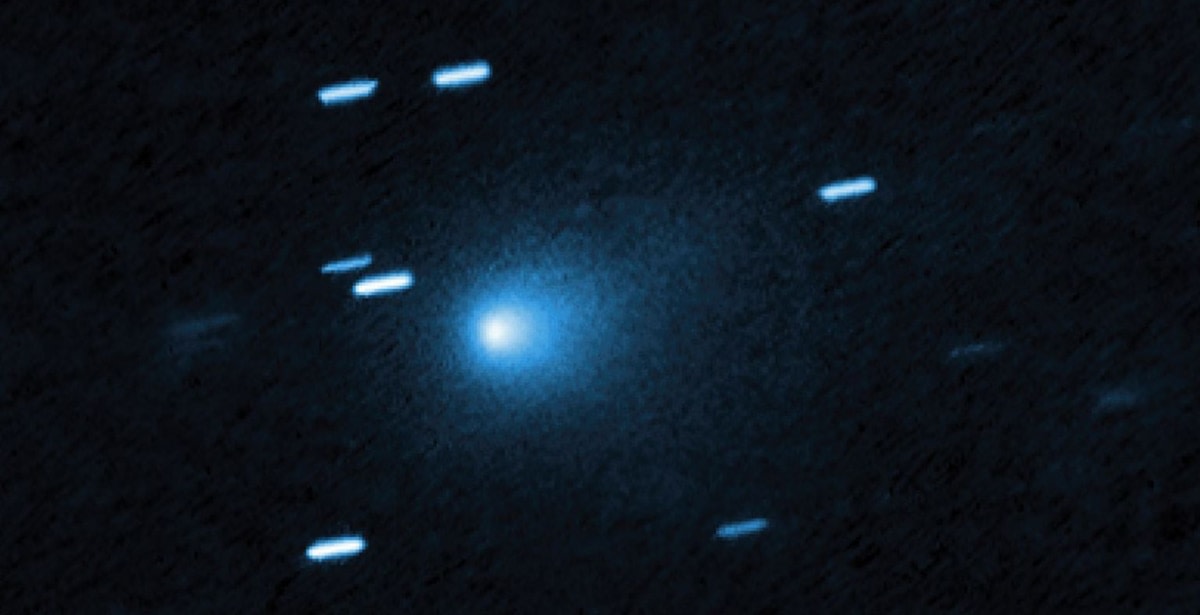
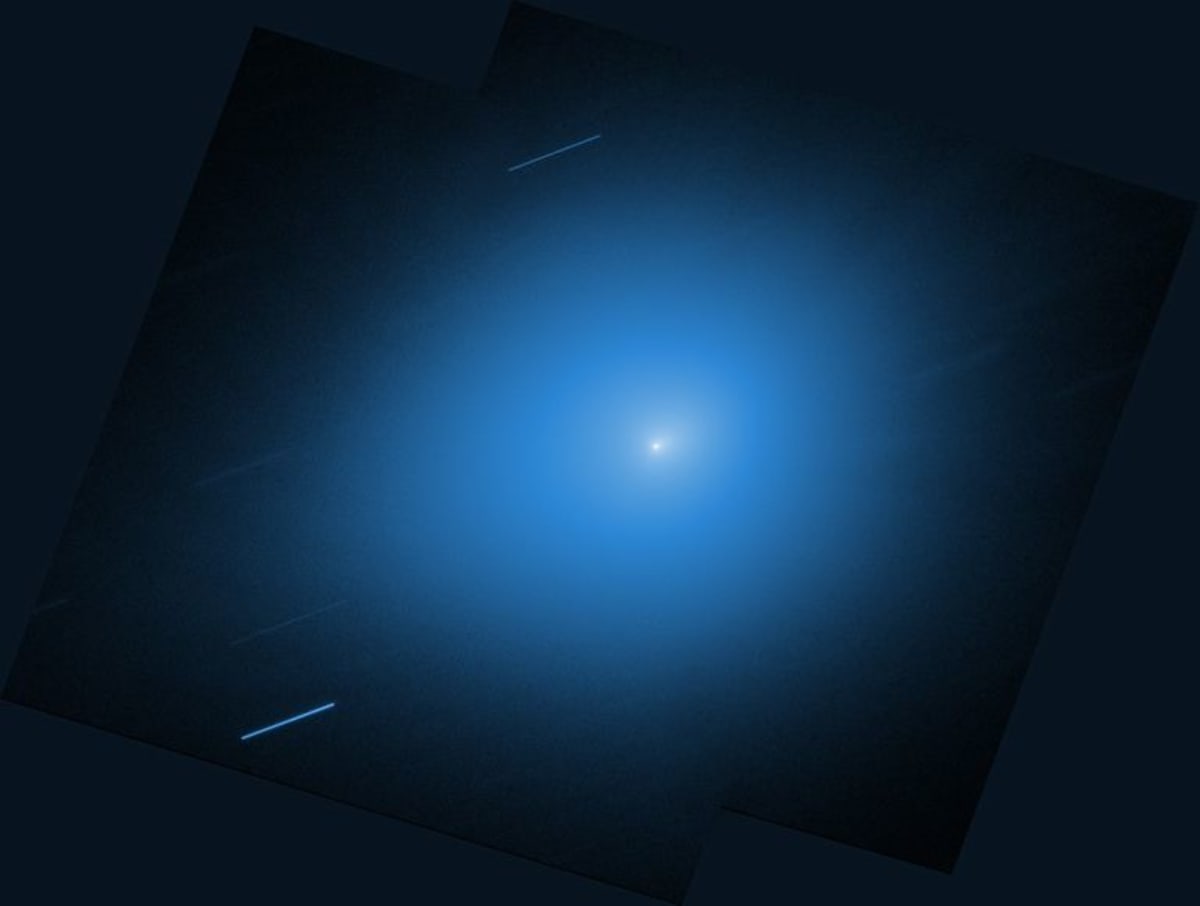
The Hubble Space Telescope took its most recent image of 3I/ATLAS on November 30. It utilized its high-powered Wide Field Camera 3 to take shots of the comet from 178 million miles away. Because the telescope focused on the fast-moving 3I/ATLAS, the resulting images show background stars as long streaks of light, while providing a clear look at the comet's structure, per NASA.
Psyche Mission
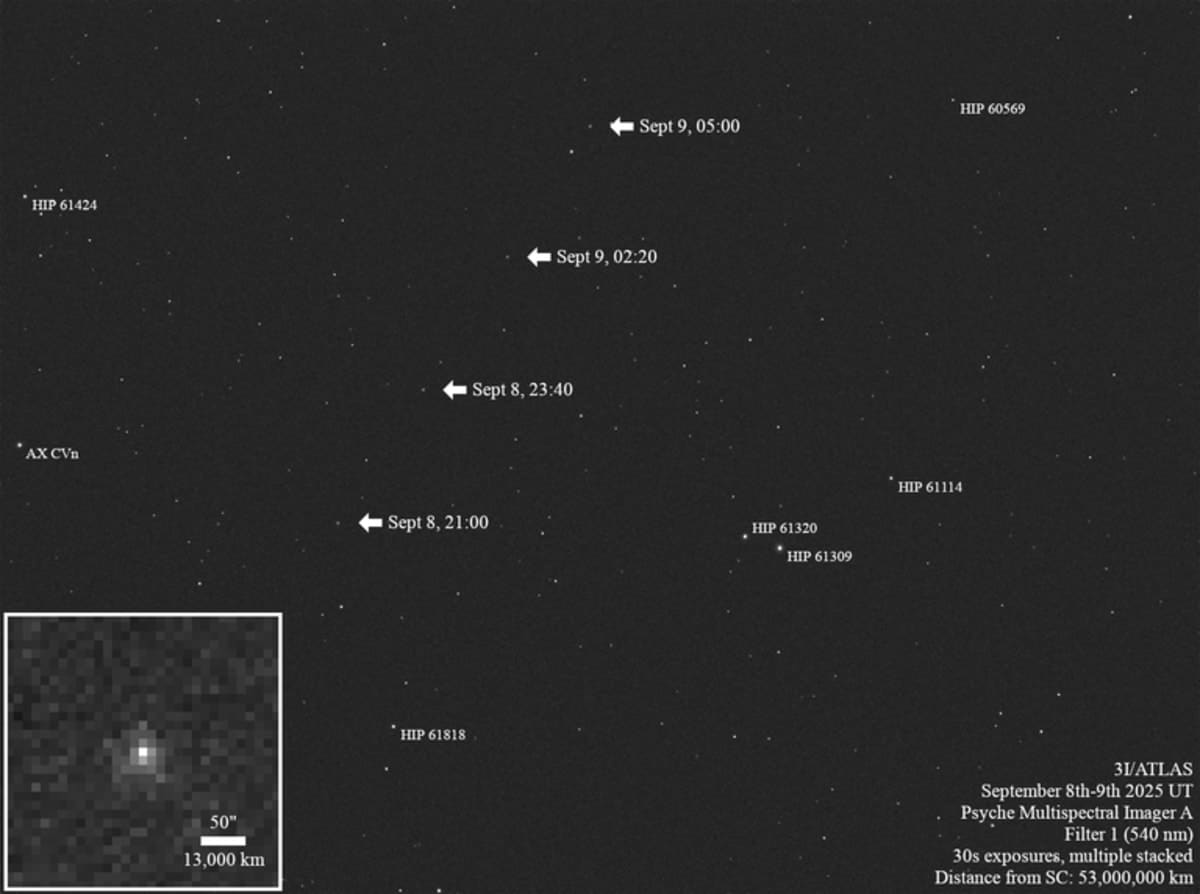
The Psyche spacecraft took an eight-hour break at the start of September from its main mission to track the comet, according to NASA. It used its multispectral imager to capture data at a relatively close 33 million miles and help scientists refine the path the comet is taking through our solar system.
ESA/NASA SOHO
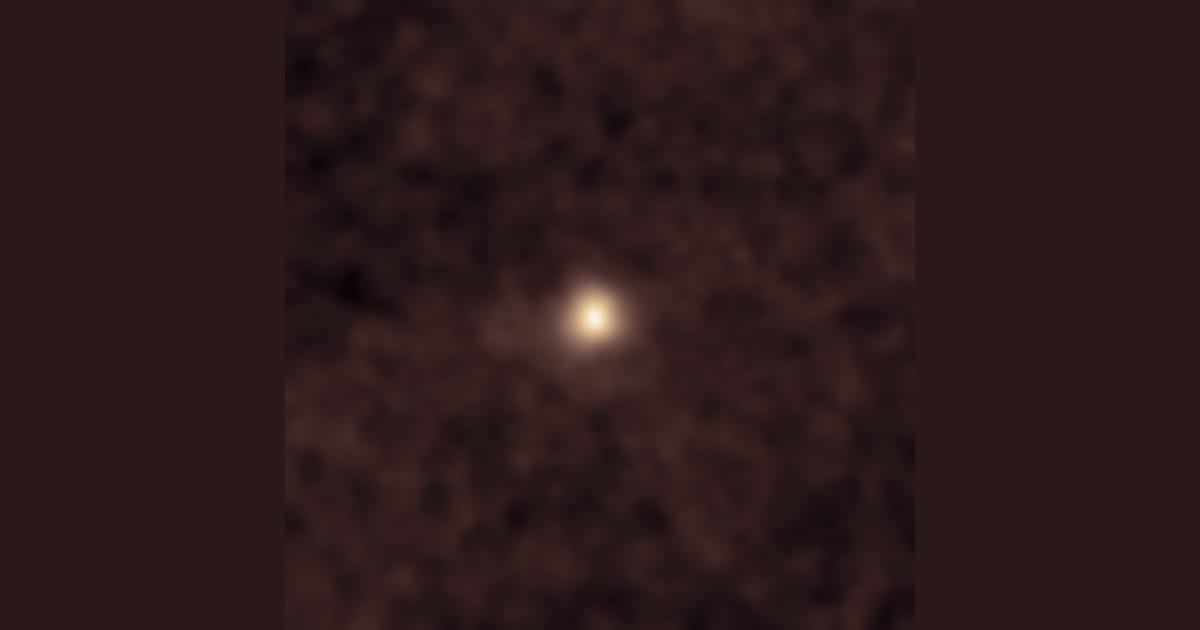
The ESA (European Space Agency) and NASA SOHO (Solar and Heliospheric Observatory) used its Large Angle and Spectrometric Coronagraph to monitor the object from October 15 to 26 as it approached within approximately 222 million miles.
PUNCH Mission
The PUNCH mission provided a unique perspective by observing 3I/ATLAS as it flew near the Sun, an area usually too bright for most telescopes to see. By stacking multiple images between September and October, the PUNCH team highlighted the comet's tail, which appeared as a distinct elongation in the data.
Lucy Spacecraft
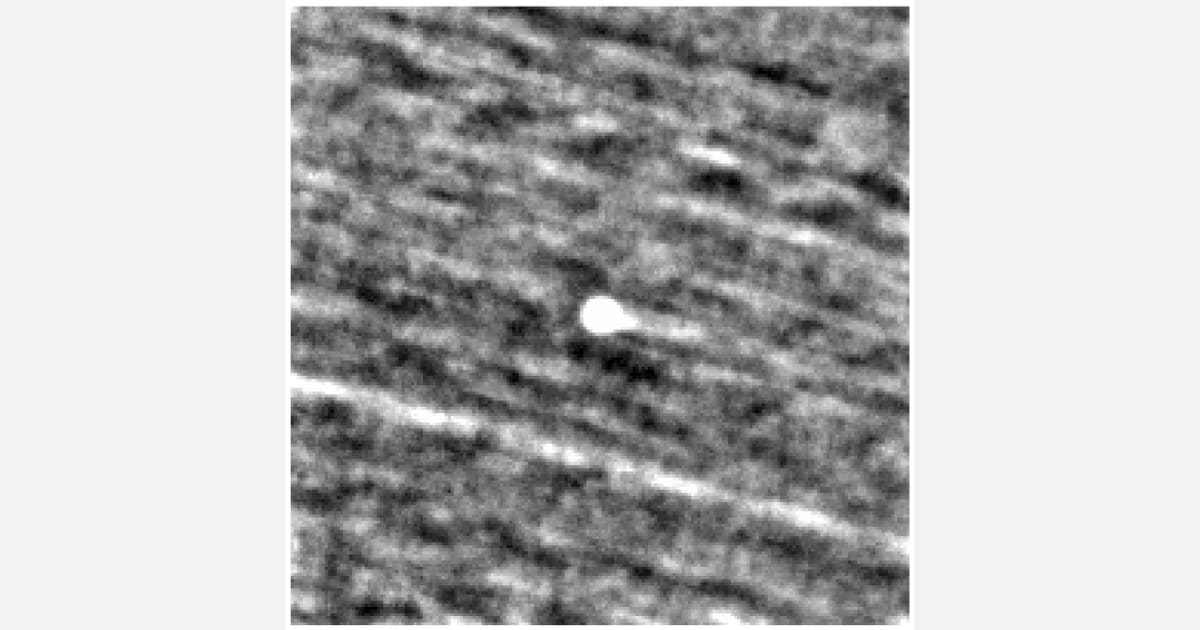
While on its way to study the Trojan asteroids near Jupiter, the Lucy spacecraft snapped high-resolution, black-and-white photos of the comet in mid-September. Even 240 million miles away, Lucy's L'LORRI instrument was able to track the comet as it accelerated toward the inner solar system, per NASA.
SPHEREx mission
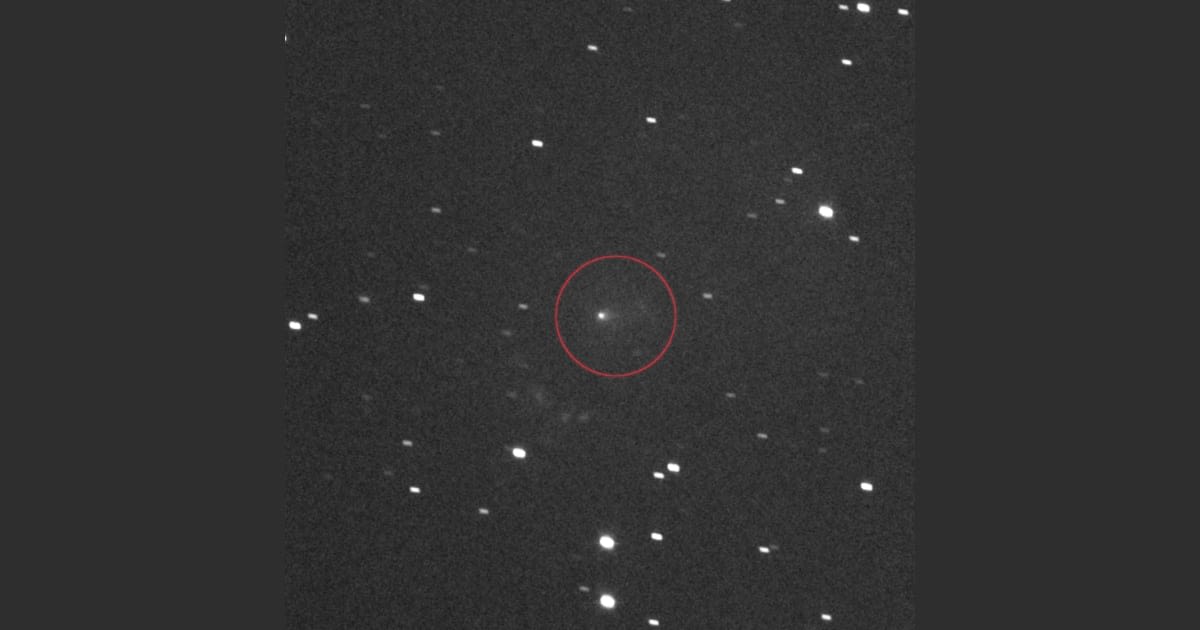
One of the earliest space-based looks at the comet came in August from the SPHEREx mission. The data collected during this window is already being used in scientific research. Working together with other NASA space telescopes, the SPHEREx is expected to help determine the chemical makeup and size of the interstellar object, the agency says.

James Webb Space Telescope
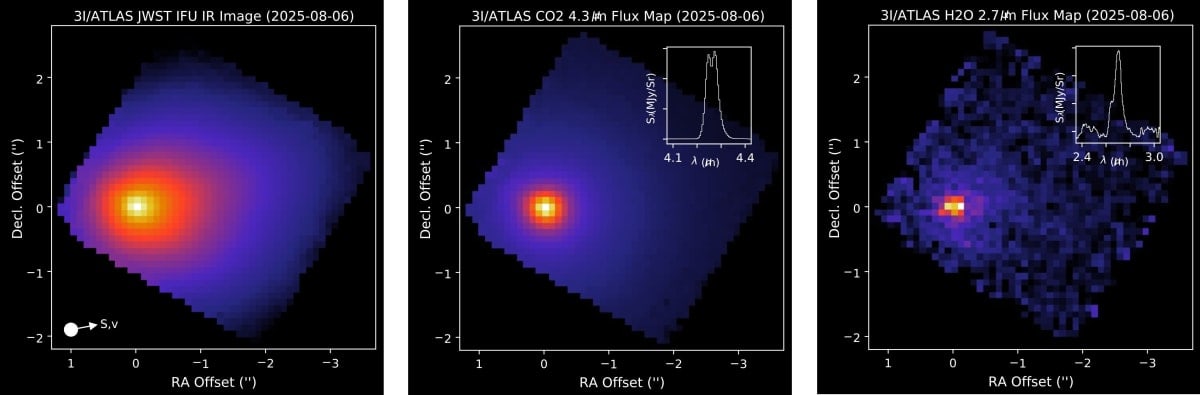
On August 6, Webb unfurled its Near-Infrared Spectrograph to observe 3I/ATLAS. One research paper detailing findings from its observation has already been published, and chances are, it will be the last of the missions to observe the comet as it goes farther and farther, because of its ability to look deep into the universe.
NASA confirmed that although 3I/ATLAS is passing close to our neighborhood, there is no threat to Earth. These observations are strictly for scientific discovery and help scientists compare the chemistry of our solar system to distant star systems.
More on Starlust
Solar wind from giant coronal hole expected to hit Earth just before 3I/ATLAS' closest approach