Interstellar comet 3I/ATLAS's closest approach to Earth: Date, time and naked-eye visibility
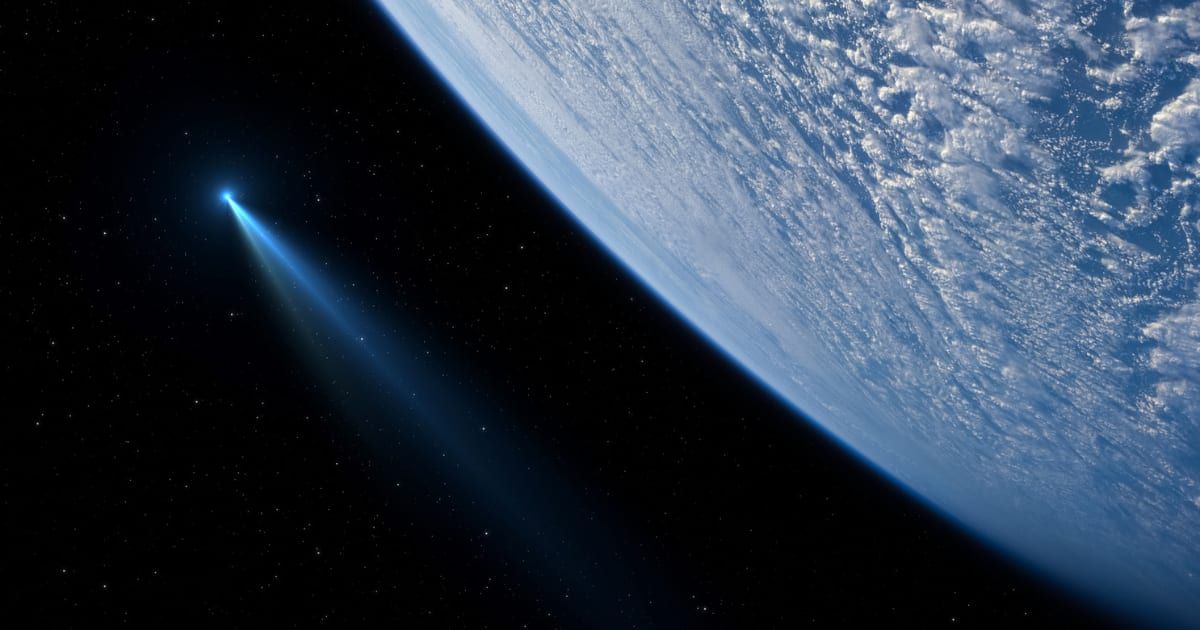
The wait is almost over. Comet 3I/ATLAS, only the third interstellar object ever detected to pass through our solar system, will be making its closest approach to Earth on Friday, December 19, according to NASA. Although NASA and other space organizations have not officially declared the exact timestamp for the event, National Geographic says that the comet is expected to reach its perigee at about 1:00 a.m. EST, which is 6:00 a.m. GMT.
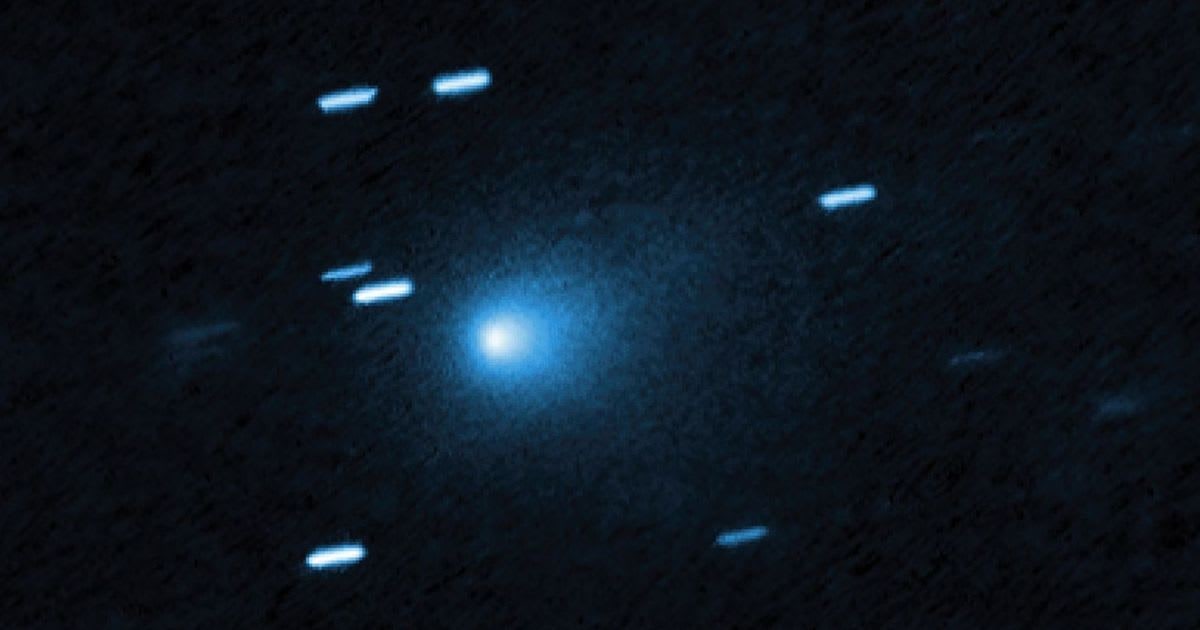
For all its "close" approach, though, the comet will be about 170 million miles away, nearly 700 times the distance between Earth and the Moon. That vast gap means that 3I/ATLAS will not be visible to the naked eye. If skywatchers wish to catch the traveler before it continues to deep space, according to NASA, they will require a telescope with an aperture of at least 30 centimeters. Observers should look toward the east-northeast sky during the pre-dawn hours. The comet is predicted to appear just below Regulus, the brightest star at the heart of the constellation Leo. As far as its coordinates are concerned, it's at a Right Ascension of 10h 47m 56s and a Declination of +06° 55′ 12″ in the constellation Leo, per the data on Sky Live.
The ATLAS (Asteroid Terrestrial-impact Last Alert System) survey telescope in Rio Hurtado, Chile, made the initial identification of the object on July 1, 2025. ATLAS often records uncommon scientific phenomena, but its main function is to scan the skies for possible threats as part of NASA's planetary defense network. The comet's name reflects its exceptional status: "ATLAS" gives credit to the system that discovered it, and "3I" denotes that it is the third confirmed interstellar object ever discovered. By examining its incredible speed and "hyperbolic" flight path, scientists were able to verify that it was not from our own sun.
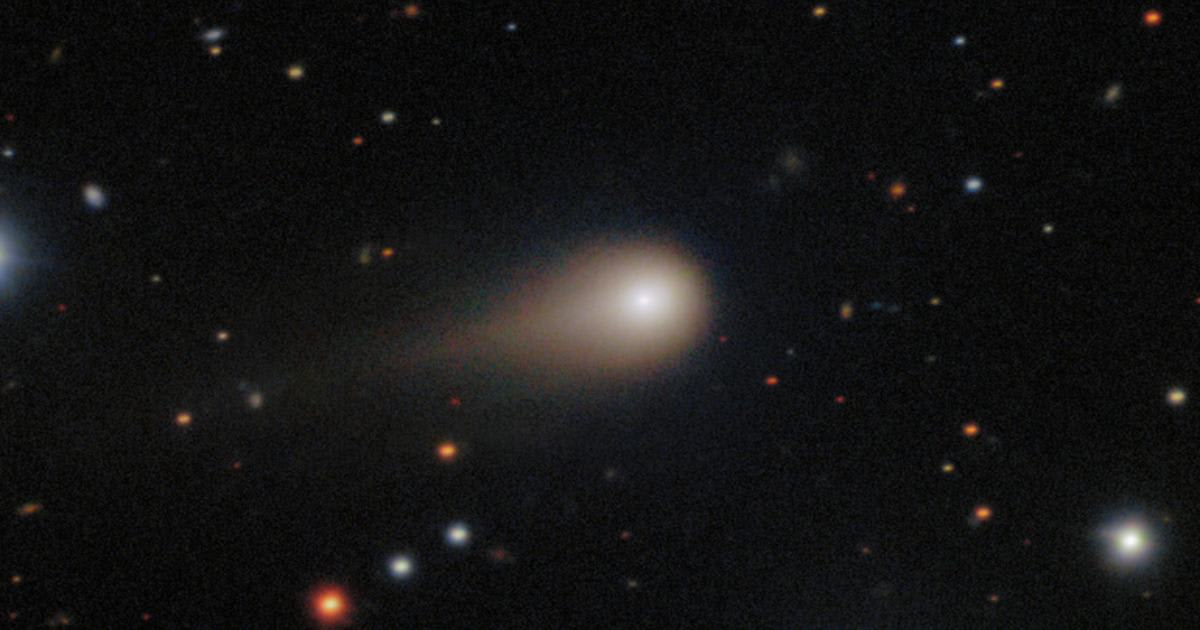
3I/ATLAS is, in many ways, a real "outsider." Scientists believe the comet formed in a distant star system before being ejected into the interstellar void. It drifted through the Milky Way, perhaps for billions of years, before entering our solar neighborhood from the direction of Sagittarius. The object was first spotted near Jupiter's orbit and has since looped around the Sun. Though it is now technically on its way out of our solar system, it should remain visible through telescopes until the spring of 2026, steadily dimming as it retreats.
This cosmic visitor is also a speed demon: when first spotted near Jupiter, it was racing through space at about 137,000 miles per hour. As it swung toward the Sun, solar gravity served as a kind of slingshot, whipping the comet up to a peak velocity of 153,000 miles per hour. NASA researchers are currently using a fleet of telescopes and spacecraft to gather data on the comet's composition while it remains within reach.
More on Starlust
Comet 3I/ATLAS makes its closest approach to Earth: Skywatching tips, livestream and more