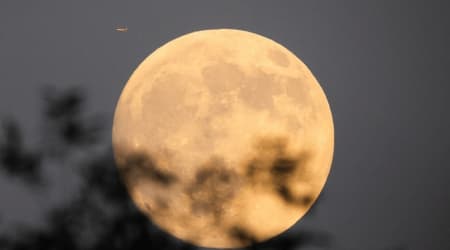
2025 Ursid meteor shower peaks next week: Here's when and where you can see it
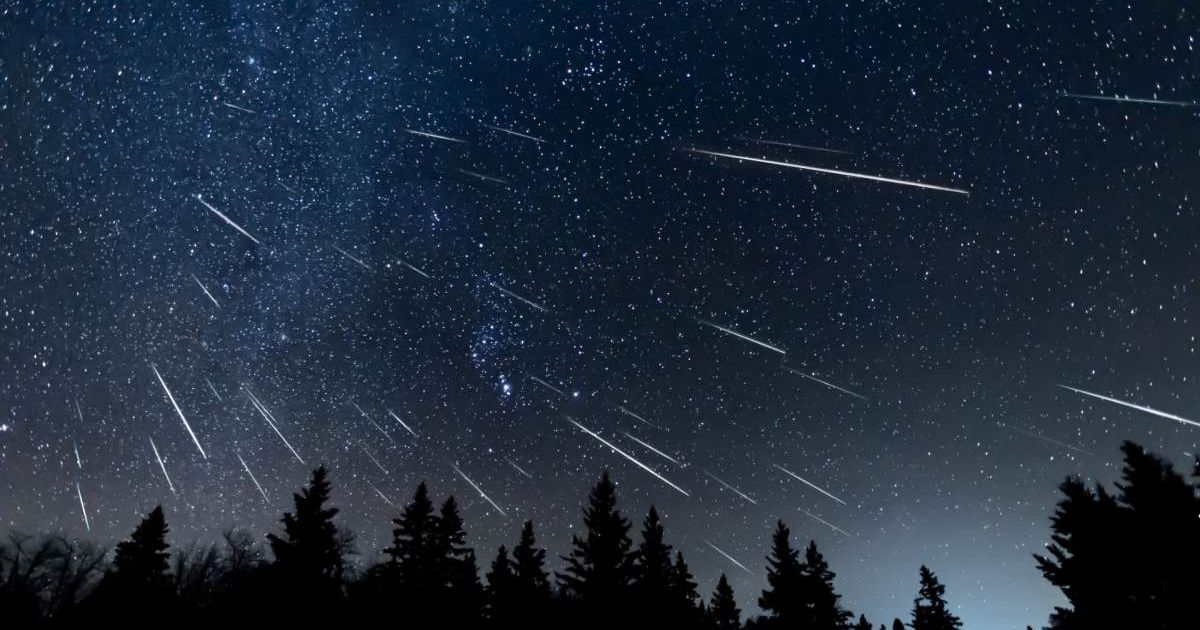
Observers will have ideal viewing conditions this year, as the New Moon guarantees zero moonlight interference.
PUBLISHED 7 HOURS AGO
Meteor shower composite created from 44 individual photos that include the Milky Way. (Representative Cover Image Source: Getty Images | Photo by Craig Taylor)

The annual Ursid meteor shower, which is often overshadowed by the festive season and the much more popular Geminids, is on track for an excellent appearance this year, and astronomers are urging sky-gazers to head outside as viewing conditions are expected to be ideal this year, according to EarthSky

A man watching a shooting star, the Milky Way, and the moonset (Representative Image Source: Getty | Carlos Fernandez)

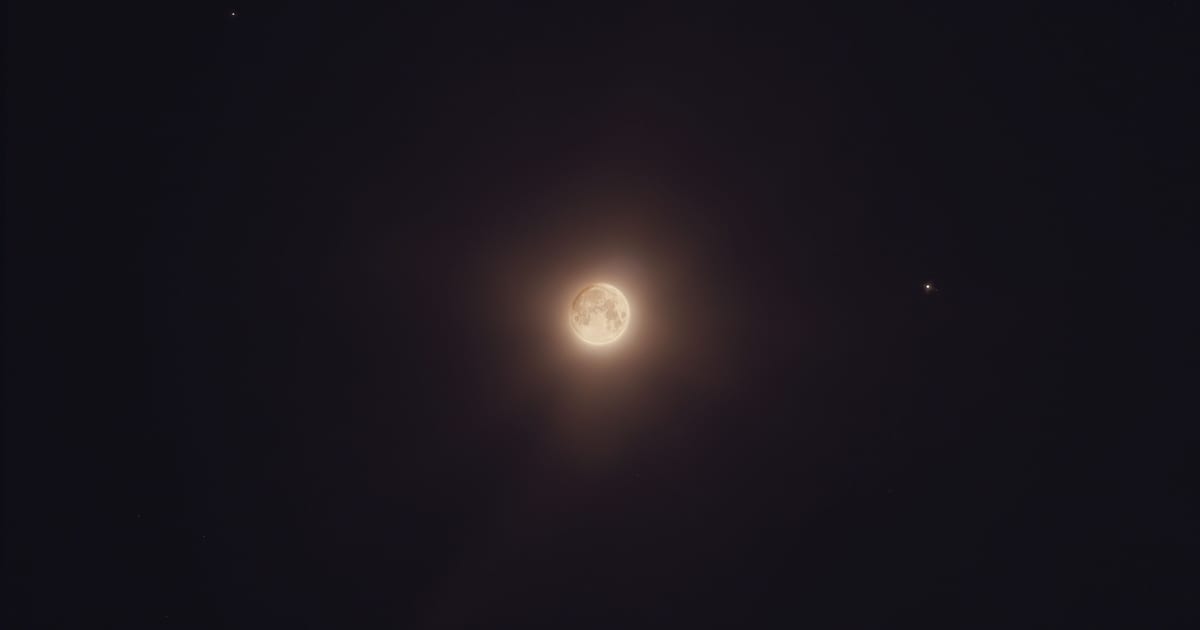
Predictions indicate that the shower will peak on December 22, 2025, around 11:00 UTC. But the best time for viewers to catch the action is during the overnight hours of December 21 into the dawn of December 22. Crucially, a new moon is scheduled for December 20 at 1:43 UTC. That means the usual problem of moonlight interfering with dim meteors will be nonexistent, providing a rare, truly dark sky. 
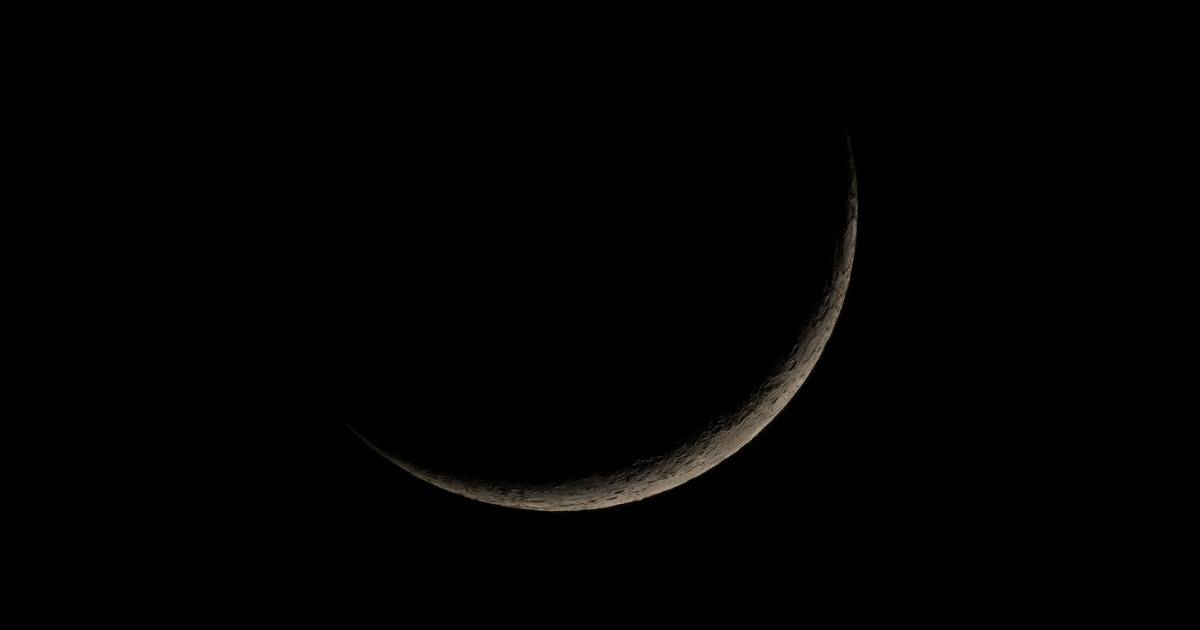
March waxing crescent moon rises over Boise in the evening of late winter season (Representative Cover Image Source: Getty | 	Darwin Fan)
March waxing crescent moon rises over Boise in the evening of late winter season (Representative Image Source: Getty | Darwin Fan)

While the Ursids are usually a modest display, producing about 5 to 10 meteors per hour, they have occasionally surprised onlookers. Rare, intense bursts in the past have produced 100 or more meteors per hour, keeping northern viewers interested despite the cold. The shower is active from December 13 to 24. 

The name Ursids derives from its radiant point, the location in the sky from which the meteor shower appears to originate. This point lies within the constellation Ursa Minor near the star Kochab. This makes the Northern Hemisphere the best location for viewing. Observers should look toward the north-northeast after 1 a.m. local time on the peak night. For Southern Hemisphere observers, the radiant is too far north to be seen easily. In fact, there's a chance that observers in the Southern Hemisphere might not be able to see any meteors at all.
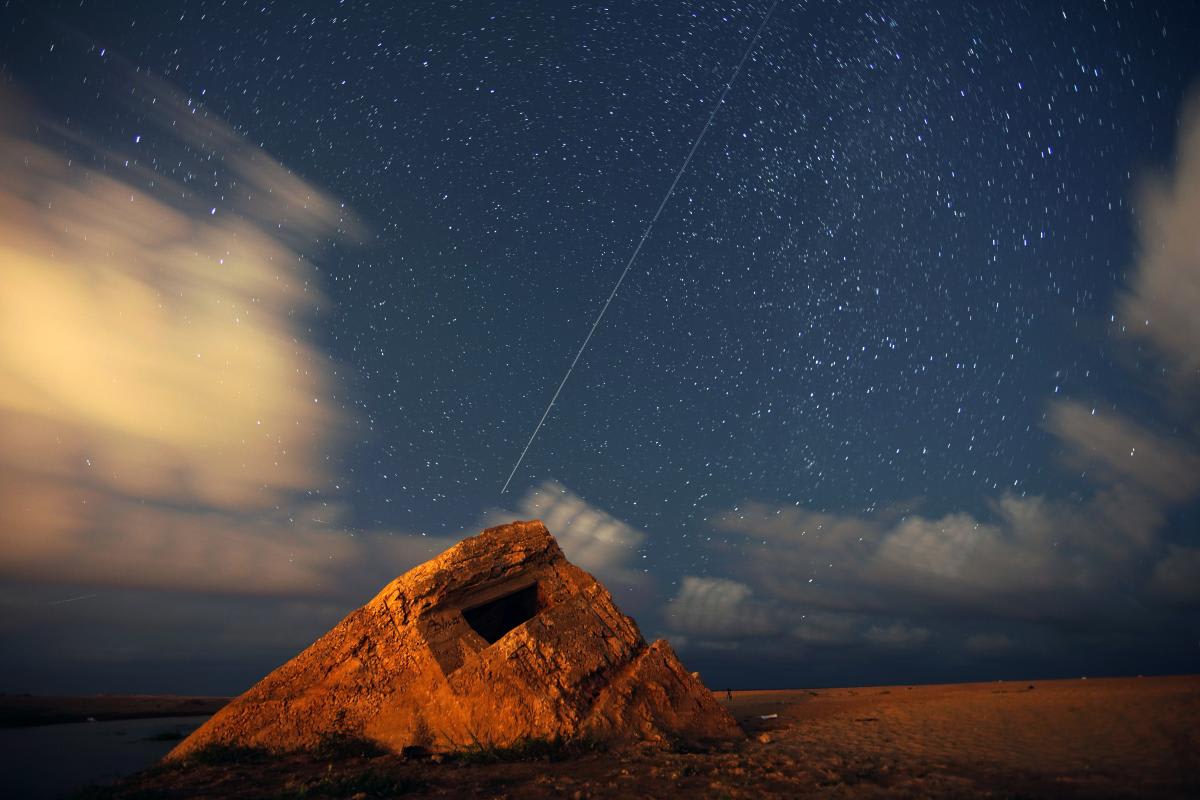
The Perseid meteor shower is observed on August 12, 2024 in Istanbul, Turkey. (Representative Cover Image Source: Getty Images | Photo by dia images)
The Perseid meteor shower is observed on August 12, 2024 in Istanbul, Turkey. (Representative Image Source: Getty Images | Photo by dia images)

Viewers should travel to a dark, rural setting far from city lights for an ideal experience. Wear several layers of warm clothing and carry a sleeping bag or blanket. Lie back in a comfortable position and get ready to spend hours gazing up at the stars. 
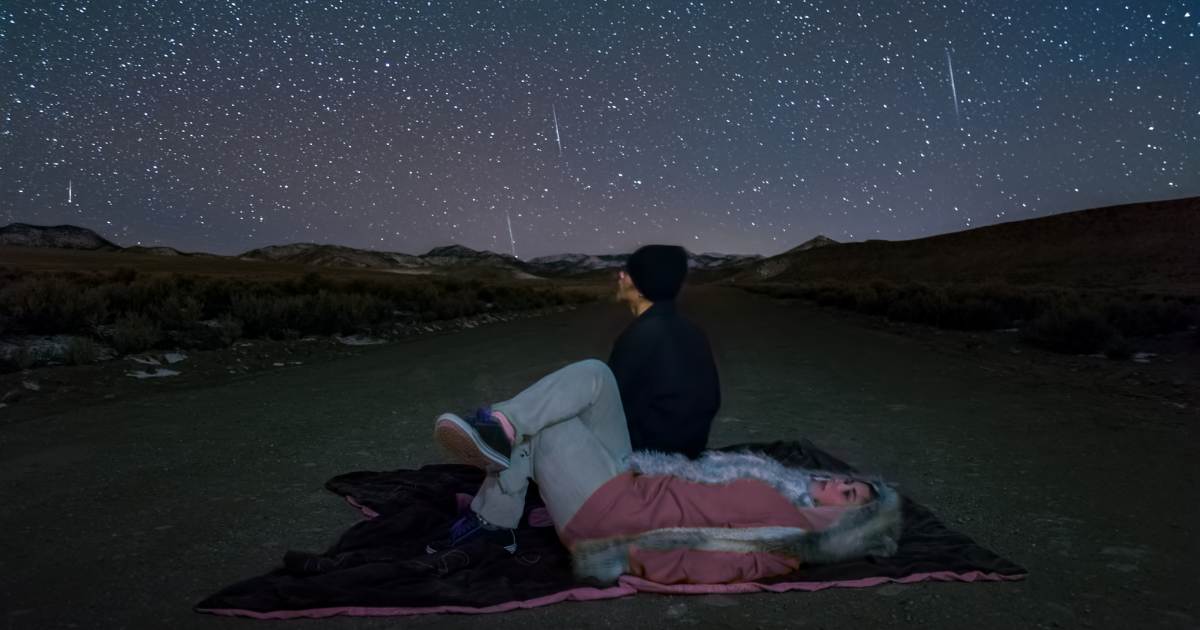
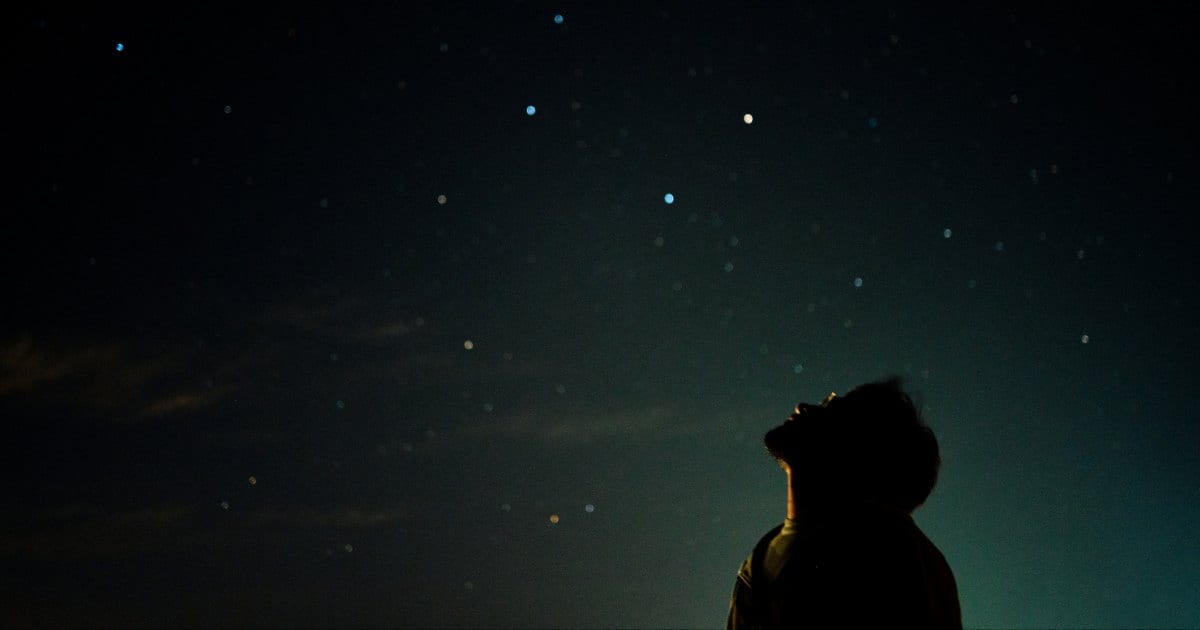
Teenagers watching a meteor shower (Representative Cover Image Source: Getty | harpazo_hope)
Teenagers watching a meteor shower (Representative Image Source: Getty | harpazo_hope)

The periodic comet responsible for the stream of debris producing the Ursid shower is officially known as 8P/Tuttle. It was first observed over 235 years ago by French astronomer Pierre Mechain of Paris on January 9, 1790. At the time, however, available data was insufficient to make any prediction of its return. It wasn't until 68 years later, in 1858, that American astronomer Horace Tuttle rediscovered the comet and followed it long enough to calculate its 13.7-year orbit. It was subsequently named after him, in recognition of his calculation of its periodic path. Comet 8P/Tuttle follows an elliptical path that brings it as close to the Sun as Earth's orbit and carries it outward almost to the orbit of Saturn.
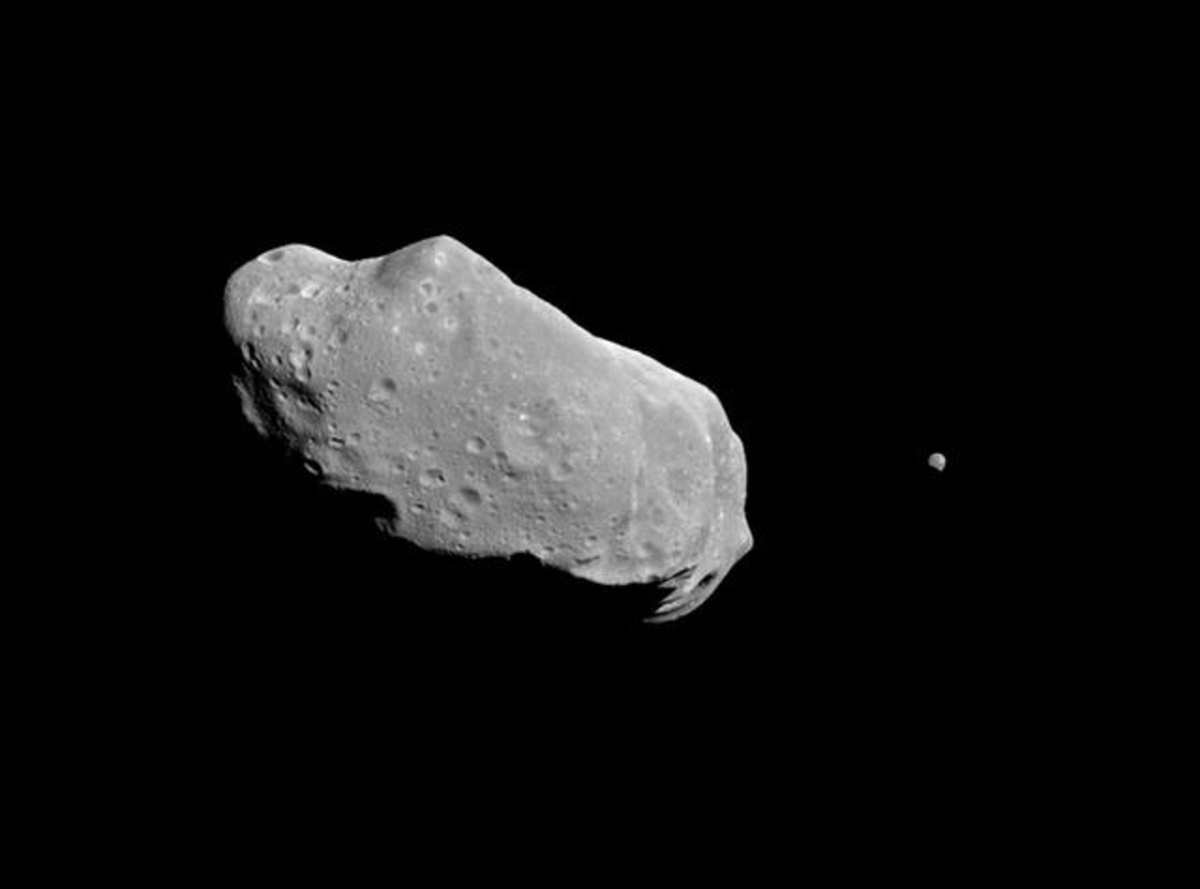
This is the first full picture showing both asteroid 243 Ida and its newly discovered moon to be transmitted to Earth from the National Aeronautics and Space Administration's (NASA's) Galileo spacecraft (Cover Image Source: NASA Image and Video Library | NASA)
This is the first full picture showing both asteroid 243 Ida and its newly discovered moon to be transmitted to Earth from the National Aeronautics and Space Administration's (NASA's) Galileo spacecraft (Representative Image Source: NASA Image and Video Library | NASA)

Earth cruises through the comet's trail of debris each year, creating the Ursids. Curiously, the comet's visit to the inner solar system is not related to the spectacular meteor outbursts. The dust and debris ejected from the comet travel on a somewhat different path and fall behind it. 

More on Starlust

December 2025 skywatching guide: Cold Supermoon, Geminid meteor shower and more

5 stunning lunar events to watch after the Cold Supermoon in December 2025
MORE STORIES

The interstellar comet 3I/ATLAS is currently visible in the constellation Leo, though its faint brightness of magnitude 12.5 means it is difficult to spot.
38 minutes ago
The comet's closest approach to Earth will occur on Friday, December 19, 2025, when it will pass at a distance of approximately 167 million miles.
5 days ago
An event like this will not take place again before 2045.
6 days ago
Stargazers in both the Northern and Southern Hemispheres will be able to view the shower, though the display is typically superior from the North.
7 days ago
Not all of Saturn’s moons are visible in space; however, some can be bright enough to be traced by a reliable telescope from Earth.
7 days ago
Plume of gas ejected from Mercury’s atmosphere extended to form a comet-like tail, which was captured by the astrophotographer.
Dec 5, 2025
As the New Year draws near, the next Full Moon is also on its way — arriving just after the December Cold Moon.
Dec 5, 2025
From the best time to watch the Cold Moon to the date and time of the first supermoon of 2026, here's everything you need to know.
Dec 4, 2025
With the interstellar visitor headed for its closest approach to our home planet, NASA has advised people on how to best observe the comet 3I/ATLAS.
Dec 2, 2025
The last month of the year brings various lunar events, and here are a few magnificent sights to witness post the Cold Moon.
Dec 2, 2025