Comet 3I/ATLAS displays greenish hue in new Gemini North images
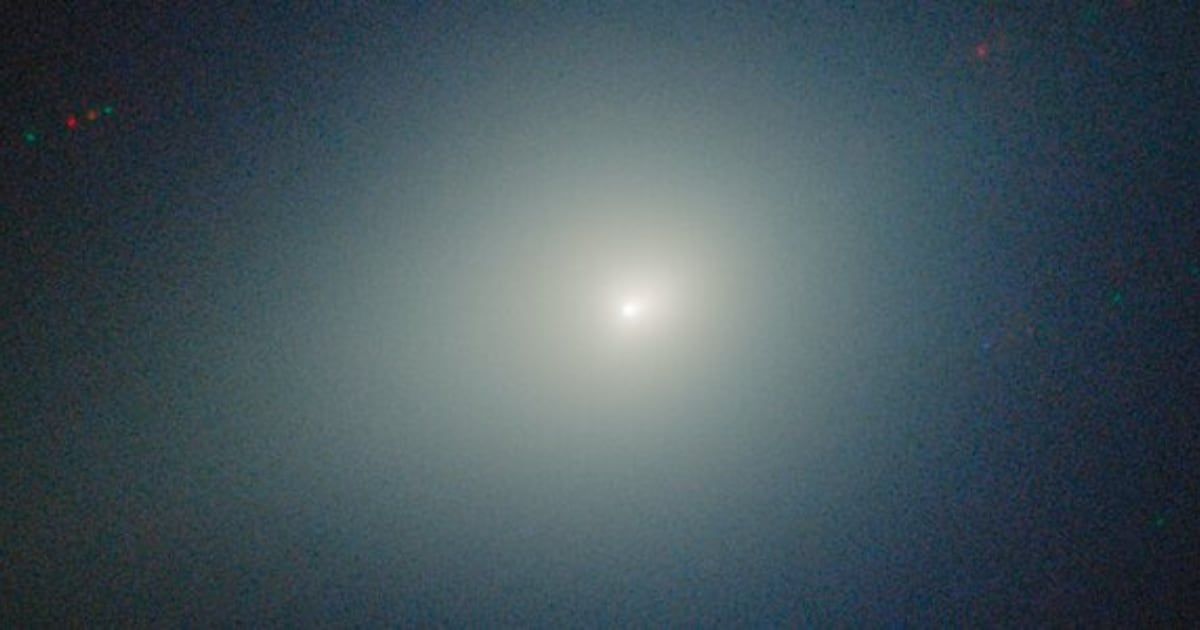
The third interstellar object ever detected, comet 3I/ATLAS, is back on the cosmic scene with a striking green tint. Thanks to the mighty Gemini North telescope, the comet was imaged on its path out of our solar system following its closest pass to the Sun, according to NOIRLab.
☄️💚 It’s back, and glowing green! After weeks behind the Sun, Comet 3I/ATLAS, the 3rd confirmed interstellar object, has returned to view. @Geminiobs North captured new multicolor images during a live Shadow the Scientists session.
— NOIRLab (@NOIRLabAstro) December 12, 2025
📷: @GeminiObs/NOIRLab/NSF/AURA/B. Bolin pic.twitter.com/GysZRKfM4I
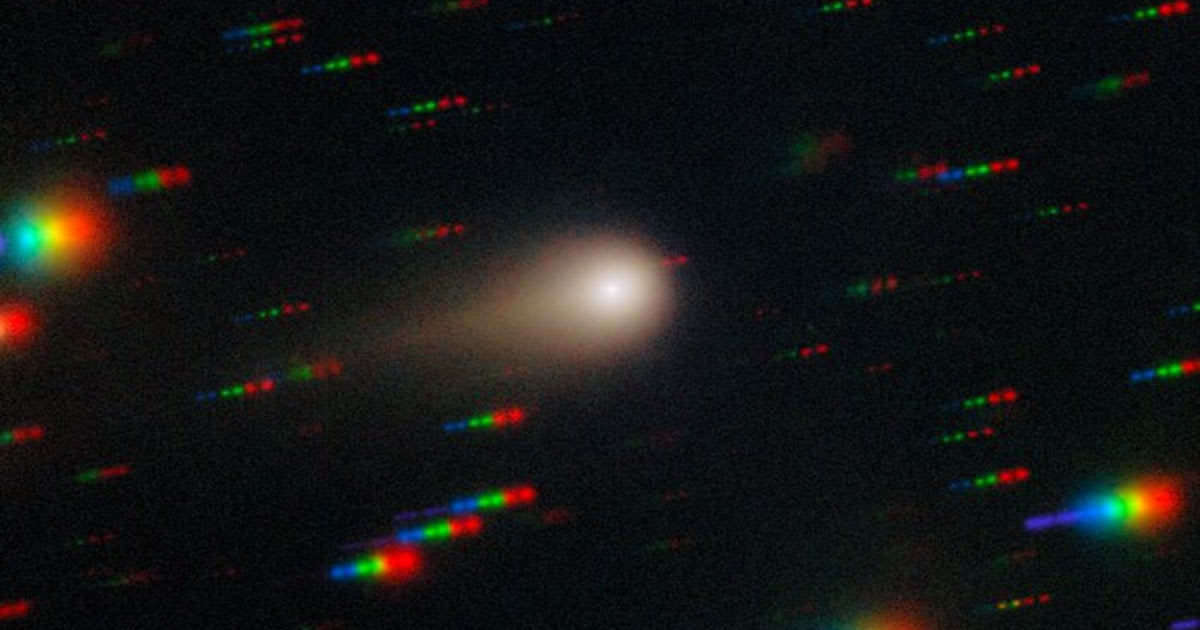
This striking green color, captured by the Gemini Multi-Object Spectrograph on November 26, 2025, is one of the main changes from earlier observations, in which the comet appeared more reddish. Scientists attribute this to the heating effect of the Sun, which is causing the gases in the comet's coma to evaporate. More specifically, it is due to the presence of a highly reactive molecule called diatomic carbon, or C2, that gives out light at green wavelengths.
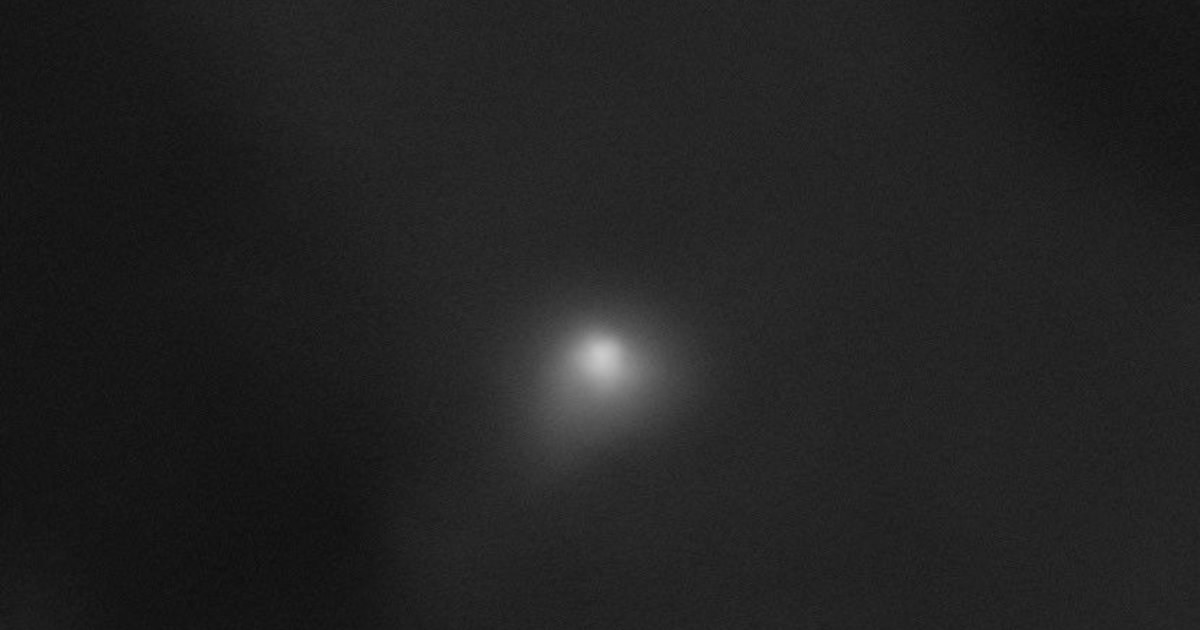
The dramatic final photograph is a composite created from multiple exposures taken through four different color filters: blue, green, orange, and red. The comet remained fixed in the center of the telescope's view during the exposures. The position of the stars in the background, however, changed with respect to the comet, thus appearing as brilliant streaks of light in the image.

Made when the interstellar visitor was close to the triple-star system Zaniah in the constellation Virgo, the observation was a part of a public outreach initiative that NSF NOIRLab organized in collaboration with Shadow the Scientists. Bryce Bolin, a researcher from Eureka Scientific, headed the scientific program. It was yet another instance of NOIRLab's efforts to make cutting-edge science more accessible to the general public by asking learners to participate in observation and data collection programs.
"Sharing an observing experience in some of the best conditions available gives the public a truly front-row view of our interstellar visitor," Bolin said. "Allowing the public to see what we do as astronomers and how we do it also helps demystify the scientific and data collection process, adding transparency to our study of this fascinating object." Meanwhile, multiple telescopes continue to track 3I/ATLAS as it departs, monitoring for any further changes in its chemical composition or outburst activity.
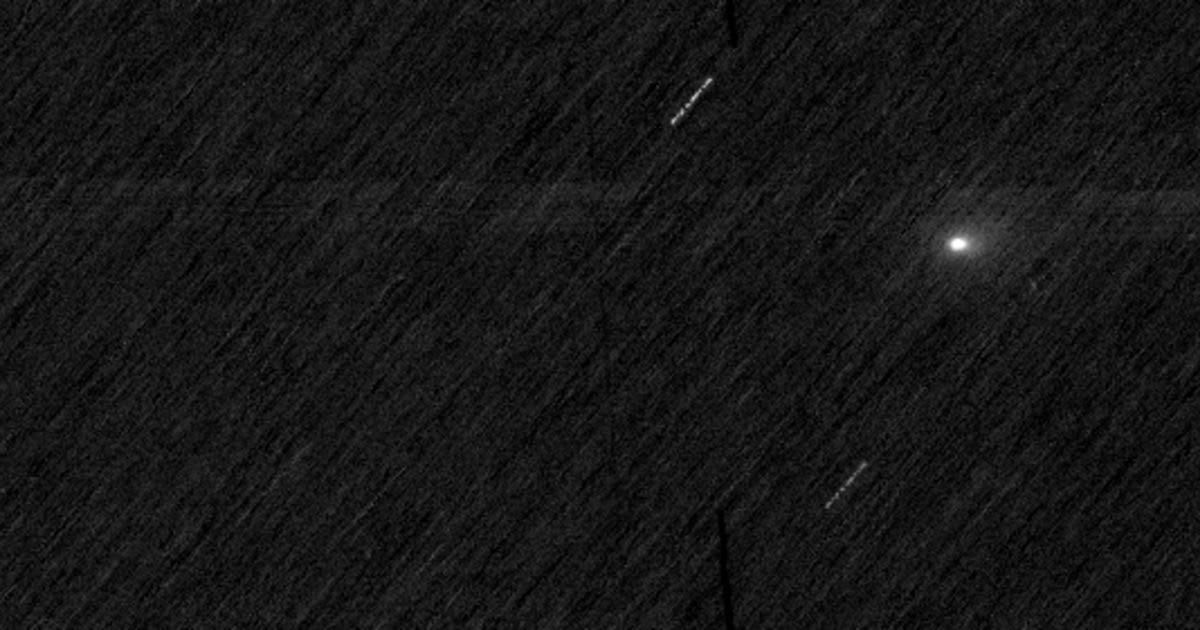
These November images are follow-ups of earlier successful observations of the interstellar visitor. According to NOIRLab, on August 27, 2025, the comet was captured by Gemini South in Chile, which similarly used the GMOS instrument to take deep, multicolored images. During that observation, scientists noted that comet 3I/ATLAS had grown significantly more active as it moved closer to the inner Solar System. The images revealed a broad coma, the cloud of gas and dust surrounding its icy core, and a distinct tail.
The NASA-funded ATLAS (Asteroid Terrestrial-impact Last Alert Systems) survey telescope in Rio Hurtado, Chile, made the initial discovery of comet 3I/ATLAS. The celestial body's origin from interstellar space, that is, from outside our solar system, was formally confirmed after its first sighting on July 1.
More on Starlust
3I/ATLAS update: First X-ray detection suggests the comet behaves like its solar system counterparts