
About Author
Raj is a science writer at Starlust, where he explores the cosmos, one story at a time. With a background in entertainment journalism and a lifelong love of storytelling, Raj brings a unique narrative lens to the universe — weaving together celestial facts, skywatching guides, and the deeper questions inspired by space.
Raj believes that space writing should not just inform, but spark curiosity. Whether he’s diving into the latest astronomical discovery or decoding the Moon’s daily rhythm, his goal is always the same: to remind us how thrilling it is to be part of a universe this vast.
Latest From Raj Naik
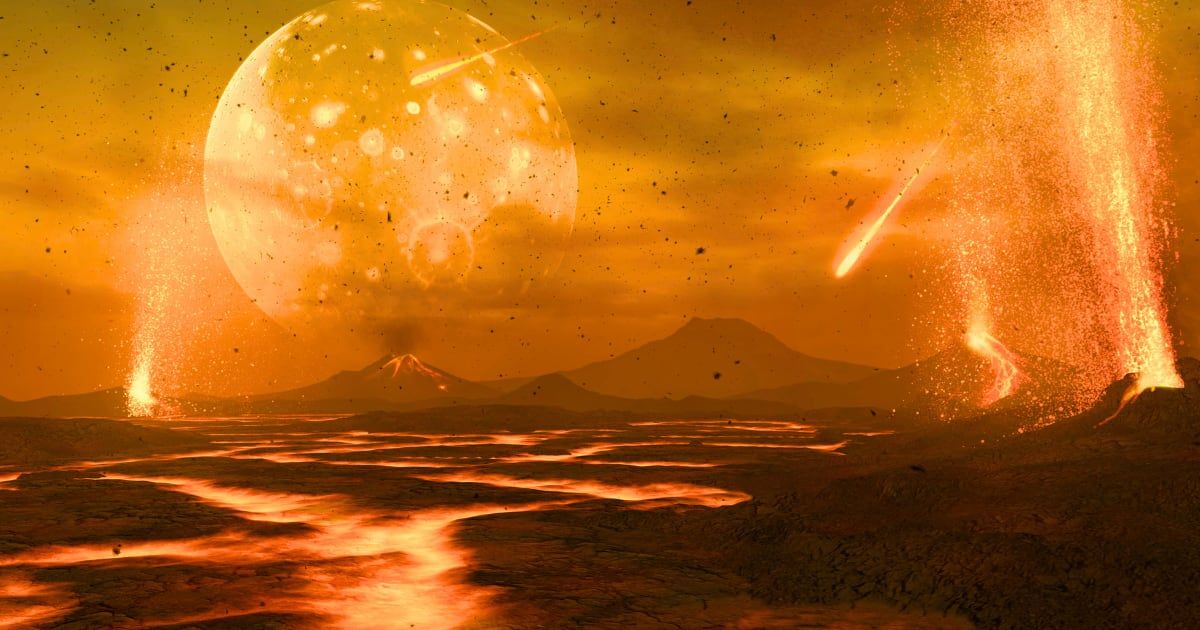
Scorching 'lava world' detected by James Webb Telescope surprises scientists with a thick atmosphere
The data suggest this small, super-hot world is shrouded in a thick layer of gas, likely hovering above a planet-wide ocean of magma.
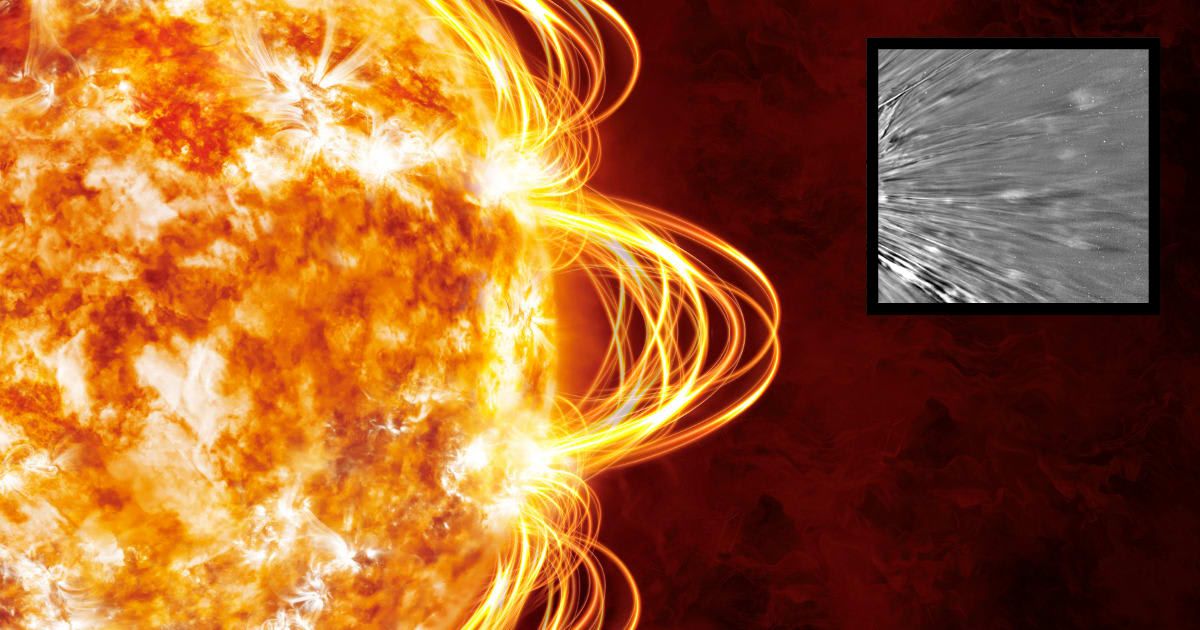
NASA’s Parker Solar Probe caught the unexpected—the Sun's solar wind making a U-turn
The discovery is based on observations made during the probe's record-setting dive in December 2024, when it came within a mere 3.8 million miles of the Sun.
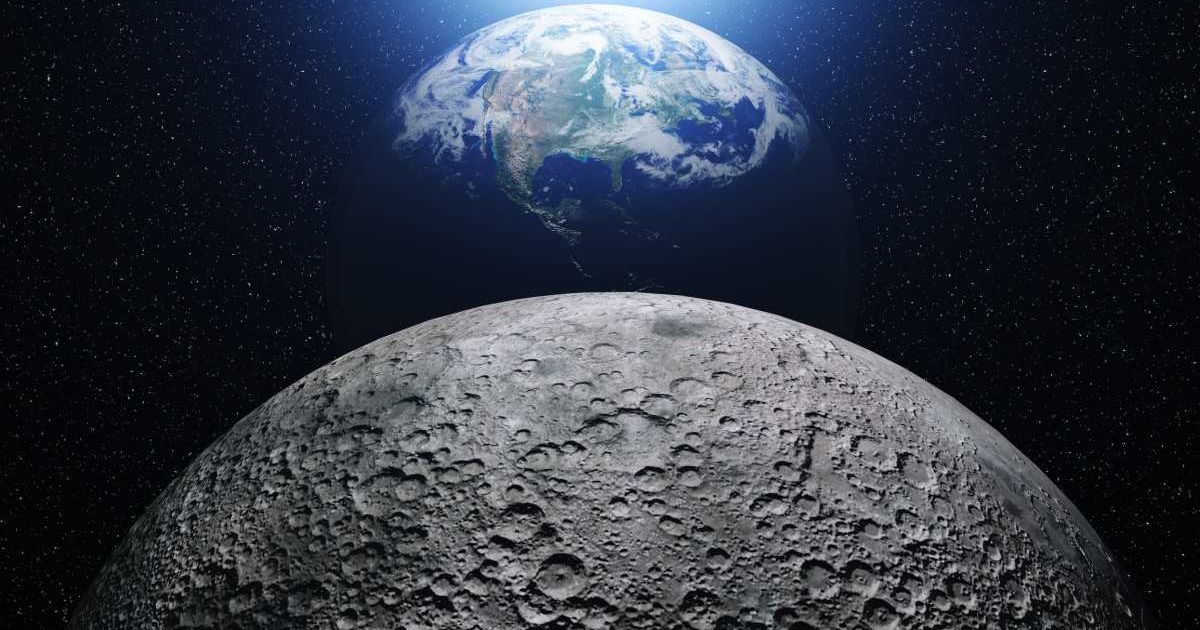
Earth's atmosphere hidden on the Moon may prove to be life-sustaining for future astronauts
University of Rochester researchers have evidence that Earth's magnetic field may have funnelled key elements from our atmosphere to the Moon.
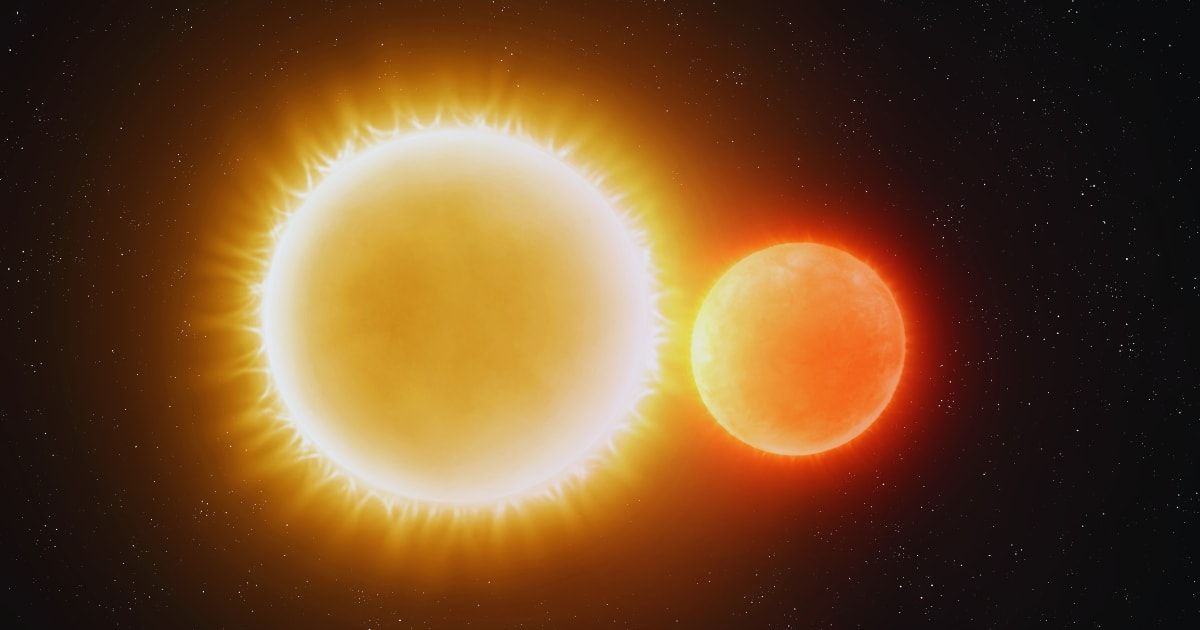
Astronomers image rare Tatooine-like world orbiting two suns locked in 300-year cycle
The discovery, validated by a separate European team led by the University of Exeter, may offer fresh insight into interactions between planets and binary star systems.

Blue Origin NS-37 mission will launch first astronaut in wheelchair to space
Liftoff is scheduled for 8:30 AM CST (14:30 UTC) from Launch Site One, with the live mission webcast beginning 40 minutes prior to the target time.
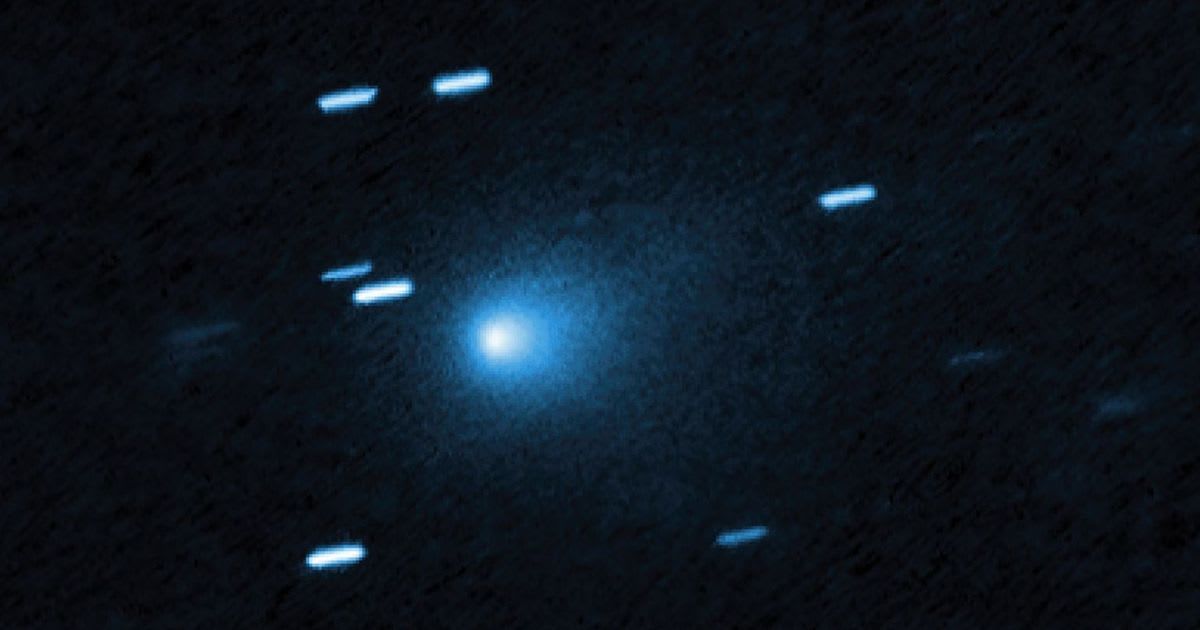
3I/ATLAS update: First X-ray detection suggests the comet behaves like its solar system counterparts
The 17-hour X-ray study, performed in late November 2025, captured a subtle X-ray glow emanating from 3I/ATLAS's core.
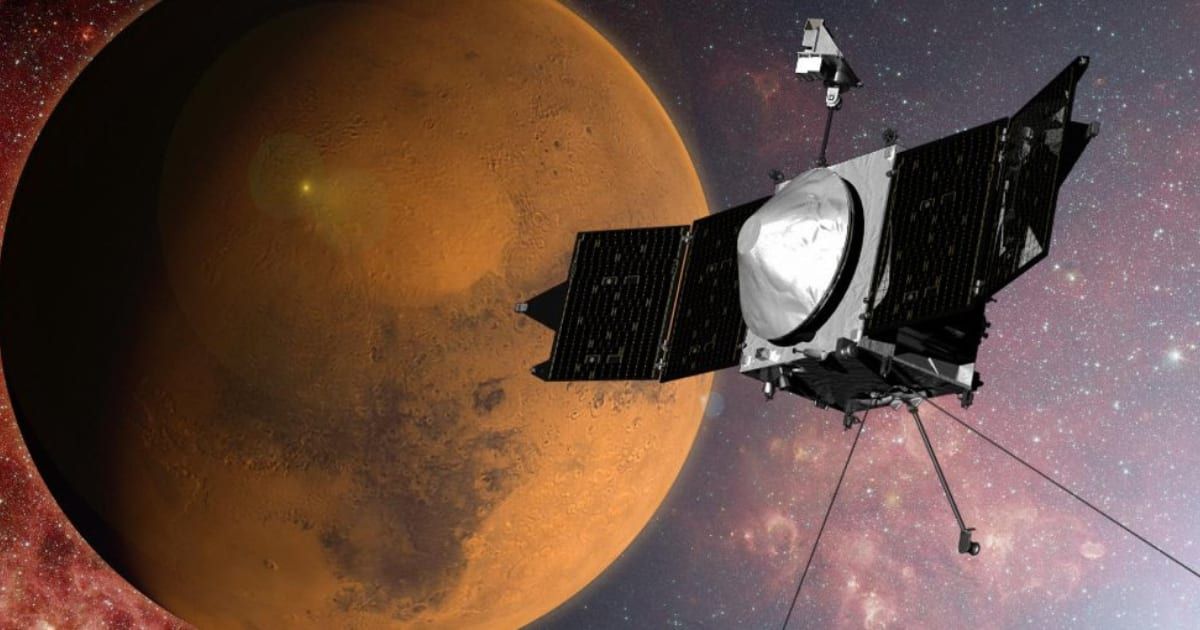
NASA loses contact with MAVEN orbiter as it goes silent behind Mars
Flight controllers and technical specialists are racing to pinpoint the cause of the radio failure and restore contact with the orbiter.
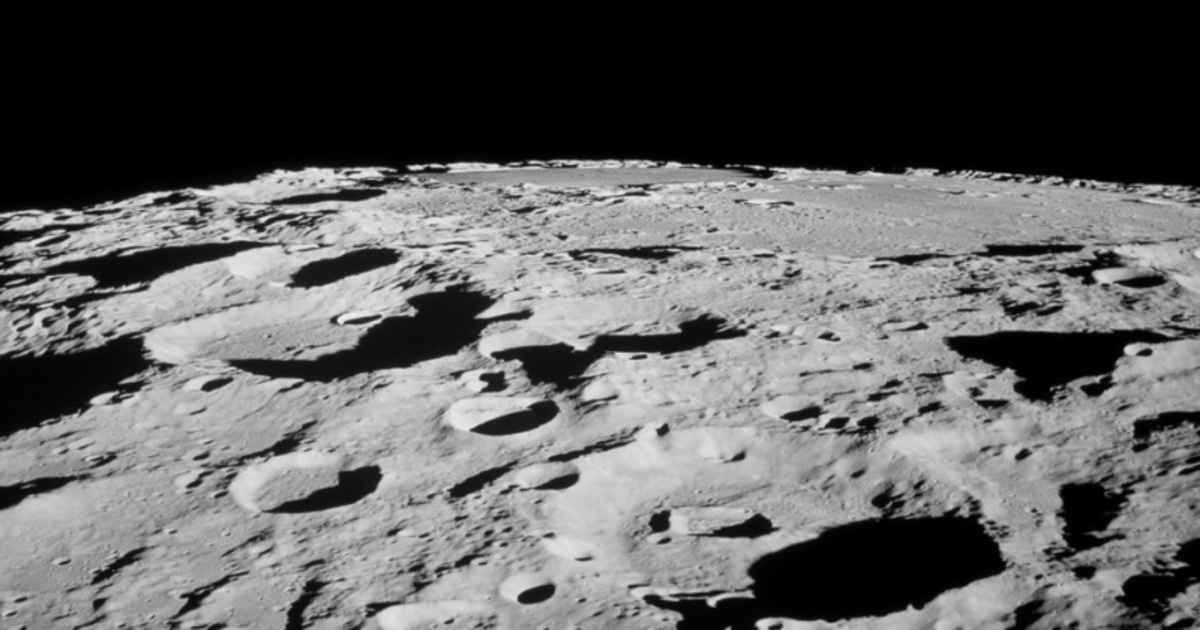
Moon dust brought back 50 years ago is now revealing how the Sun changes the lunar surface
The degree of space weather impact determines how bright soils appear.
Comet 3I/ATLAS is just days away from its closest approach to Earth—latest coordinates and viewing tips
The comet's closest approach to Earth will occur on Friday, December 19, 2025, when it will pass at a distance of approximately 167 million miles.
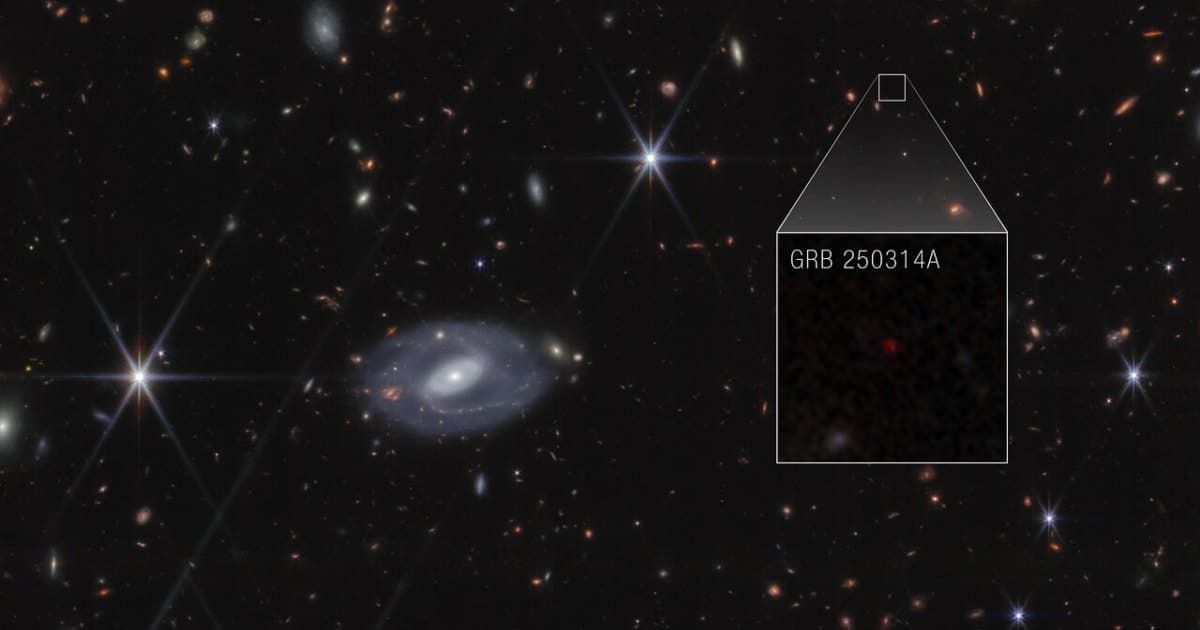
NASA's James Webb Telescope witnesses stellar explosion from just 730 million years after the Big Bang
Previously, the most ancient supernova ever confirmed dated back to when the universe was 1.8 billion years old.
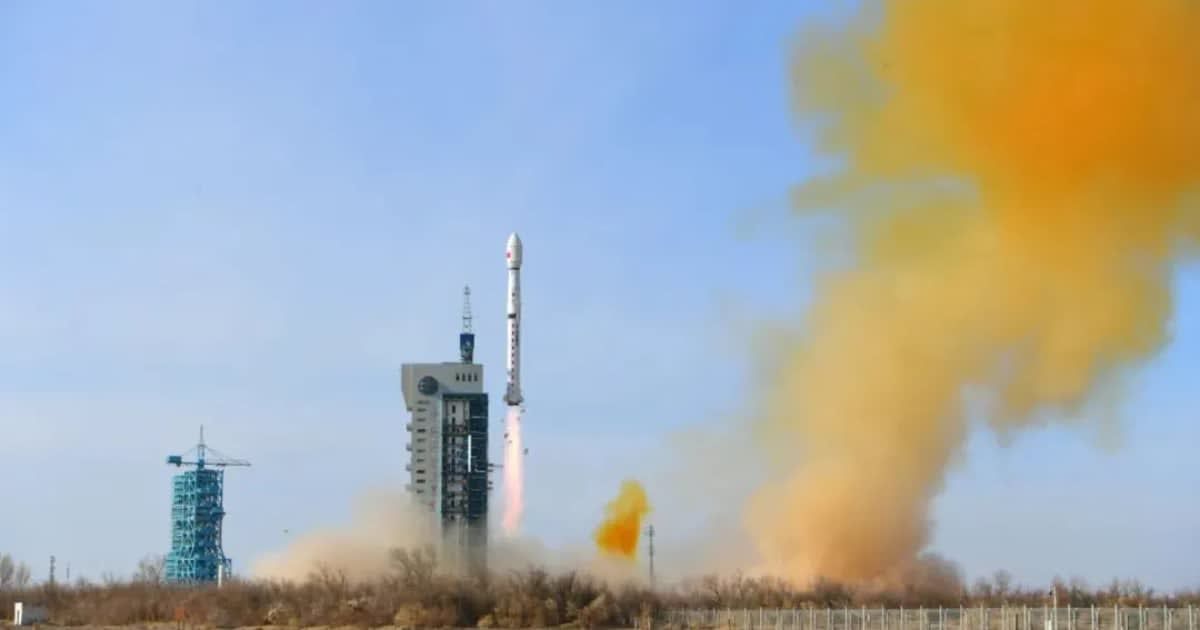
China sets new space record with three Long March rocket launches within 19 hours
The record-breaking run concluded with the Long March 3B rocket launched from the Xichang Satellite Launch Center.

SpaceX launches the classified NROL-77 mission from Cape Canaveral
The powerful rocket launched Tuesday at 2:16 p.m. ET from Space Launch Complex 40 at Cape Canaveral Space Force Station.

Longest gamma-ray burst ever detected blazed for over seven hours — and astronomers are baffled
NASA's Fermi telescope was the first to identify the highly unusual cosmic explosion.
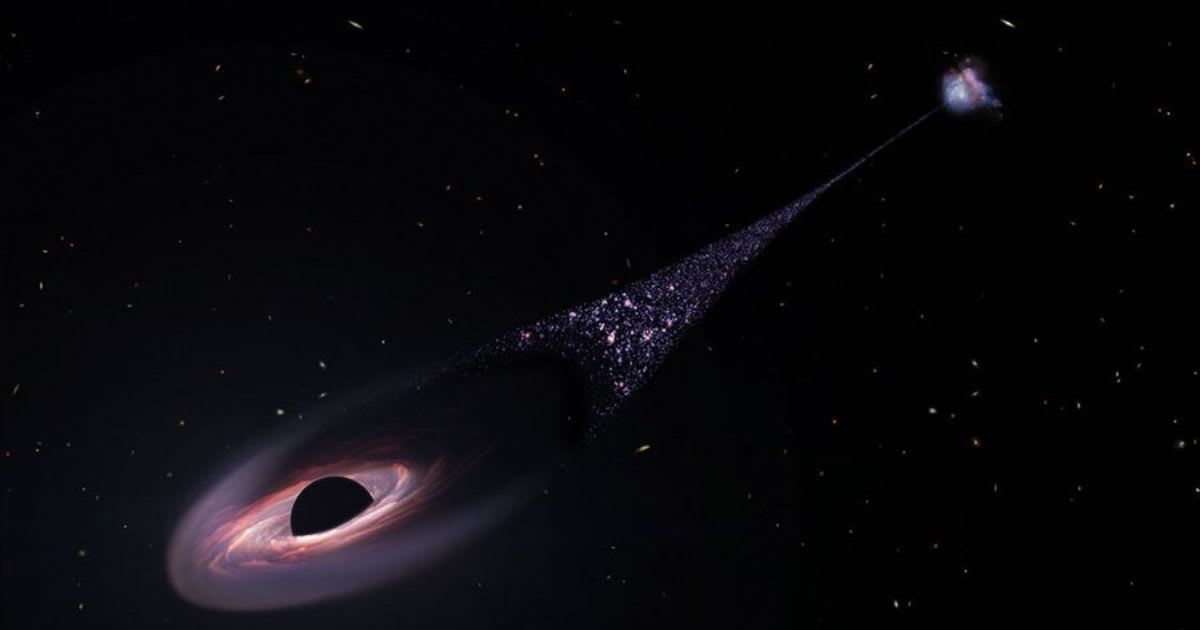
Scientists witness supermassive black hole blasting out matter at 20 percent the speed of light
An international team of astronomers conducted a ten-day observation of the NGC 3783 black hole using mainly the XRISM space telescope.
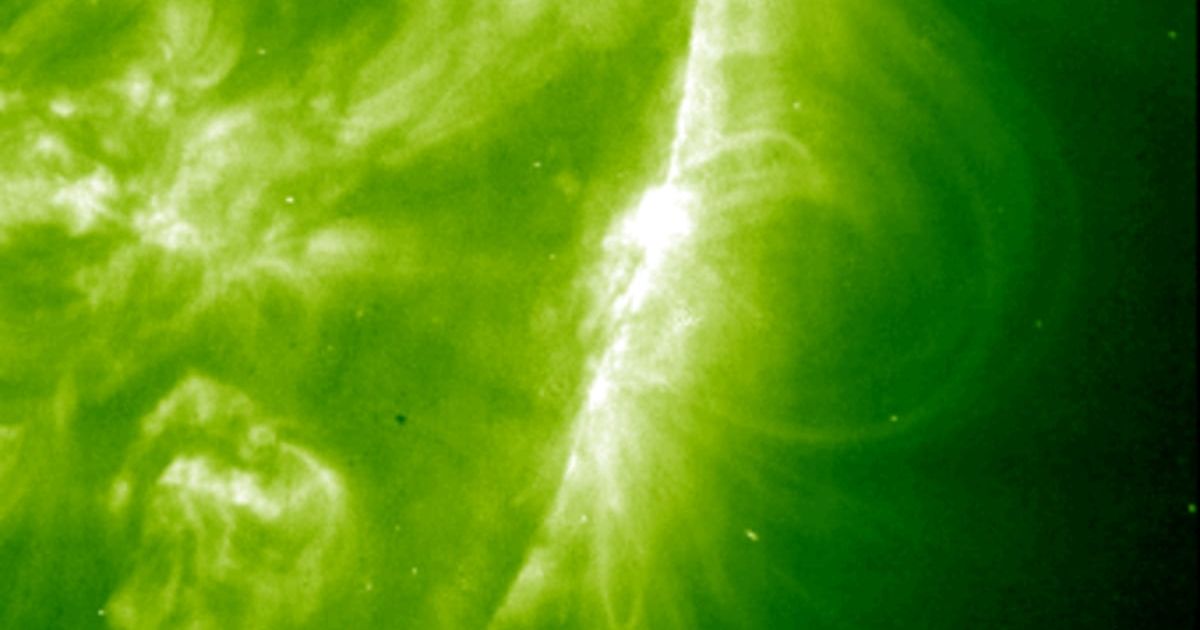
Sun fires off massive X-class flare resulting in radio blackouts in Australia and parts of Southeast Asia
The enormous burst of energy, which peaked at 12:01 a.m. on December 8, was imaged by NASA's Solar Dynamics Observatory.
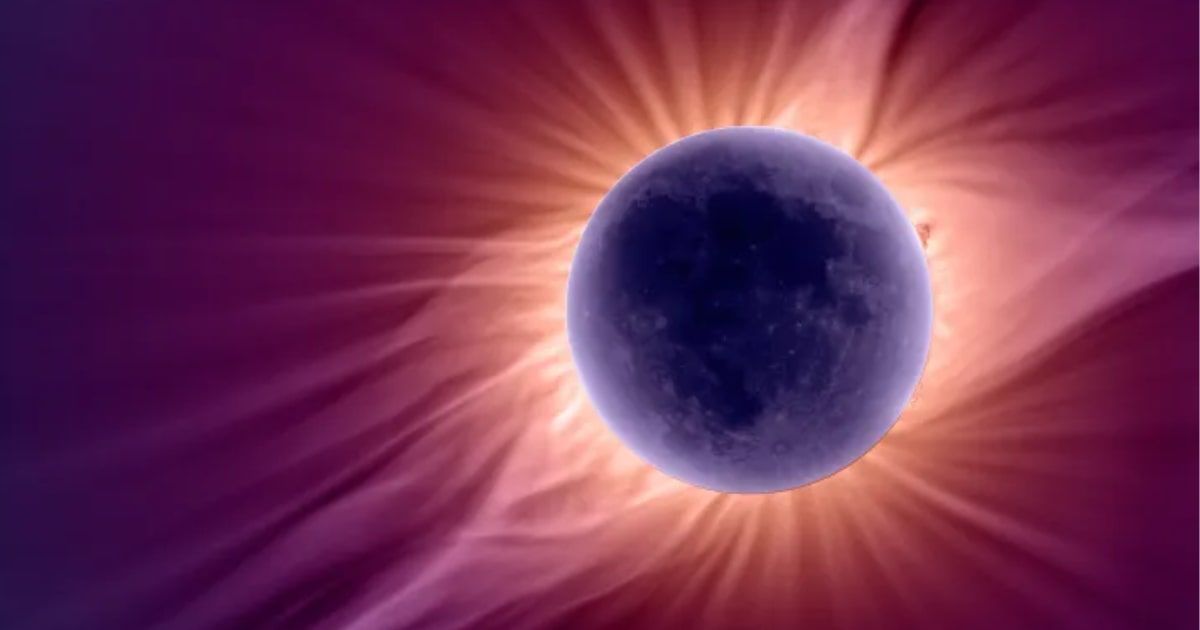
Don't miss the century's longest Total Solar Eclipse — here's the exact date
An event like this will not take place again before 2045.
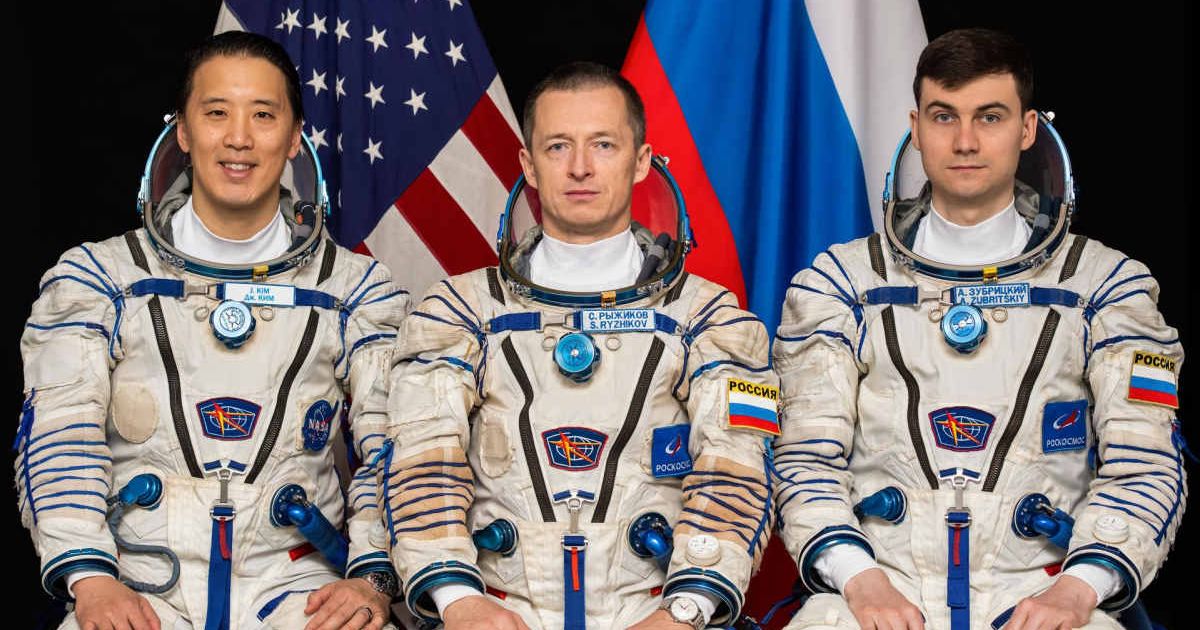
NASA's Jonny Kim and crew land aboard Soyuz MS-27 after spending eight months in space
The spacecraft carrying astronaut Kim, cosmonaut Ryzhikov, and cosmonaut Zubritsky pulled away from the orbiting complex at 8:41 p.m. EST on Monday.
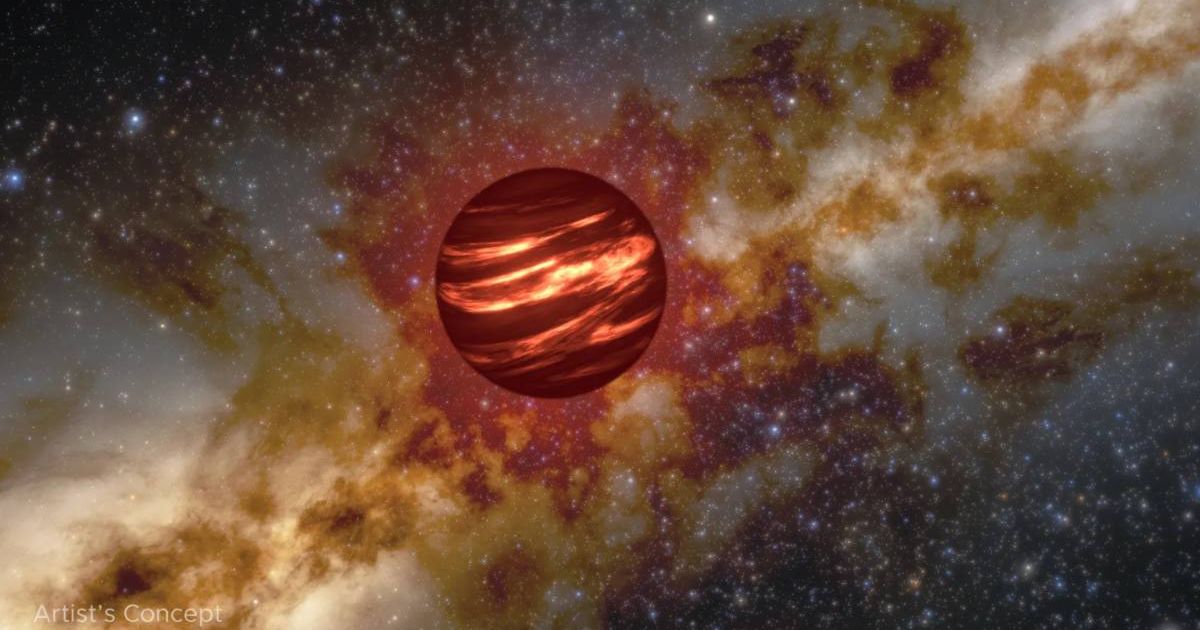
First discoveries from Subaru Telescope's OASIS survey reveal a massive planet and a brown dwarf
The findings represent the first major results from OASIS, a program that uses advanced telescope instruments to seek out large planets and brown dwarfs.
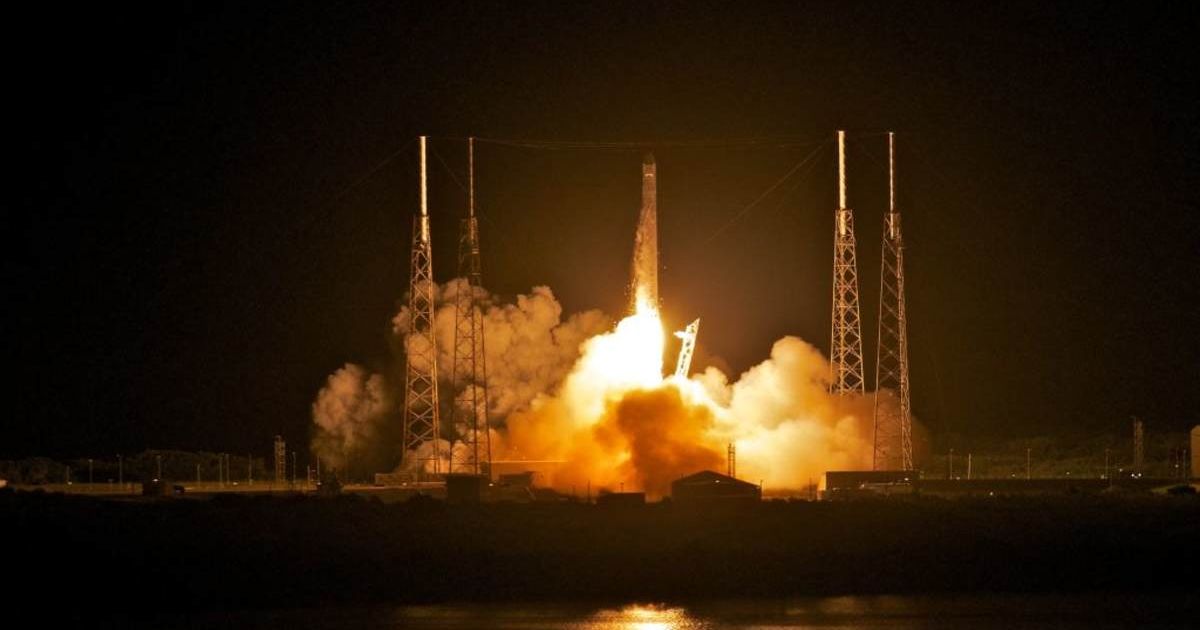
SpaceX is developing Starship launch complex at Cape Canaveral after approval from Air Force
SpaceX confirmed construction is already underway at the Space Launch Complex 37 site, following the approval.
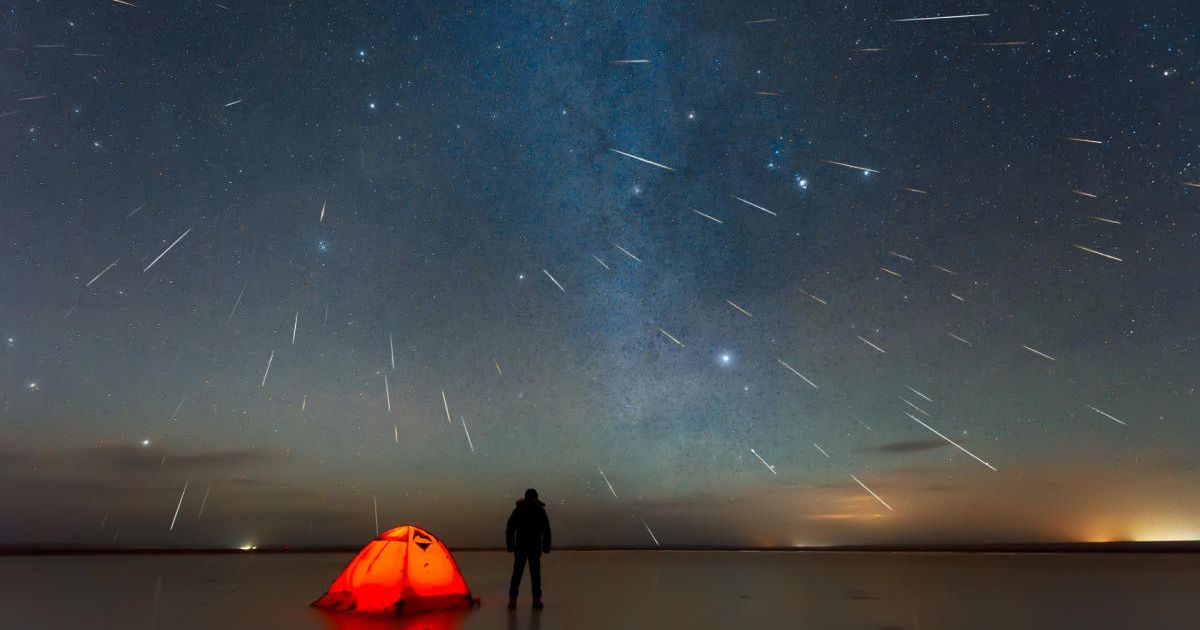
The Geminid meteor shower peaks next week: Here's when and how you can see it
Stargazers in both the Northern and Southern Hemispheres will be able to view the shower, though the display is typically superior from the North.