SpaceX Starship Flight 14 could take place this month: Here's what to expect
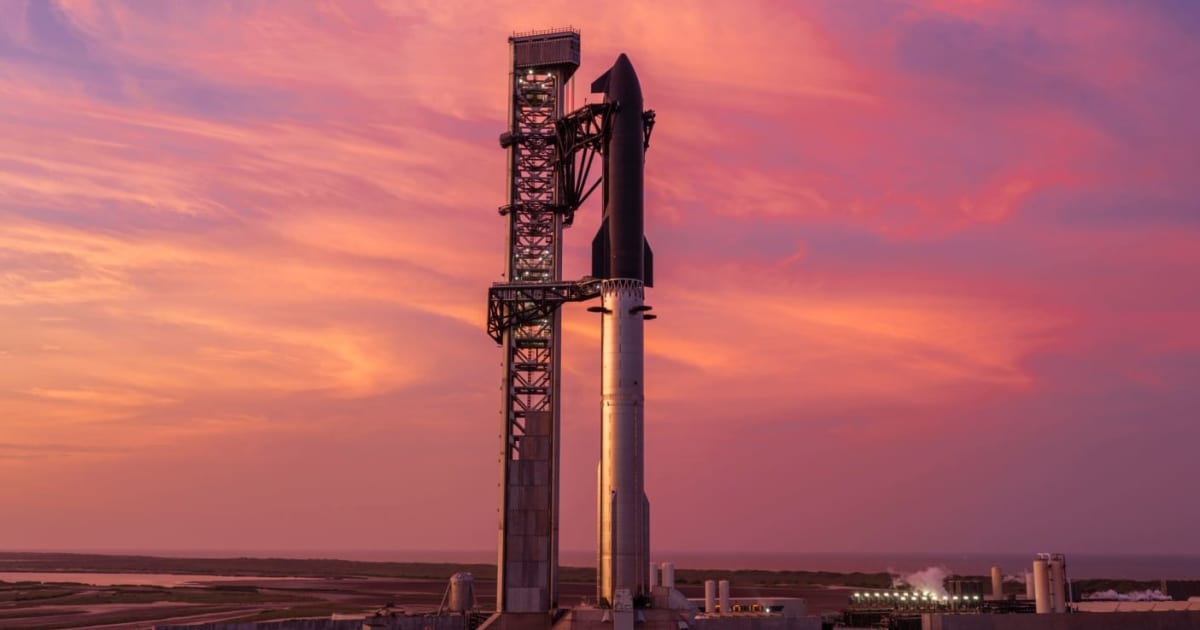
SpaceX's super heavy-lift launch vehicle Starship, which recently completed its 13th test flight, was a topic of discussion in the company's earnings call on Tuesday, pulling the curtain back on quite a few interesting details. Founder and CEO Elon Musk, along with SpaceX top brass including COO Gwynne Shotwell, talked about where the company intends to go with its Starship and Super Heavy rocket combination. While the agenda of the Q&A had quite a wide range, the following are a few highlights relating to Flight 14 and future Starship flights in general.
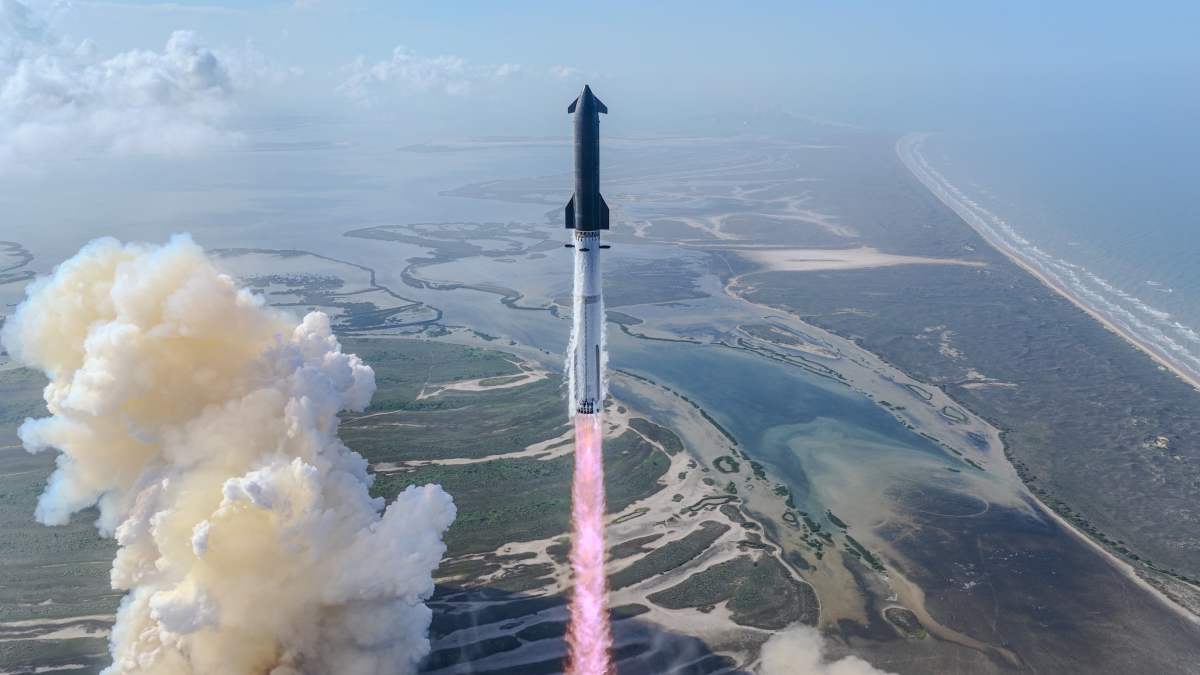
Heat shield analysis and recovery of Ship 39
Because Starship’s 14th flight is part of a series of iterative tests bringing the heavy-lift rocket closer to its final version, the results of Flight 13 are quite relevant to what happens next. Footage captured from space provided engineers with the chance to inspect the heat shield's health before re-entry. However, Ship 40 is still floating in the Indian Ocean, intact after a gentle splashdown on July 24, 2026. This enabled SpaceX to send a Starship Recovery team to the site of Flight 13's Starship and see its heat shield up close, while making preparations to haul it back to shore for an extensive analysis.
Latest heat shield design looks great! https://t.co/PitlHFwilp
— Elon Musk (@elonmusk) July 25, 2026
Flight 14 will be an orbital mission and will be caught
Seeing how controlled the landing of Starship was on its previous flight, SpaceX CEO Elon Musk stated, "The ship landing was precise, meaning that it would have been caught by the tower arms," in an X post a few hours after splashdown. He has now announced a concrete plan for the Starship upper stage to return to Pad 2 at Starbase in Texas, pending Federal Aviation Administration approval. This capacity will allow the company to reduce costs by reusing all rocket components. Moreover, the aforementioned analysis also raised confidence in making Starship execute an orbital mission rather than the sub-orbital trajectory followed in the two flight attempts of the 171-foot upper stage so far.
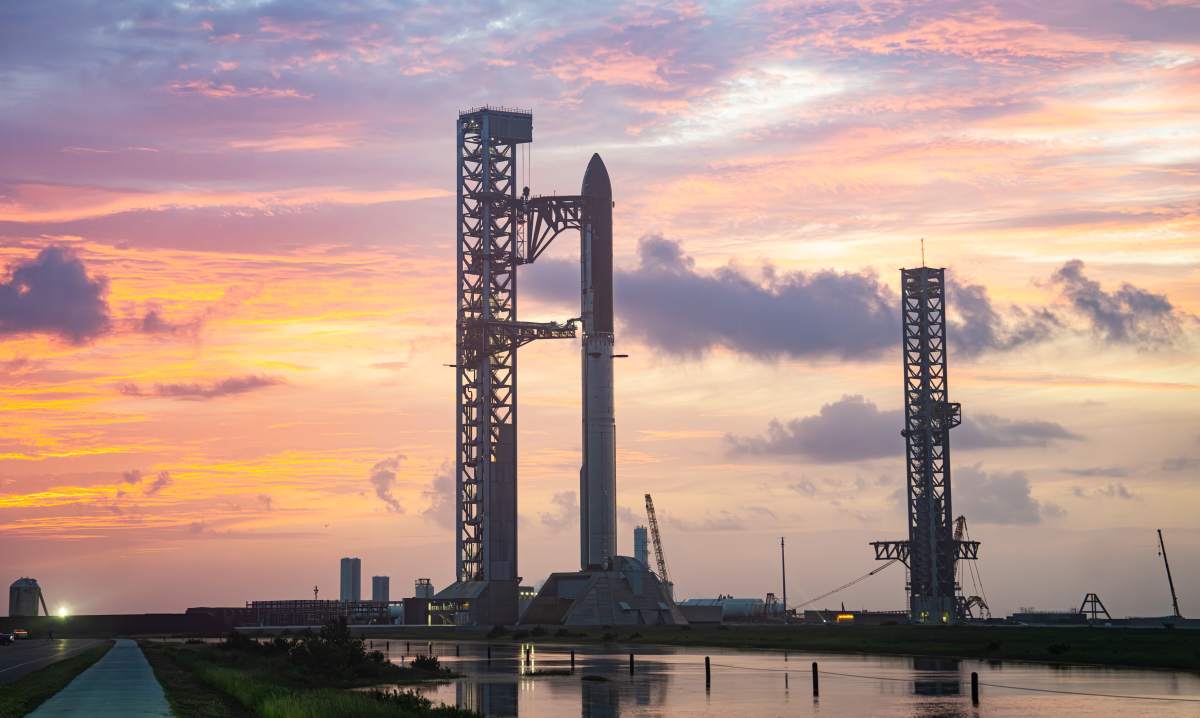
Starlink V3 deployment in operational orbits
Thanks to this orbital profile, the upgraded Starlink V3 satellites will get their first taste of operational trajectories. This is an important step for SpaceX, as well as for the Artemis III mission next year, which will rely on Starlink laser terminals for 4K video transmission. "The significant amount of capacity we're able to add to the Starlink constellation from the V3 satellites will enable us to continue providing even better service—I think it's pretty great already—but to do so while serving more and more customers all over the world," said Shotwell, referring to SpaceX's forays into the connectivity market segment. With Starlink V3 designed to be launched exclusively by Starship, this forms a large objective of what the flagship vehicle can offer the company. Speaking on this, Shotwell said, "In fact, in the years ahead, we expect Starlink will represent a significant portion of global internet traffic, which Elon also talked about."
SpaceX shared a composite view of Starship in space during Flight 13, captured by cameras aboard a Starlink V3 satellite. 6 satellites carried cameras to scan Starship's heat shield, feeding data back to engineers for future flights.
— Starlust (@starlustorg) August 3, 2026
Video Credit: SpaceX pic.twitter.com/KCzloTIILf
What kind of launch cadence is SpaceX targeting?
According to Shotwell, the company is on the "precipice of operationalizing Starship" with Flight 14. Once this is achieved, the company hopes to be able to launch as many as thousands of Starship missions per year. To do so, management identified the need to build Starships and their Raptor engines en masse—something which is being addressed with facilities known as Starfactory and Gigabay at the company's headquarters in Boca Chica.
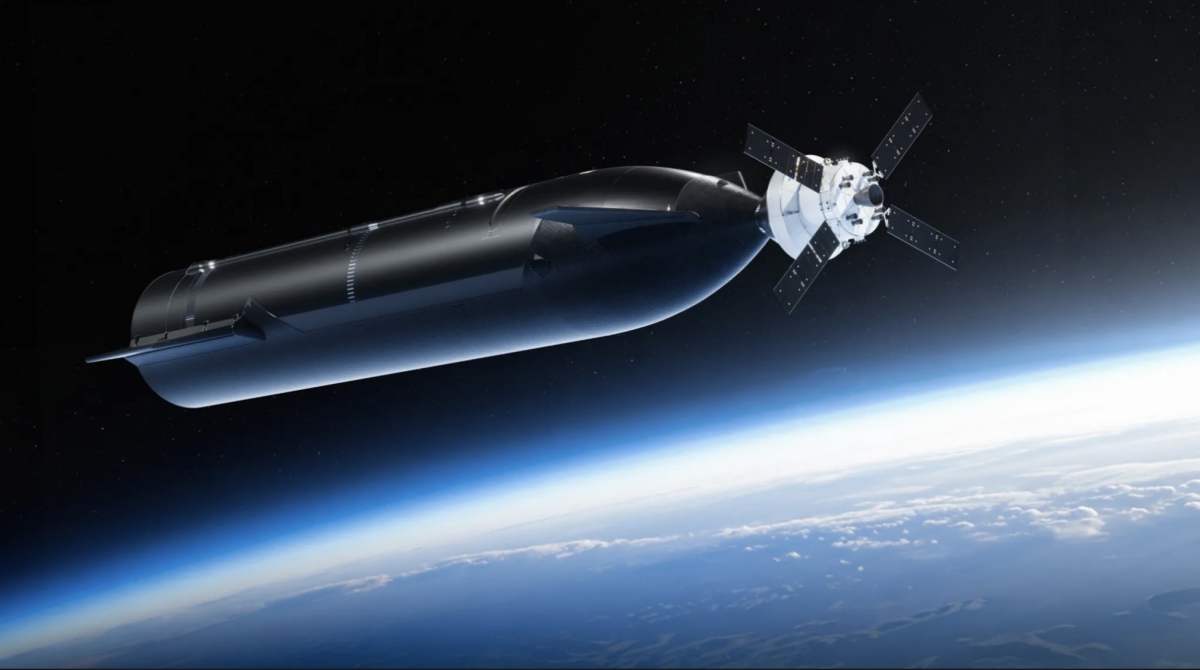
SpaceX eyeing payloads weighing millions of tons
With such frequency, Musk hopes that the company can one day transport over a million tons to space annually. Eventually, the target would become 10 million tons, which is a far cry from the roughly 2,500 tons being sent to space every year by Falcon 9 launches. That said, if any company can measure up to these lofty ambitions, it's SpaceX, given it already sends 80 to 90 percent of all mass sent to orbit by all entities on Earth. Thanks to its partnership with NASA for the latter's Artemis program, SpaceX will also realize its objective of reaching a world other than our own, helping the agency set up its Moon Base. "We are going to land a lot of tonnage on the Moon. We're going to build the factories on the Moon. The robots will be helpful with that. It's like, well, how much intelligence would you like as we grow towards being a Kardashev 2 scale civilization," Musk said.
More on Starlust:
SpaceX rocket debris just crashed into the Moon at 8,700 km/h—here's all you need to know
SpaceX launches next-gen BlueBird satellites aboard Falcon 9 as AST grows its network; watch video