CAPSTONE 02: NASA's new mission to test spacecraft docking in Moon's orbit for Artemis program
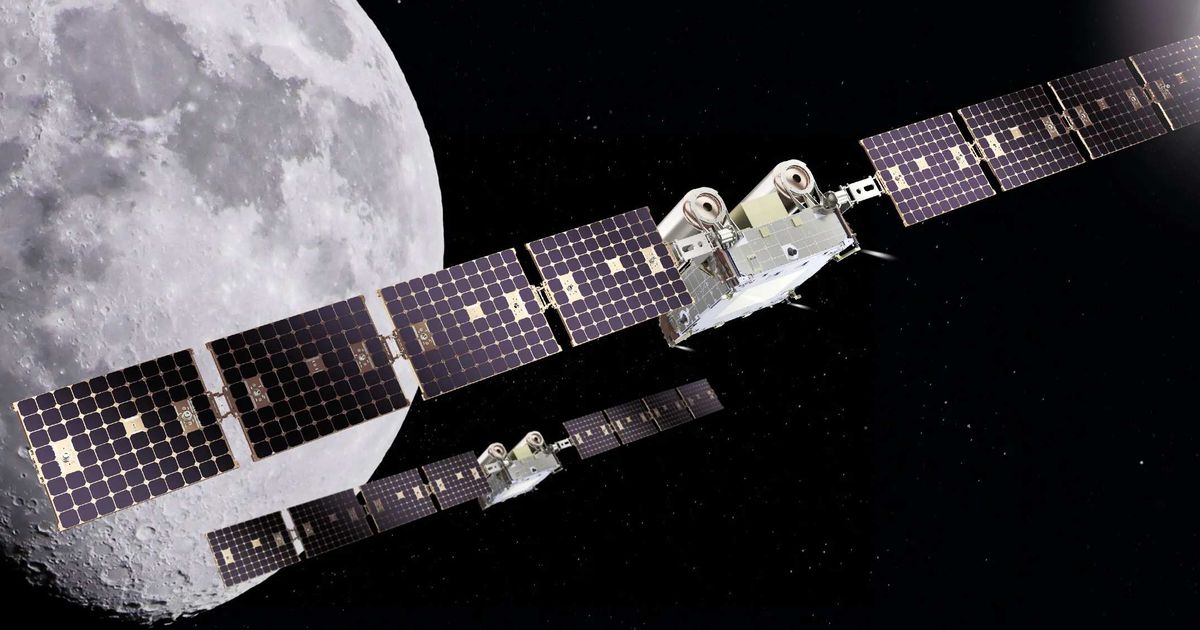
NASA has announced a follow-up to the CAPSTONE mission, which launched to the Moon in June 2022. Named CAPSTONE 02, this endeavor will build on the successes of its predecessor to support spacecraft docking in lunar orbit on future crewed Artemis missions.
Ready for the next step toward a sustained presence at the Moon? 🌕🚀
— NASA Technology (@NASA_Technology) July 27, 2026
NASA's CAPSTONE 02 mission will demonstrate advanced navigation, communications, and rendezvous and proximity operations, to help enable Artemis, Moon Base, and future deep space exploration.
Learn more:… pic.twitter.com/EeOzZwHic8
The mission is currently targeted for launch in 2027 and will employ two satellites to demonstrate rendezvous and proximity operations, autonomous navigation, and cislunar communication capabilities. The duo will also help characterize the radiation environment of the Moon.
Objectives of CAPSTONE 2
NASA says that CAPSTONE 02 intends to validate technologies that will support future lunar exploration and infrastructure development. Short for Cislunar Autonomous Positioning System Technology Operations and Navigation Experiment, CAPSTONE aced its first test four years ago by validating communications, networking, and autonomous navigation capabilities while gathering operational experience in cislunar space using a single satellite. It was also the first US spacecraft to operate in a near-rectilinear halo orbit around the Moon.
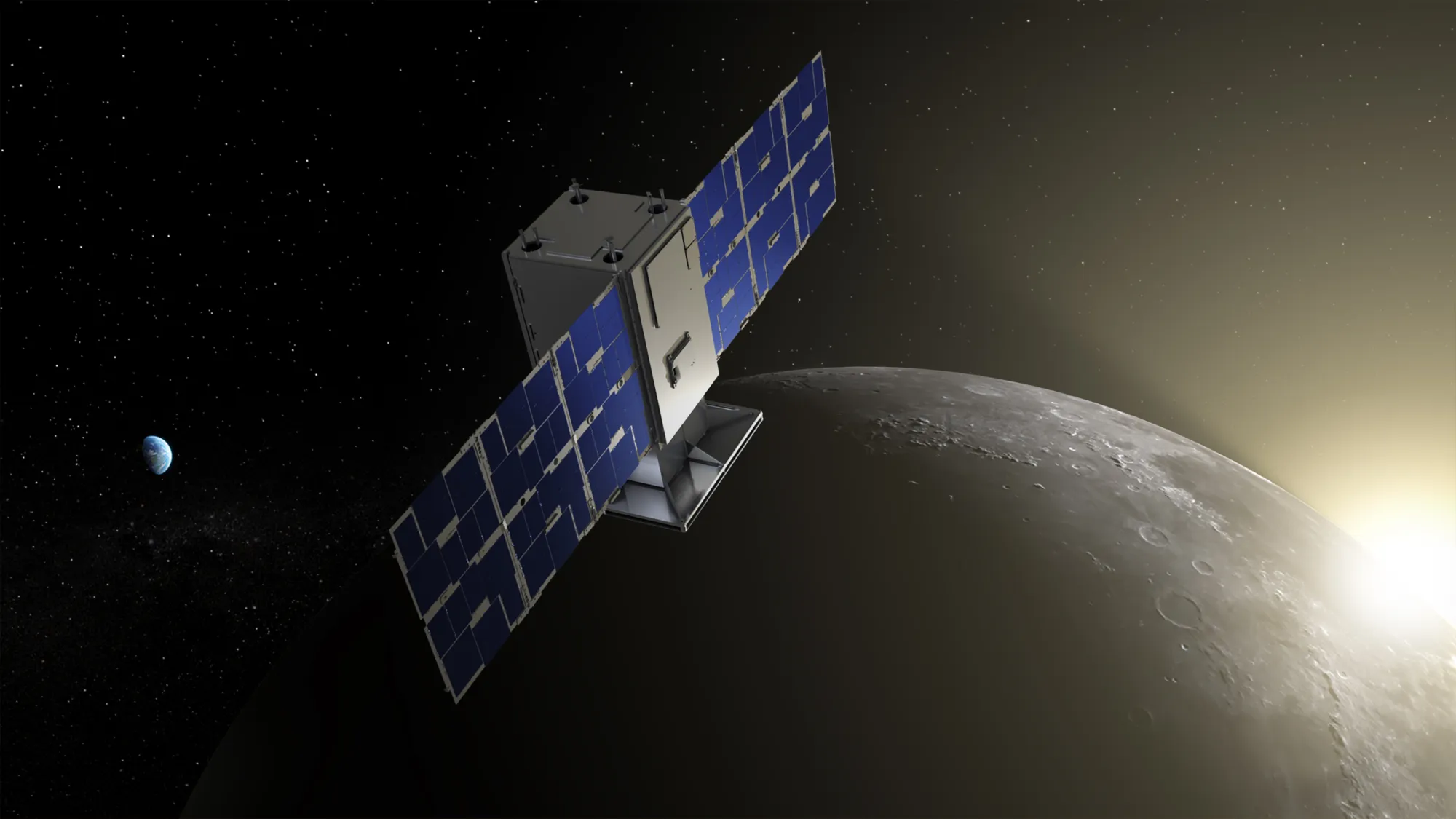
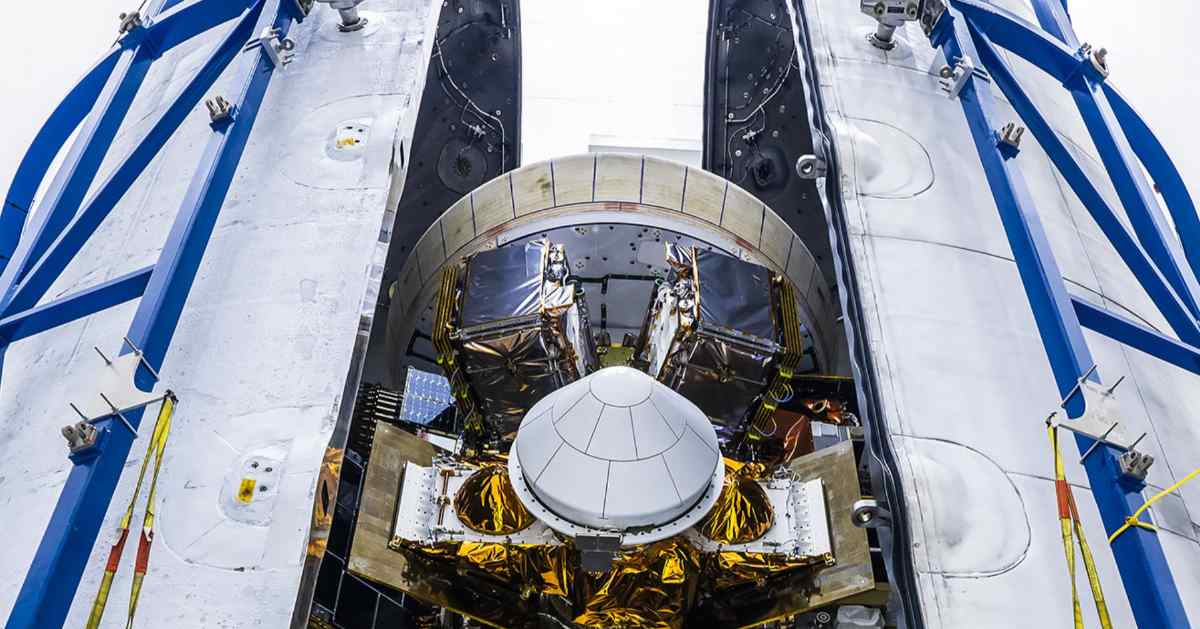
The stakes are higher for CAPSTONE 02, as it will involve two orbiters weighing 400 kilograms (882 pounds) from Terran Orbital Systems, Inc. They will conduct a series of rendezvous and proximity operations and formation flying in lunar orbit to test spacecraft trajectories under the influence of the Moon and Earth. Both satellites will be able to switch between ‘chaser’ and ‘target’ roles to enable a broad range of operational scenarios under different environmental conditions.
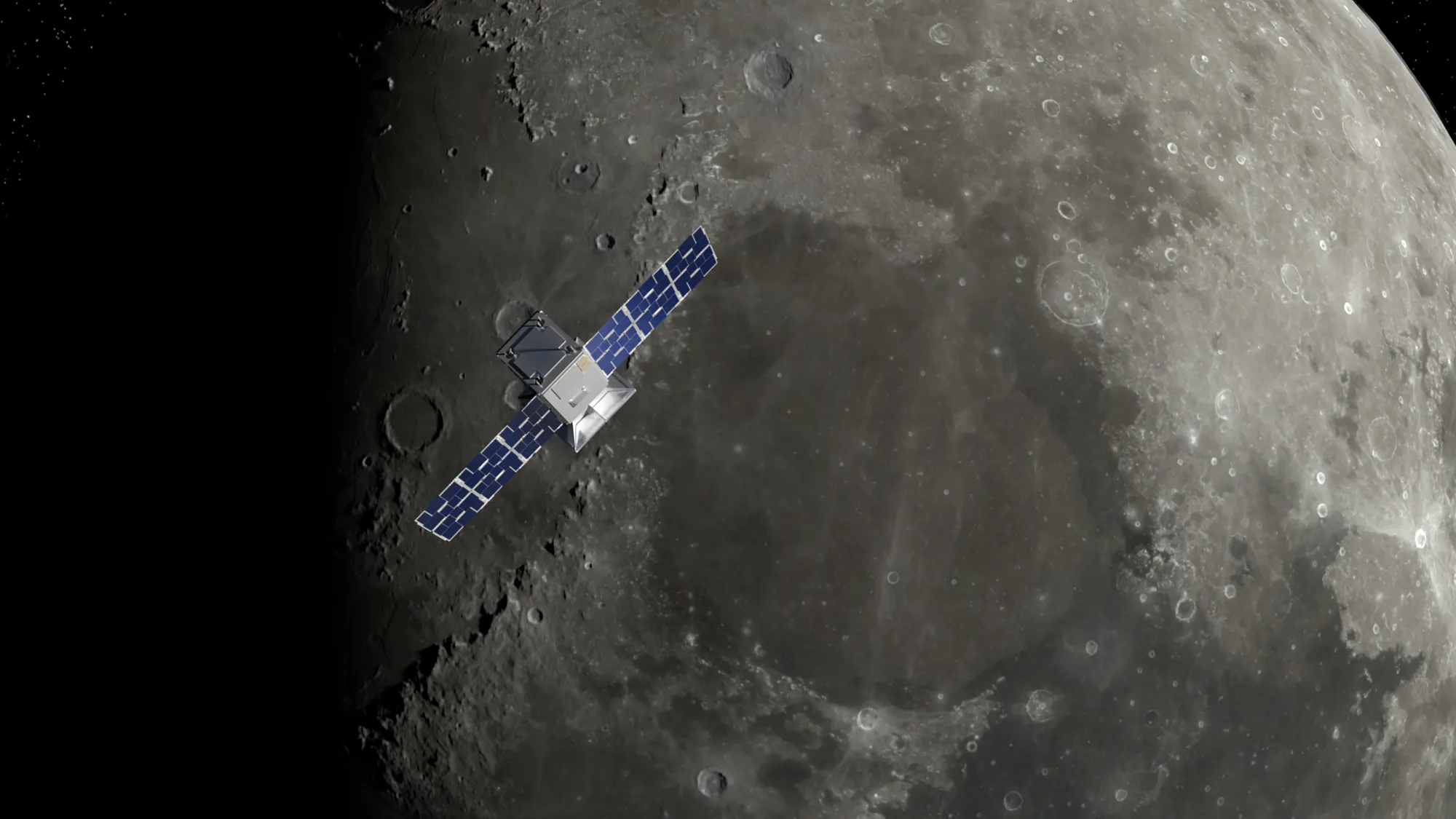
“The CAPSTONE 02 mission will use ground tracking measurements, optical sensors, and celestial bodies to help one spacecraft locate and rendezvous with another,” NASA said in a statement. “The mission will apply navigation strategies similar to those planned for Orion’s approach to a lunar lander in deep space, helping NASA build confidence in these techniques for future exploration.” Additionally, the satellites will also test three NASA-developed software suites and an optical imaging payload from Lawrence Livermore National Laboratory that will ultimately automate routine navigation tasks and reduce reliance on traditional space-to-ground data.
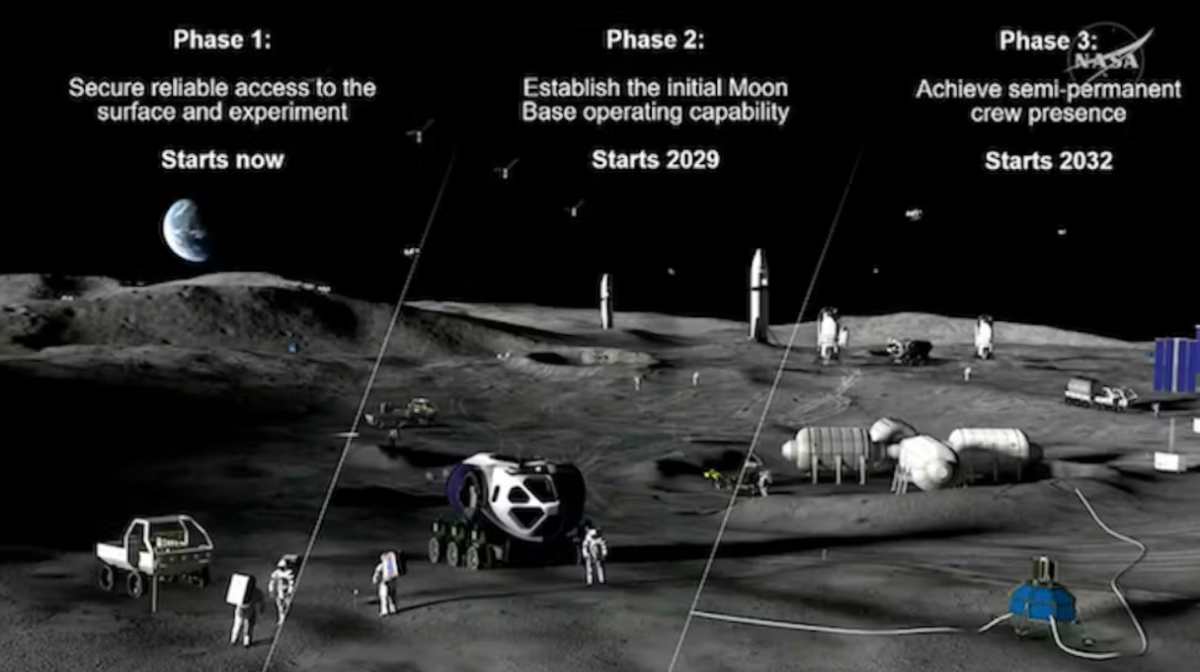
“By expanding on the lessons learned from CAPSTONE to demonstrate increasingly sophisticated operational concepts, CAPSTONE 02 lays the foundation for lunar infrastructure and commercial services that support Artemis, Moon Base, and future missions to deep space,” said Sean Fuller, Moon Base CAPSTONE manager. Meanwhile, NASA is also developing the Artemis III crew mission that will test rendezvous operations in low-Earth orbit. It involves docking the Orion spacecraft with test landers built by SpaceX and Blue Origin. The objective is to reduce risks before a crewed landing on the Moon is attempted with Artemis IV in 2028.
More on Starlust
10 most historic International Space Station commanders — Chris Hadfield, Peggy Whitson and more
Rock samples from the Moon's far side reveal secrets of early Earth and the solar system