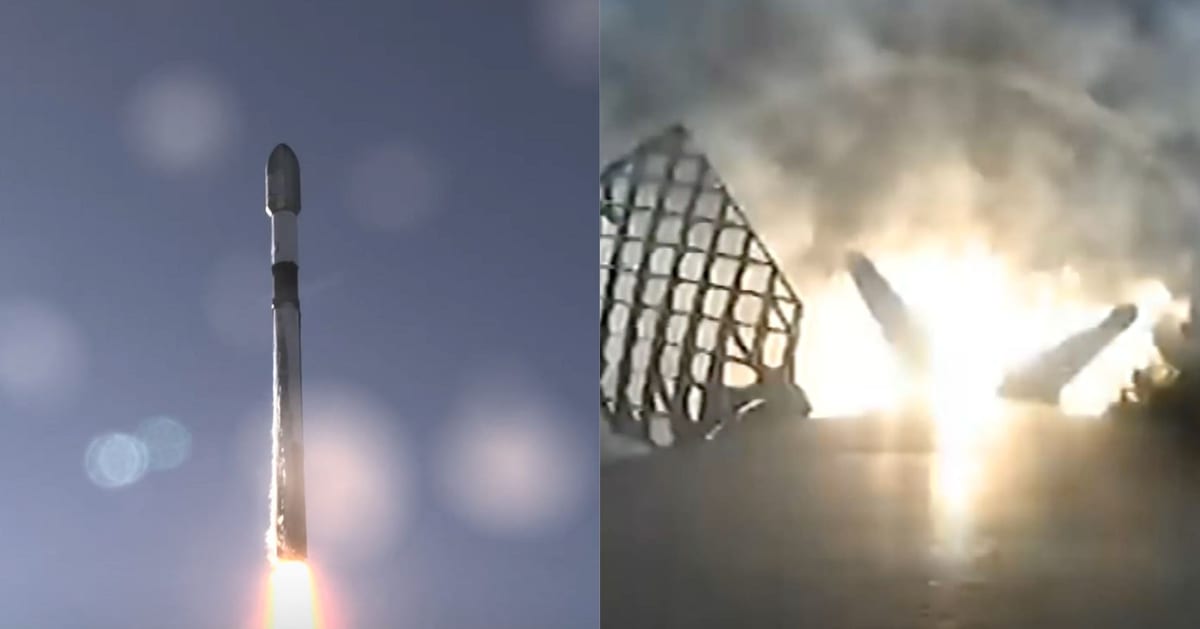
SpaceX will attempt to catch Starship with its tower during the next flight, says CEO Elon Musk
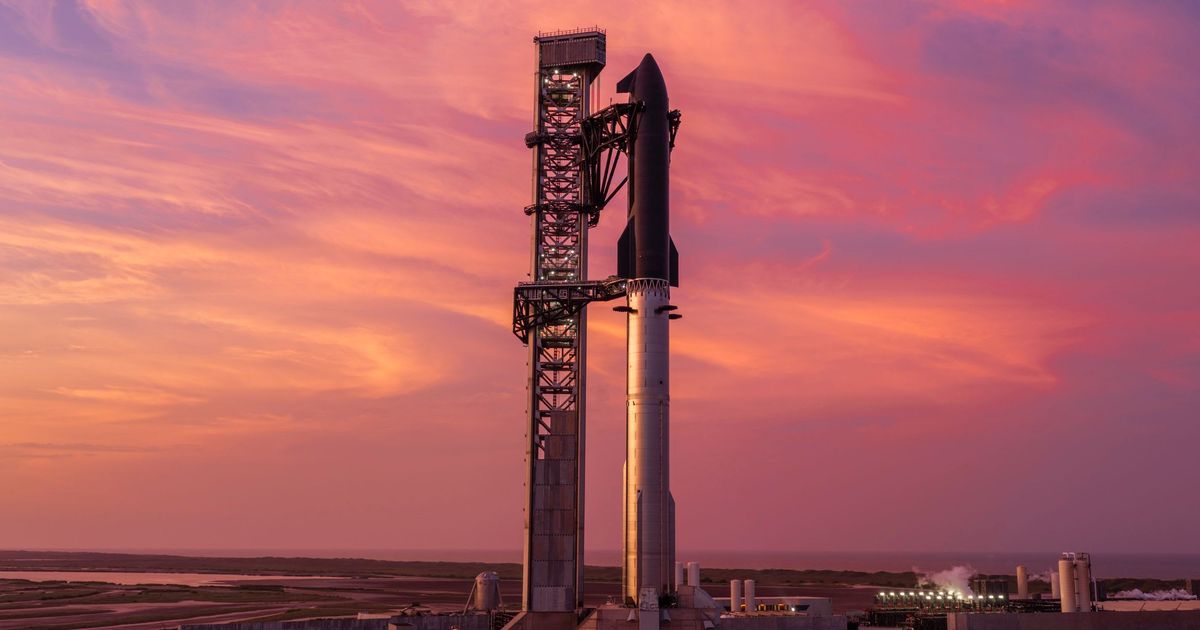
SpaceX CEO and owner Elon Musk has announced that the next flight of Starship, Flight 14, could be a step further in realizing the company's goal of producing a fully reusable heavy-lift launch vehicle. Answering a question on X, Musk replied, "Unless we discover problems after mission data review, SpaceX will attempt to catch the ship with the tower on next flight." This comes in the aftermath of a successful soft landing achieved by Ship 40 at the pre-planned splashdown zone located in the Indian Ocean on July 24, 2026, following an automated launch abort a few days earlier.
Unless we discover problems after mission data review, SpaceX will attempt to catch the ship with the tower on next flight
— Elon Musk (@elonmusk) July 25, 2026
SpaceX has been testing its Starship vehicle since April 2023 over multiple flights that gradually built up improvements until the company came out with version three of the launch vehicle. Starship V3 debuted with Flight 12 in May 2026. However, despite what was largely a successful suborbital flight, a few maneuvers went astray that resulted in an uncontrolled splashdown of the lower stage—known as the Super Heavy booster. Ship 39, the upper stage used for that flight, had also burst into flames upon tipping over into the Indian Ocean.
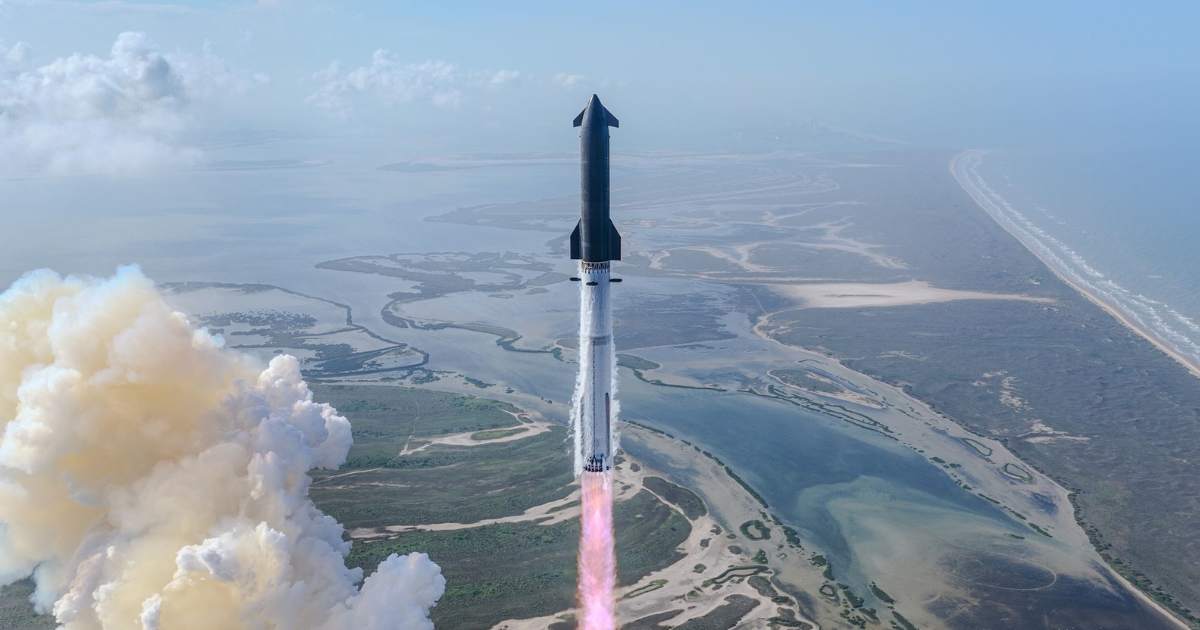
The objective of Flight 13 had been much the same as Flight 12, apart from the 20 Starlink simulators being replaced by operational Starlink V3 satellites, which were also deployed on a suborbital trajectory. To ensure the flight would go as planned, SpaceX had implemented changes to allow the Raptor engines powering both Starship and Super Heavy to ignite on time and when needed. However, the issues controlling the rate of descent as the booster returned to the Gulf of Mexico have remained, due to some Raptor engines failing to light for a landing burn. The Starship vehicle performed as designed on the other hand, and because it tipped over in the ocean softly, it remained intact and allowed teams to get a good look at its heat shield as well.
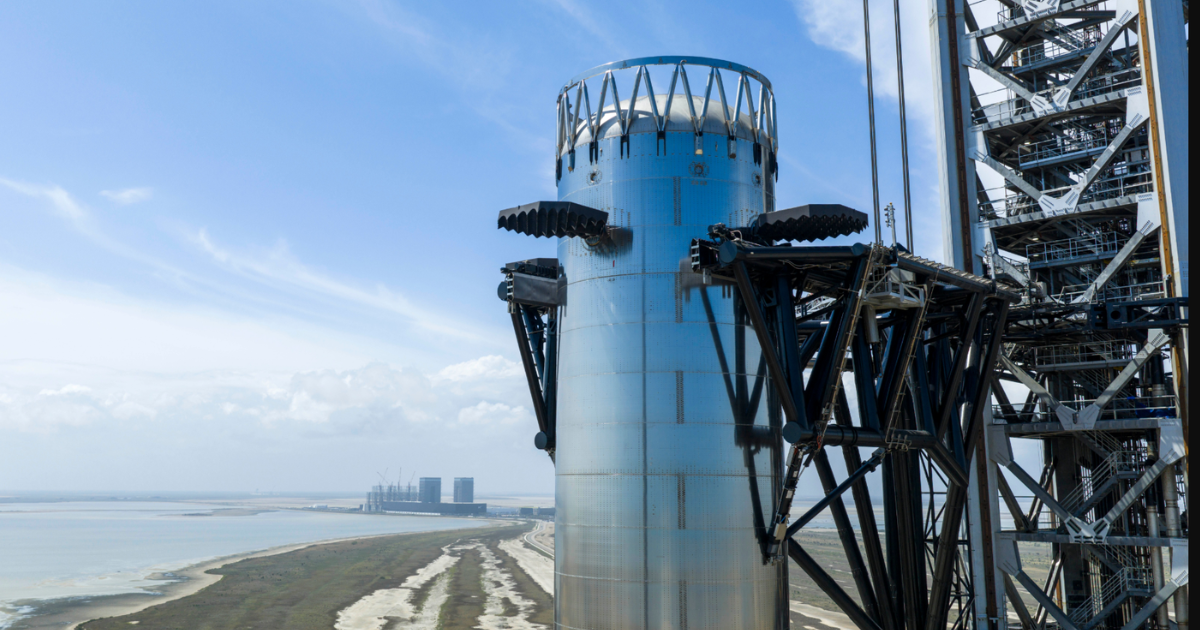
These successes of Flight 13 have meant that SpaceX can contemplate taking the next steps in reaching the objectives the 408-foot launch vehicle was always meant to accomplish. Starship had been conceived to be an entirely reusable vehicle, with SpaceX building an entirely new launchpad at Starbase in Texas. Pad 2 saw its debut with Flight 12, and features one of the tallest launch towers in the world which can catch both Starship and Super Heavy. Its 'chopsticks' were built shorter in length than previous designs, which is said to let them swing faster to catch Starship. SpaceX had revealed that the main actuators had been changed from hydraulic to electro-mechanical so as to increase speed, redundancy, and reliability of the catching mechanisms.
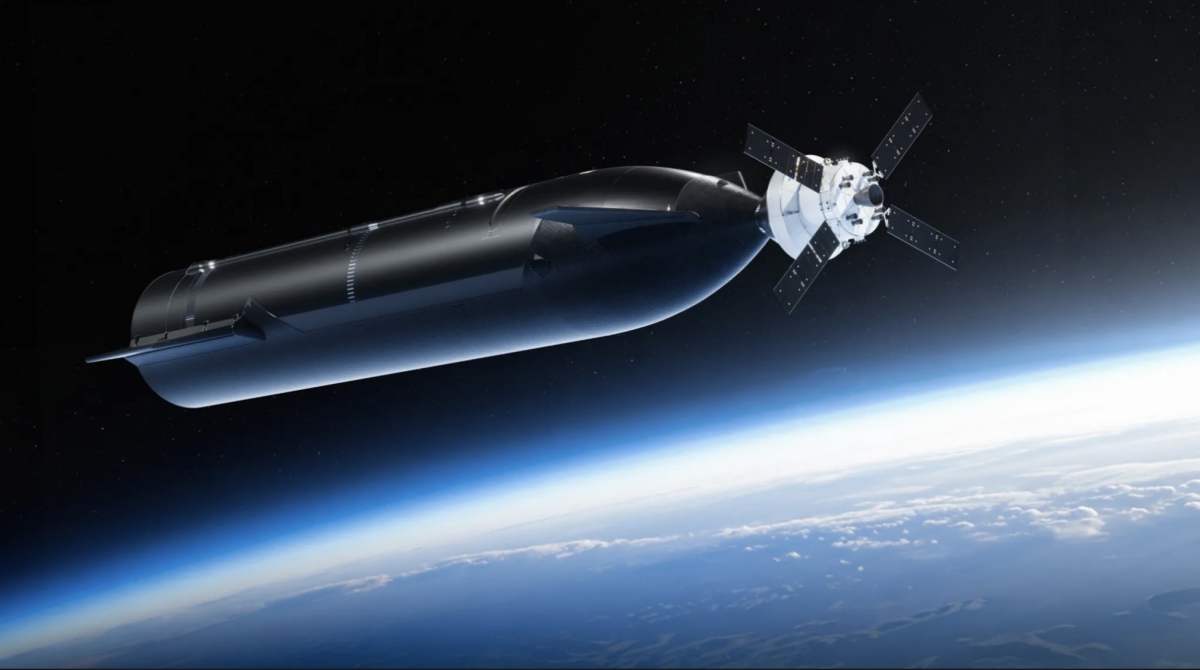
The company's COO, Gwynne Shotwell, had earlier announced the company's intentions to have every flight of Starship occur on a monthly basis. This would allow SpaceX to achieve orbital flights by the end of this year with Starship, which was conceived to serve as an interplanetary spacecraft that can one day carry large amounts of cargo and humans to Mars. However, at the moment SpaceX is currently looking to ensure that it can refine the flight dynamics of Starship closer to home in Earth orbit, with NASA's Artemis III to follow next year. This mission will require SpaceX to build and deliver a Human Landing System test article for rendezvous with the agency's Orion capsule, with an eye on future crewed landings on the surface of the Moon.
More on Starlust:
How SpaceX's Starlink will give you a front row seat to NASA's Artemis III mission
NASA reveals finer details of how Artemis III's design will shape future crewed lunar missions