All about NASA’s Space Shuttle: Was the reusable spaceplane actually a success?
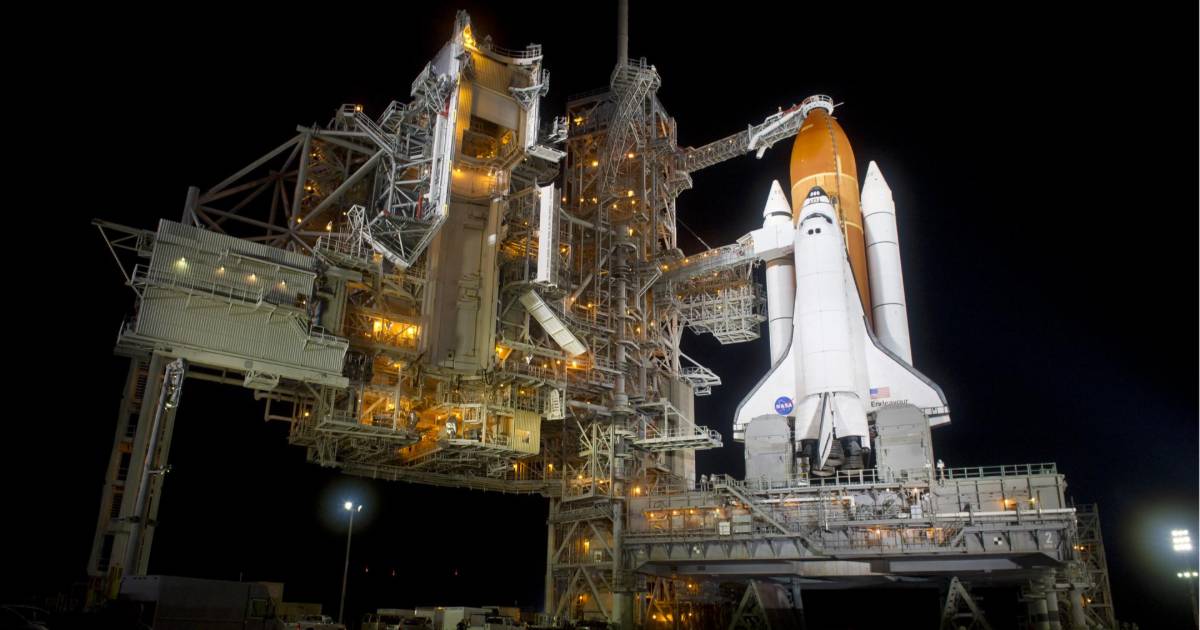
The Space Shuttle was a technological marvel of its time. Being the first-ever reusable spacecraft that carried people to space, it helped astronauts perform studies that advanced what humanity knew about living and working in space. Its legacy in spaceflight has endured long after its final flight took place in July 2011, with the likes of the Hubble Space Telescope and various modules of the International Space Station having been deployed by it in low Earth orbit. The Shuttle fleet consisted of six orbiters, which were named Enterprise, Columbia, Challenger, Discovery, Atlantis, and Endeavour. During the 30 years the Shuttle remained operational, a total of 135 missions took place. While a vast majority of these flights were successful, two disasters involving Columbia and Challenger shook the world of spaceflight to the core and drew significant criticism of the way NASA managed the program as a whole. In an exclusive interview with Starlust.org, Professor Dineshkumar Harursampath of Aerospace Engineering & Head, NMCAD Lab, Indian Institute of Science, Bengaluru, explains the nuances of managing the Space Shuttle program. Dr. Harursampath is also the co-author of the study 'Materials used in space shuttle: Evolution, challenges, and future prospects—An overview.'
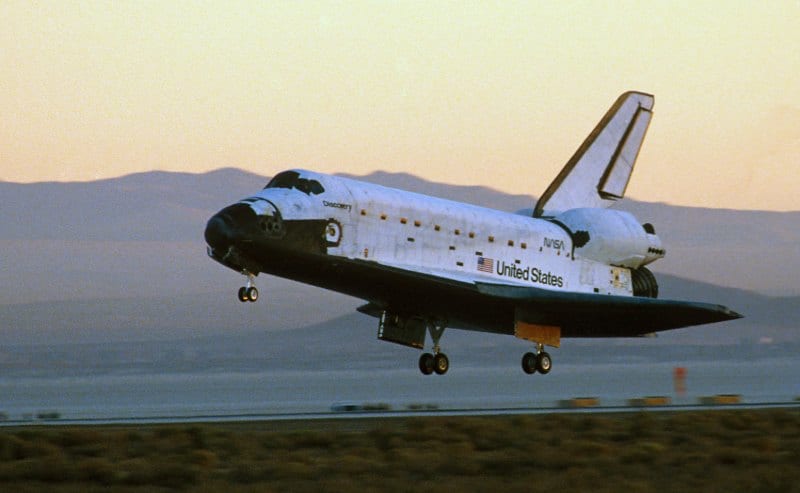
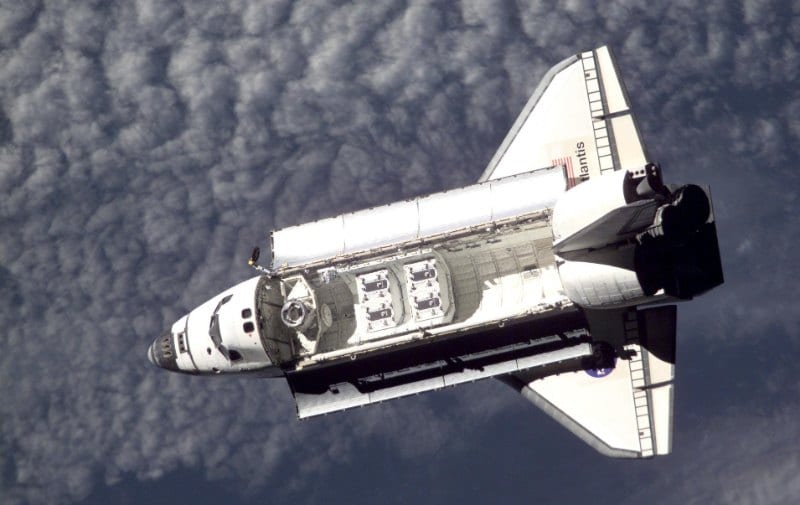
At launch, a Shuttle orbiter was joined with a large external tank and two solid rocket boosters (SRBs). The SRBs fired for roughly the first two minutes of the flight, providing most of the thrust during the period, after which they were jettisoned. The three main engines (now called RS-25 engines under the Artemis program), meanwhile, continued to operate for about 8.5 minutes after launch using fuel from the external tank. All of the components of this transport system were reused except for the external tank, which used to burn up during re-entry. While in space, each orbiter would open its doors to its enormous payload bay and had the capability to dock with the ISS after the latter's initial build. Once its mission was over, the orbiter returned to Earth and landed like an airplane after a fiery re-entry through the atmosphere. With each Shuttle mission spanning different environments, its materials were specially designed to withstand temperatures as high as 1600 degrees Celsius and as low as minus 253 degrees Celsius. Not to mention, they had to be light as well. With regard to the engineering that went into building the Space Shuttle, Harursampath stated that the Shuttle's rich materials heritage was highly relevant to contemporary developments in spaceflight, which prompted the team of researchers to study the subject. "The motivation was to extract knowledge useful to present and future spacecraft designers," Dr. Harursampath stated.
Challenger and Columbia disasters
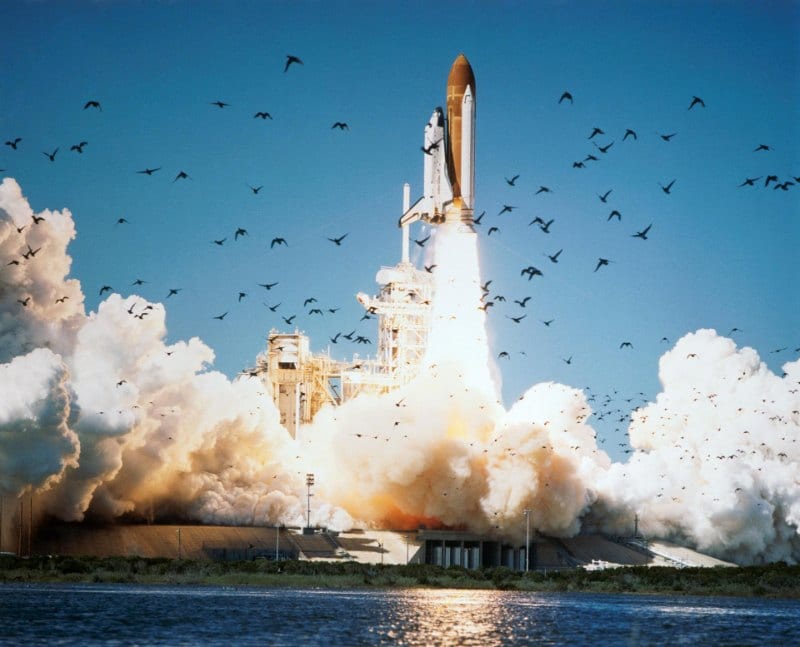
The source of the Challenger (STS-51L) explosion was traced to the O-rings—tiny rubber parts that formed the seal between sections of the two SRBs. On the fateful day of January 28, 1986, temperatures were close to freezing at the Kennedy Space Center. This meant the O-rings could become too rigid to establish a proper seal. And they did. During ignition, pressure caused failure of the O-rings at the right SRB's aft field joint to contain the combustion gases. 73 seconds into the flight, the leak triggered a chain of events that caused Challenger to explode—killing all seven crew members on board. In the aftermath of the disaster, then U.S. President Ronald Reagan constituted the Rogers Commission to get to the root cause of the accident. Eventually, deficiencies were found in communication and decision-making. About 12 hours before the launch, engineers from Morton Thiokol—the company that built the SRBs—had shared their concerns about the cold temperatures and their possible impact on the O-rings. Icicles were also found to have covered the launch structure during an early morning inspection. But NASA decided to go ahead with the launch despite the red flags.
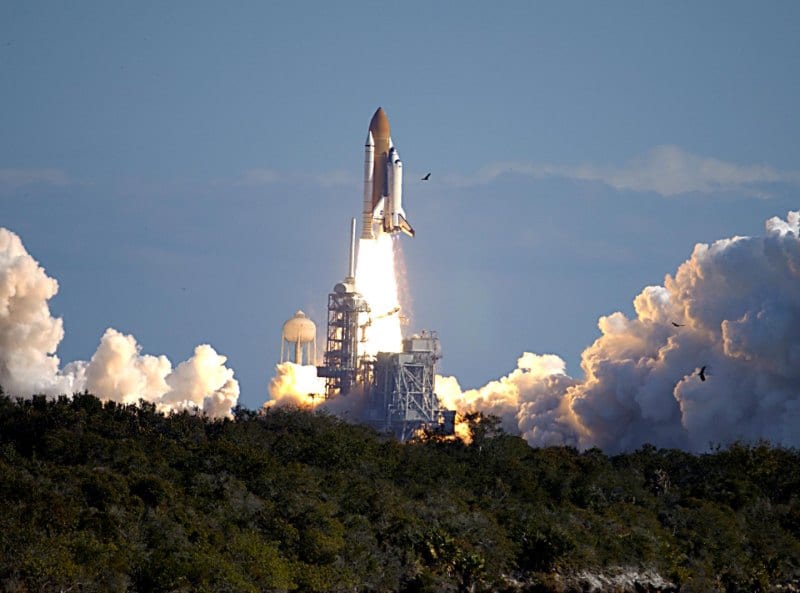
Well over a decade and a half later, the Columbia orbiter was poised for launch on January 16, 2003, for the STS-107 mission. Right after lift-off, a piece of foam insulation shed from the external tank struck the left wing of the orbiter. While the mission continued as usual, in this instance, catastrophe lay ahead. Investigations later showed that the wing's heat shield had sustained a breach that allowed hot gases to enter during re-entry on 1 February 2003. This damaged the internal structures of the orbiter, and it disintegrated over Texas, ultimately leading to the loss of the seven astronauts on board. The Columbia Accident Investigation Board later pointed to deficiencies in how damage was assessed and questioned the organizational practices in place at NASA that allowed such a tragedy to transpire.
Cost and safety considerations
The Shuttle program, when it was conceived, promised a future where regular flights to space would become the norm. Because the Space Shuttle was a reusable spacecraft, NASA felt it could make several launches every year after refurbishing the orbiters at the end of each flight. Moreover, the external tank was the only component that was expended after the flights, with the SRBs parachuting into the ocean to be recovered and reused. However, early on into the program, the agency found out that the refurbishment of each orbiter would incur more time and money than estimated. This put pressure on mission management to deviate from stringent safety protocols so as to fly as often as possible. "The broader lesson is that uncertainty about a safety-critical mechanism must remain visible to the people authorizing flight," stated Dr. Harursampath. The aforementioned issue with the O-rings of the SRBs had not been new, with earlier Shuttle flights also showing erosion that ought to have intensified investigation in advance.
Could NASA be making the same mistakes with Artemis?
While there are some substantial differences in the architecture of the spacecraft and rockets involved as well as the mission demands, Dr. Harursampath acknowledged that there are some parallels between the two space programs. Encouragingly, the Artemis heat-shield investigation provided a particularly relevant materials example of how thorough NASA has been thus far in terms of safety during crewed missions. Last month, NASA reported that the thermal protection of the Artemis II Orion capsule performed as expected after the agency had modified the re-entry trajectory. As a result, a lot less cracking of Orion's heat shield and char loss was reported. That said, ambitious objectives and schedule commitments could put a strain on management of resources that are part of other mission components and introduce complications in the agency's relationships with its contractors. This can create pressure in any major aerospace program and undermine the authority of technical teams. The Aerospace Safety Advisory Panel’s 2025 annual report has already highlighted some of these interconnected issues, which have elicited responses and countermeasures from top brass at NASA. It was in the aftermath of this report that NASA opted to revisit its Artemis plans and introduced Artemis III as a test mission in low Earth orbit. This also pushed Artemis IV—the first mission to land on the Moon with humans after over half a century—to 2028.
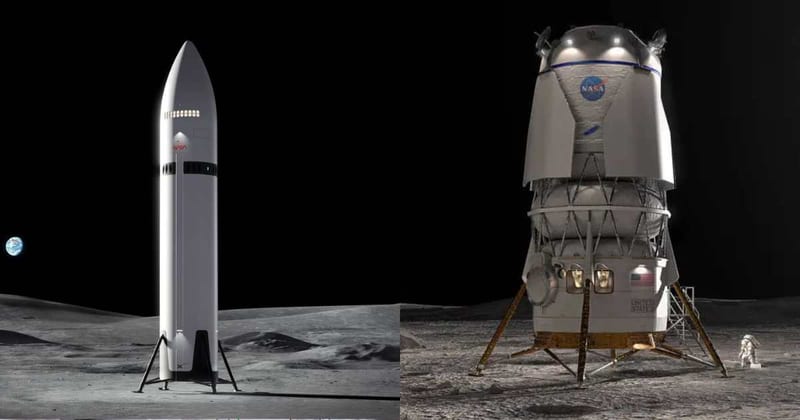
Having said that, gaps in safety testing and crew-survival analyses still exist in the public eye. The above-mentioned ASAP report was damning in its criticism of the Human Landing System designs opted for by NASA, which are being supplied by SpaceX and Blue Origin. With regard to the landing of the six-to-one height-to-width ratio Starship HLS by SpaceX on the uneven lunar surface at the dimly lit south pole, the report labelled the design choice "questionable at best." At the time of the assessment, the report was also critical of the lack of NASA's capability to rescue a crew member stranded on the lunar surface. The agency will undoubtedly try to mitigate as many risks as possible, and its experience with the Shuttle program will certainly be helpful. This is not just because of the many achievements of the Shuttle—which are still being harnessed across various fields related to space science—but also because of the failures. "Its achievements and the loss of its crews together make it an enduring responsibility to study both what worked and what failed," reflected Dr. Harursampath.
More on Starlust
NASA safety panel asks agency to re-examine Artemis IV Moon landing plan
Build, buy or outsource? NASA recalibrates its acquisition strategy in the 2025 safety report