SpaceX Falcon 9 rocket debris to crash into the Moon tonight—can you see it from the U.S.?
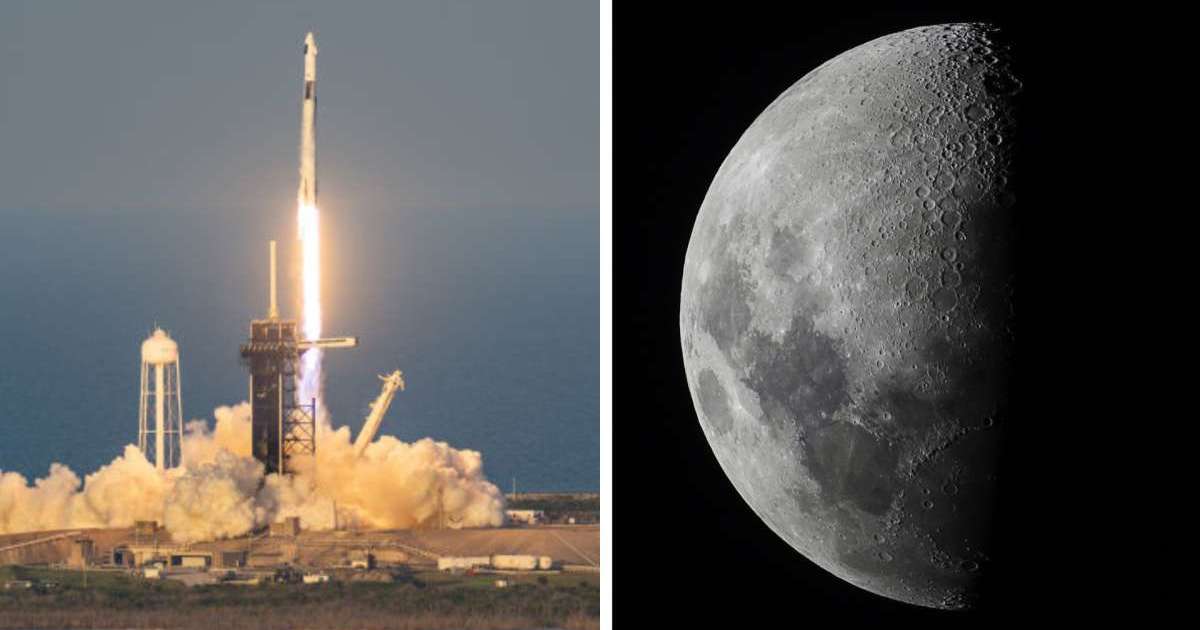
Just a few hours from now, a massive part of SpaceX’s Falcon 9 rocket will impact the Moon. According to researchers, who have been tracking the spent stage, the impact will occur at 2:35 am EDT (6:35 am UTC) on August 5 on the Moon’s western limb, near the Einstein Crater on the near side, which faces Earth.
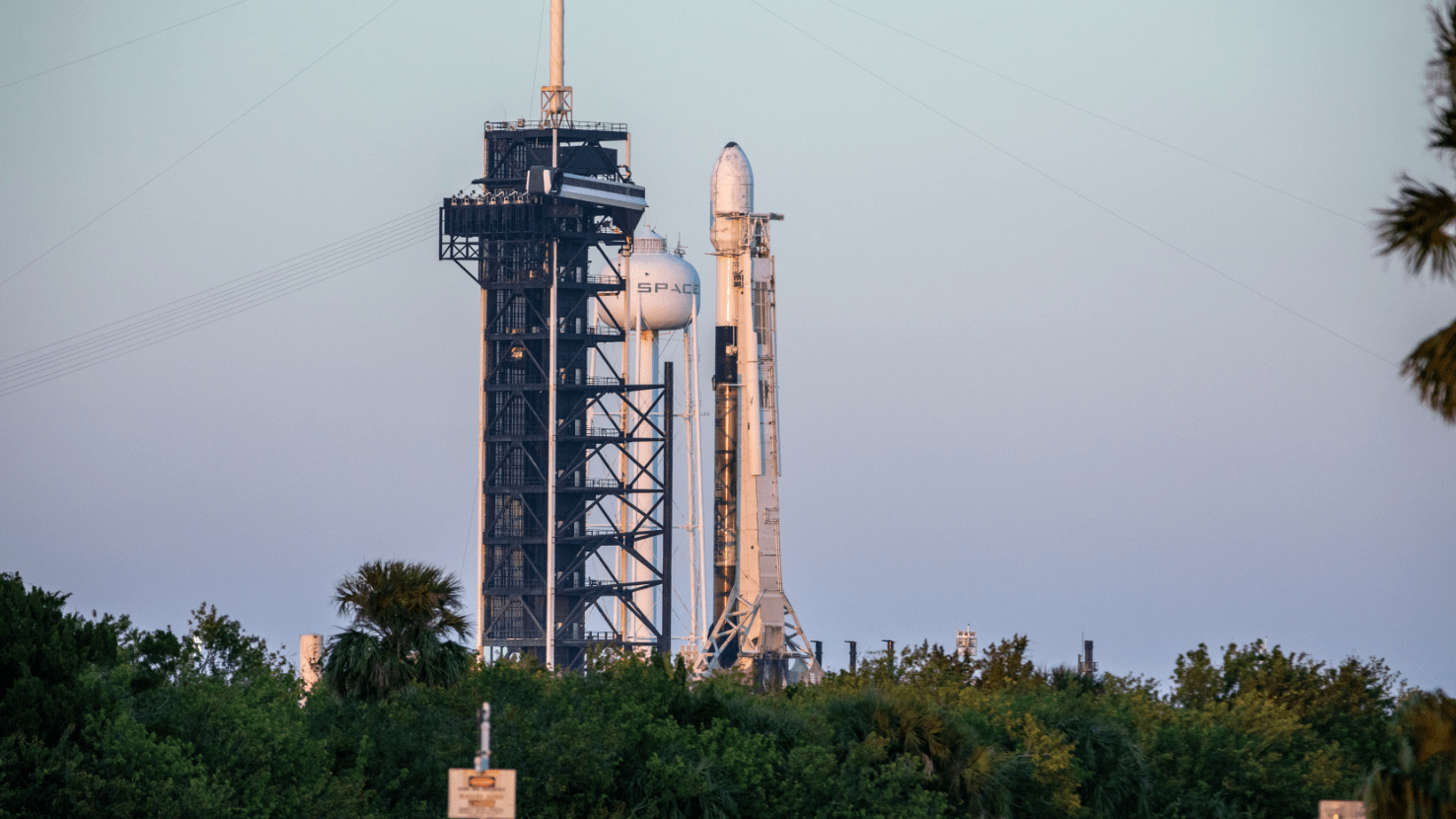
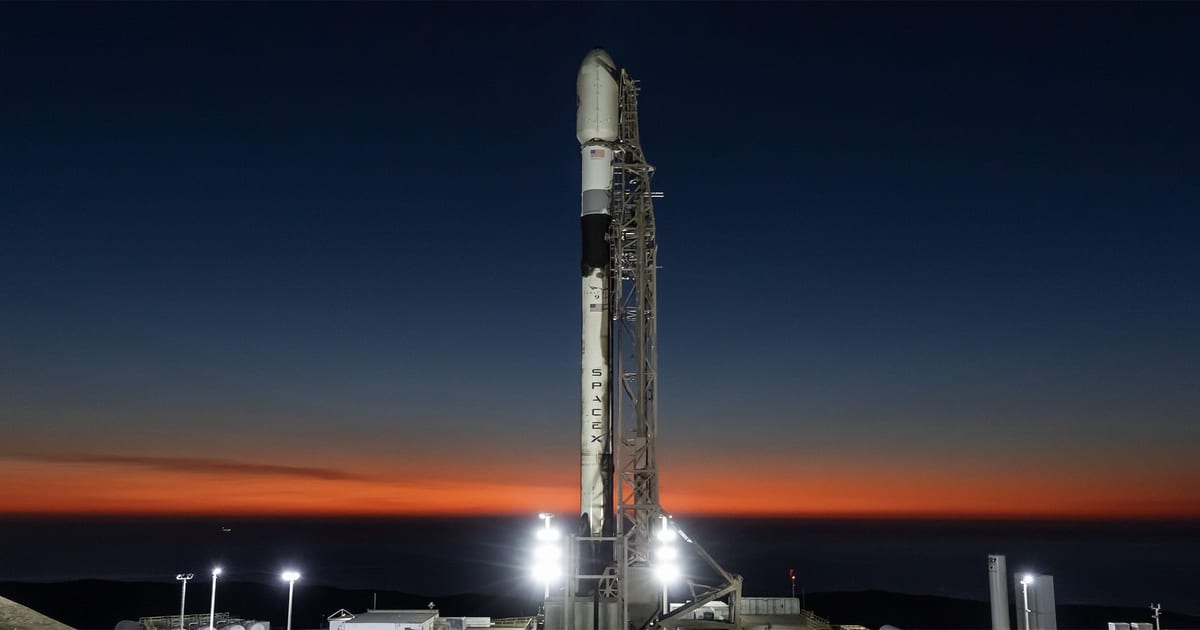
This rocket part measures about 45-foot-long (13.8 meters) and weighs 8,000 pounds (4,000 kilograms), and it has been lingering in an unstable orbit since January 2025. The impact, scientists say, will create a flash and blast out approximately 1.1 million kg (2.4 million pounds) of surface material. It may also create a crater 20–30 meters (66–98 feet) wide.
Can you see the impact from the US?
Viewing the ejecta plume—dust rising from the surface after collision—will be easier to spot than the impact flash. Because the impact occurs on the sunlit side of the Waning Gibbous Moon, the bright lunar surface will completely wash out the initial flash. However, the debris plume will be blasted high enough above the lunar horizon to stand out against the blackness of space. In a paper available on the arXiv preprint server, scientists have estimated that the rocket stage will slam into the lunar surface at about 8,750 kilometers per hour (5,400 mph), blasting rocks and dust several miles into space. The plume is expected to last several minutes, as opposed to the flash, which will last less than a second.
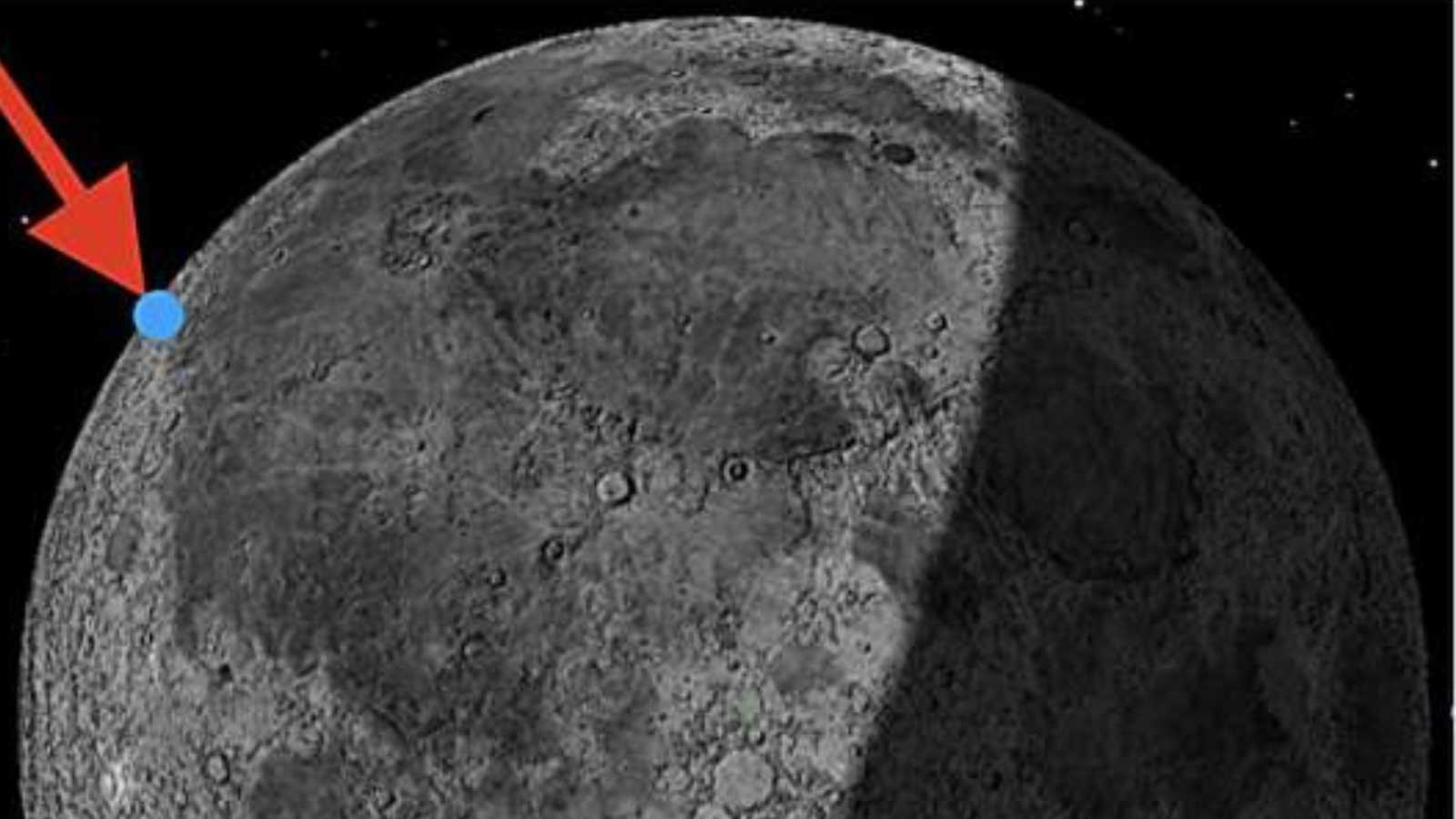
In the paper, they wrote that viewing conditions will favour observers in North America away from the West Coast. Along the East Coast, viewers will have a relatively low viewing angle, as the Moon will be about 40 degrees above the southeastern horizon. Using a telescope is also advised, as the flash and plume will be too faint for binoculars and the naked eye.
Where did the debris come from?
The Falcon stage belongs to the rocket that launched two private Moon landers by Firefly Aerospace and ispace on January 15, 2025. After successfully sending the landers on their lunar journey, the stage was left spent, lacking the fuel necessary for a controlled deorbit into Earth's atmosphere. Instead, it was subjected to the gravitational tug-of-war of the Earth-Moon system and solar radiation pressure, trapping it in an unstable orbit that now ends on the Moon’s surface.
Unique opportunity for observation
The authors of the aforementioned paper say that the event presents a unique opportunity to study a lunar impact in real-time and assess threats posed by space debris. Follow-up observations could also reveal more about the excavation and formation of craters due to such crashes, which may ultimately help develop methods to save crewed and robotic missions on the Moon.
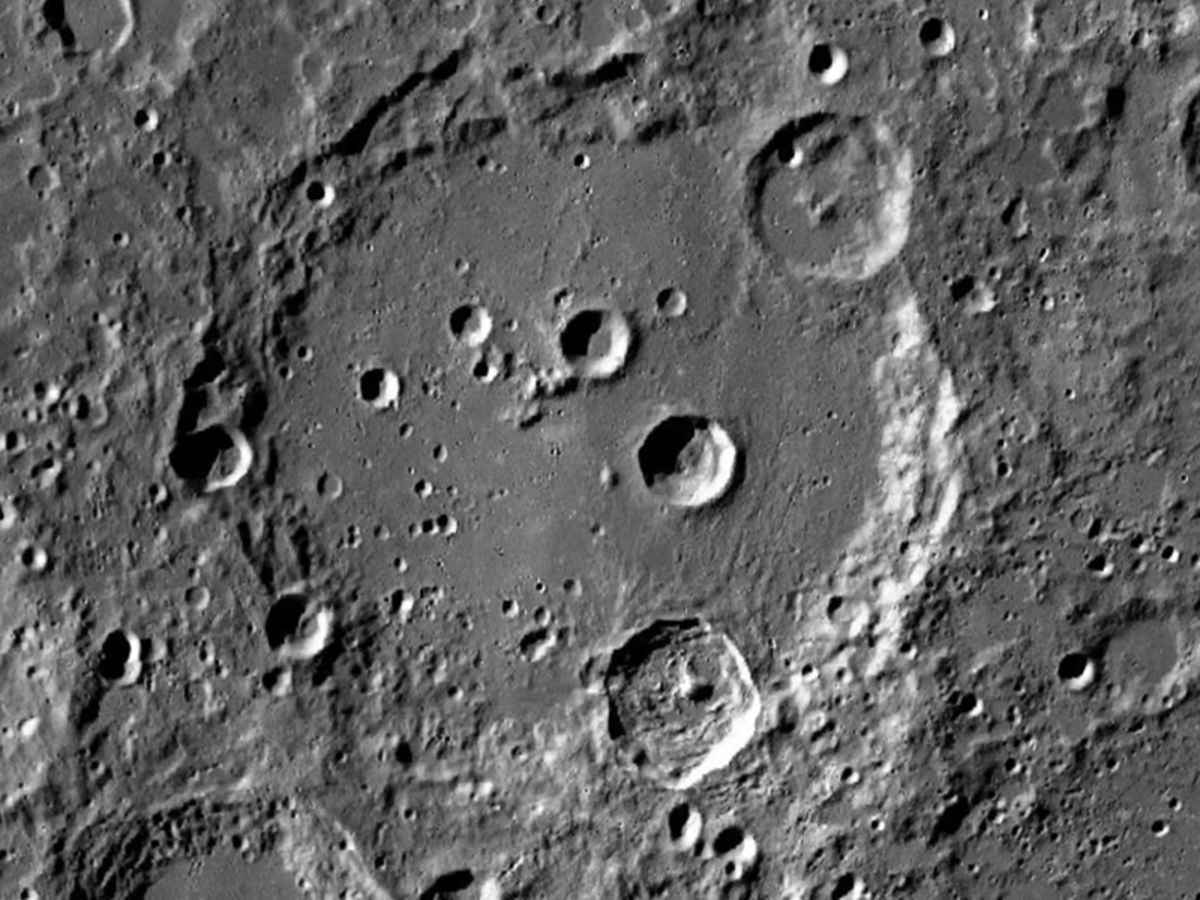
NASA’s Lunar Reconnaissance Orbiter (LRO) will reportedly collect the before-and-after imagery of the crash site, along with South Korea’s Danuri orbiter, from different vantage points. This will help scientists study the crater and compare it to natural ones.
More on Starlust:
SpaceX's Falcon 9 launches world's first commercially built nuclear-powered satellite