SpaceX launches Starship Flight 15: Booster catch called off, history still on the cards
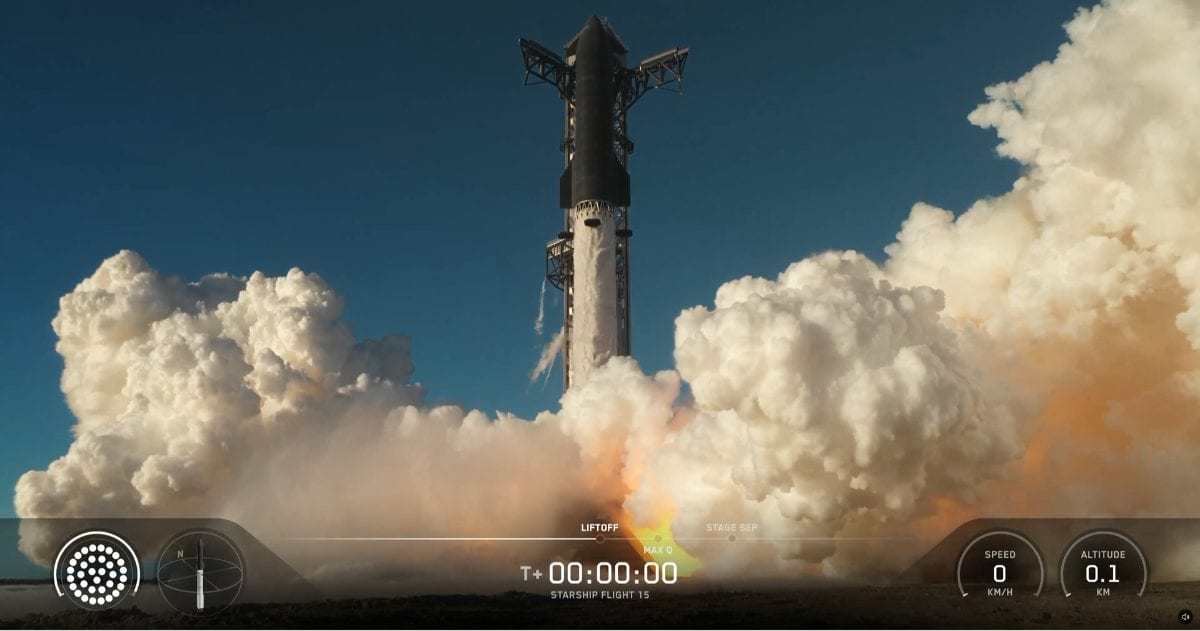
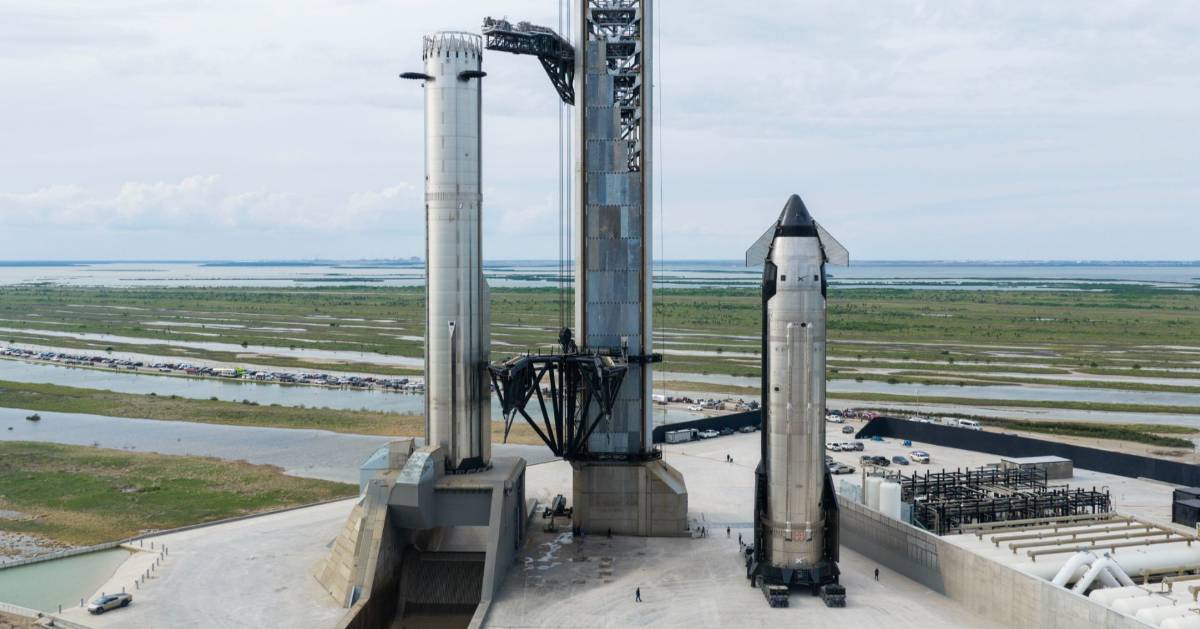
Starship Flight 15 is up and running (flying) but is not going to be as historic as it could have been. SpaceX launched the 407-foot mega rocket at 4:47 p.m. CST today, November 13, but had to abort the catch maneuver for the Super Heavy booster (Booster 22). That said, Ship 42 is still on track to be the first Starship upper stage to be caught by the "chopstick" arms at SpaceX's launch tower at Starbase, Texas.
Super Heavy has diverted to an offshore splashdown in the Gulf https://t.co/1M2xn7NYJA
— SpaceX (@SpaceX) November 13, 2026
Instead of catching Booster 22 at the launch tower, SpaceX decided to divert it to an offshore landing spot in the Gulf of America. There has been no concrete update yet as to why the maneuver was called off, but had things gone according to plan, it would've marked the first-ever Starship V3 booster catch.
Starship performs its orbital insertion burn and enters orbit of Earth for the second time https://t.co/U8tAqw0yHz
— SpaceX (@SpaceX) November 13, 2026
Ship 42, on the other hand, has had a perfect flight until now. It managed to ignite all six of its Raptor engines during stage separation and was given the 'go' for orbital insertion burn. At the time of writing, it is cruising at an approximate altitude of 275 km (170 miles) above Earth and has already deployed all 26 of the Starlink V3 satellites it was carrying. What's perhaps even more exciting is that it can still become the first-ever Starship upper stage to be recovered at the launch site.
Payload deploy complete. All 26 @Starlink V3 satellites are in orbit https://t.co/y2ffFifGdo
— SpaceX (@SpaceX) November 14, 2026
SpaceX, of course, is going to be extremely conservative in deciding whether to go ahead with the maneuver. Three checkpoints have been built into the orbital flight to ensure that Ship 42 can be deorbited at precleared locations near Hawaii and off the coast of Chile if SpaceX identifies any issues that may make the catch maneuver unsafe. These issues include "Raptor engine health, loss of power or communications, the health of the flight computers and navigation sensors, the structural integrity of the propellant tanks and feedlines, the ability to hold tank pressure, and Starship’s ability to control its attitude," SpaceX said in its reentry description. Ship 42 is, in fact, already past the first of its two return checkpoints near Hawaii, with the next checkpoint scheduled about 7 hours and 15 minutes into the flight. If no issues are identified near the final two return checks, Ship 42 will return to the launchpad at Starbase after completing 14 orbits of Earth during the approximately 22-hour-long flight.
Starship is now in a long coast phase around Earth. Teams will monitor Starship’s systems over the next ~21 hours that we intend to be in orbit for. We do have a few early deorbit options available should we need them, but all systems are looking good right now
— SpaceX (@SpaceX) November 14, 2026
In that case, Ship 42 will reenter Earth's atmosphere at a specific point over the Pacific Ocean. During this phase, it will be able to alter its trajectory using its four control flaps in order to fly over sparsely populated areas of northern Mexico and southern Texas, while making its way to Starbase. SpaceX has said that when Ship 42 makes its final turn towards the launch site over the Gulf of America, residents of Cameron County and those in the nearby areas may hear one or more sonic booms, depending on weather and other conditions. Booster 22 also splashed down in the Gulf with a loud sonic boom. You can catch live updates of the flight here.
More on Starlust
All about NASA’s Space Shuttle: Was the reusable spaceplane actually a success?