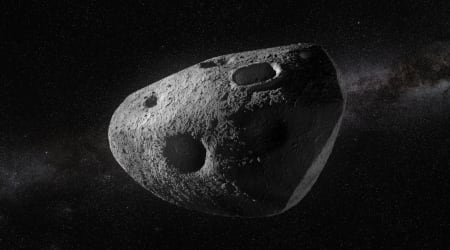
SpaceX rocket debris just crashed into the Moon at 8,700 km/h—here's all you need to know
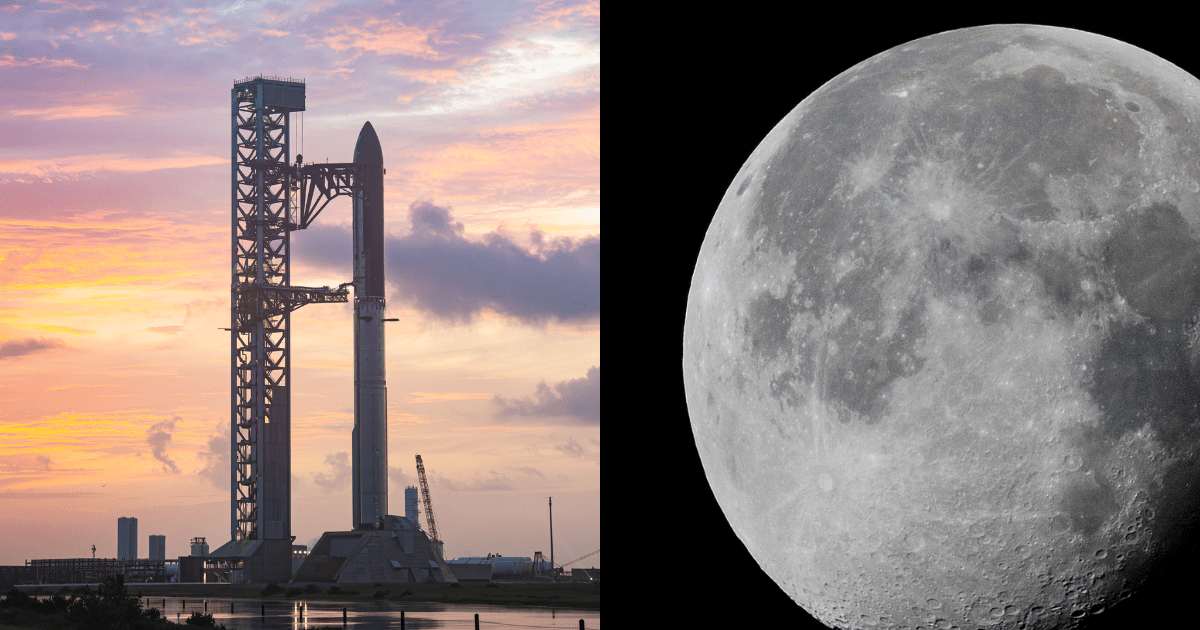
Remember the chunk of SpaceX Falcon 9 rocket that was left in space? It has now crashed into the Moon. The four-ton piece of space debris crashed near the Einstein Crater on August 5, 2026, at about 5,400 mph (8,700 km/h) with a force of nearly three tons of TNT. With this, a SpaceX rocket chunk has become the second known space debris that accidentally crashed on the surface of the Moon. The first one was a piece of a Chinese Long March 3C rocket that hit the Moon's far side in 2022.
What actually caused the crash?
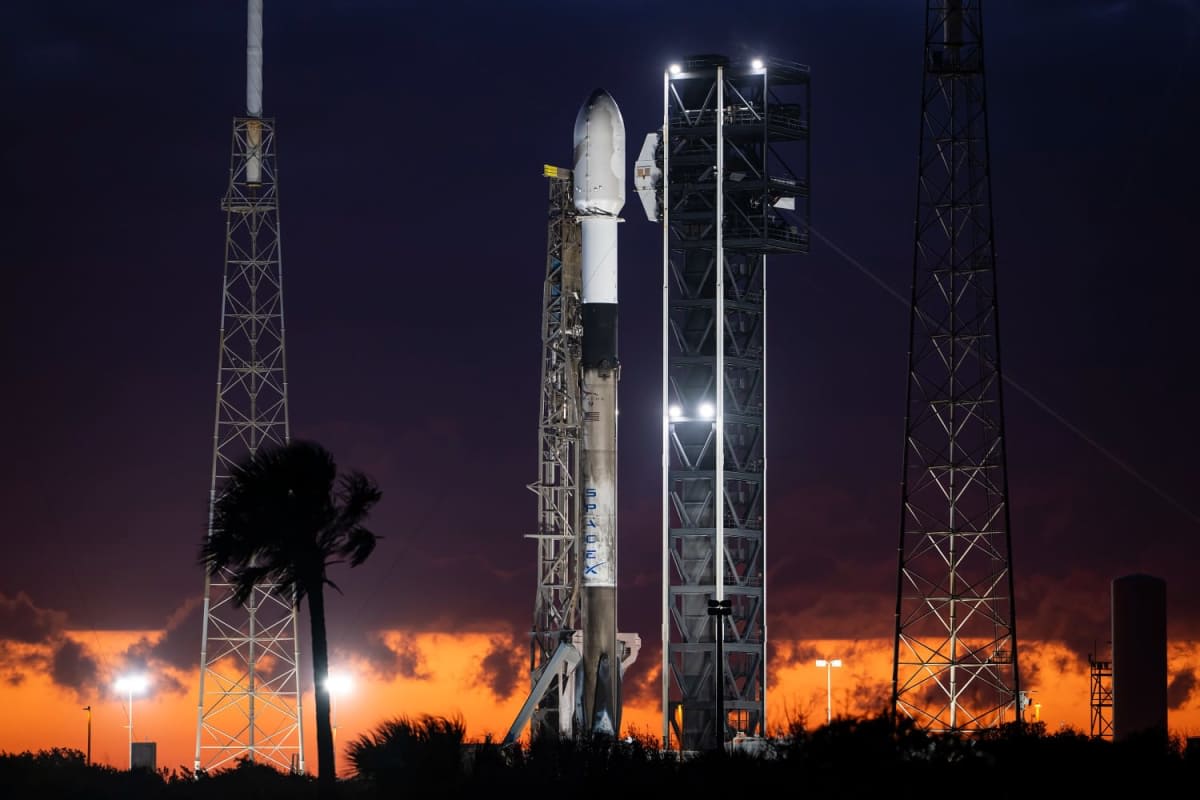
The debris was initially a part of the upper stage of a Falcon 9 rocket, which was launched in January 2025. It carried one commercial lunar lander built by a U.S. company and another by Japan's ispace. The rocket stage was left drifting through space, and tracking data later showed it was on its way to crash into the Moon. NASA estimated that the rocket stage would leave behind a crater about 18 meters wide and 4 meters deep.
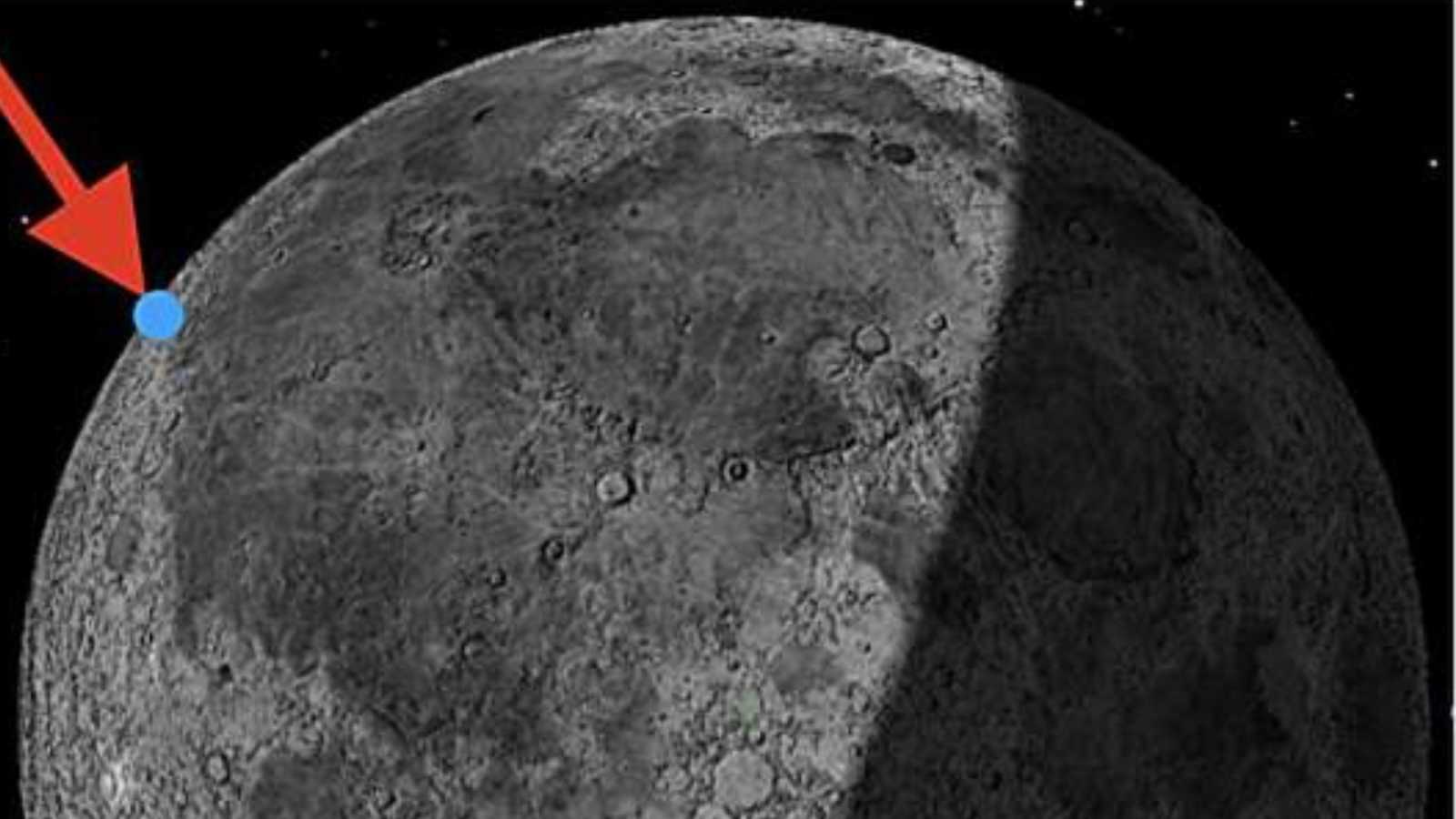
So, what caused it to crash into the Moon? The reason was the combined gravitational pull of our Sun, Earth, and the Moon, which gradually pushed the rocket stage farther off its original path. Eventually, its orbit shifted enough that a collision with the Moon’s surface became completely unavoidable. Julianna Scheiman, SpaceX's director of NASA science and Dragon programs, explained that "what has happened is essentially a mixture of solar activity and gravity forces have put it on a path toward the moon."
What do experts say about this crash?
Space tracking expert Bill Gray told The Associated Press that the crash "doesn't present any immediate danger, though it does highlight a certain carelessness about how leftover space hardware is disposed of," adding that "things are getting crowded up there."
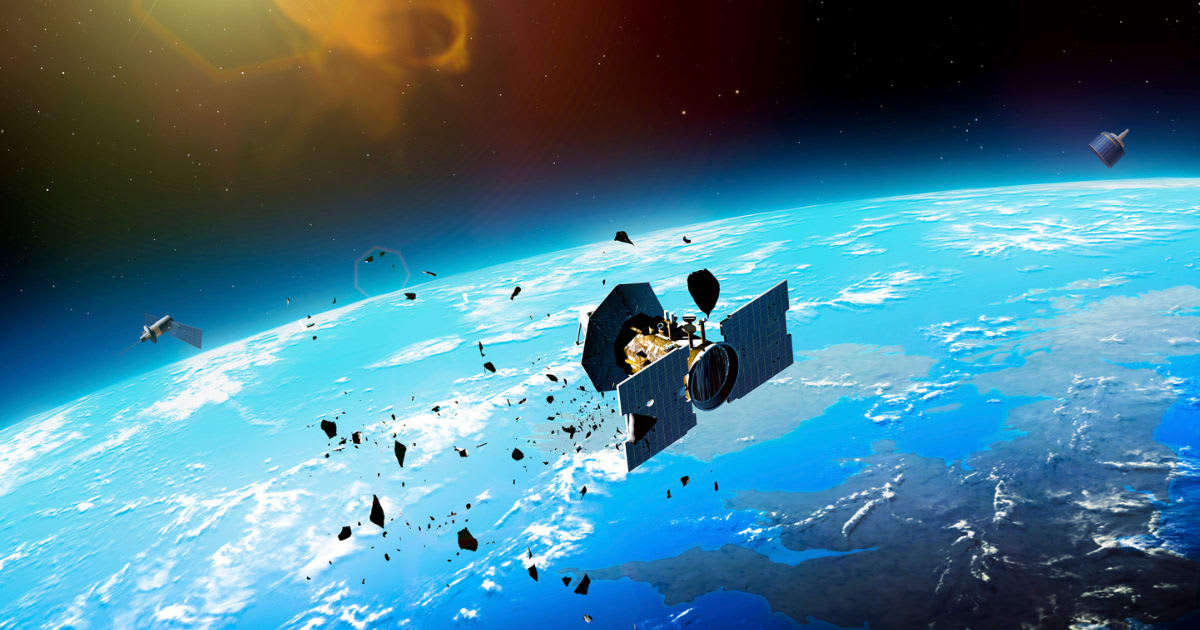
Talking about the risks, Hannah Sargeant, a researcher at the University of Leicester, said, "It is not a good thing to be randomly sending debris into the moon. It's not something we should be making a habit of. What if it hit a site of special interest? What if it caused damage to the historical Apollo landers?" Part of the problem, Sargeant noted, is that current rules requiring a safe end-of-life plan for spacecraft only apply to agencies like NASA and the European Space Agency. They currently do not apply to commercial companies.
What’s next?
Right after the impact, NASA's Lunar Reconnaissance Orbiter and South Korea's Danuri spacecraft turned their instruments toward the site to document what happened. Now, scientists are hoping to capture before-and-after images of a newly formed lunar crater, along with the dust plume created by the collision. NASA spokesperson Jimi Russell said that “the impact poses no danger to Earth and NASA scientists are planning to collect lunar data from the event and refine techniques for tracking objects in space. "
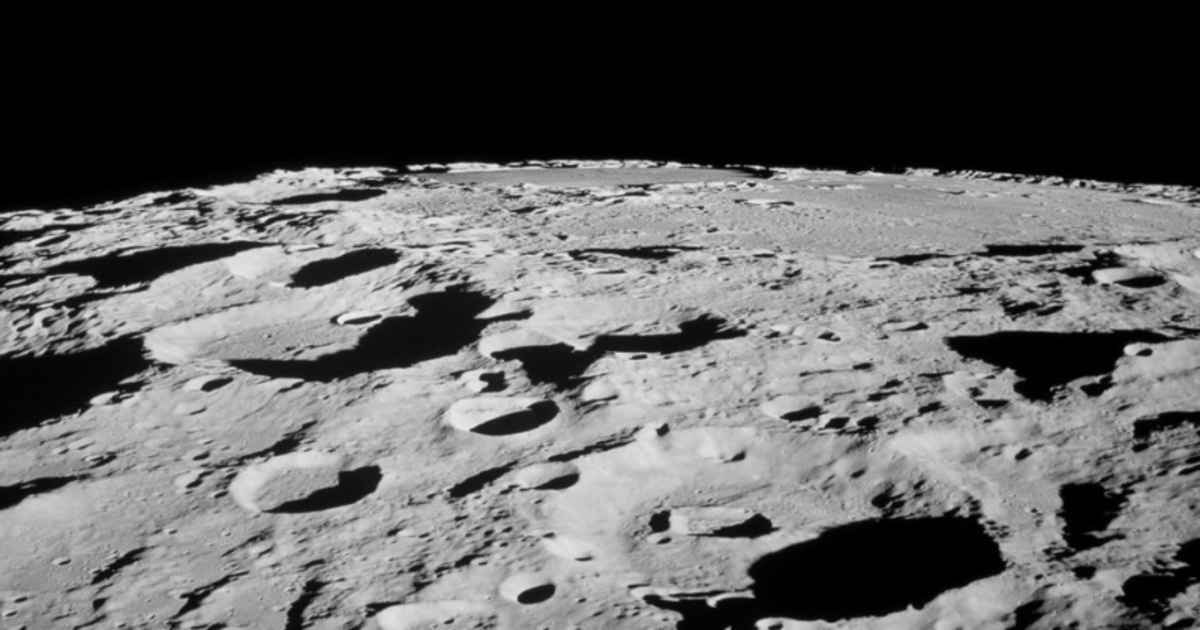
David Rothery of the Open University shared that the moon already has about a “100 million natural impact craters”, which are of the same size as the crash. So, the SpaceX rocket crash “hardly” makes any big of a difference. Though he added that he would welcome a deliberate collision into the moon, if it were done to help us study the moon's interior or surface composition. But this one is “accidental and reckless."
More on Starlust:
SpaceX's Falcon 9 launches world's first commercially built nuclear-powered satellite