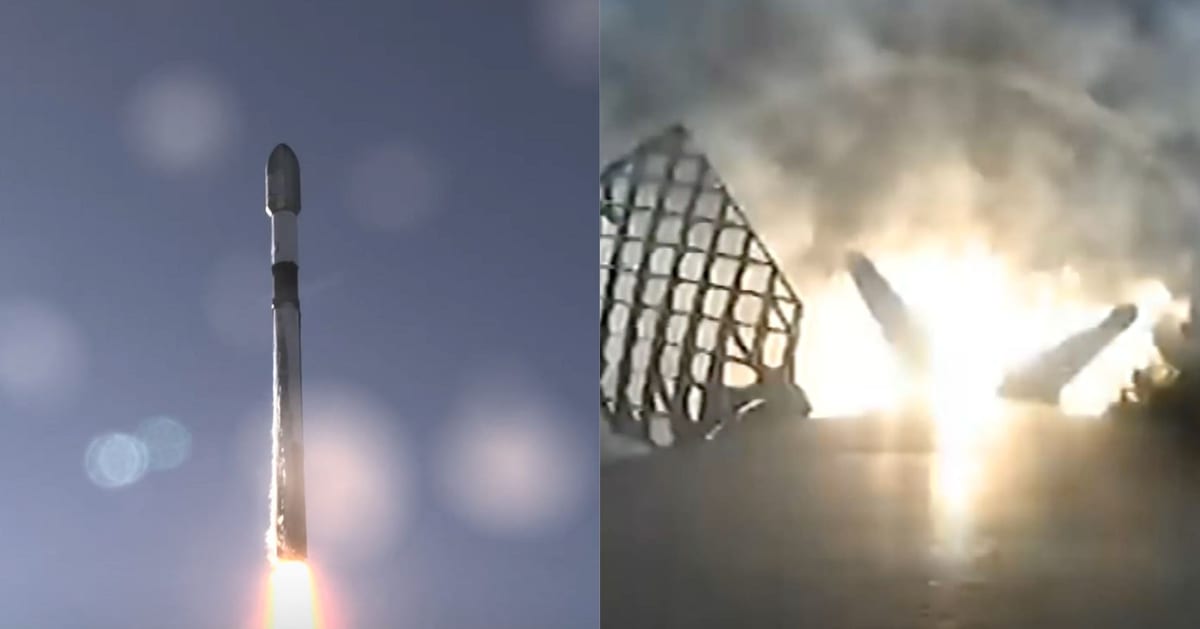
'Lucky Flight 13': SpaceX finally executes 2nd launch of Starship V3, achieves 'softest' splashdown
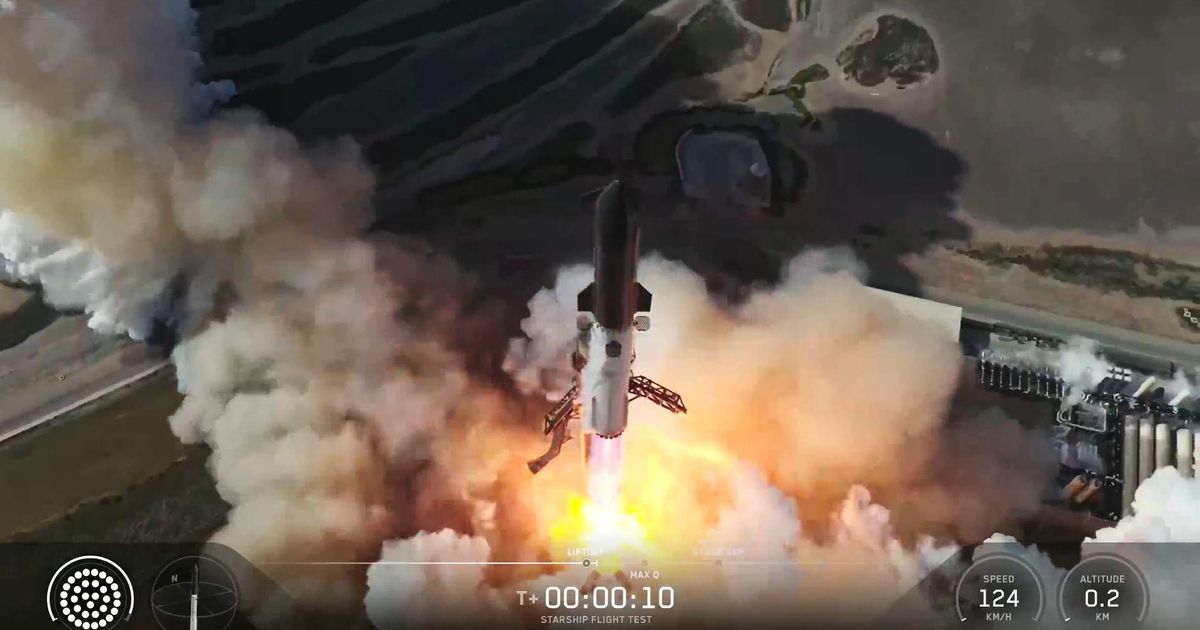
Third time's the charm. SpaceX finally managed to launch Starship's thirteenth test flight today, July 24, after two delays, with the 408-foot-tall two-stage vehicle lifting off from the company's facilities at Starbase, Texas, at 6:51 pm EDT. This was the second flight of Starship Version 3 (V3), the most powerful iteration of the flagship rocket yet.
SpaceX launched Starship Flight 13 from Starbase, Texas — deploying next-gen Starlink V3 satellites and testing an in-space Raptor relight. The mission followed two delays: a last-second engine abort on July 16 and a weather postponement on July 23.
— Starlust (@starlustorg) July 24, 2026
Video Credit: SpaceX pic.twitter.com/VTK45Dbu8O
Starship did not take off on its original launch date on July 16, as four of the booster's 33 Raptor engines experienced off-nominal startups. SpaceX tried to launch the vehicle yesterday, July 23, as well, but had to stand down as the weather wouldn't have permitted them to get visuals of Starship's heat shield from the ground—a key objective of the test flight.
Starship is executing a banking maneuver that mimics the final approach it would take when returning to Starbase for a catch on a future mission pic.twitter.com/ojjCGs79Ku
— SpaceX (@SpaceX) July 24, 2026
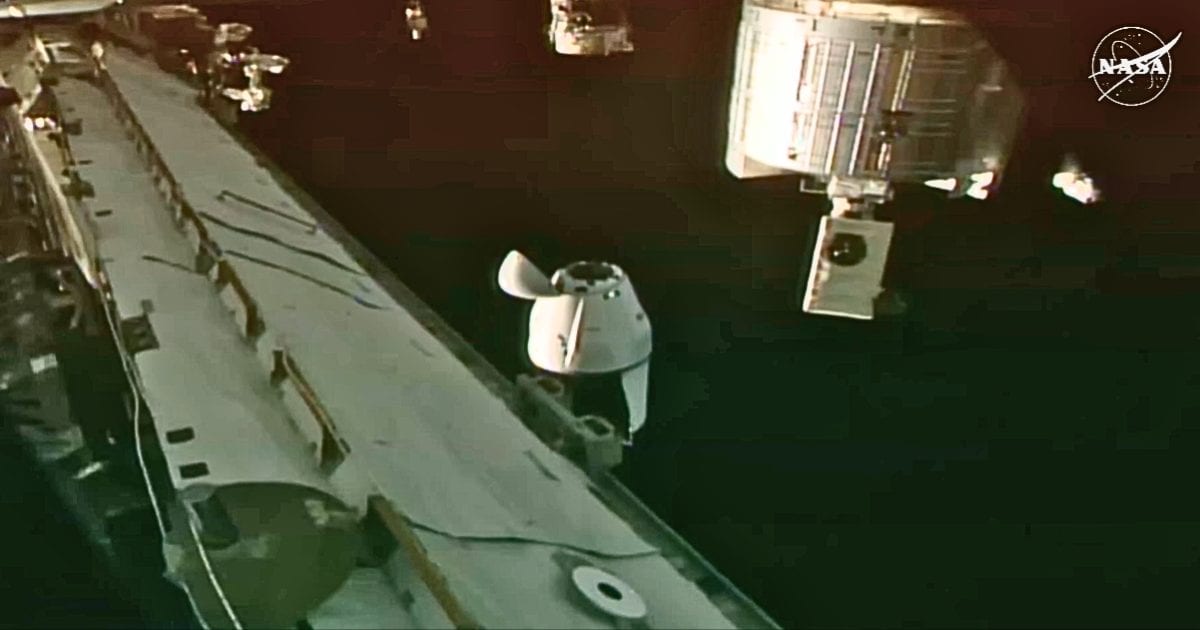
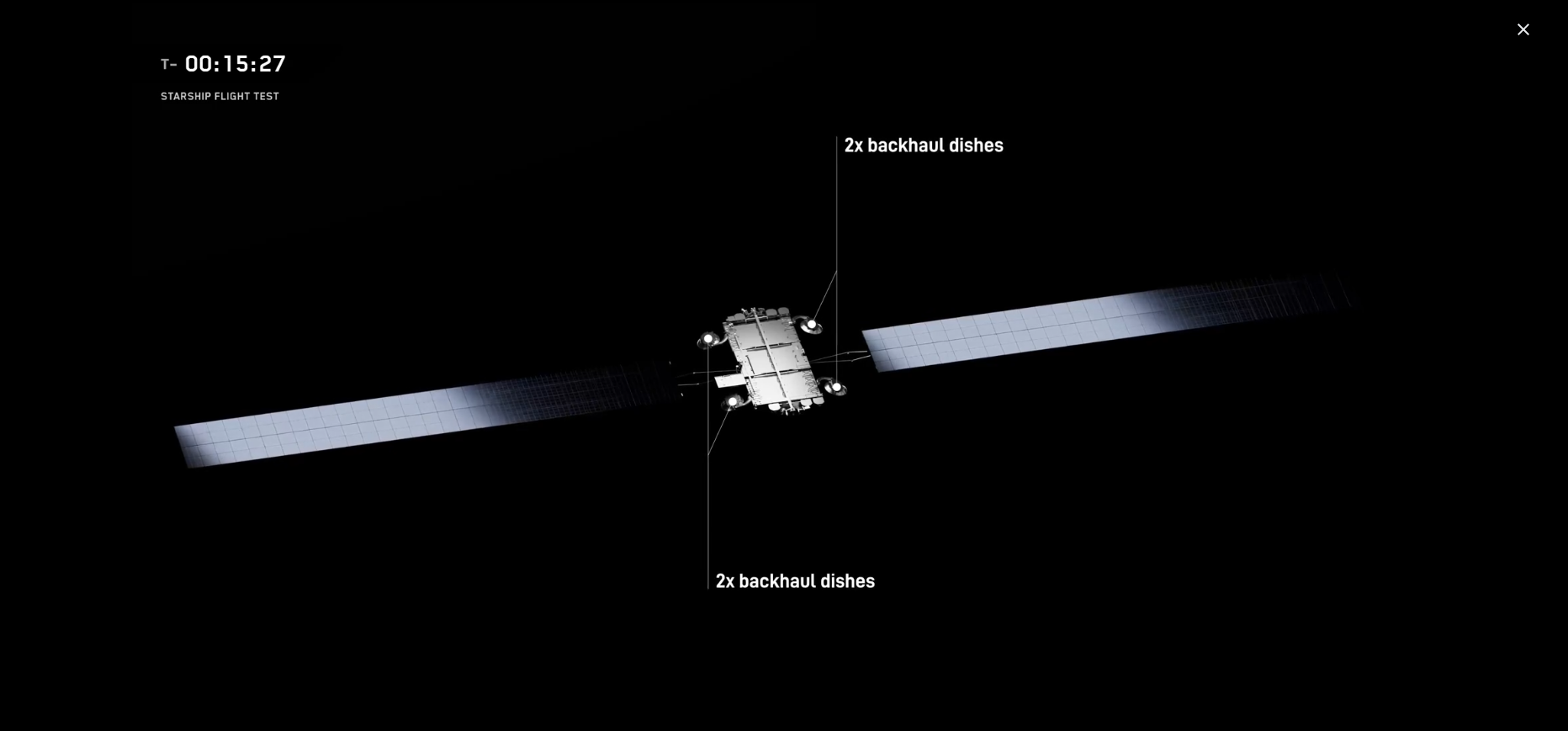
Another objective of this flight was to deploy Starlink V3 satellites, which were making their first trip to space. SpaceX confirmed that they were able to establish contact with all 20 of those satellites, six of which had been fitted with cameras to scan Starship's heat shield and send imagery down to operators on the ground. The satellites were designed to fall to their demise about 20 minutes after deployment.
Flight 13 ended on a high note as well, with SpaceX spokesperson Dan Huot confirming that the upper stage executed "the softest splashdown we've ever had with the Starship there in the Indian Ocean." "This is the first time we've put an intact Starship in the water," he added later. The upper stage, dubbed Ship 40, was also able to relight one of its engines while in space.
Splashdown confirmed! Congratulations to the entire SpaceX team on the 13th flight test of Starship! pic.twitter.com/g27YJCQgiN
— SpaceX (@SpaceX) July 24, 2026
All that said, the flight was not flawless, as the Super Heavy booster did not appear to relight all 13 of its 33 Raptor engines during the landing burn. "Just looking at the booster real quick, it didn't look like we lit all 13 engines that we were planning for that initial land and burn," noted Huot during his live commentary of the mission. "We were targeting a softer splash on it, and as you saw, it came in with quite a bit of velocity." Flight 12, which took place on May 22, also saw something similar, as five engines experienced issues attempting to relight, causing the booster to experience a hard splashdown on the Gulf of America.
Pretty clear from this shot that @SpaceX knows where we are going! Congrats on getting Flight 13 underway. Excited for what will be learned from this mission. When Starship comes online, its capabilities will be game-changing, not least of which will be ensuring we never give up… https://t.co/aTSUCqUPcB
— NASA Administrator Jared Isaacman (@NASAAdmin) July 24, 2026
Nevertheless, data from this latest test, which SpaceX's Kate Tice referred to as "lucky Flight 13," will serve to further the plans SpaceX has in store for Starship with regard to both space exploration and expansion of the Starlink constellation. Next year, the company is expected to provide a test version of its Starship lunar lander for rendezvous and docking operation with NASA's crewed Orion spacecraft in low-Earth orbit during the Artemis III mission. It was thus natural for NASA administrator Jared Isaacman to be happy to see Flight 13 finally take off. "Congrats on getting Flight 13 underway," he wrote on X. "Excited for what will be learned from this mission."
More on Starlust
How SpaceX's Starlink will give you a front row seat to NASA's Artemis III mission
Artemis III update: NASA begins assembling its SLS rocket at Kennedy Space Center