SpaceX launches next-gen BlueBird satellites aboard Falcon 9 as AST grows its network; watch video
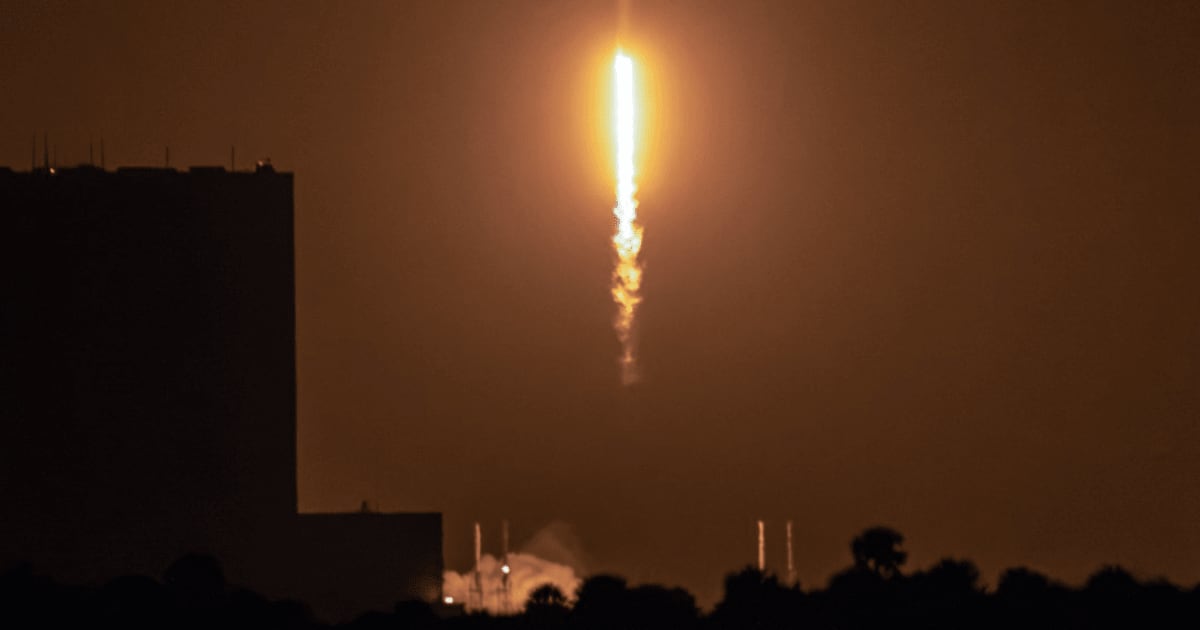
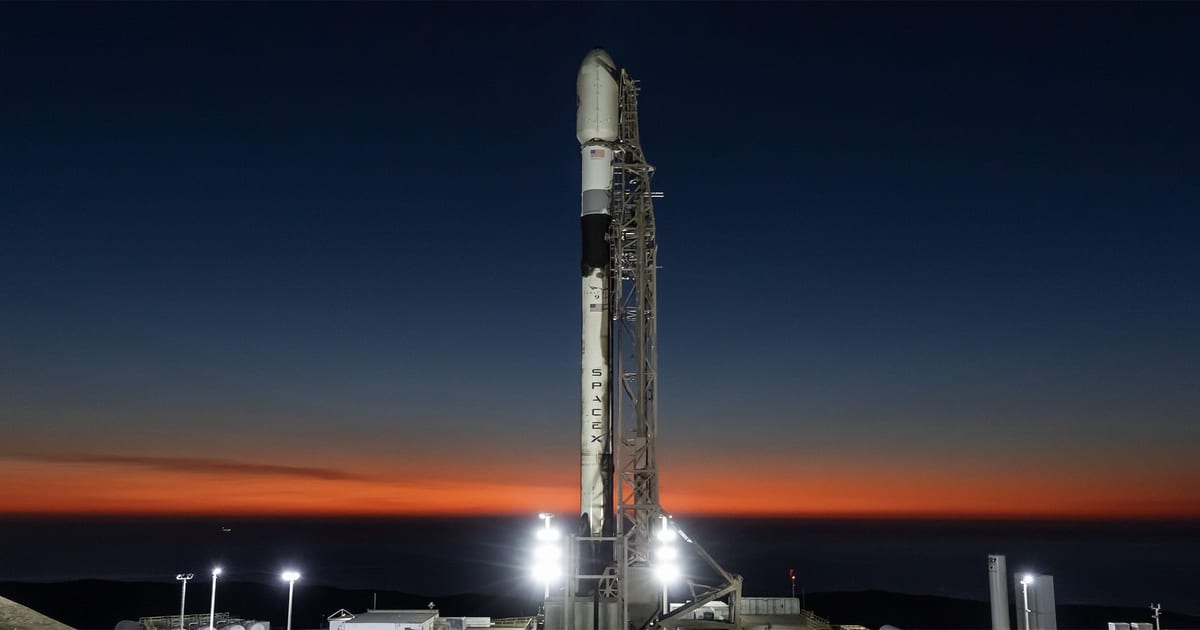
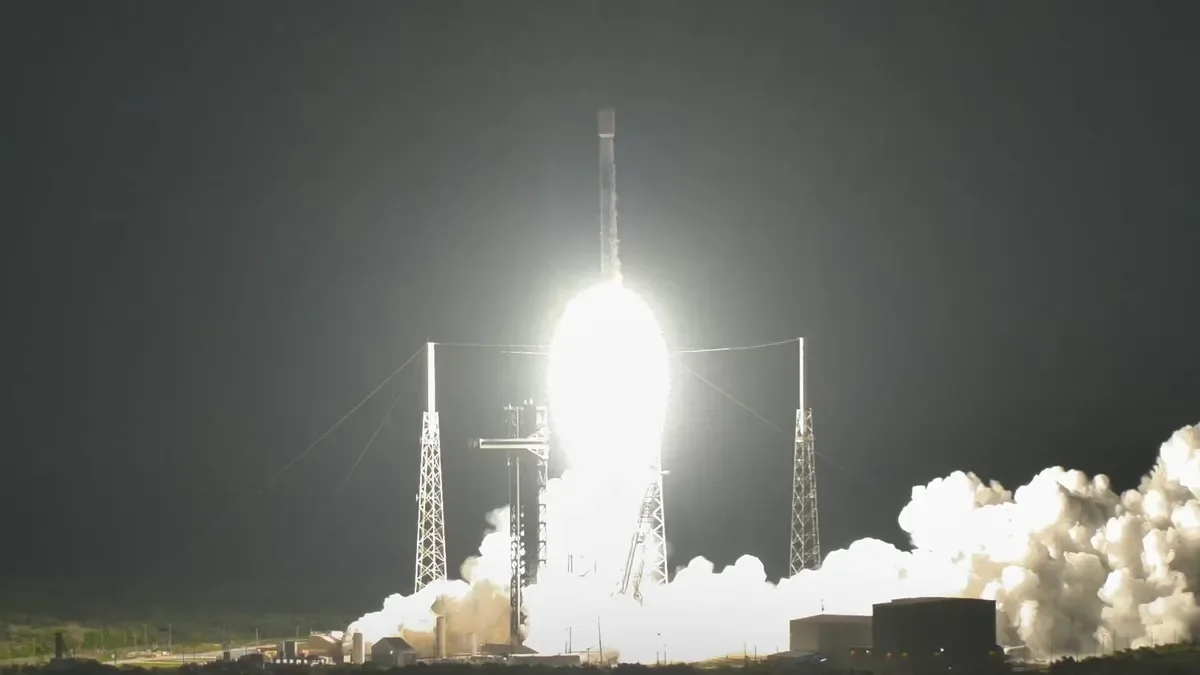
SpaceX recently launched its Falcon 9 rocket from Cape Canaveral Space Force Station at 3:49 a.m. EDT on August 5, 2026. The rocket was carrying three new satellites for AST SpaceMobile's growing constellation. The satellites (numbered 11, 12, and 13) are part of the company's mission that will help smartphones connect directly to satellites without relying on cell towers. About 54 minutes after liftoff, the rocket's upper stage deployed the three satellites into low Earth orbit one by one over the course of roughly 11 minutes. With this successful mission, AST SpaceMobile's constellation has now grown to 13 satellites.
Once in orbit, each of these newly launched satellites will cover a massive 2,400 square feet. They also carry large antennas designed to communicate directly with regular, unmodified smartphones. AST SpaceMobile president Scott Wisniewski described the launch as a step toward a working service, saying in a July 28 statement, “This orbital launch, combined with expanded manufacturing capacity and the recent successful launch and deployment of BlueBird satellites 8, 9, and 10, position us for beta services later this year with our space-based cellular broadband coverage.”
BlueBirds 11, 12, and 13 are stacked and getting ready for their August 5th orbital launch from Cape Canaveral Space Force Station in Florida.🚀🚀🚀🚀🚀🚀🚀🚀🚀🚀🚀🚀🚀
— AST SpaceMobile (@AST_SpaceMobile) July 31, 2026
BlueBirds 14, 15, and 16 to follow right after.
Production advancing through BlueBird 42.
Built in Texas.… pic.twitter.com/I8JXqCmGV7
Commenting on the company's manufacturing approach, AST SpaceMobile CEO Abel Avellan wrote in a social media post, "We invented a new way to design, manufacture at scale, deploy, and fly lightweight composite stackable architecture combined, with the world's largest and most advanced direct-to-device and radar phased-array with the ability to launch them in groups of 3, 5, 6, or 8 on a single launch."
What's different about these next-generation satellites?
The three satellites launched today are from AST SpaceMobile's "next-generation" design. Earlier, the company’s Block 1 carried antenna arrays covering about 693 square feet. According to the company, these newer satellites will deliver "nearly double the peak download speeds achieved by the company's initial Block 1 BlueBird satellites, which recently demonstrated peak download speeds of 98.9 Mbps directly to standard smartphones."
Watch Falcon 9 launch the @AST_SpaceMobile BlueBird 11-13 mission to orbit https://t.co/ZcU4VL5o5l
— SpaceX (@SpaceX) August 5, 2026
This wasn't AST SpaceMobile's first attempt. Earlier this year, in April 2026, BlueBird 7 never made it to orbit after the Blue Origin New Glenn rocket carrying it suffered a mission failure. Even so, this latest launch nearly doubled the number of next-generation BlueBird satellites in orbit. CEO Avellan has shared that the next trio of satellites is currently in production.
What comes next for AST SpaceMobile?
SpaceX flew the mission using a Falcon 9 booster with tail number B1077, which completed its 30th flight. About 8.5 minutes after liftoff, the booster landed itself on the droneship “A Shortfall of Gravitas”, stationed in the Atlantic Ocean. This was the 645th successful Falcon booster landing to date. But there's one limitation. Falcon 9's payload fairing can only carry three of AST SpaceMobile's satellites on each mission. For bigger launches (up to eight satellites at a time), the company will have to use Blue Origin's New Glenn rocket. But those flights are currently on hold because the rocket suffered through a launch pad explosion in May.
Falcon 9’s first stage has landed on the A Shortfall of Gravitas droneship pic.twitter.com/VUSaoAg08v
— SpaceX (@SpaceX) August 5, 2026
Over the next few weeks, the newly launched satellites will first go through a series of system checks before they can actually join the active network. And if everything goes as planned, AST SpaceMobile will launch its beta cellular broadband service later this year. With this, smartphone users will be able to connect to the satellite coverage without any extra equipment.
More on Starlust
Tugboats sent by SpaceX are working to retrieve Flight 13’s Starship from the Indian Ocean
SpaceX investors ask if the company can paint its rockets pink—can it actually be done?